One Laboratory Complex, Two Hospitals
The Sri Sathya Sai Institute of Higher Medical Sciences, Whitefield, Bangalore, Laboratory complex has the Pathology, Microbiology, Biochemistry labs, and an in-house Blood Bank, all of which are equipped to handle all the necessary investigations required for the Cardiac and Neuro specialties. The Department also caters to the requirements of Sri Sathya Sai General Hospital, Whitefield.
The objective of the department is to support the hospital in treating its patients through providing the required laboratory investigations in a timely fashion, while maintaining high standards of accuracy and precision.
Vision: To deliver accurate diagnostic support through comprehensive, quality-assured laboratory services aligned with the hospital’s principles of selfless, loving care.
✦ All Investigations Free of Cost
What the Laboratory Covers
Biochemistry
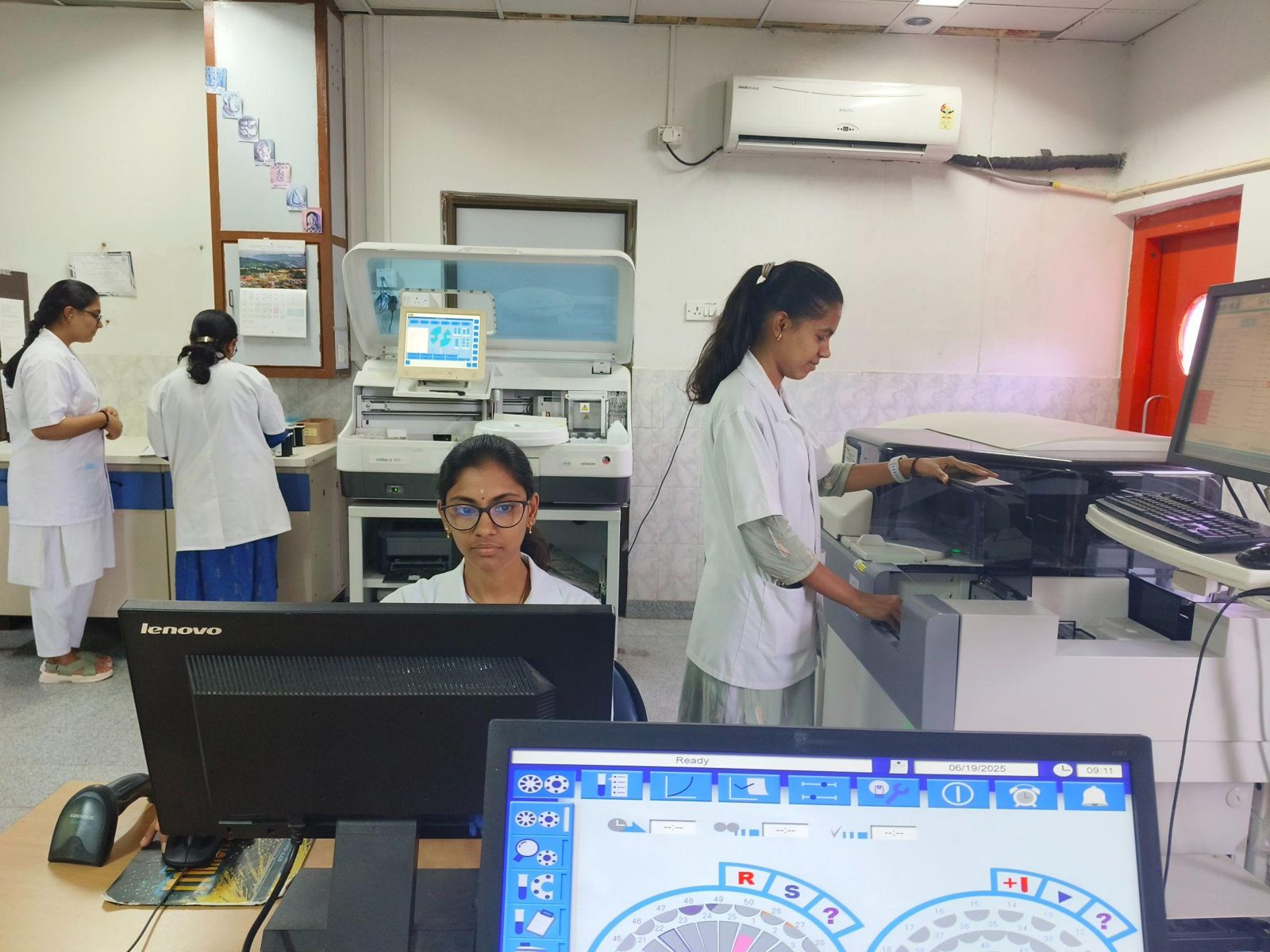
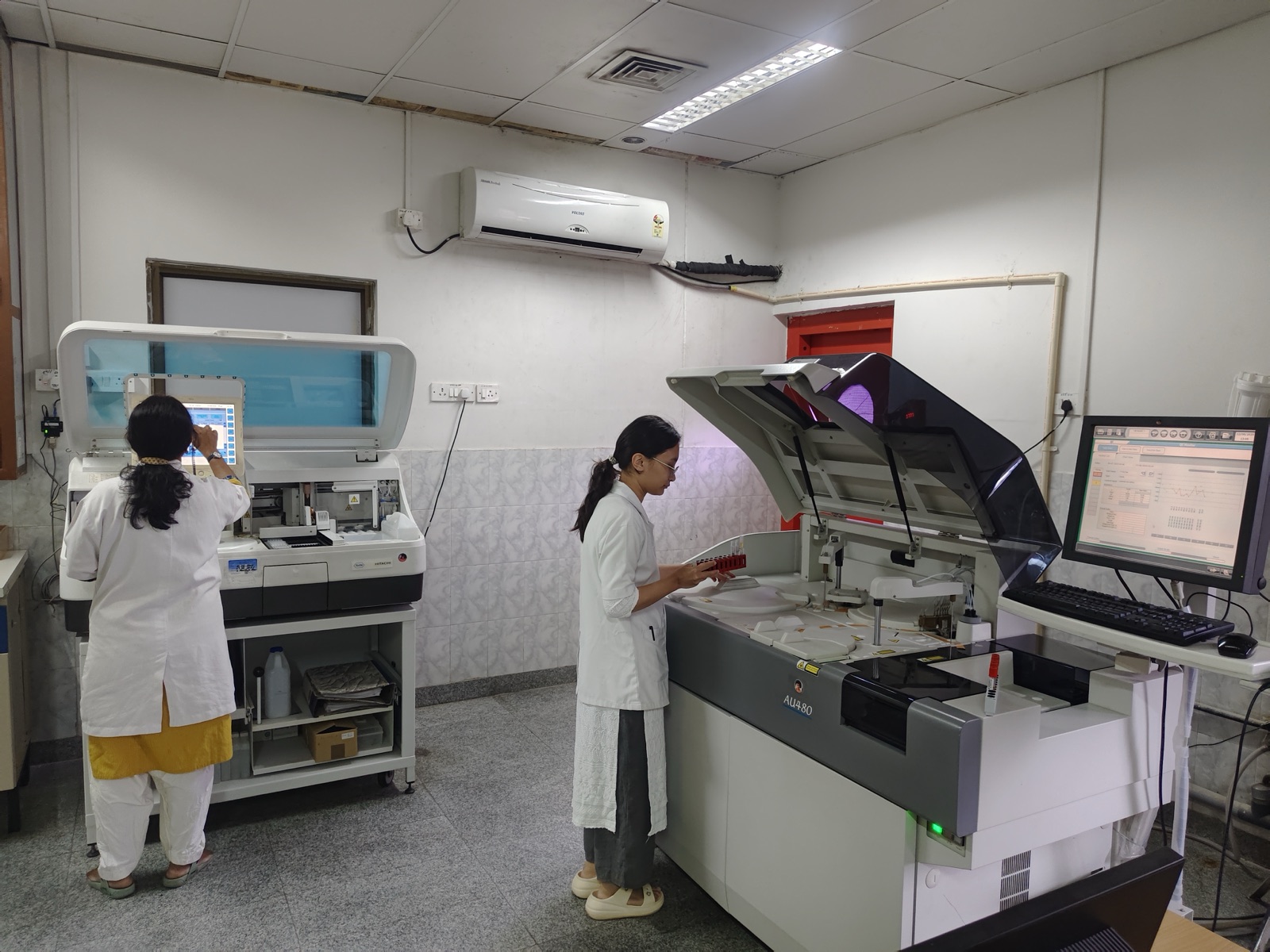
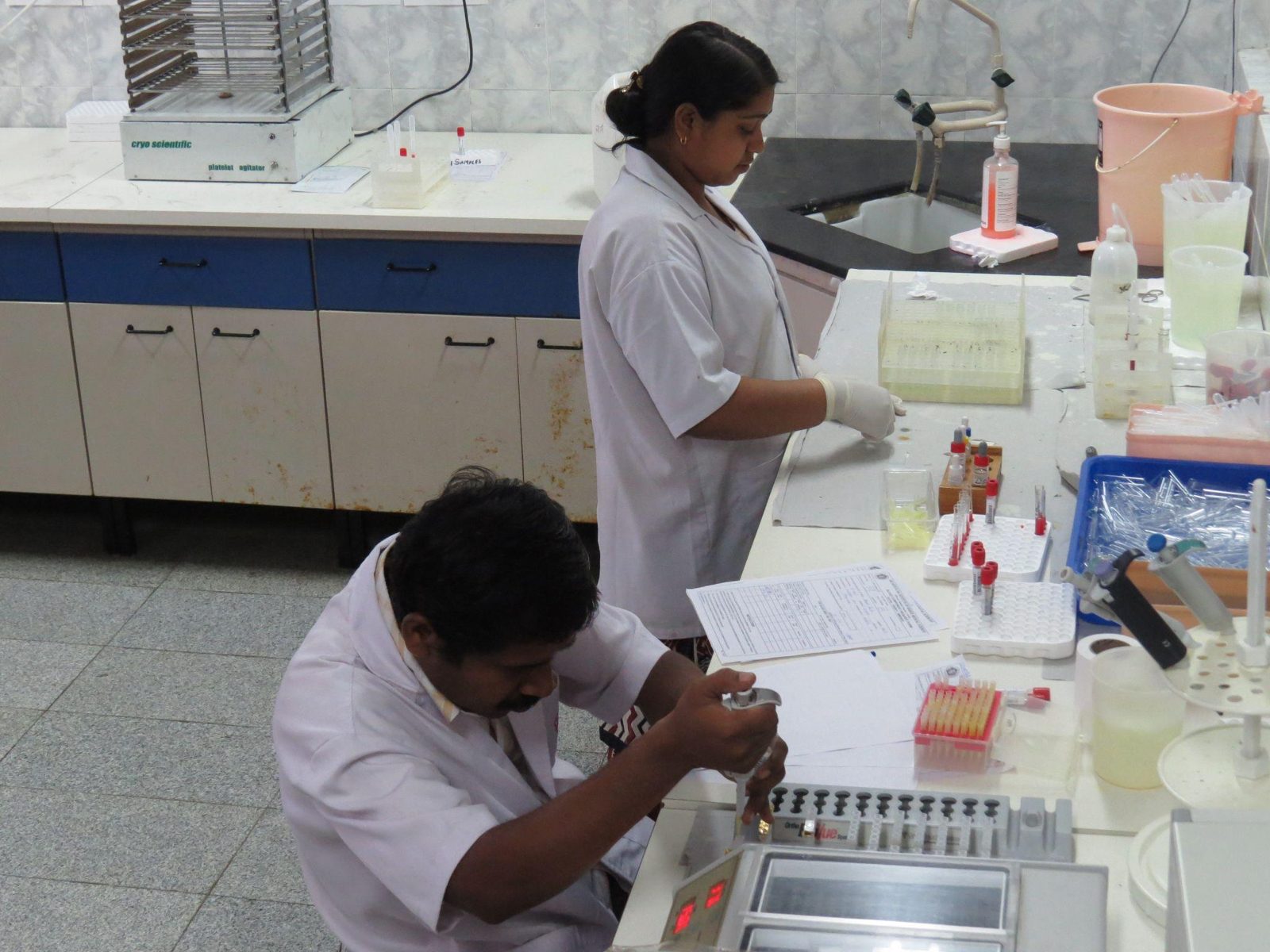
Routine and specialised biochemistry on fully automated floor-model analysers, with a chemiluminescence analyser for hormonal profiles. Tests on blood and all body fluids are done round the clock, including hormones, cardiac markers, tumour markers, infection and inflammation markers, and HbA1c. New tests are added as the hospital’s clinical needs change.
Microbiology & Serology
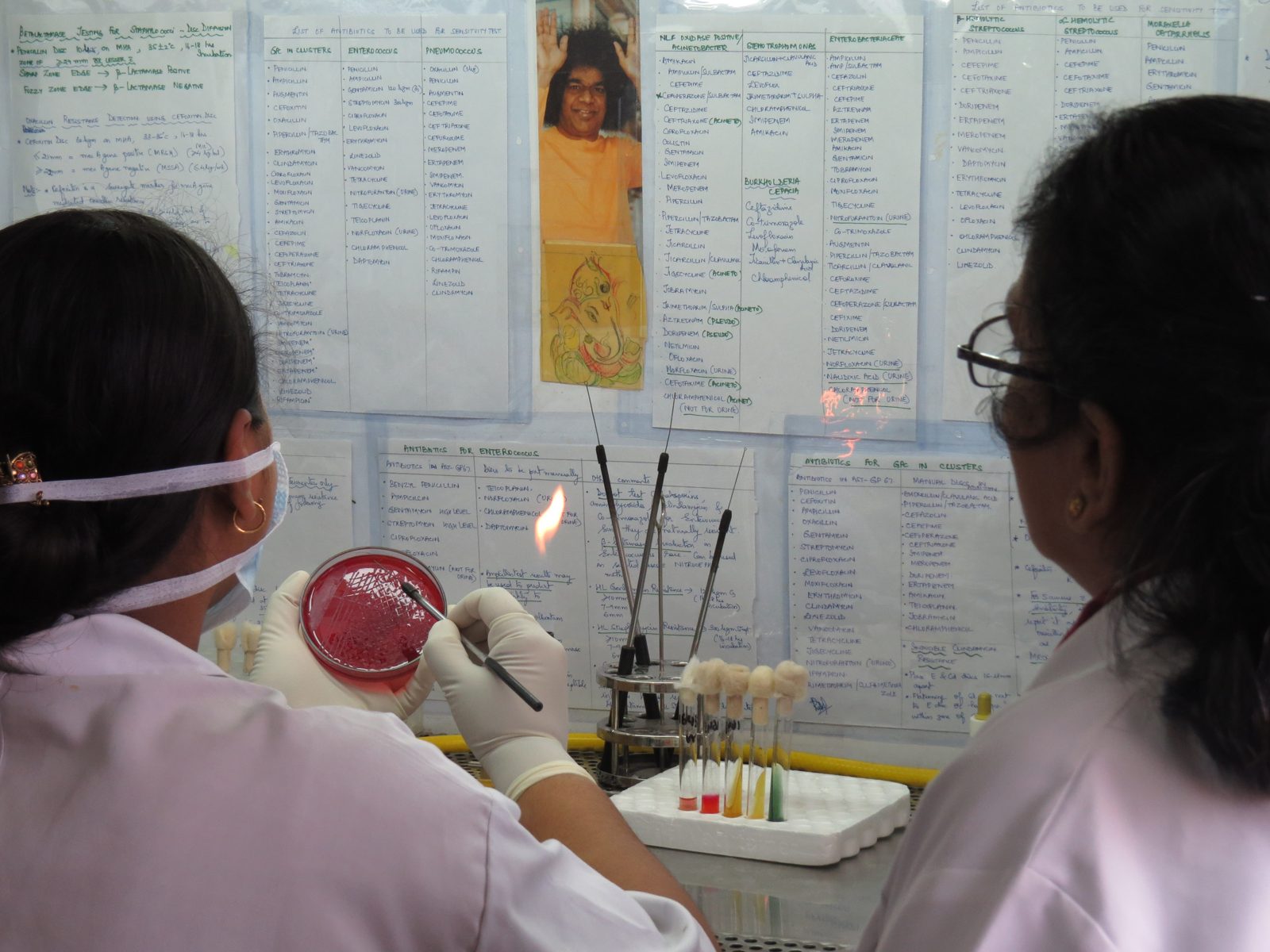
Helps in the diagnosis, prevention and control of infections. Automated bacterial culture with identification and antibiotic sensitivity testing, carried out in dedicated biosafety cabinets, alongside manual methods and bacterial and viral serology tests.
Haematology & Clinical Pathology
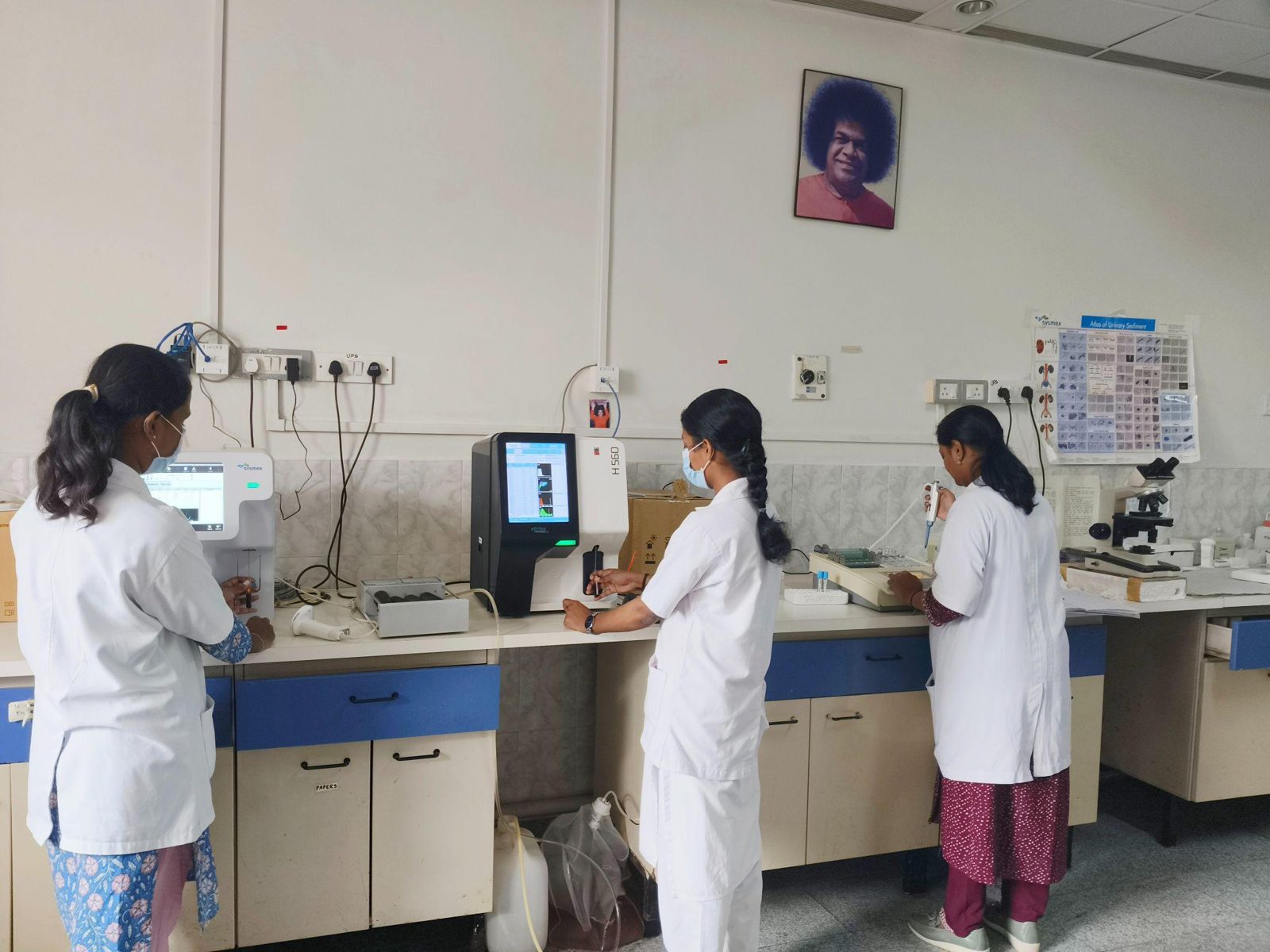
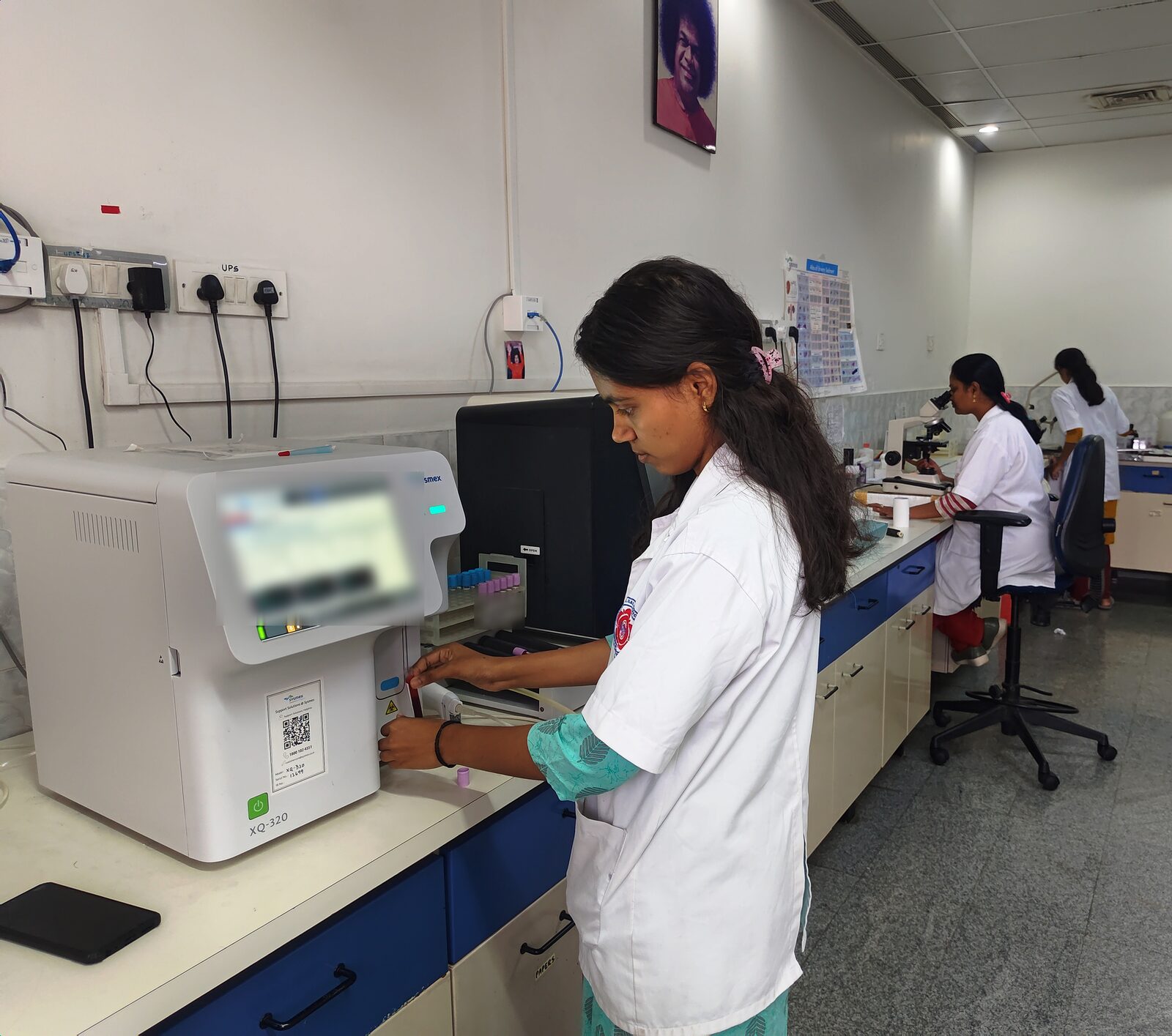
Cell counters, cytospin and coagulation analysers for haematology, coagulation and routine clinical pathology work. Clinical pathology covers the microscopic examination of urine, stool, semen and other body fluids.
Histopathology & Cytopathology
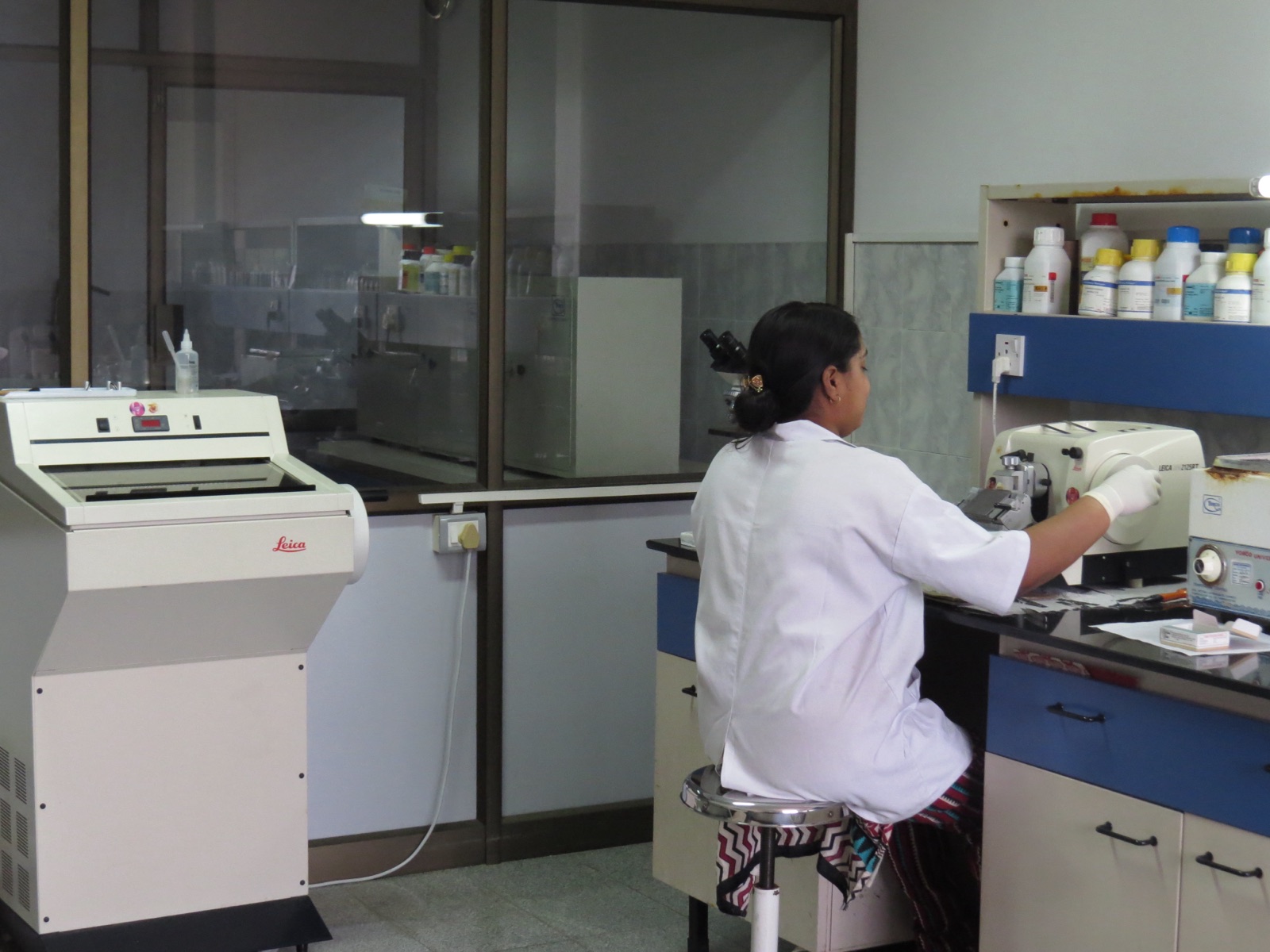
Tissue diagnosis with microtome and cryotome, special stains and immunohistochemistry. Biopsies and surgical specimens are reported here, including tumour typing and frozen sections during surgery, with new immunohistochemistry markers added as needed. Cytopathology covers fine needle aspiration cytology (FNAC), PAP smears, fluid cytology and liquid-based cytology.
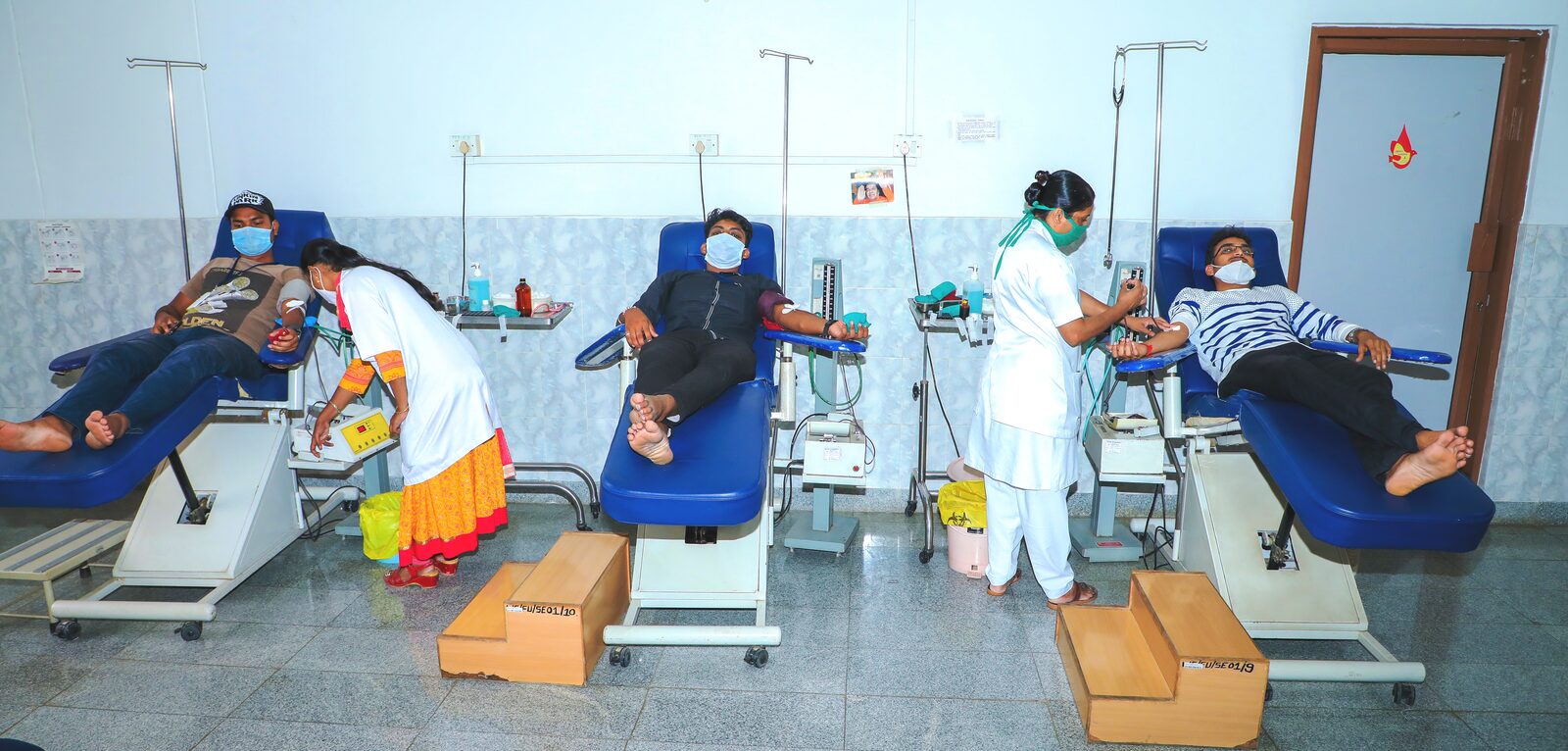
Blood Bank
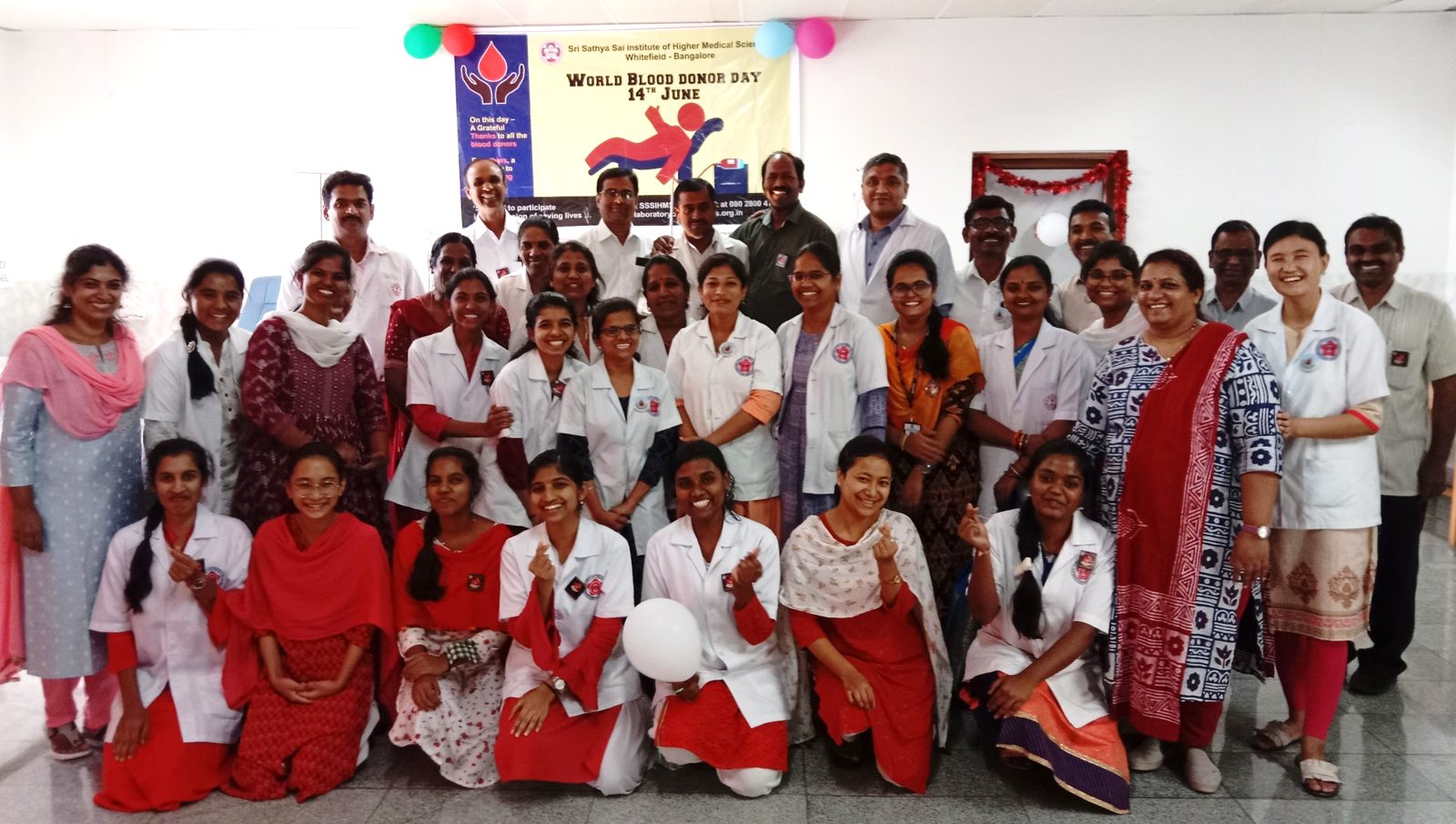
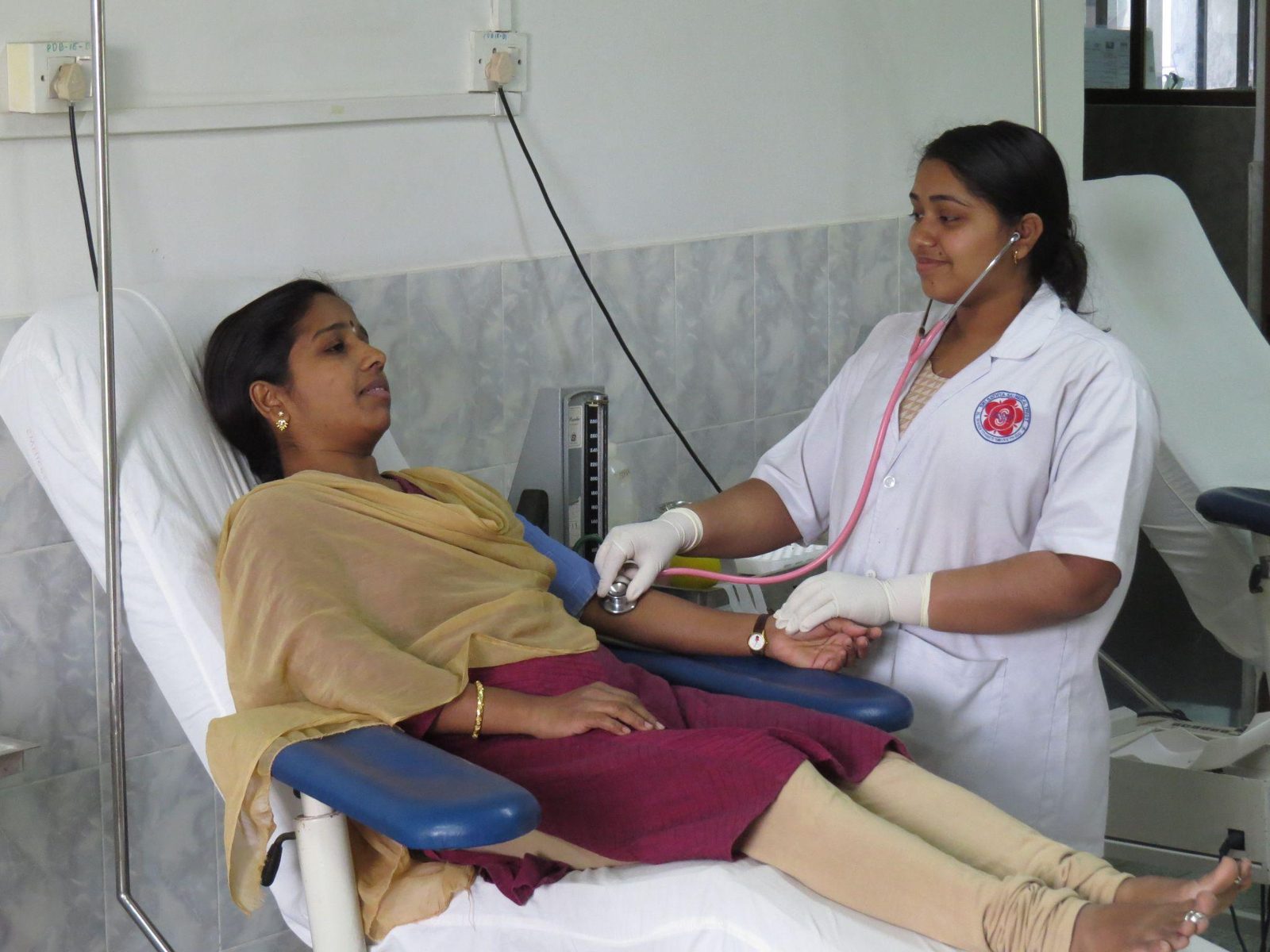
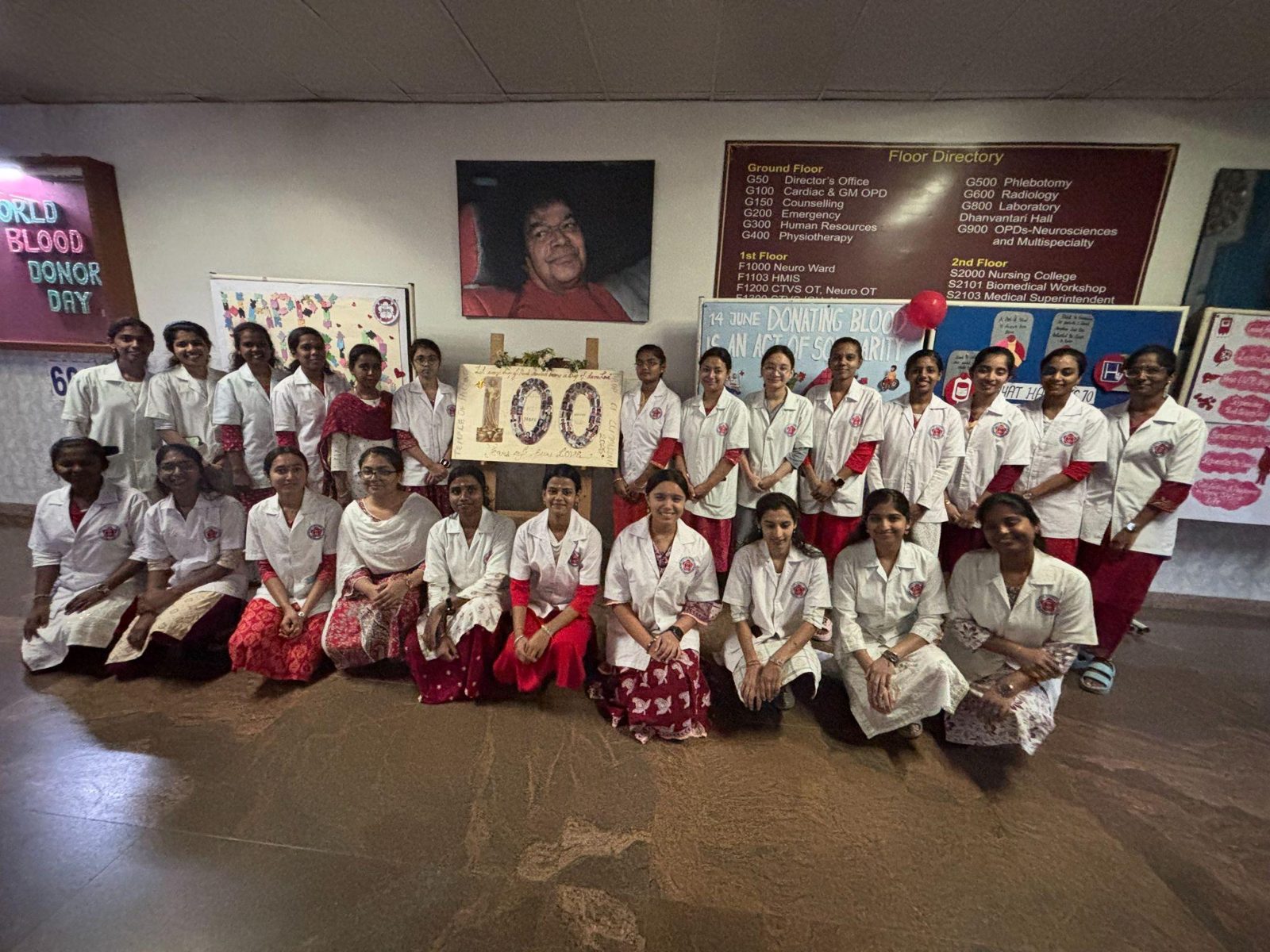
In-house collection, testing, component preparation and storage — supporting cardiac surgery, neurosurgery and the General Hospital.
Blood donation →Outsourced Investigations
Rarely requested tests are sent to NABL-accredited laboratories under a tie-up — and, like everything else, are paid for by the hospital.
How the Standard Is Held
High standards of accuracy and precision are maintained through several practices working together: participation in external Quality Assurance programmes, a fully functional Laboratory Information System (LIS) for ordering investigations and releasing results, and the reduction of transcription errors by interfacing analysers directly with the LIS and by bar coding samples.
Because the laboratory serves both the Institute and the General Hospital, samples arrive from cardiac and neuro intensive care, operation theatres, wards and the general outpatient departments through the same workflow — which makes short, predictable turnaround times as important as the result itself.
Quality Assurance in Everyday Work
Infection Control and Hospital Committees
Milestones, 2001–2025
2001
- 1 Jan — Blood bank licence received
- 5 Jan — First patient samples tested
- 12 Jan — First blood donation at SSSIHMS
- 1 Apr — Laboratory Information System — results released online
2002 – 2004
- 2002 — Hospital Infection Control Committee formed, with the Microbiologist as Secretary; Blood Bank Information System automated
- 2003 — Column agglutination technique for crossmatch; LISS for compatibility testing, prepared in-house
- 2004 — Histopathology laboratory commissioned; cytocentrifuge for body-fluid cytology
2007 – 2011
- 2007 — Immunohistochemistry; HbA1c; quantitative CRP, RF and ASO; services extended to SSSGH
- 2008 — BSc MLT course started under RGUHS; direct osmolality; rapid IgM test for Salmonella typhi; fumigation replaced by fogging
- 2010 — Voluntary blood donation made almost 100%; histopathology extended to GI specimens from SSSIHMS Prasanthigram
- 2011 — Histopathology services (biopsies, PAP smears) extended to SSSGH; vitamin B12 and growth hormone added
2012 – 2018
- 2012 — Automation in microbiology — bioMérieux BacT/ALERT and VITEK 2 Compact
- 2015 — CLIA for emergency serology in place of spot tests
- 2016 — SSSGH laboratory merged with the SSSIHMS laboratory; Beckman AU480 and Sysmex BX3010 biochemistry analysers; air sampler for surveillance testing
- 2017 — Anirvid — research project with the SSSIHL Chemistry department (to 2020)
- 2018 — Automated tissue processor for histopathology
2019 – 2025
- 2019 — 5-part haematology analyser
- 2020 — HPLC method for HbA1c; COVID follow-up tests — D-dimer, ferritin, rapid antigen test
- 2021 — Reflex testing of urine nitrite
- 2024 — Procalcitonin by FIA; iron studies
- 2025 — New immunohistochemistry markers, e.g. H3K27me
Liquid Love in Service of Life
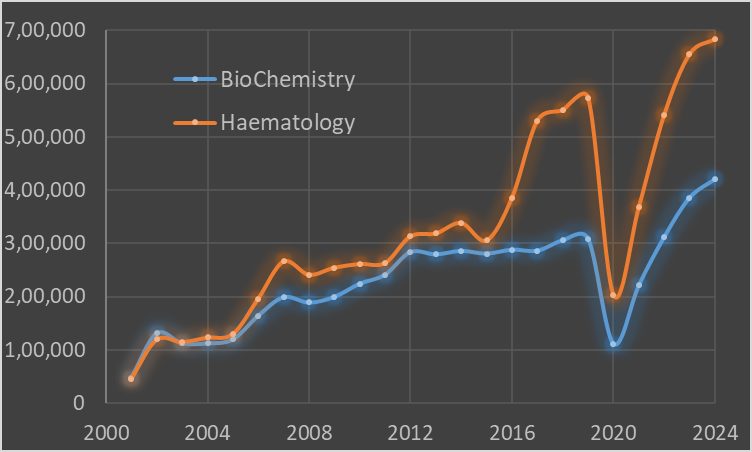
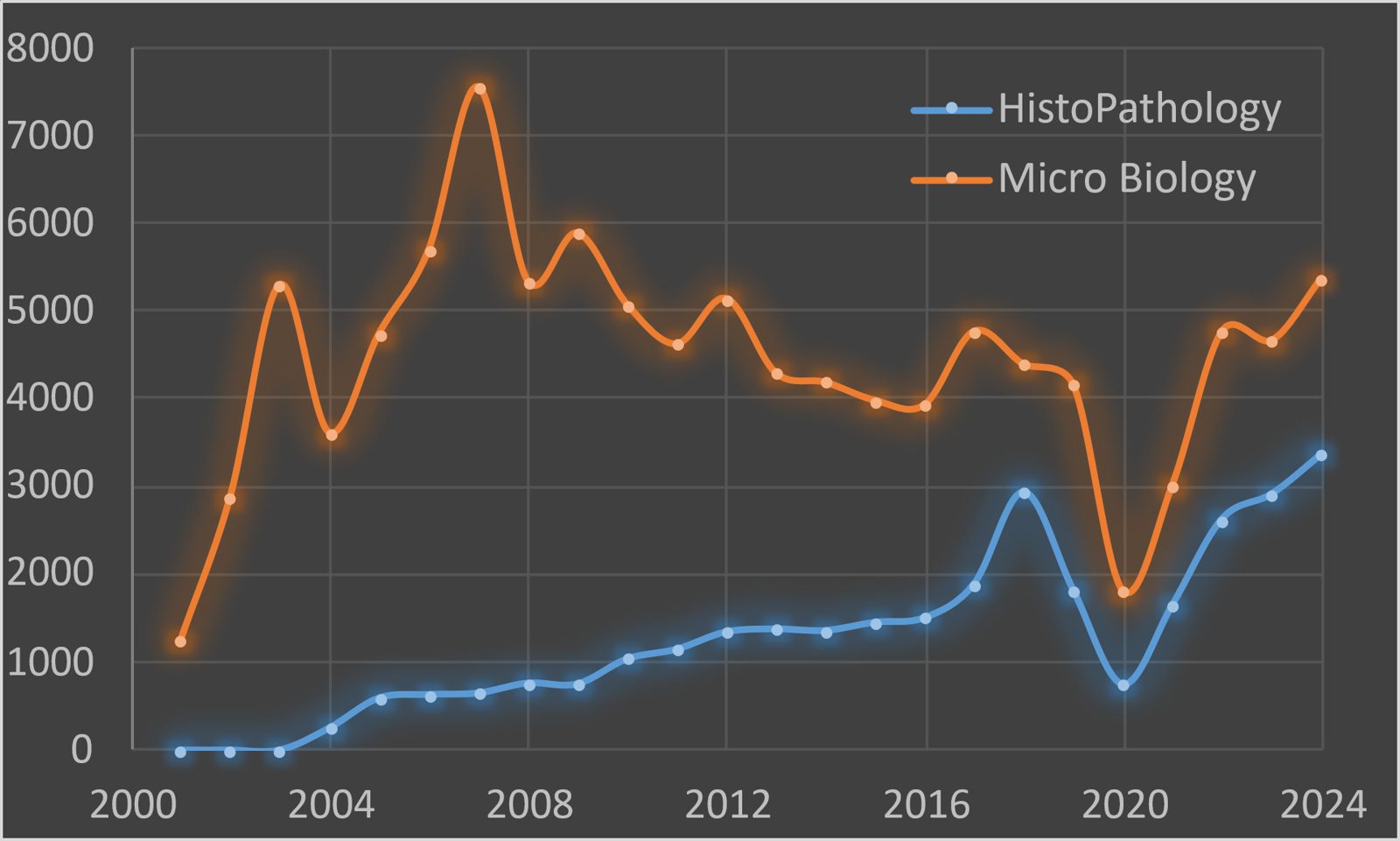
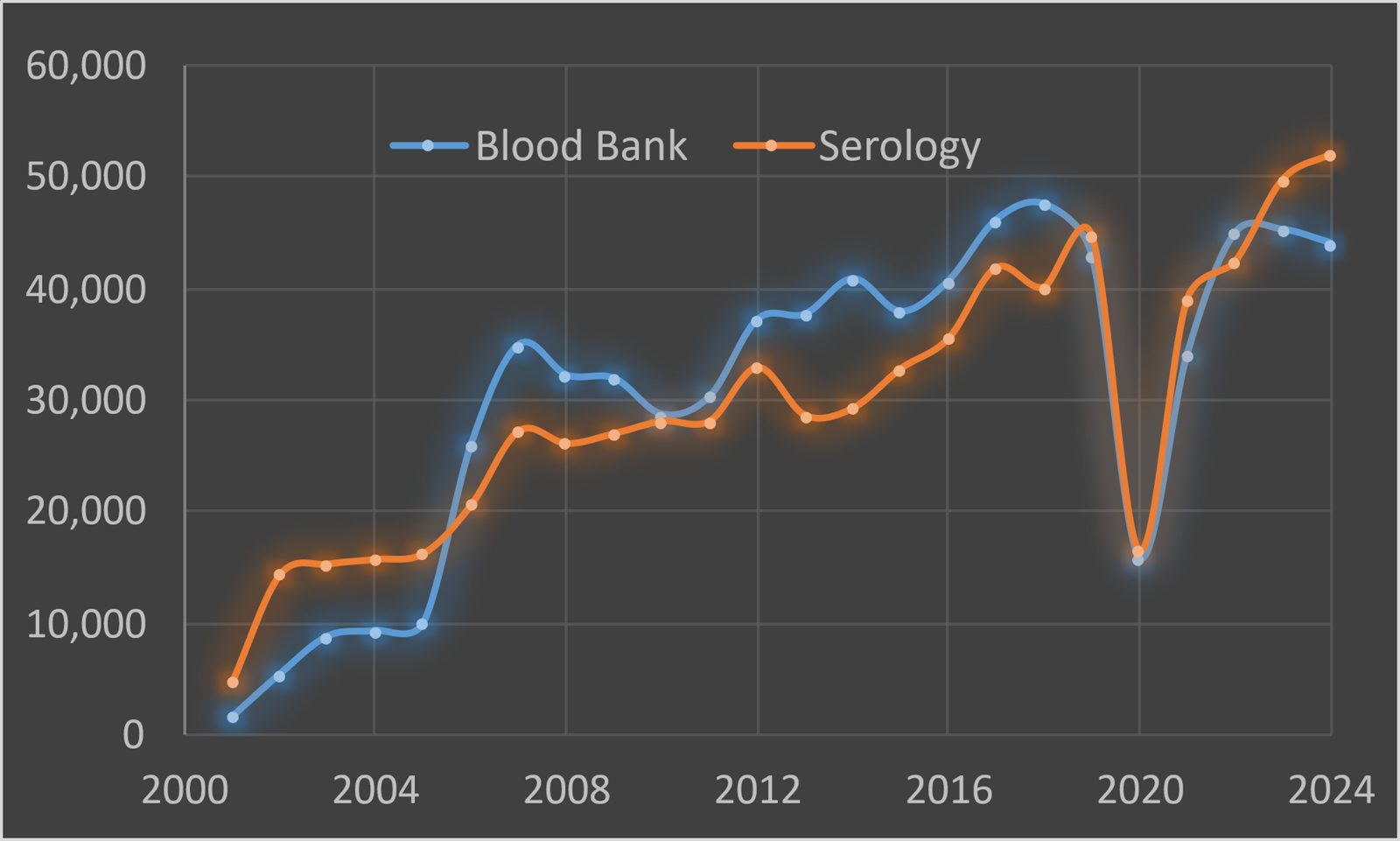
Trends Over the Years — Total Tests Performed
The Doctors of Laboratory Medicine
Microbiology
- Dr. Seemanthini Desai
- Dr. Smithalekha
- Dr. Rajeshwari Patil
- Dr. Priscilla
- Dr. Sai Priya
- Dr. Julee Singh
- Dr. Sai Desai
- Dr. Prakash
- Dr. Renuka N.
Biochemistry
- Dr. Shailaja A.
Pathology
- Dr. Sujata Siddappa
- Dr. Nandita Ghosal
- Dr. Neha Goel
- Dr. Shailaja K.
- Dr. Pooja Sarda
- Dr. Parul Jain
- Dr. Nayana N.
- Dr. Apoorva K.
Papers, CMEs and Collaborations
Selected Engagements
- Dr. Renuka N. — 6th Advanced National Workshop on Hospital Infection Control, JIPMER, Puducherry (2022); chaired a session at Steel City IDCON 2022, Ballari
- Tata Memorial Hospital, Mumbai — 7th CME for Medical Laboratory Technologists (2017); poster by Ms. Lipsa, Ms. Charutha and Ms. VishnuPriya
- Padmashree Institute of Allied Health Sciences — CME on Histotechniques & Immunocytochemistry (2019); poster “Troubleshooting & Titbits in Histopathology” by Ms. Charutha and Sri Gopal
- World Congress on Infectious Diseases and Antibiotics (2018) — poster by Dr. Priscilla on antibiotic susceptibility of Gram-negative bacteria from ICUs
- International Microbes Day (2024), SSSIHL Puttaparthi — two posters by BSc MLT students
Research Collaborations
- Co-participant in the Anirvid and Anahata projects of the Department of Chemistry, Sri Sathya Sai Institute of Higher Learning
- Gut microbiome and coronary artery disease — the direct influence of Proteus species on TMAO production through the choline pathway; with Dr. Sasmita Sabat, Department of Biotechnology, PES University, and the Department of Cardiology, SSSIHMS
- Support for DNB research, including cortisol assessments before and after anaesthesia
Blood Donation, Training and Infrastructure
Blood Donation
What happens to the blood you donate, who can donate, and how to reach the Blood Bank.
Blood Donation →BSc Medical Laboratory Technology
A four-year degree programme under the Rajiv Gandhi University of Health Sciences, preparing medical laboratory technologists for settings from primary health centres to tertiary hospitals. Alumni have gone on to MSc, PhD, MBBS and MBA studies, and to work in multinational companies and hospitals.
BSc MLT →Laboratory Infrastructure
The analysers, safety cabinets, interfaces and systems behind the diagnostic workload of both hospitals.
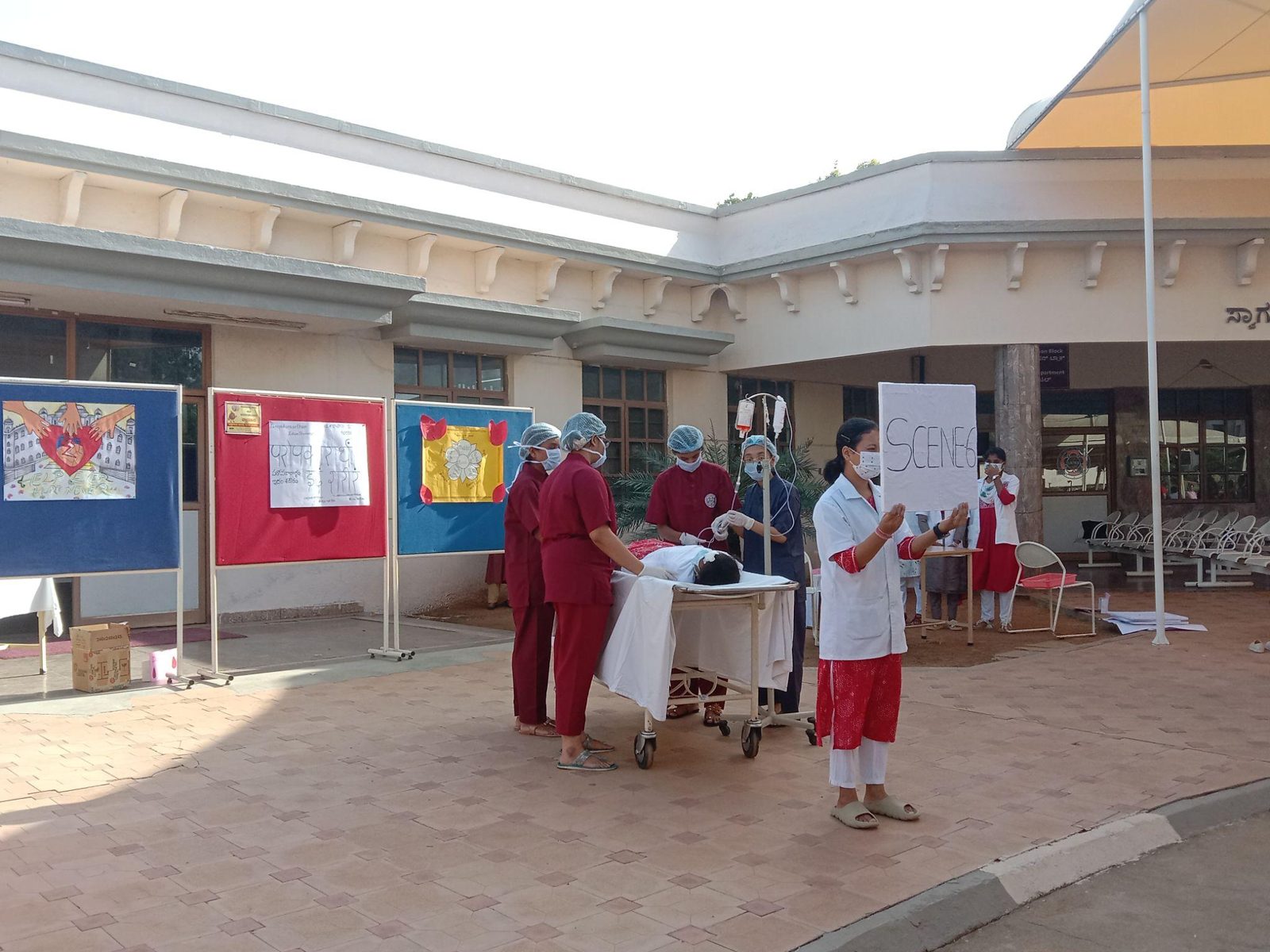
Infrastructure →In the Wards and the Laboratory
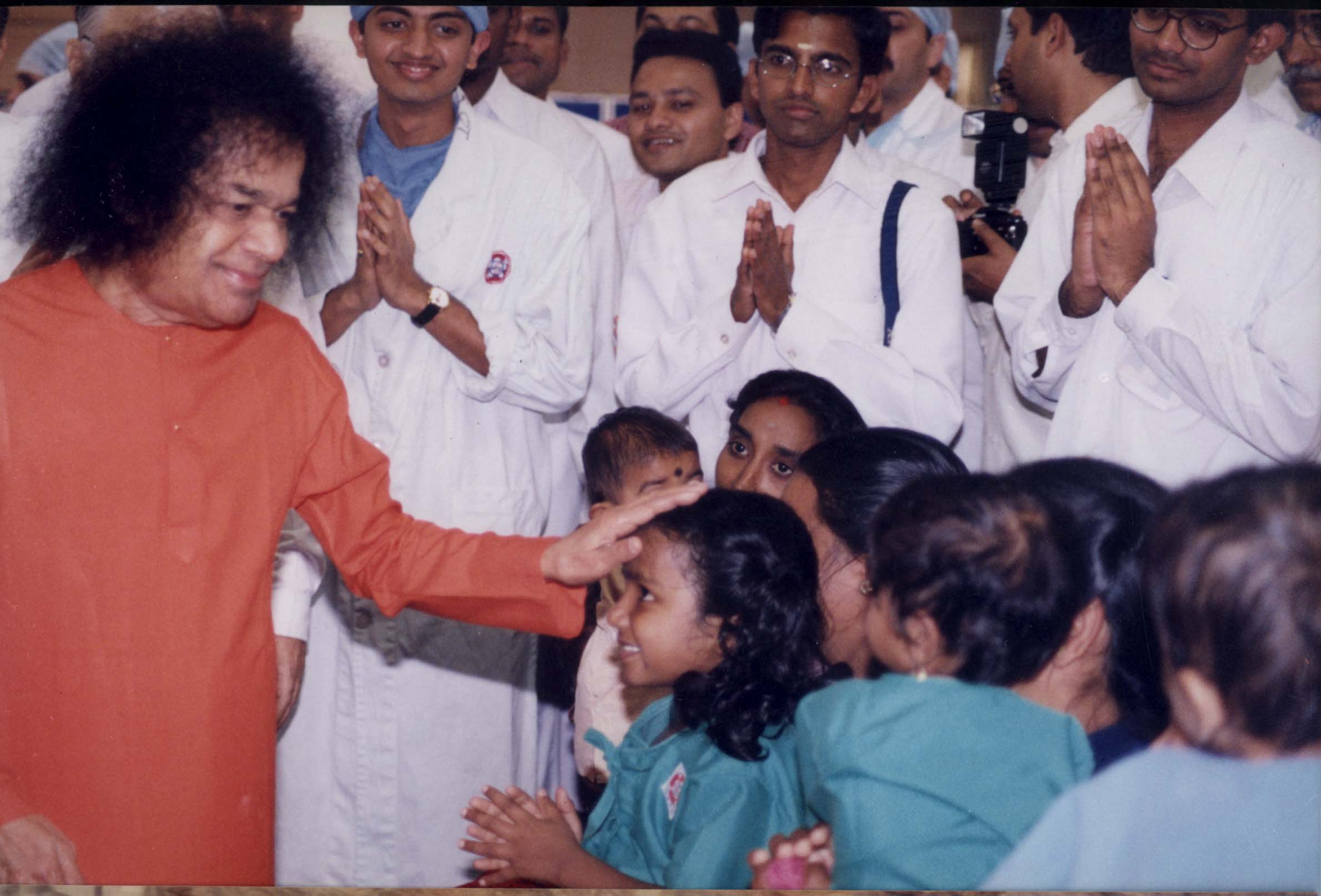
The Laboratory at Work