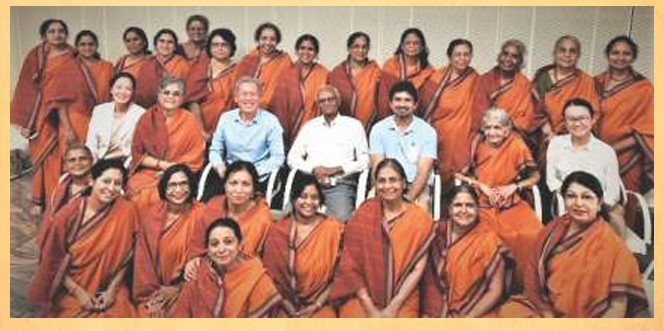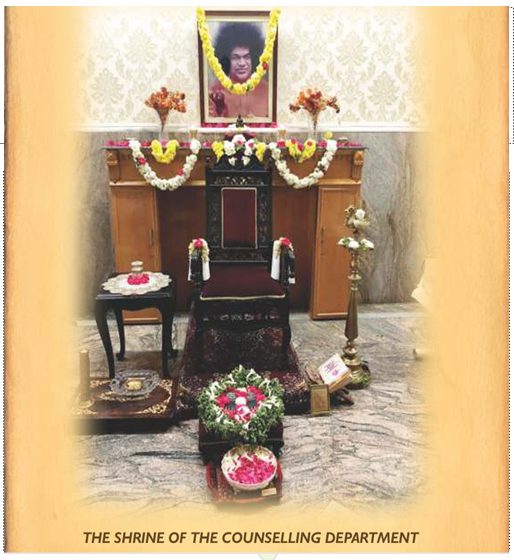
The First Spirituality-Based Counselling Department in India
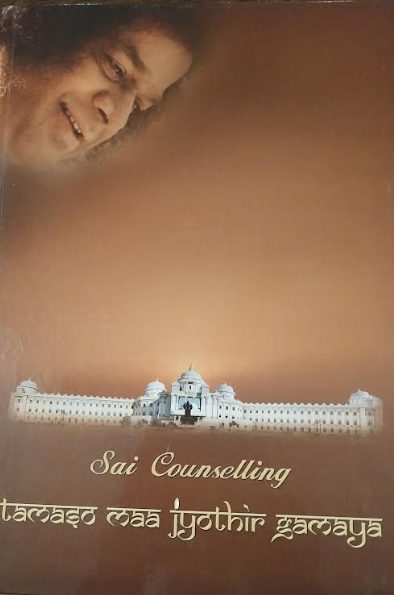
The SSSIHMS, Whitefield, is the first medical institution to have a full-fledged spirituality based patient counselling department, which is an integral part of the hospital treatment process. The body-mind-spirit connection in medical care is well recognised by modern medicine and also endorsed by WHO. SAI Counselling addresses the emotional needs of patients through body relaxation and mind-conditioning, and fosters the inherent spirituality in them through praying to the “God of their Choice” thereby complementing the primary medical role of the doctors, nurses, physiotherapists, dietitians and other medical staff in treating the patients’ illness. Aspiring counsellors after passing through a careful screening and selection process undergo a rigorous training program based on the teachings of Bhagawan Sri Sathya Sai Baba and the person centred approach methodology of Carl Rogers. In its first 23 years the department counselled about 50,000 patients.
"Counselling the Sai Way" — Spirituality Awareness Integration in Counselling
“Counselling the SAI Way” — Spirituality Awareness Integration in Counselling” — addresses the spiritual dimension of patients using as a therapeutic framework the well-established Person Centred Approach of Carl Rogers and the emerging Spirituality in Human Existential Well Being counselling methodology of Mia Leijssen.
Interwoven closely into this framework is Sri Sathya Sai Baba’s humane secular philosophy based on the primacy of the five cardinal and innate human values — Sathya, Dharma, Shanti, Prema, Ahimsa — and advocating prayer to the God of your Choice, which constitute the bedrock of SAI Counselling founded on the supremacy of Love and the omnipresence of God.
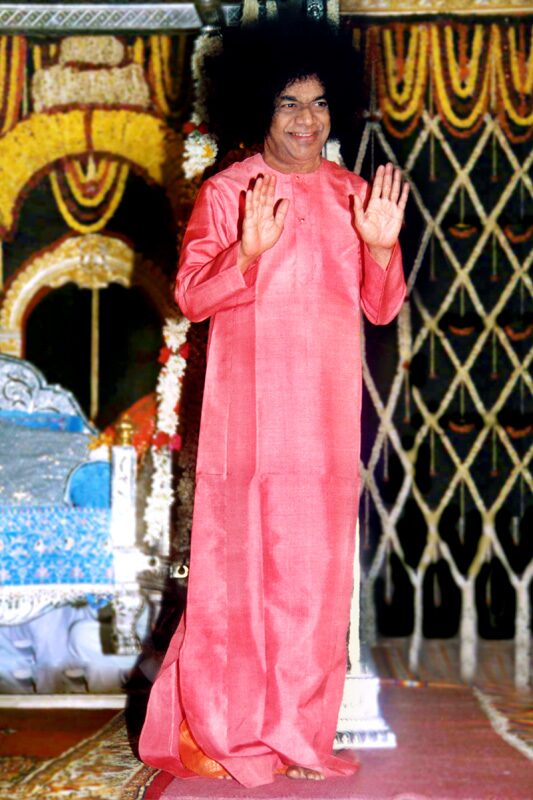
There is only one caste, the caste of humanity. There is only one religion, the religion of love. There is only one language, the language of the heart. There is only one God, He is omnipresent.
Inner Transformation as the Path to Healing
SAI Counselling is complementary to normal hospital medical care and focussed on inner transformation, common to both Sai and Rogerian philosophies, in the patients to help achieve healing. SAI Counselling provides emotional support and spiritual care not only to inpatients suffering from serious cardiac and neurological illnesses necessitating major surgical interventions, but also to a considerable number of outpatients referred by the neurologists for stress management in stress related illnesses.
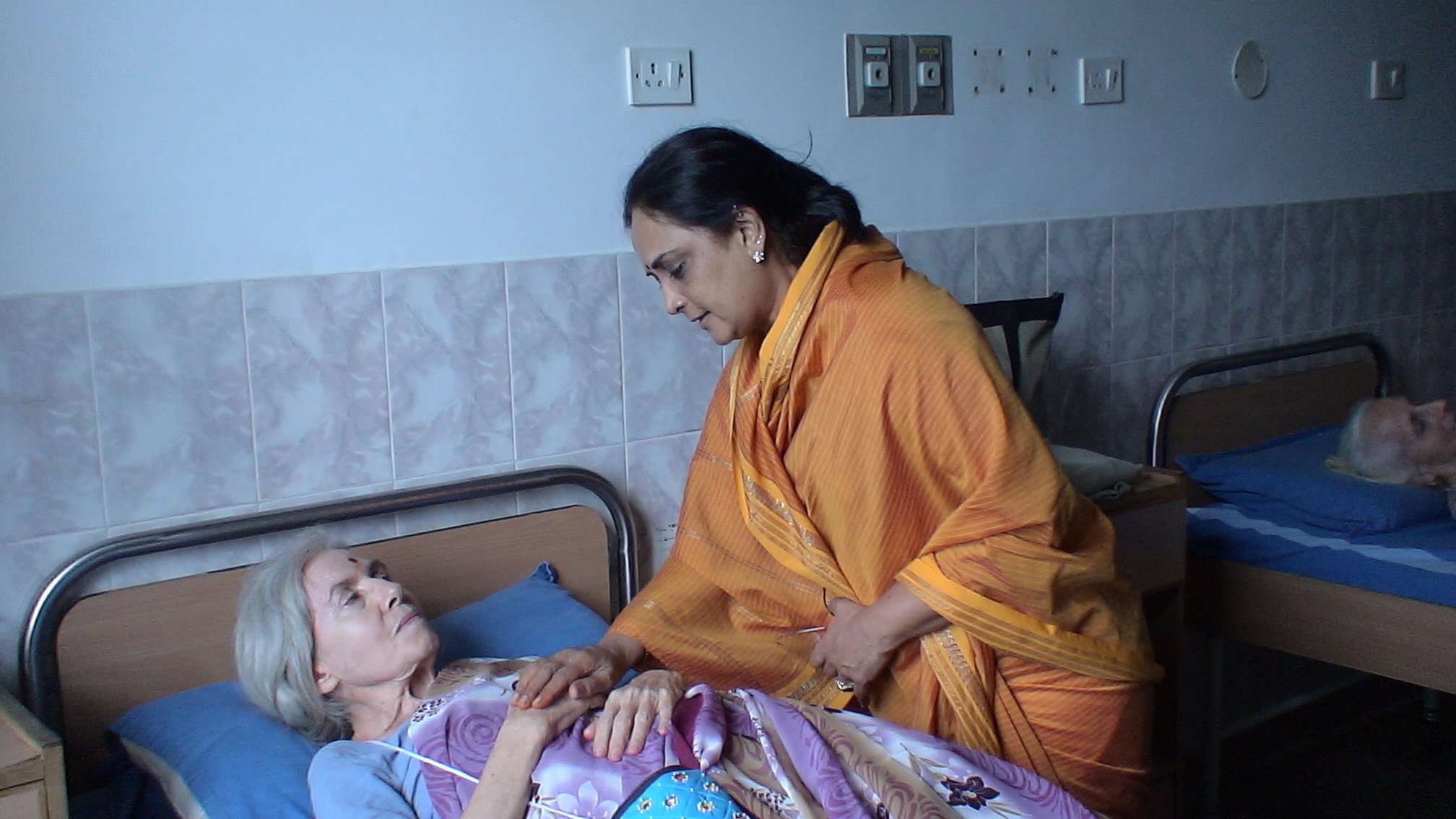
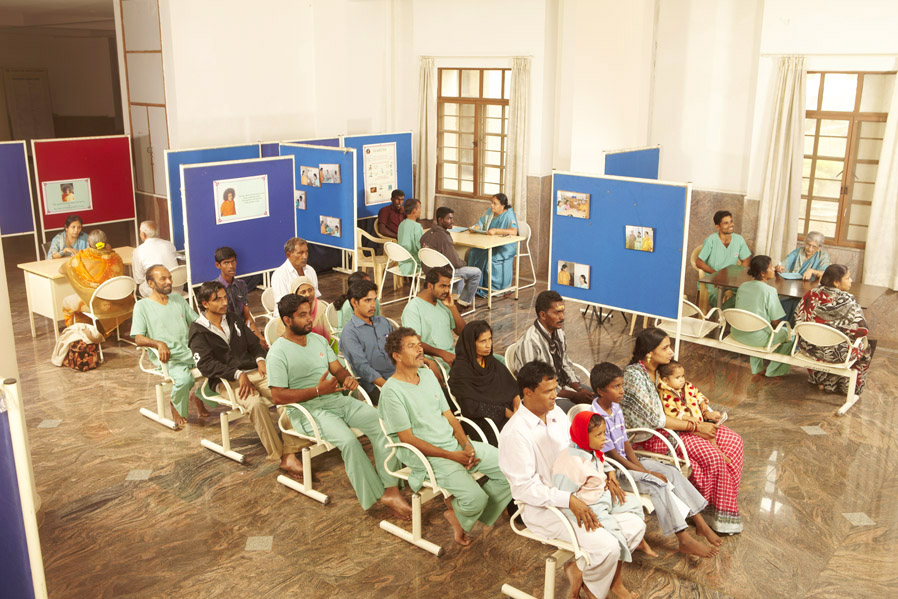
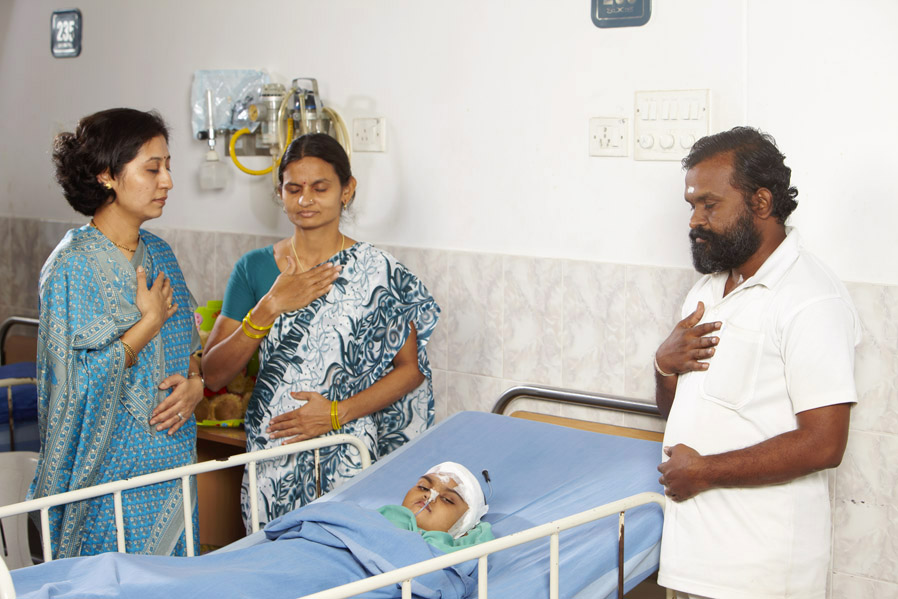
Patients admitted are counselled before surgery, post-surgery and before discharge, whereas for outpatients it is of a much shorter duration. A psycho-spiritual patient profile is maintained for every patient. A noteworthy feature is that counselling is provided for the patient as well as for the care-giver.
Extensive clinical experience — over forty thousand patients counselled since inception in 2001 — indicates significant benefits for patients.
Facilitating Inner Transformation
A three-stage process used with patients and caregivers.
1 · Body Relaxation
Slow, deep abdominal breathing, and consciously relaxing the whole body from the toes to the head.
2 · Mind Cleansing
The breath links the relaxed body and mind. Outer felt senses fade as negative thoughts and feelings are expelled, and awareness of inner strength begins.
3 · Introspection — Mind Conditioning
The focus shifts to prayer and surrender to the “God of Your Choice”, and the patient begins to experience latent, innate inner strength, love and peace.
Tools of SAI Counselling
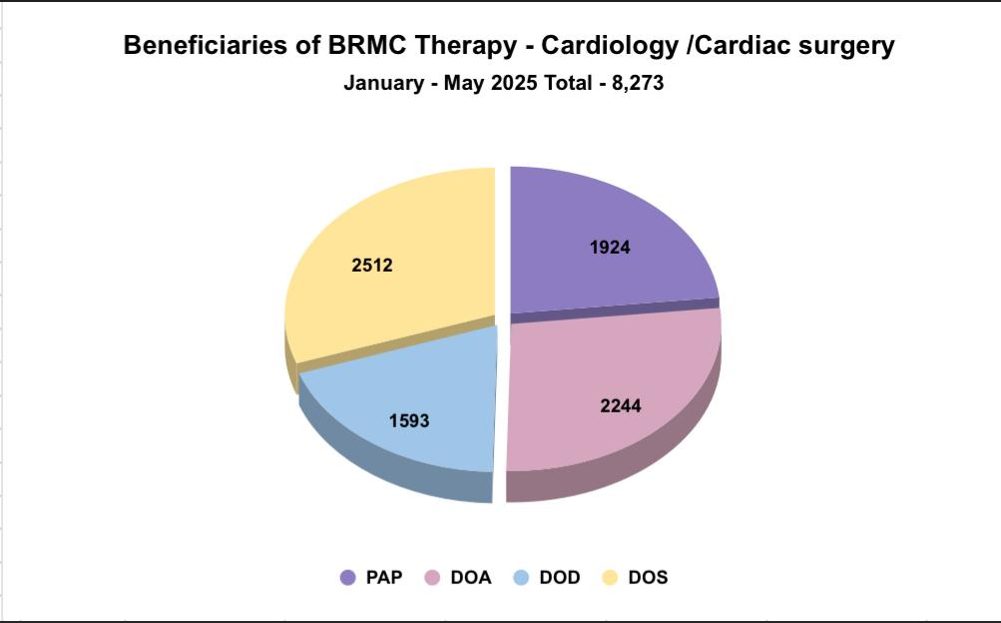
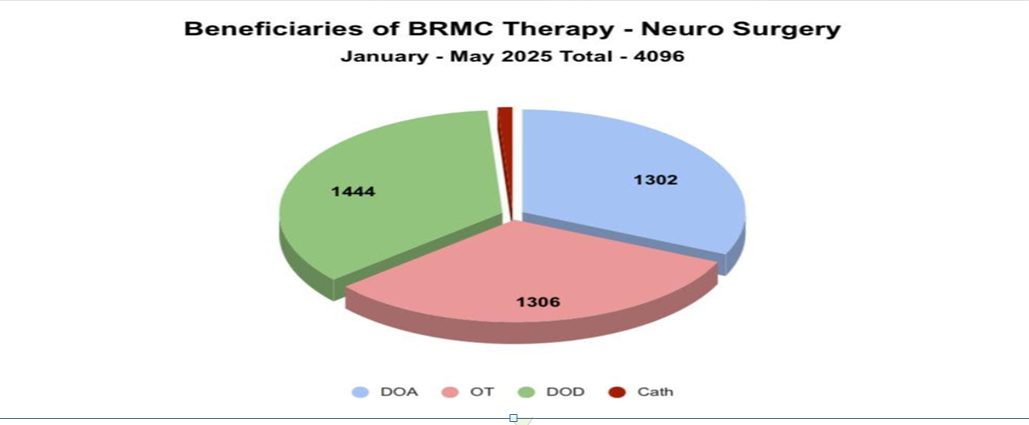
Beneficiaries of BRMC Therapy, January–May 2025
Charts prepared by Counsellor Radhika Yadalam.
Rooted in Research, Recognised Abroad
The Academic Model
- Carl Rogers’ Person-Centred Therapy and its core conditions — psychological contact, client incongruence, the therapist’s unconditional positive regard and empathic understanding, and the client’s perception of both
- Kolb’s four learning styles — experience, observation and reflection, development of ideas, testing ideas in practice
- Influences from Dr. Herbert Benson (Timeless Healing; The Relaxation Response) and Dr. Laurence A. Savett (The Human Side of Medicine)
Mentor — Dr. Mia Leijssen
Emeritus professor in the Faculty of Psychology and Educational Sciences, KU Leuven, Belgium, and a globally recognised expert in Person-Centred Counselling and Human Existential Well-Being Counselling — a mentor, friend, philosopher and guide who has supported the development of the SAI Counselling programme.
International Presentations
- Global person-centred international conference, University of East Anglia, Norwich, UK, 2008
- Mayo Clinic Spiritual Care Research Conference, 2010 — “We can learn much from what they are doing at their hospital in India.” “Great example of a refreshingly different model of spiritual care.”
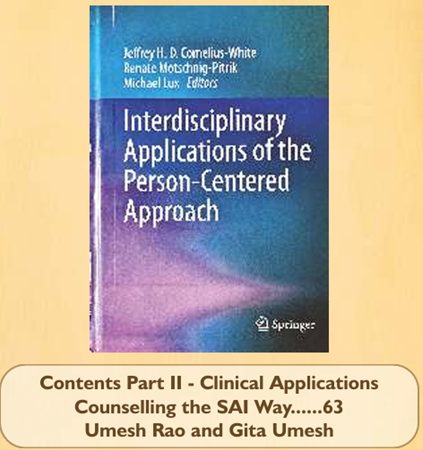
- Chapter “Counselling the SAI Way” by Umesh Rao and Gita Umesh in Interdisciplinary Applications of the Person-Centered Approach (Springer)
INSEAD Research Study
INSEAD, the business school, has conducted a research study at the hospital led by Dr. Quy Huy and a four-member team — joining the Sunday meets at the hospital and online in 2021, and interviewing the counsellors. Dr. Huy noted: “The SAI Counselling program has been an impressive innovation in SSSIHMS.”
The Department’s Published Work
Presentation at Mayo Clinic, 2010
Presentation on SAI Counselling at Mayo Clinic by Mr. Umesh Rao, Advisor Counseling Department, and Mrs. Gita Umesh.
Open PDF →Duke University Research Conference
A video clip on SAI Counselling from a presentation that Dr. Krucoff, cardiologist from Duke University, had made at a research conference in Duke University in 2010.
Watch →AntharDhwani
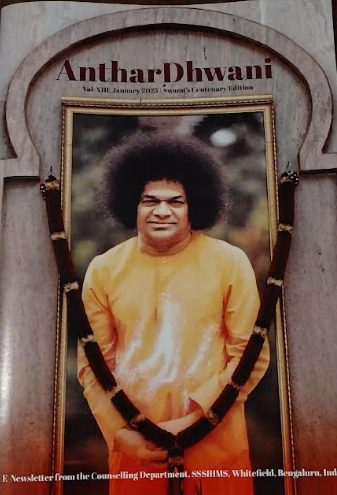
The newsletter of the Counselling Department — fifteen volumes since January 2019.
All issues →Counselling at the Bedside and in the Wards
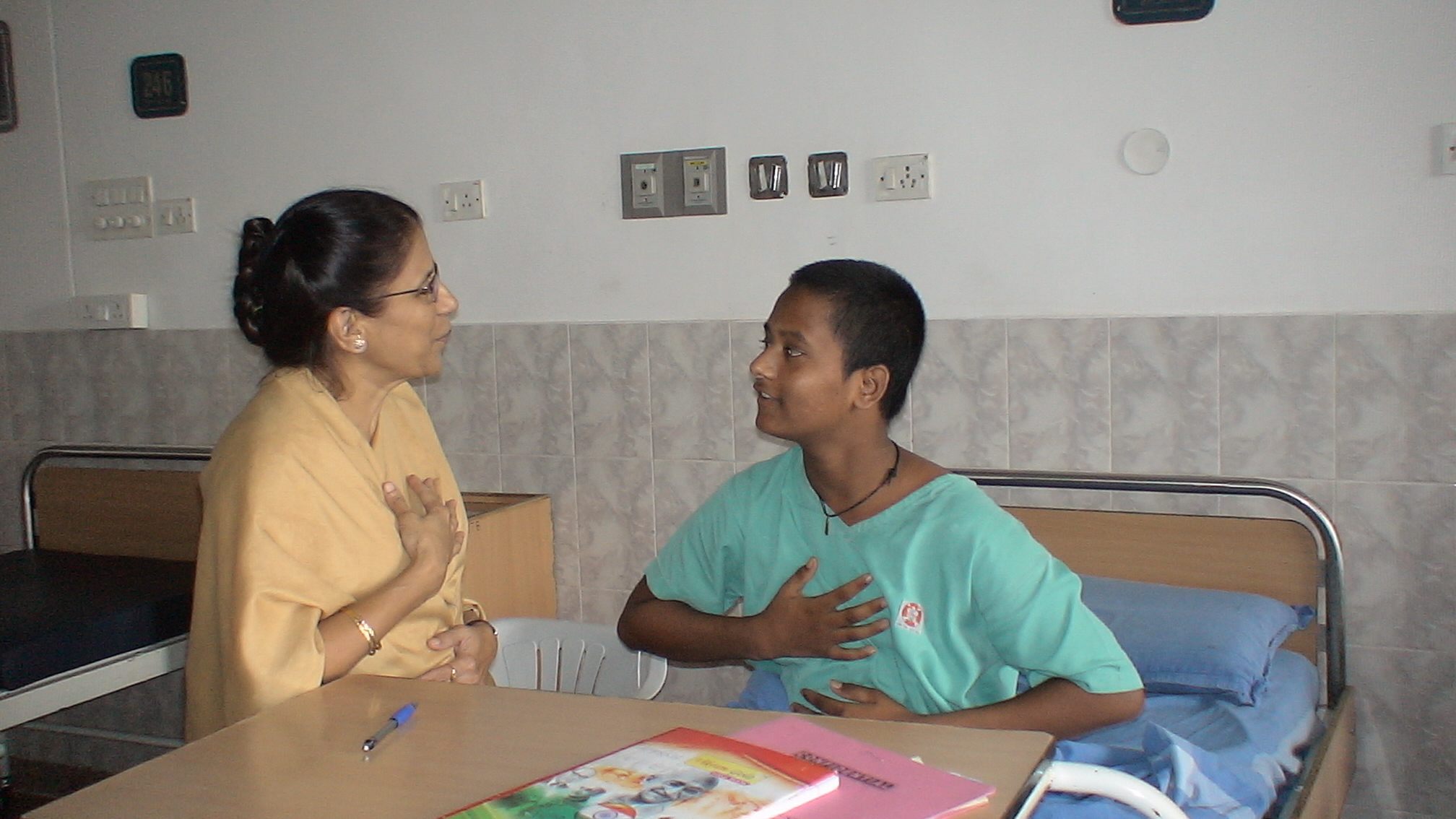
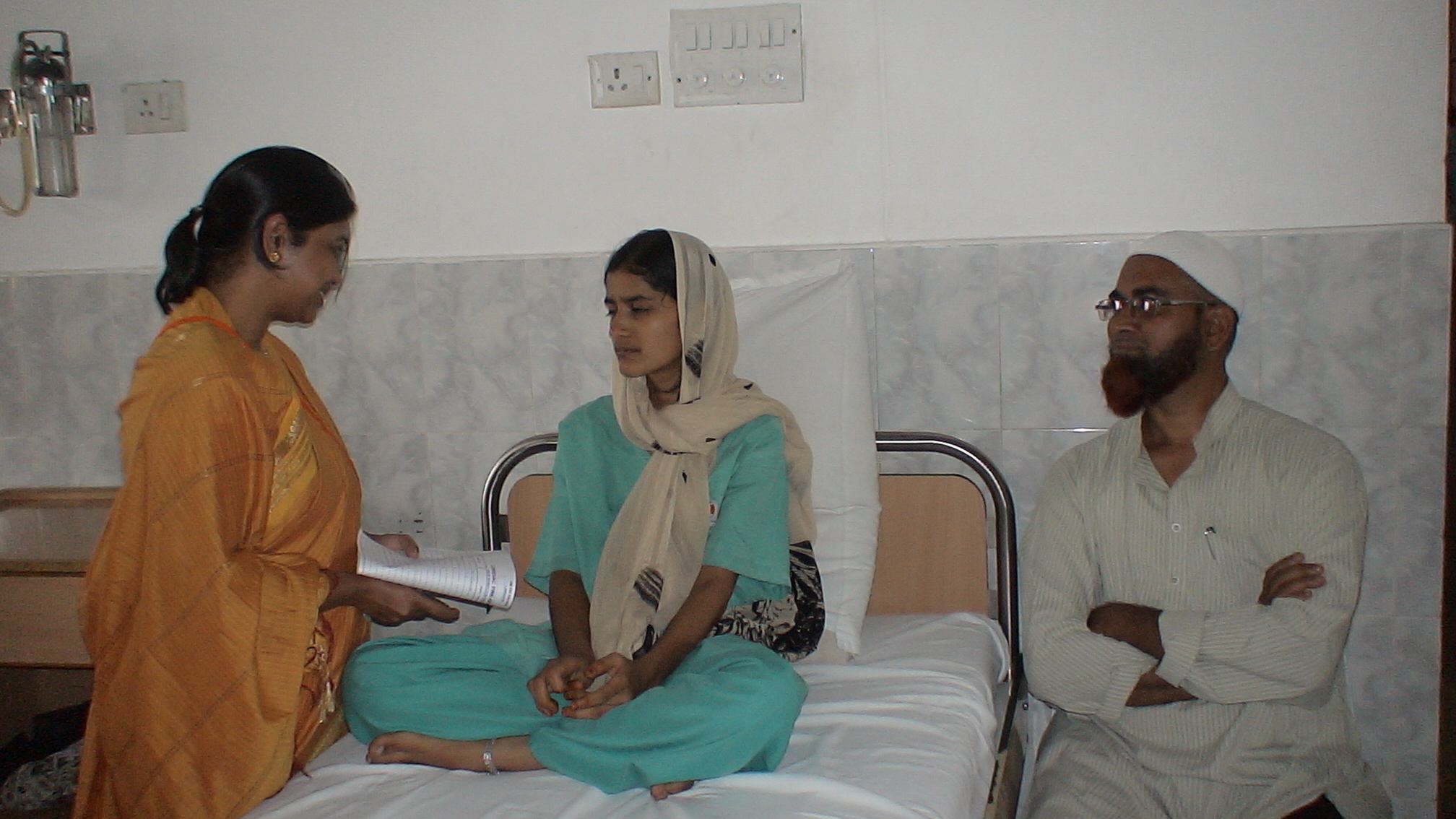
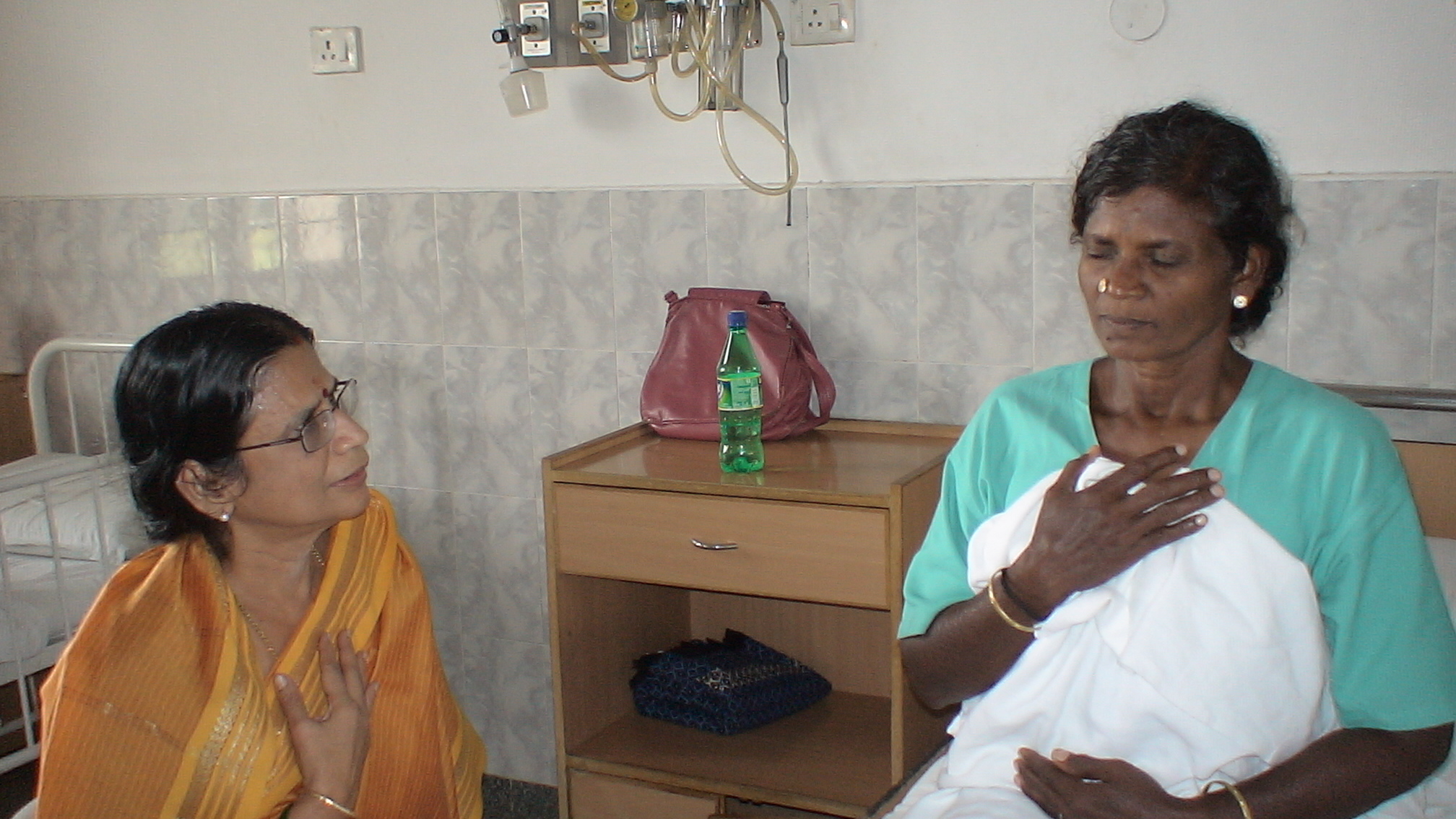
How SAI Counselling Began
Hridayam, 1976
Swami’s guiding philosophy at the General Hospital, given to Dr. M. B. Sunder Rao: “If the doctor is full of love and compassion, God works through him.”
Personal Guidance, 2001
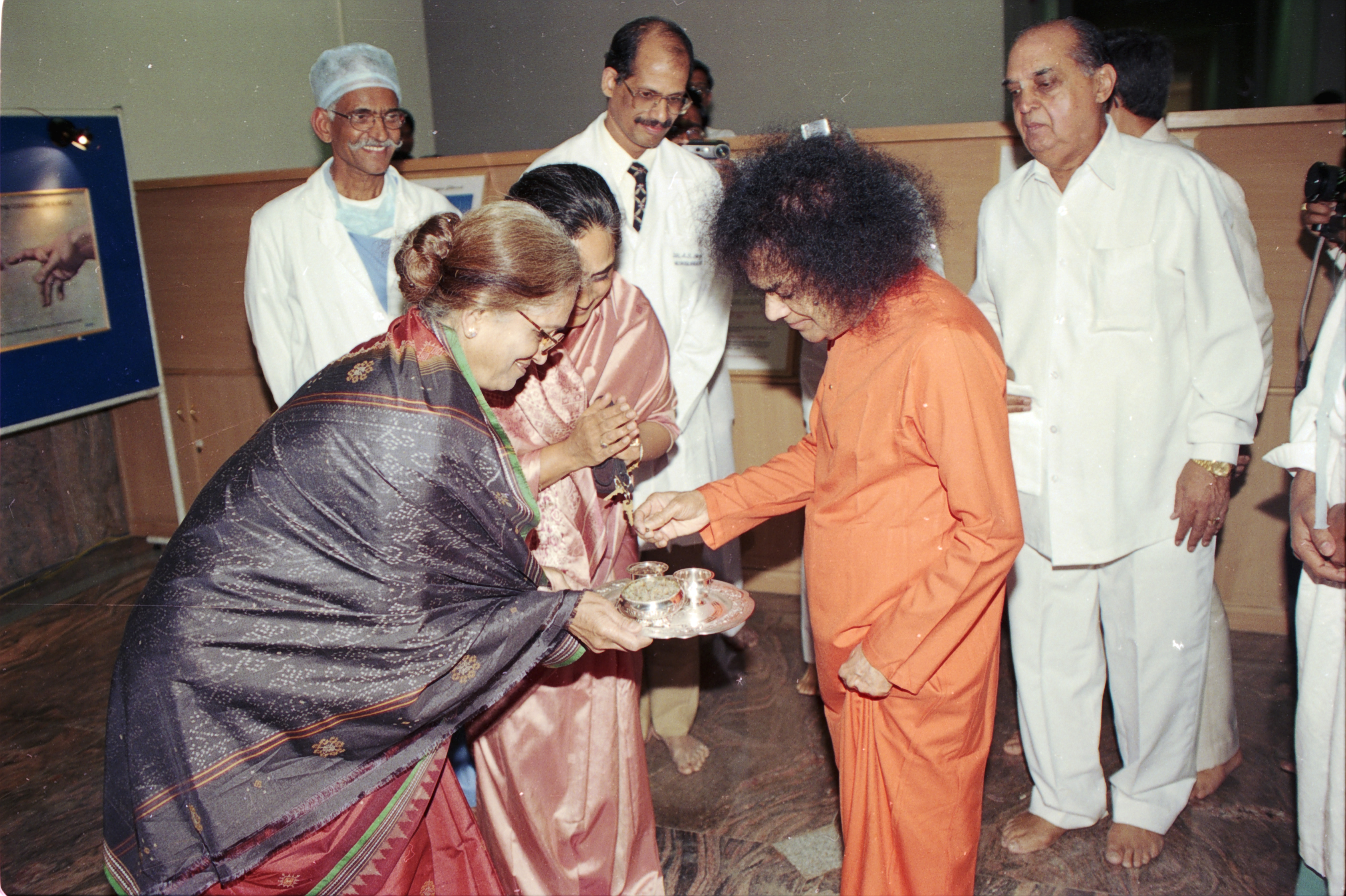
“Look upon patients as your own kith and kin, as your special guests and as your closest friends. Attend to them lovingly and with unflinching care.” — Baba. The department began in 2001, with no precedent to follow.
The Wider Team
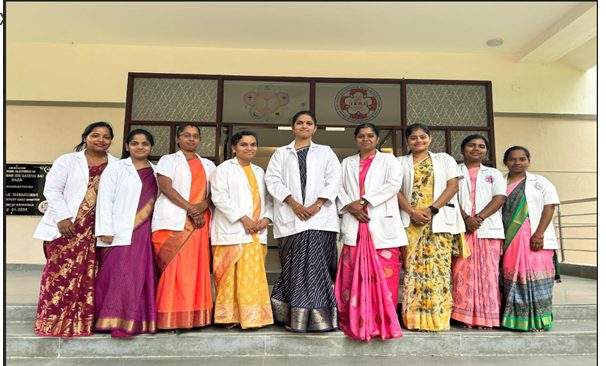
- Support from the nursing sisters and nursing interns
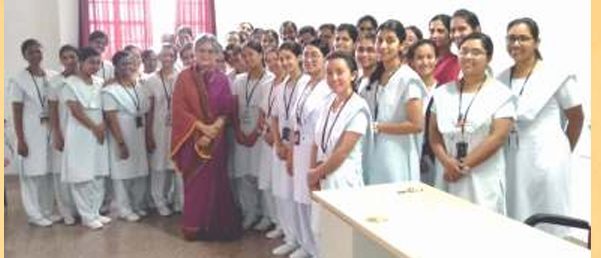
- Awareness training programmes for College of Nursing staff and students
- Quiet, prayerful atmosphere maintained in the cardiac and neurosurgery wards
With Gratitude
The SAI Counselling team thanks the Trustees, especially Sri R. J. Ratnakar and Sri G. S. R. C. V. Prasad, and the Directors of SSSIHMS Whitefield — Late Dr. A. N. Safaya, Dr. A. S. Hegde, Late Dr. Swarna Bharadhwaj, Dr. Shekhar Rao and Dr. D. C. Sundaresh — for their encouragement.