
Food That Is Medicine
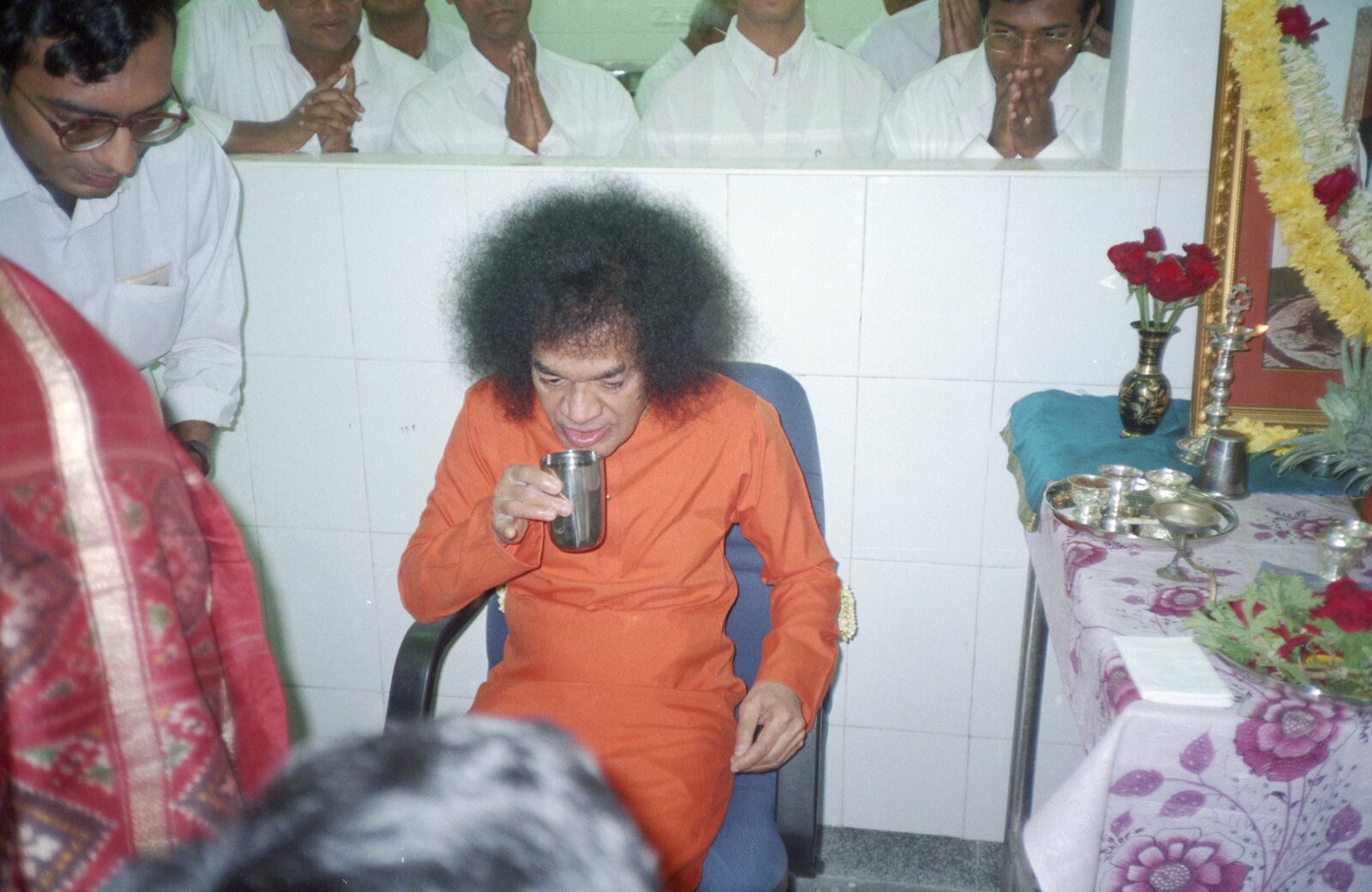
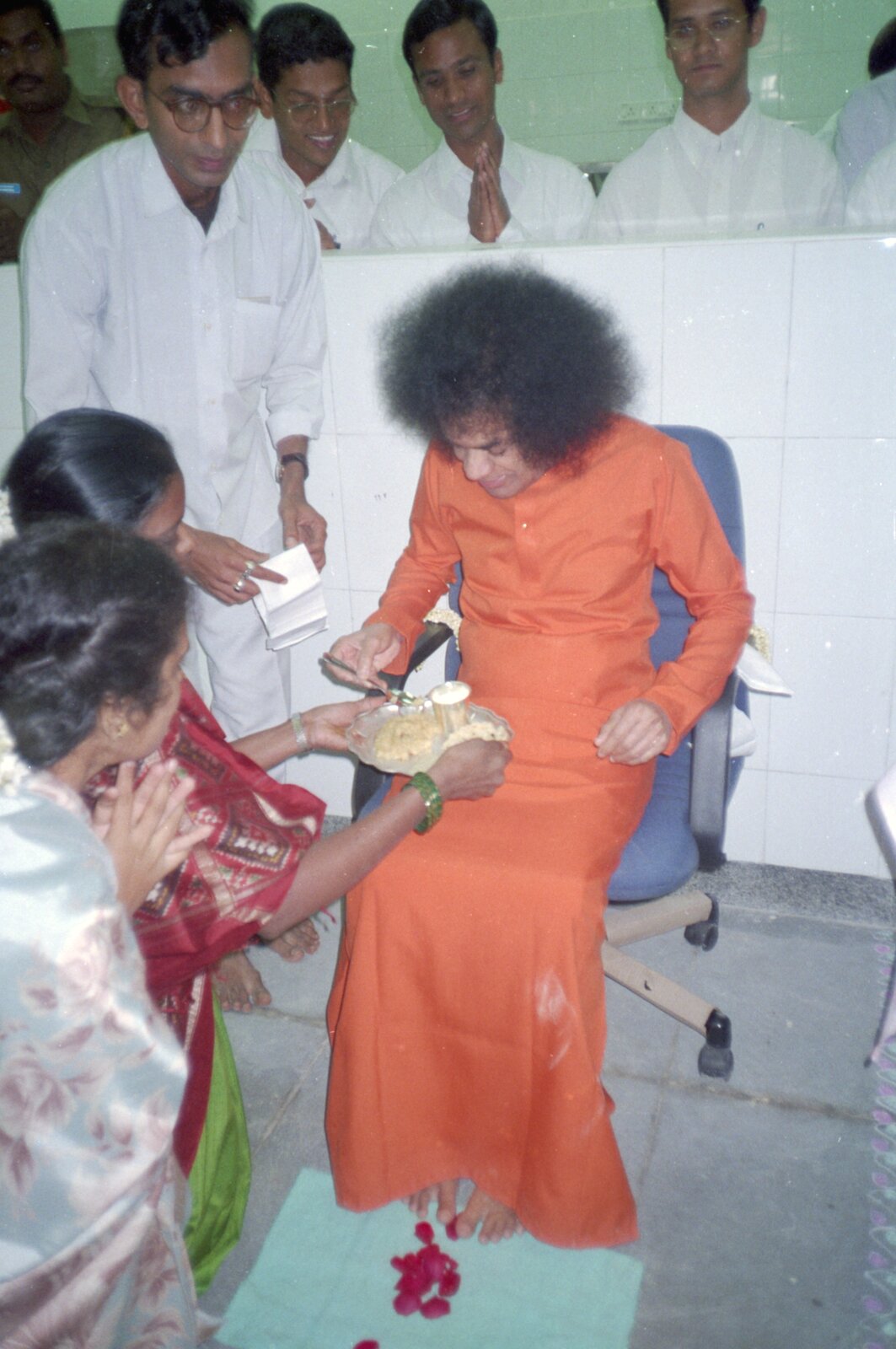
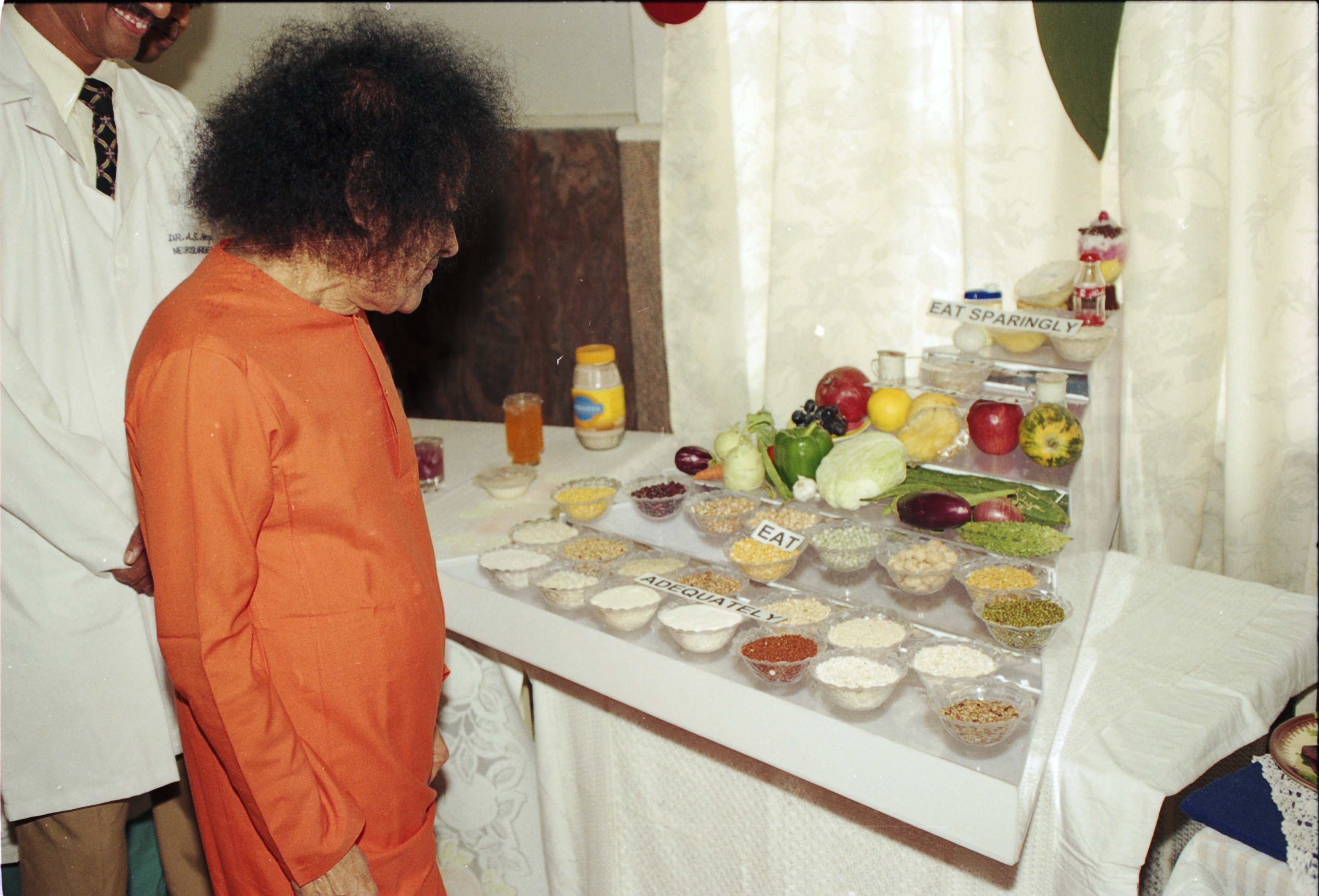
The Dietary department is the only department in the hospital inaugurated by our founder, Bhagawan Sri Sathya Sai Baba, on 21-Dec-2000. Bhagawan Himself laid the foundation for its work when He said that the food served to patients from this department will be medicine.
A Vision Rooted in Love and Service
This vision forms the foundation of every service rendered by the department. Food is not merely prepared to satisfy hunger; it is planned and served with the understanding that appropriate nutrition is an integral part of patient care and recovery.
As an essential support service of the hospital, the Dietary Department combines the principles of clinical nutrition with the spirit of Seva. Through thoughtful menu planning, careful food preparation and individualised dietary care, the qualified clinical nutritionists strive to ensure that every patient receives food suited to their nutritional needs and medical condition.
Nourishment Throughout the Day
Adequate nutrition is an important component of patient care. The Dietary Department ensures the provision of regular meals and appropriate nutritional support to all admitted patients throughout the day.
Three Main Meals
Three main meals are served every day to all admitted patients.
Snacks
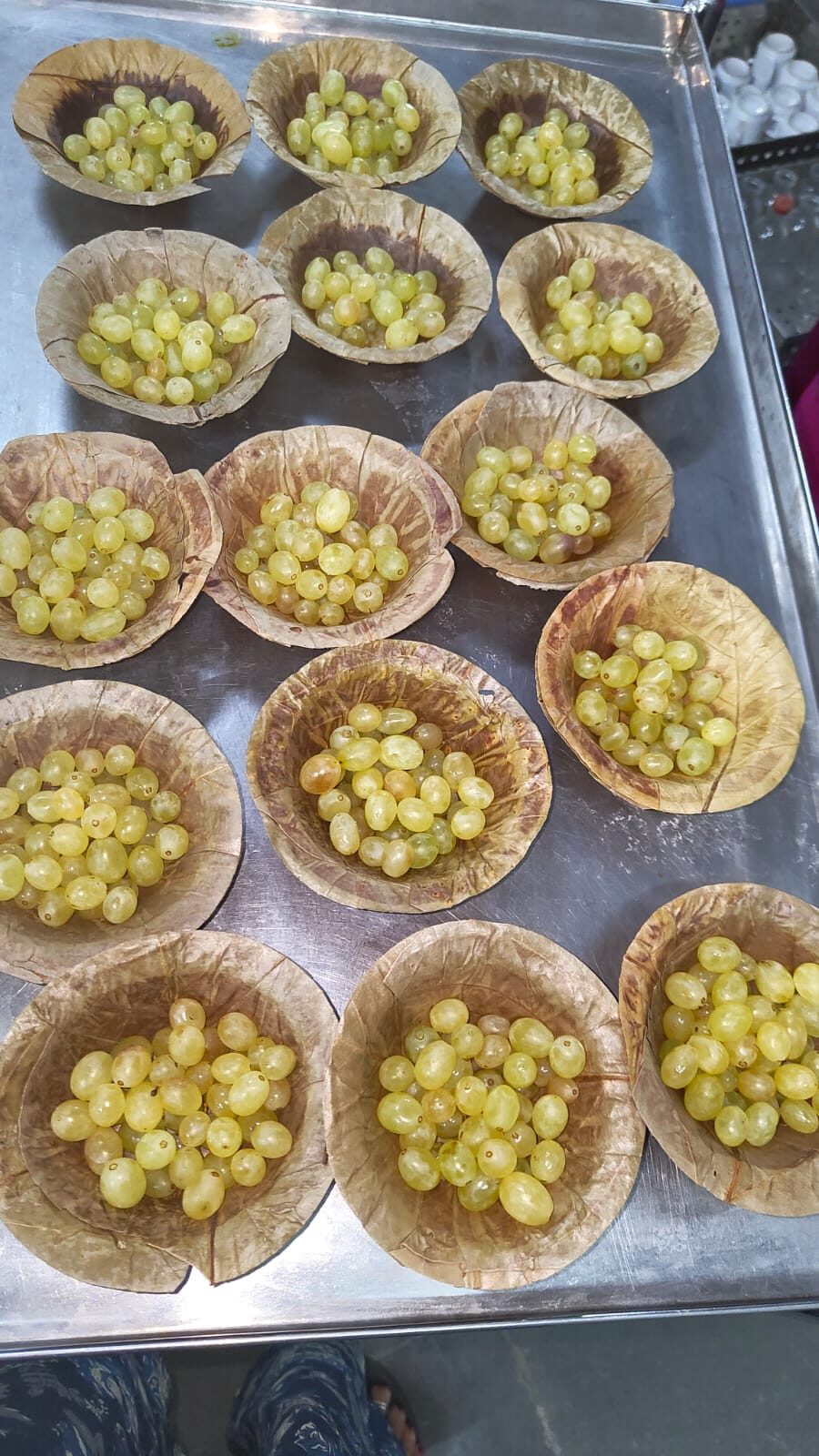
Mid-morning and evening snacks between the main meals.
Night-time Milk
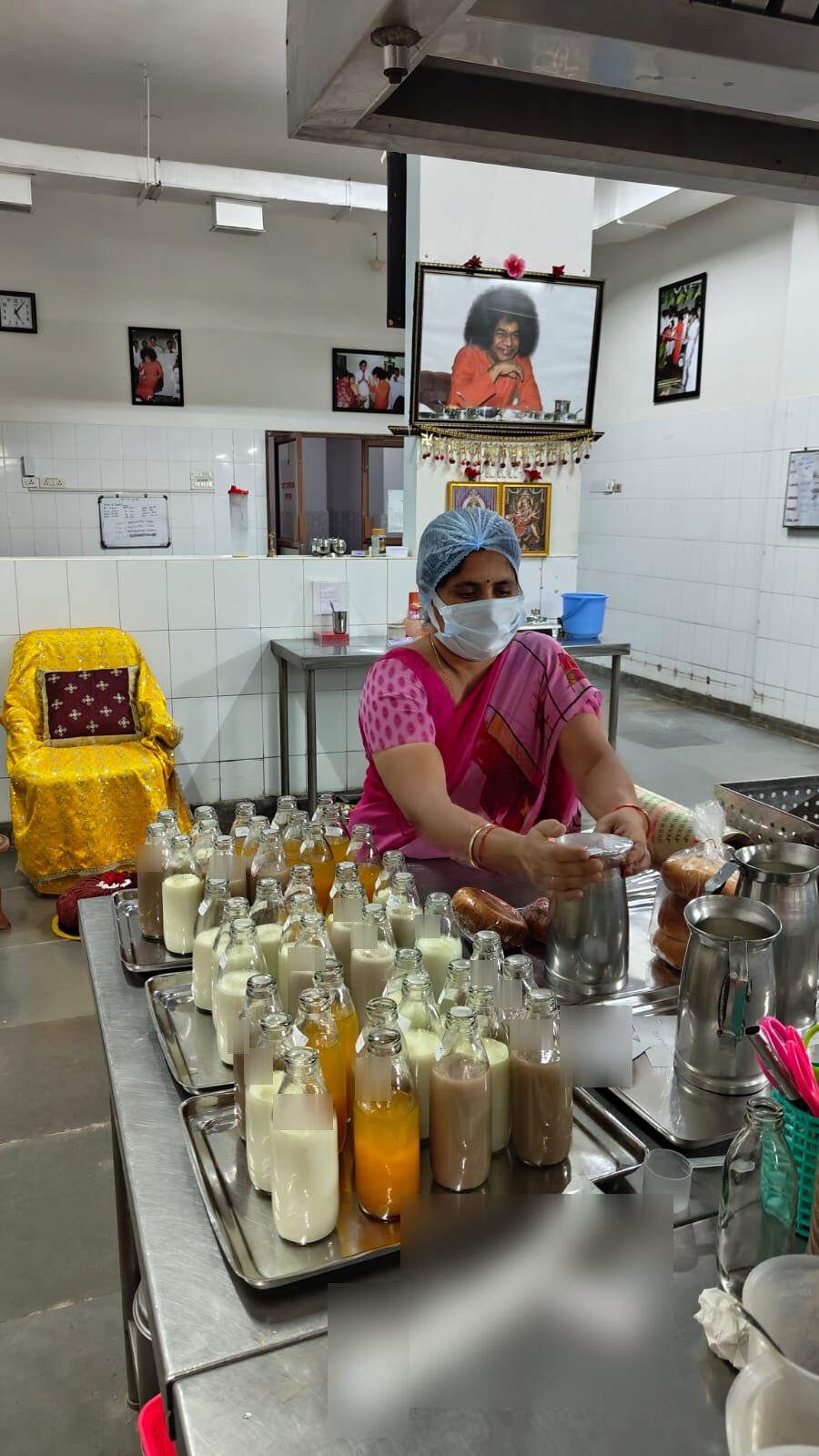
Milk with buns and biscuits at night.
Nutritional Supplements
All types of nutritional supplements are also provided, free of cost.
Linked to the HMIS
The department is linked online to the hospital management information system, and each patient’s diet order is coordinated through it.
For Attendants of Children
Food is also provided for the attendants of paediatric patients. Other attendants can use the campus canteen — see Facilities.
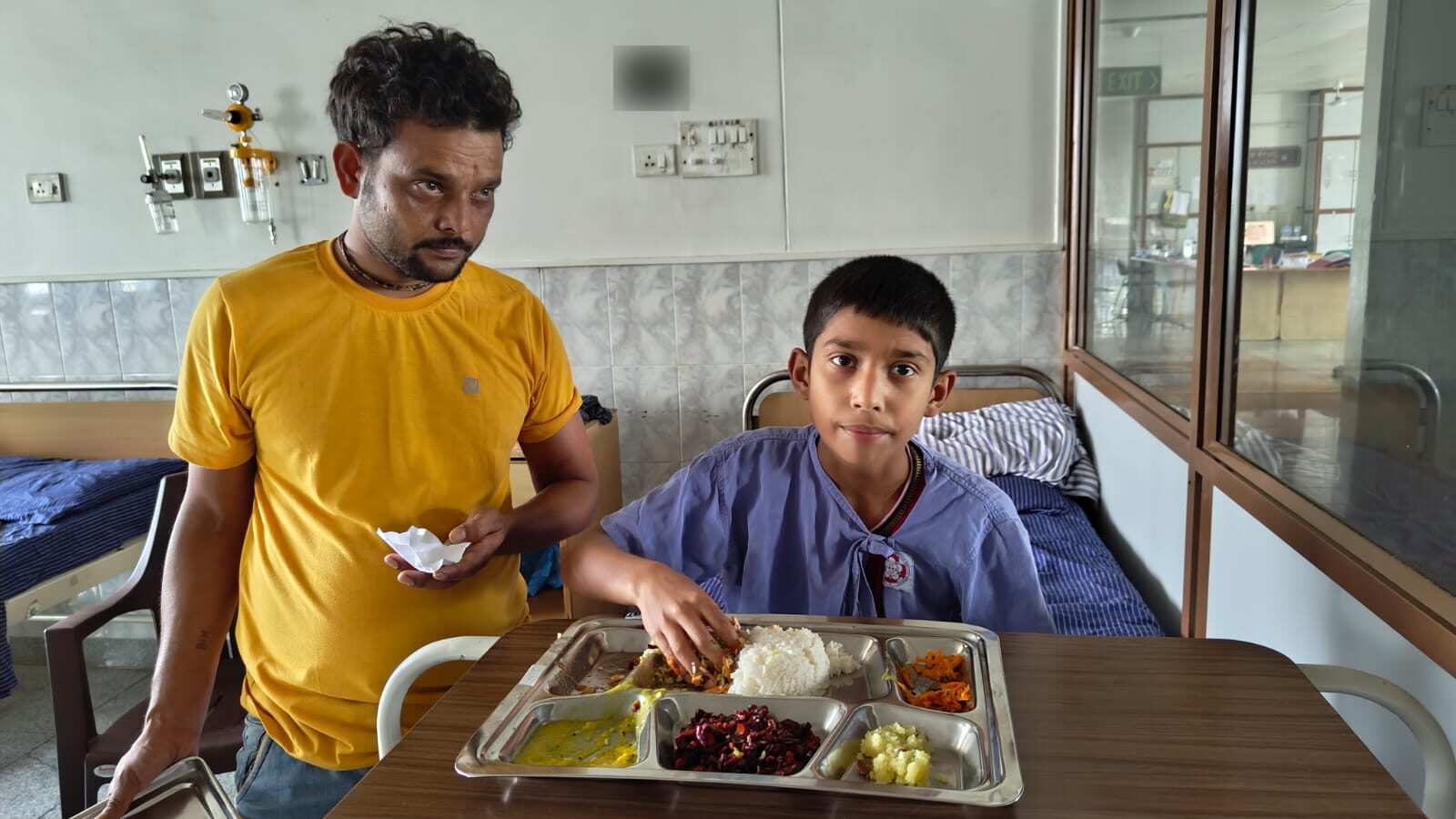
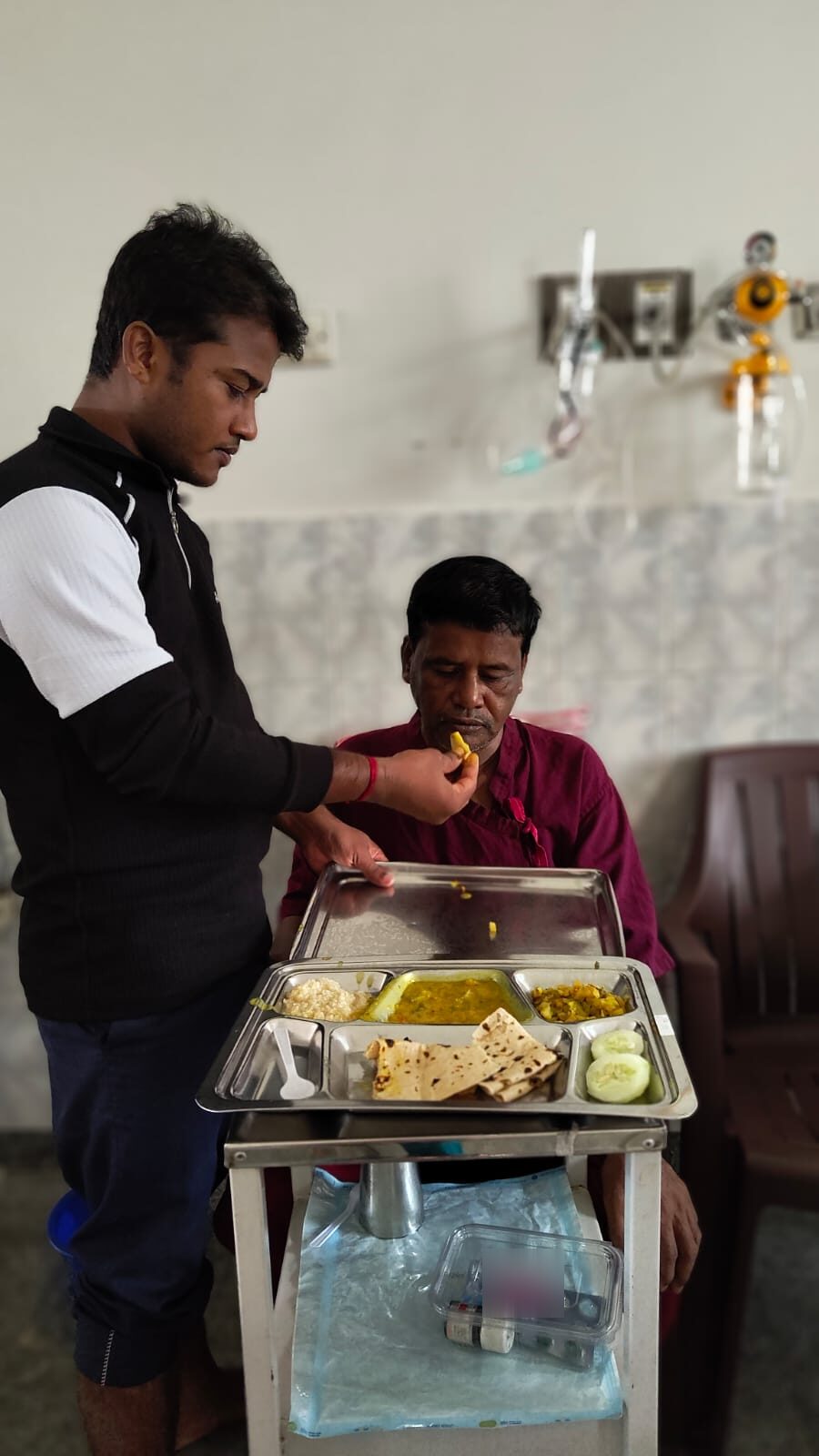
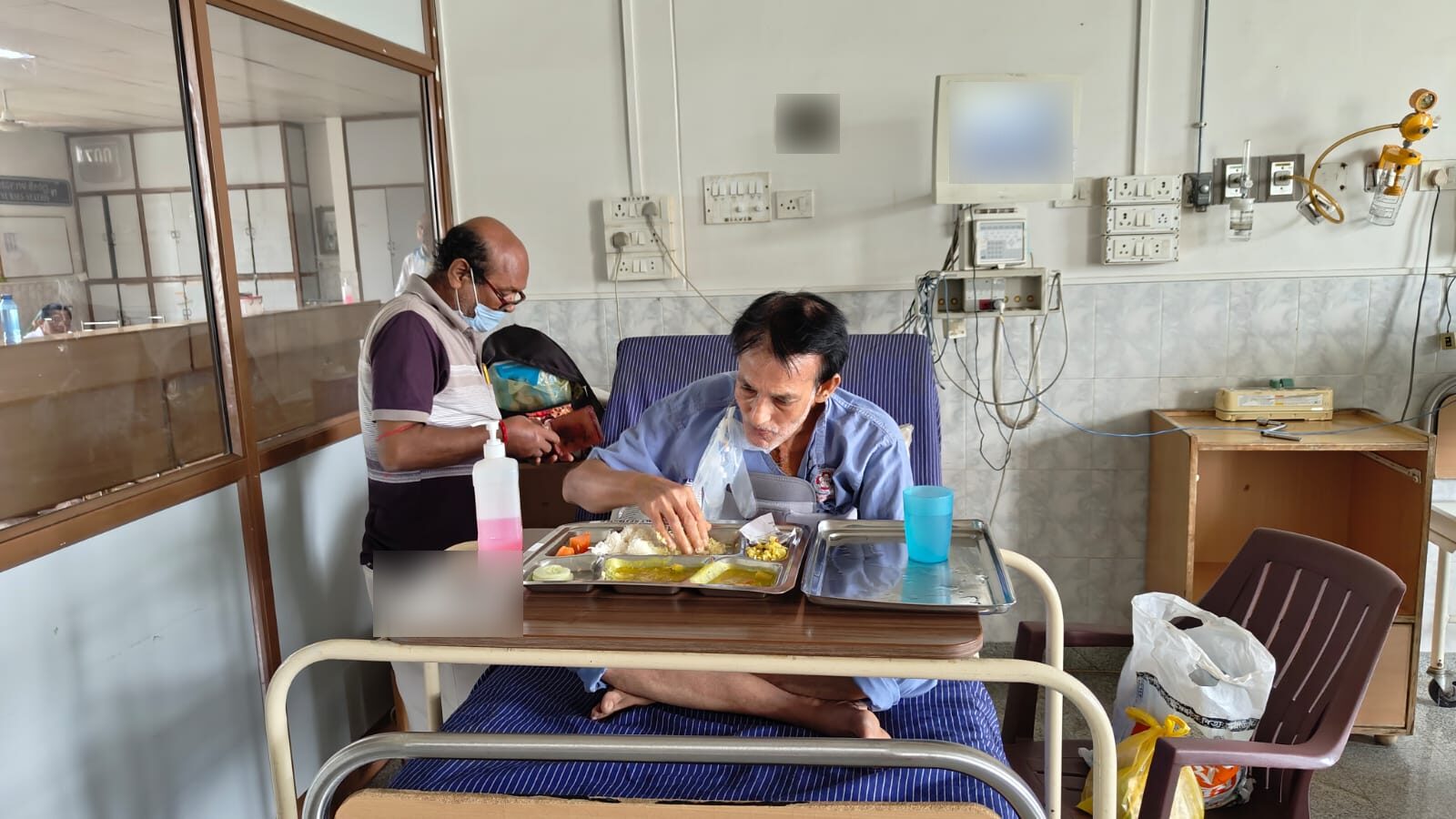
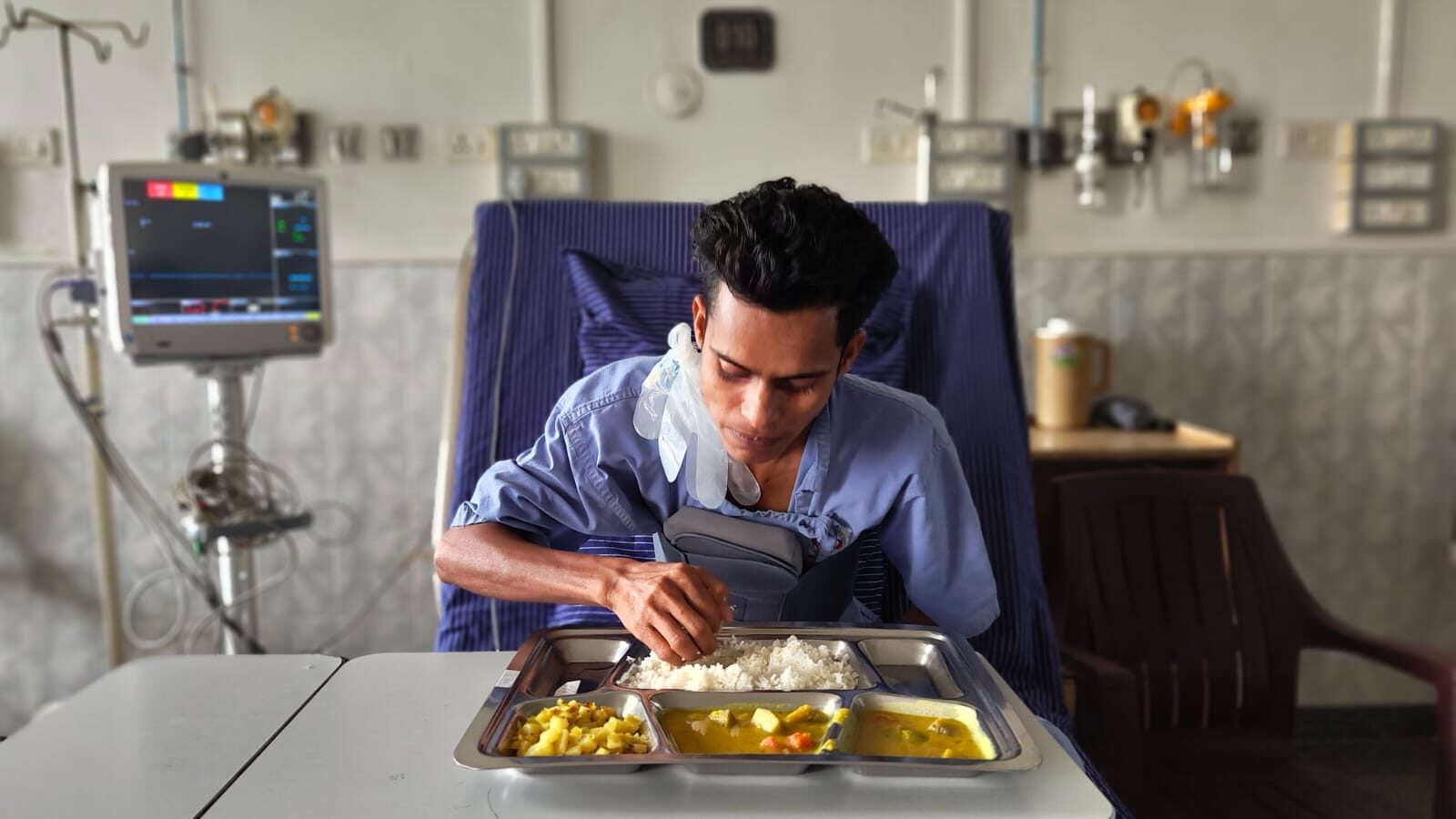
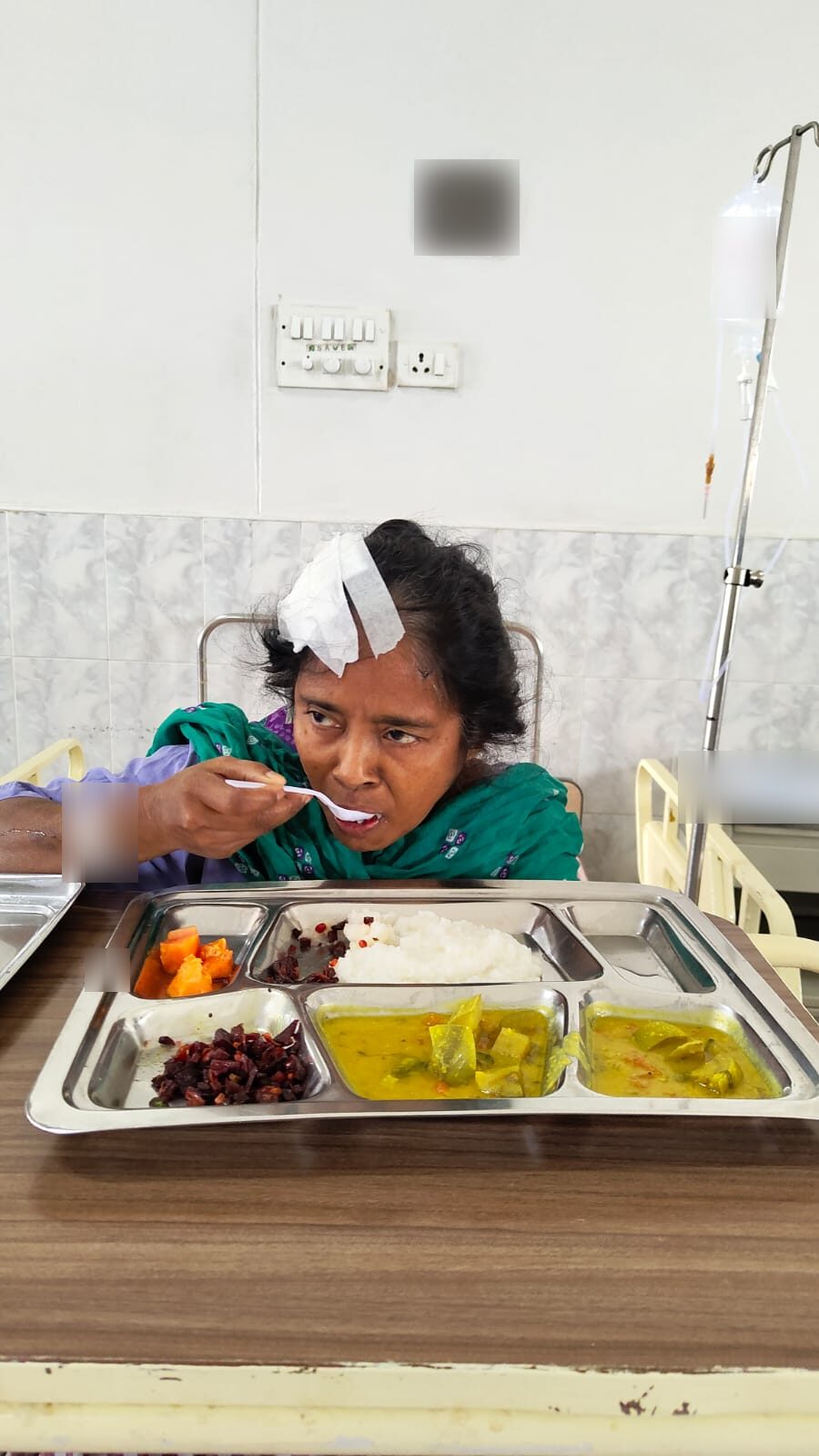
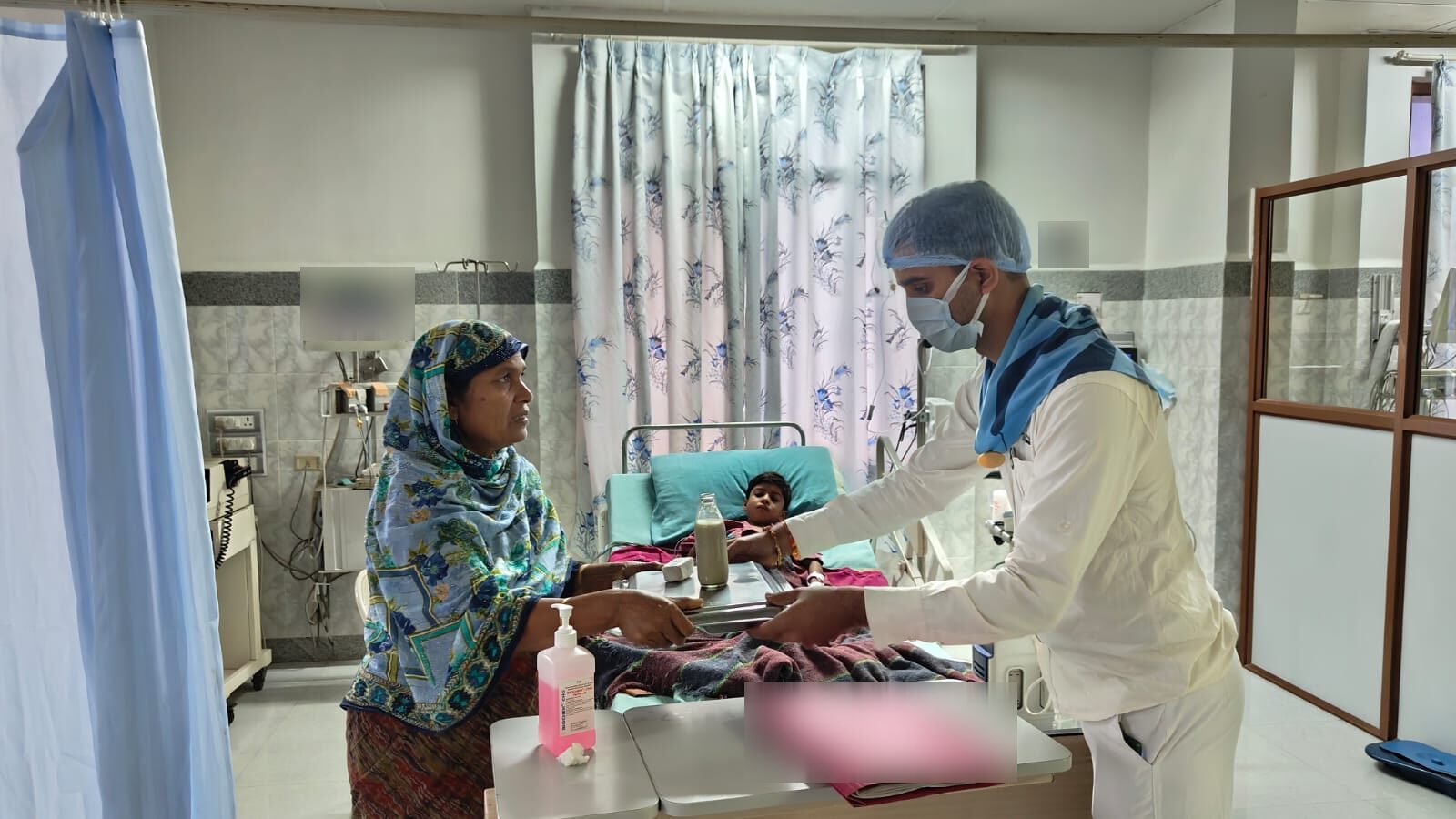
From menu planning to the delivery of meals at the bedside, every stage of the service is carried out with attention to hygiene, quality, timeliness and patient-specific requirements.
Clinical Nutrition & Therapeutic Diets
Individualised Diets for Clinical Care
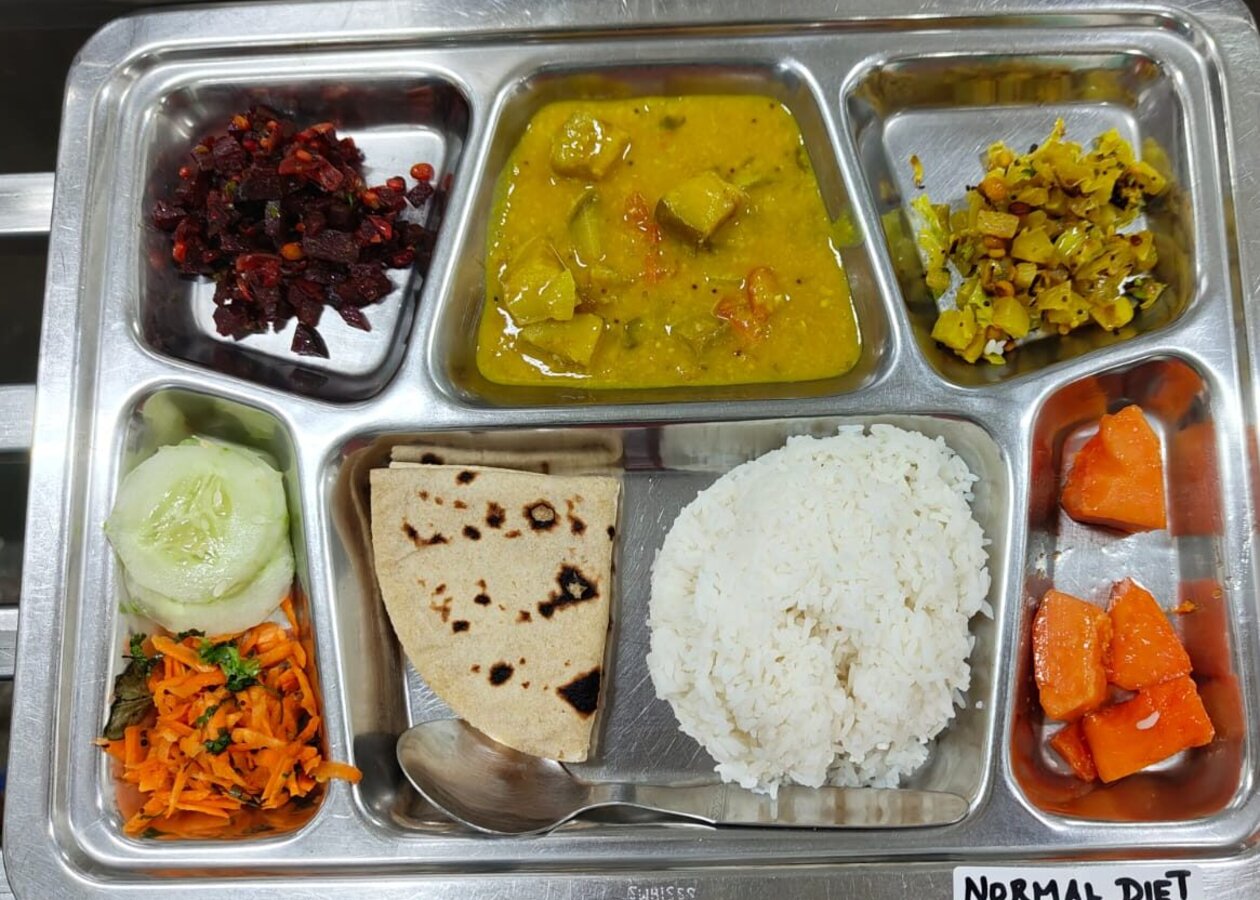
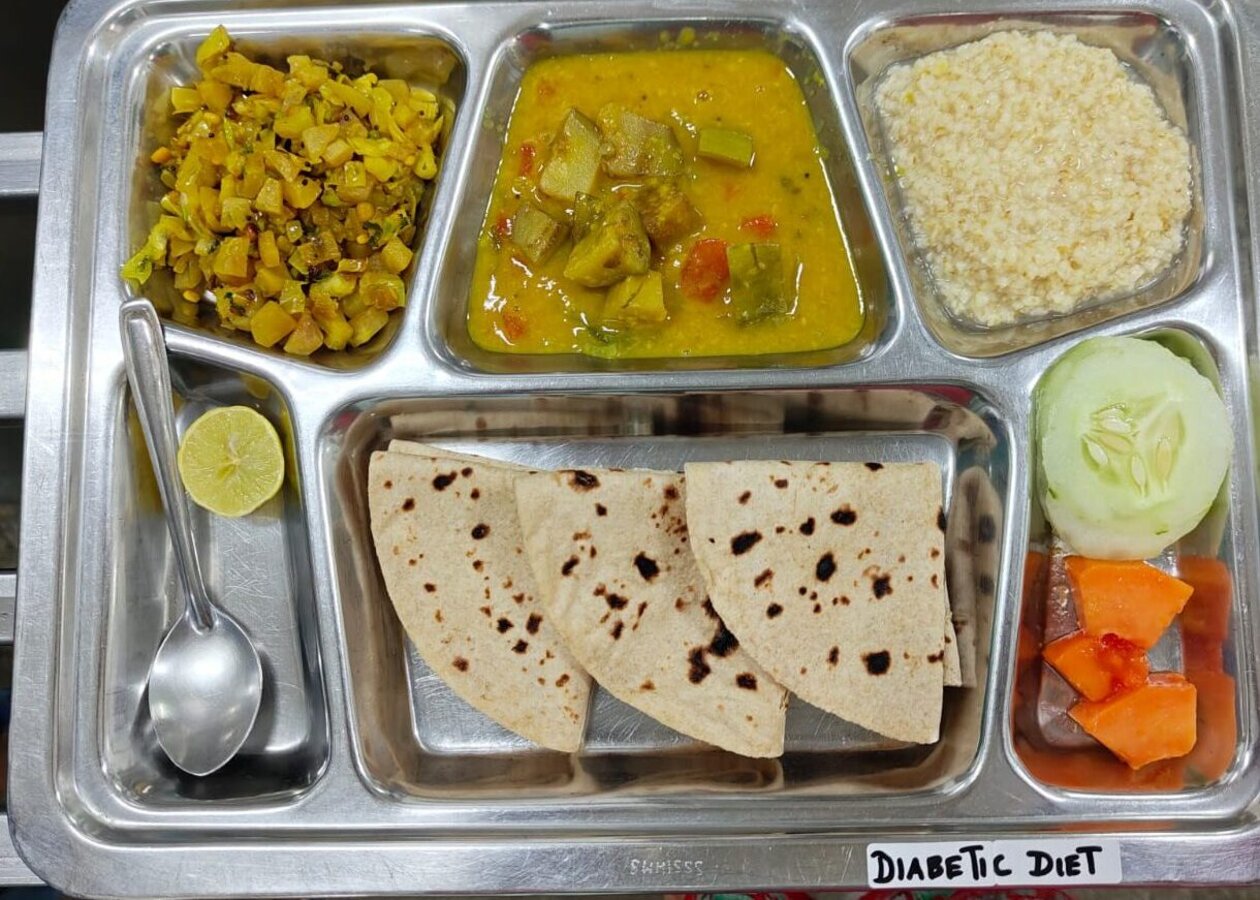
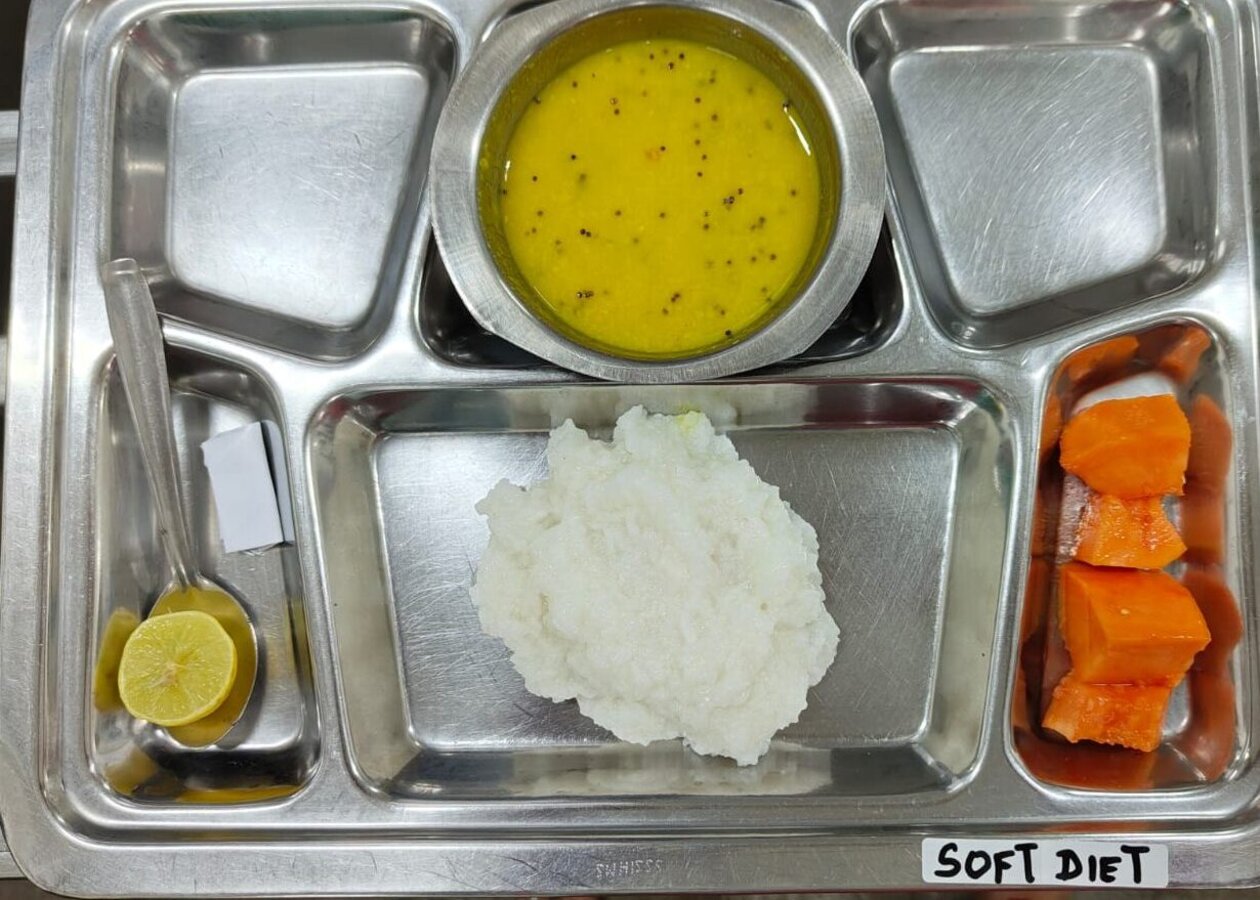
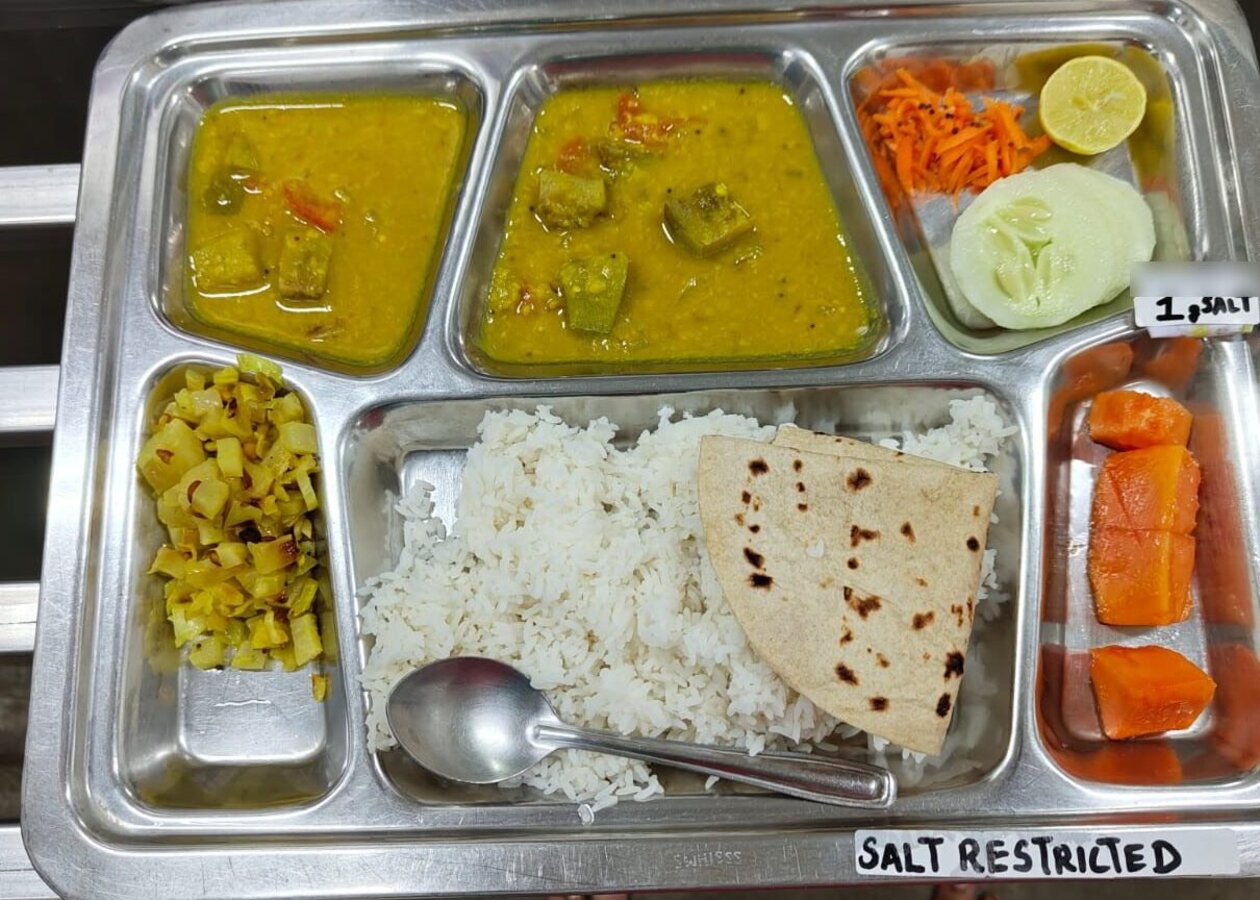
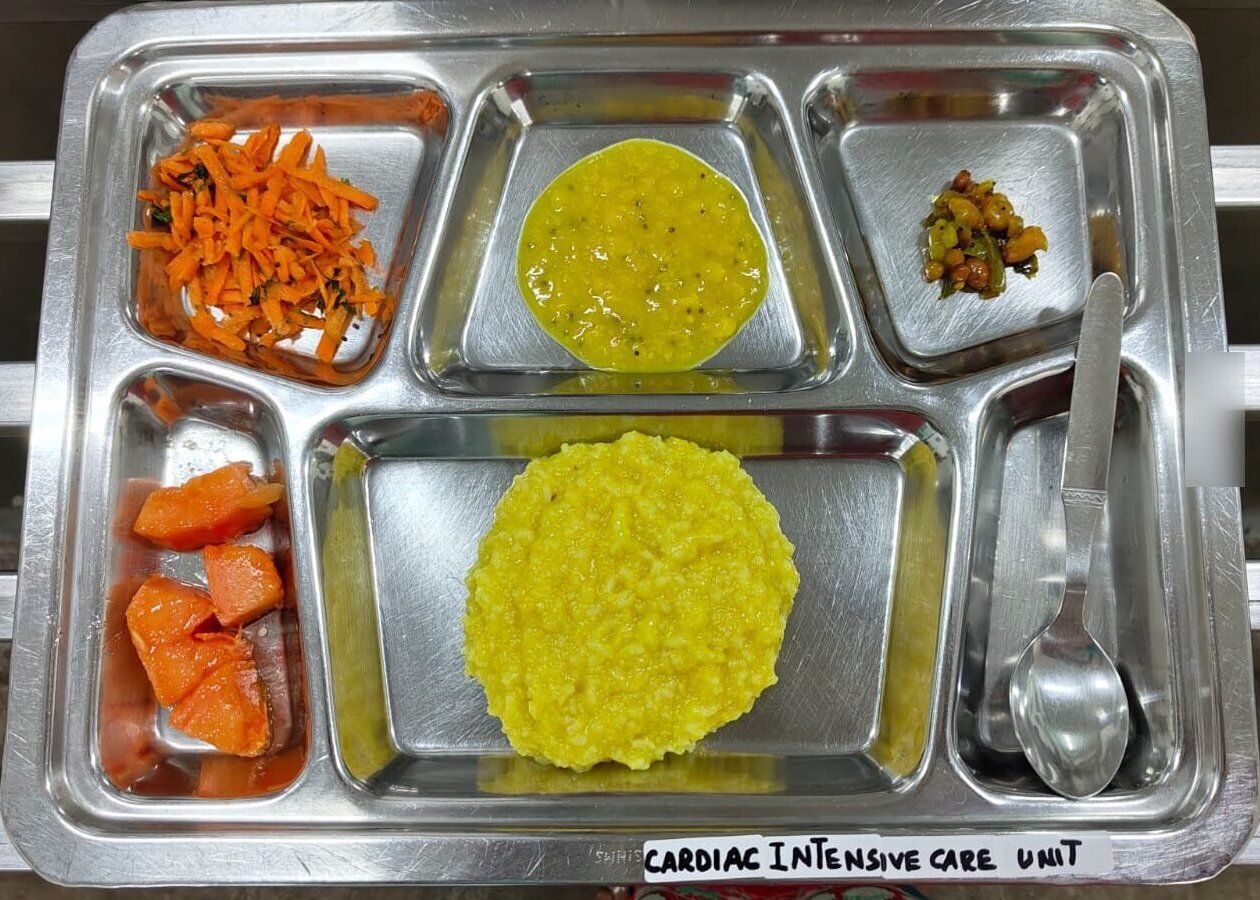
Nutrition plays an important role in the management of illness and the recovery process. Every patient has individual nutritional requirements depending on their medical condition, treatment, clinical status and dietary tolerance.
The Dietary Department works in close coordination with the Medical and Nursing teams to plan and provide therapeutic diets according to doctors’ prescriptions and the patient’s assessed nutritional needs.
Our qualified dietitians translate clinical requirements into practical, appropriate and balanced meal plans. They consider the prescribed diet, food consistency, nutrient restrictions and other relevant dietary modifications to help ensure that meals are suitable for each patient.
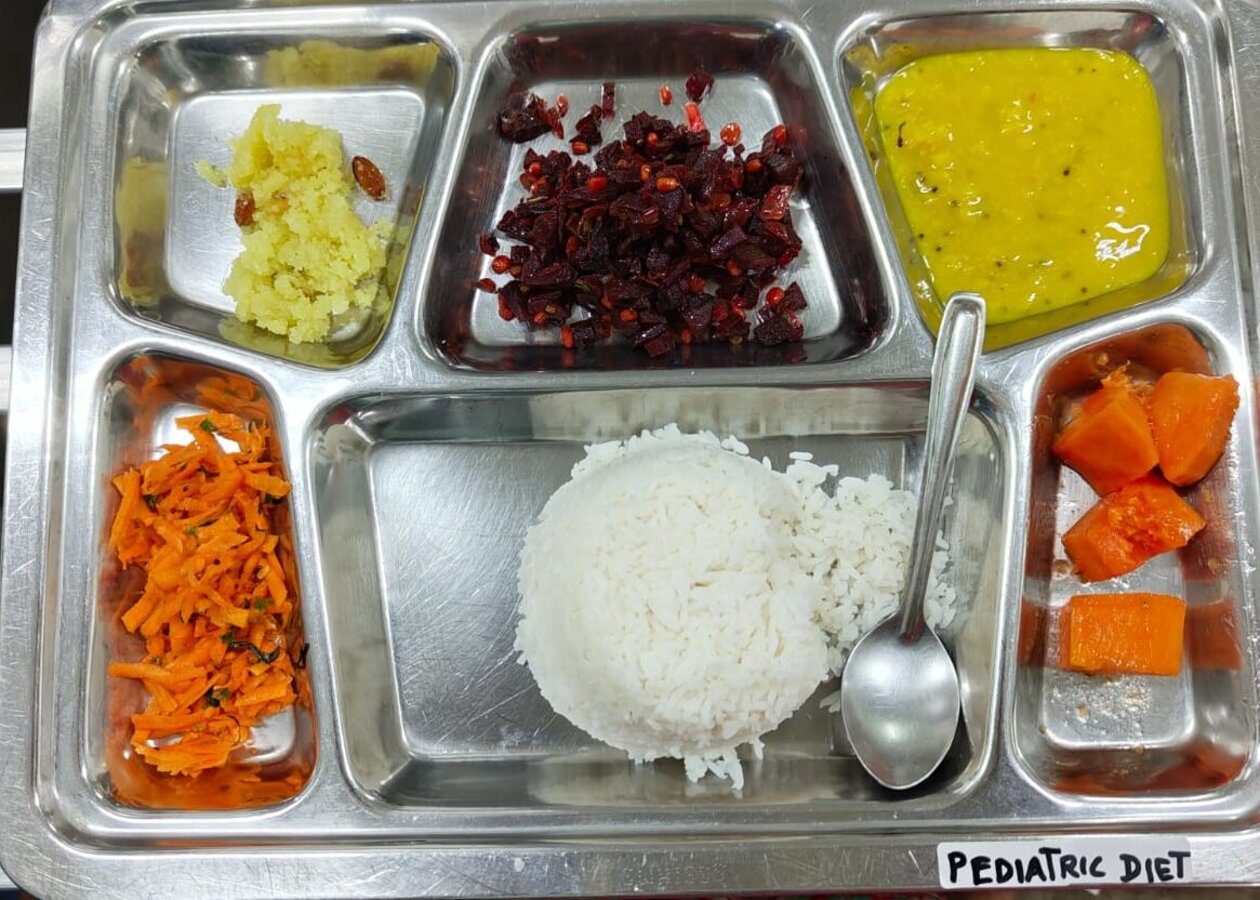
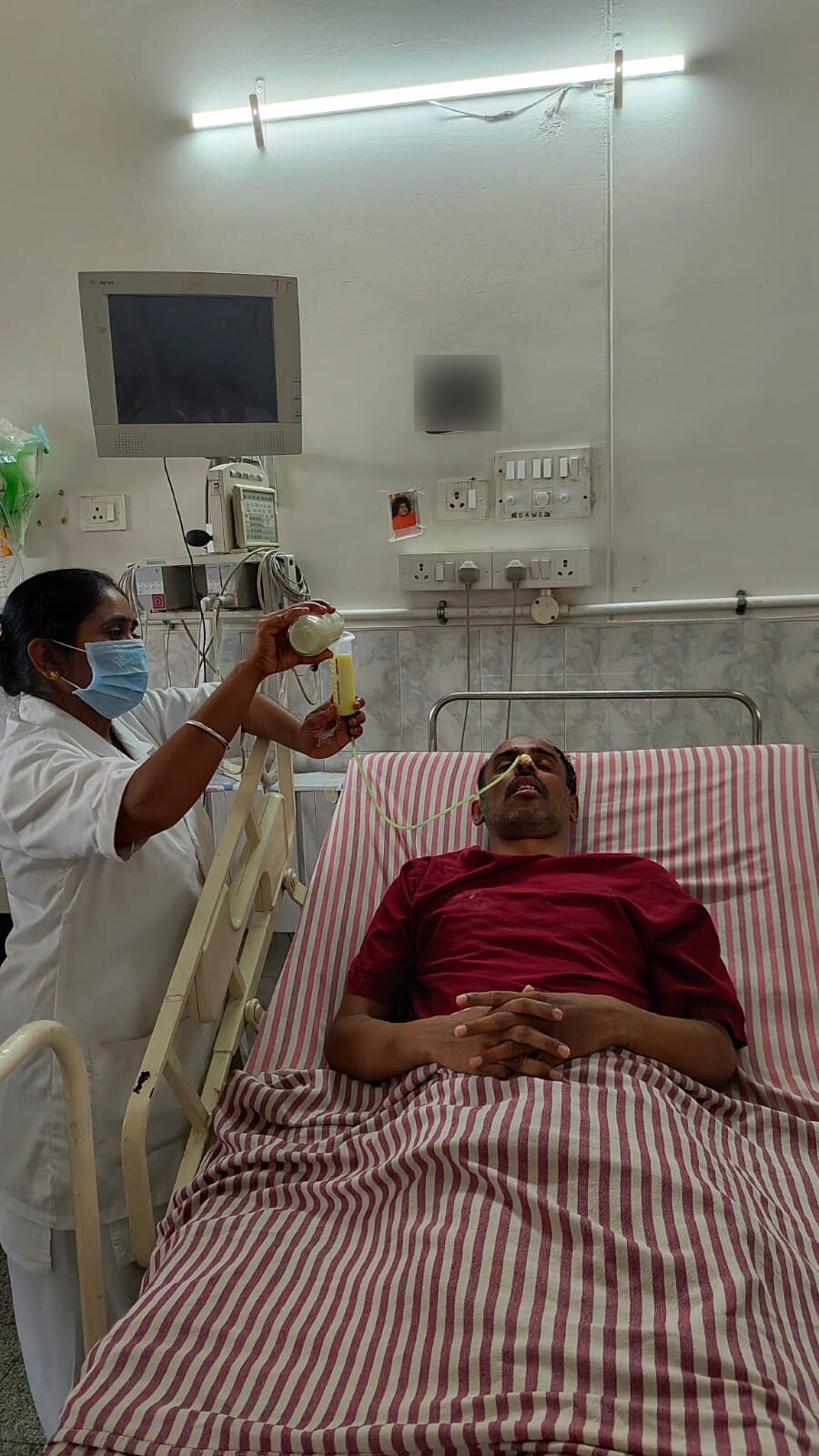
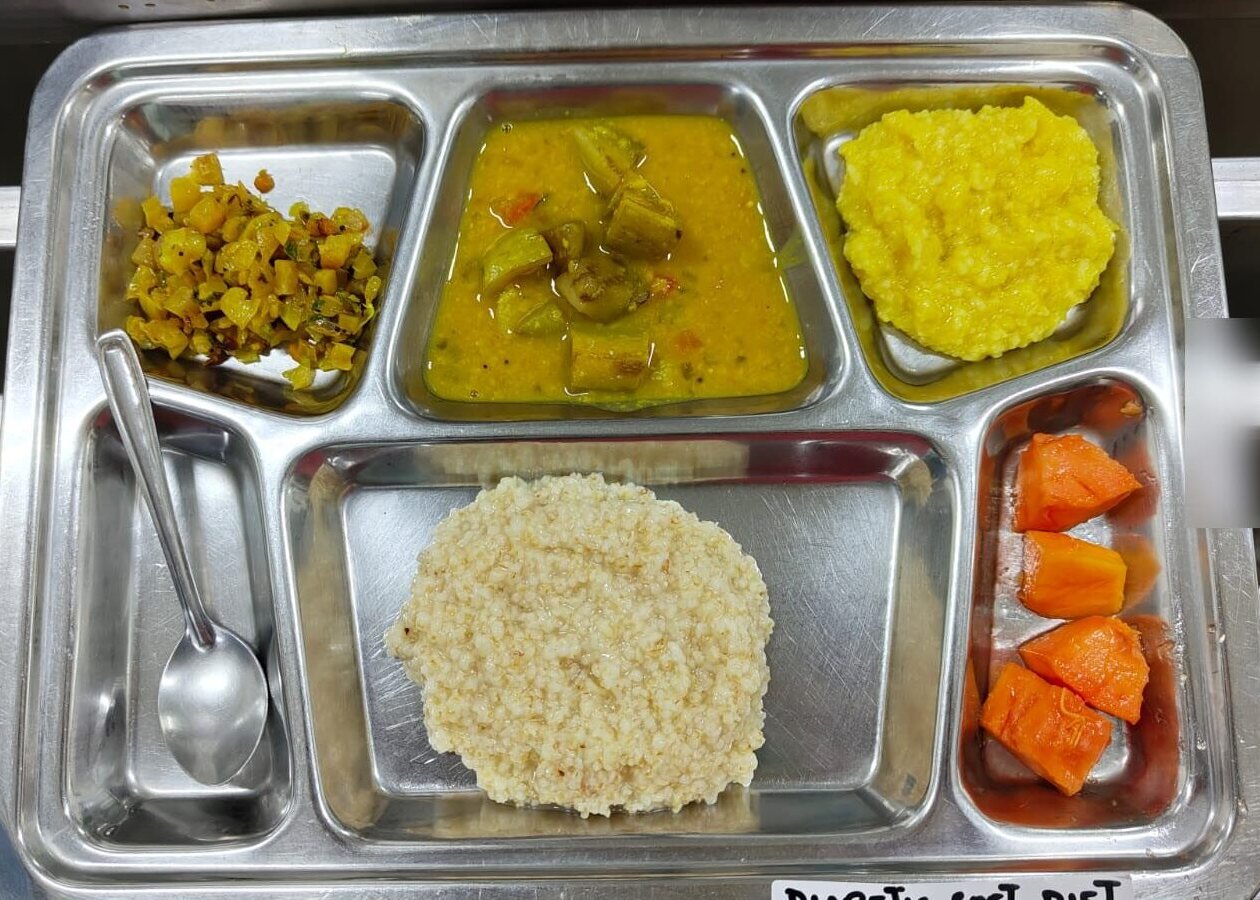
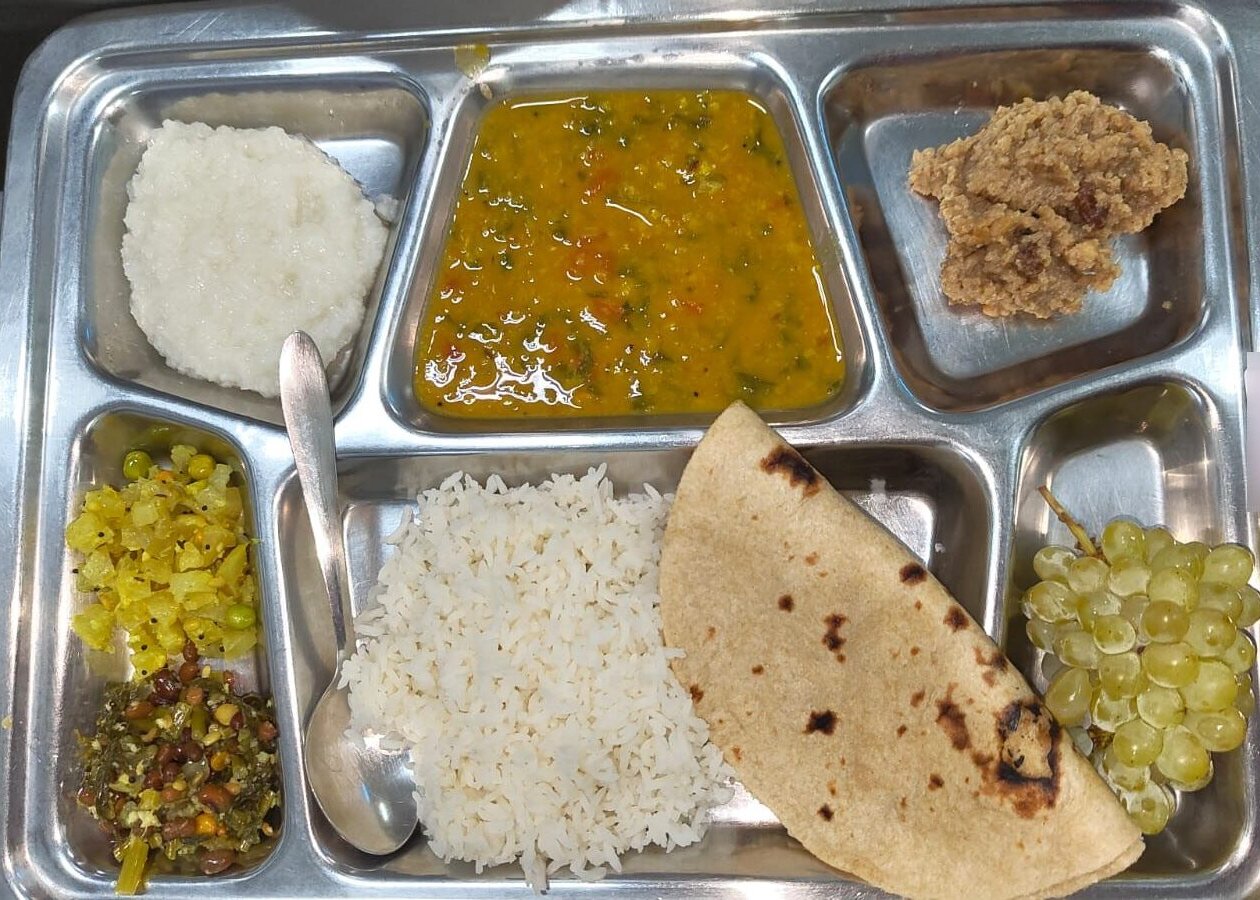
Clinical Assessment and Daily Patient Rounds
The role of the dietitian extends beyond preparing diet charts. Daily patient rounds provide opportunities to assess nutritional needs, review food intake and tolerance, identify nutritional concerns and discuss necessary dietary modifications with the treating team.
Based on clinical findings and the patient’s progress, diet plans are reviewed and adjusted as appropriate. This coordinated approach helps align dietary care with the overall treatment plan.
Careful Planning and Coordination
Therapeutic diet services require continuous coordination between the dietitians, kitchen personnel, ward teams and other relevant departments. Accurate diet orders, appropriate food preparation and timely distribution are essential to ensure that the prescribed diet reaches the intended patient.
Through this systematic approach, the Dietary Department seeks to provide safe, appropriate and individualised nutritional care as an integral part of the hospital’s patient care services.
How Meals Reach Patients
Prepared with Care, Served with Devotion
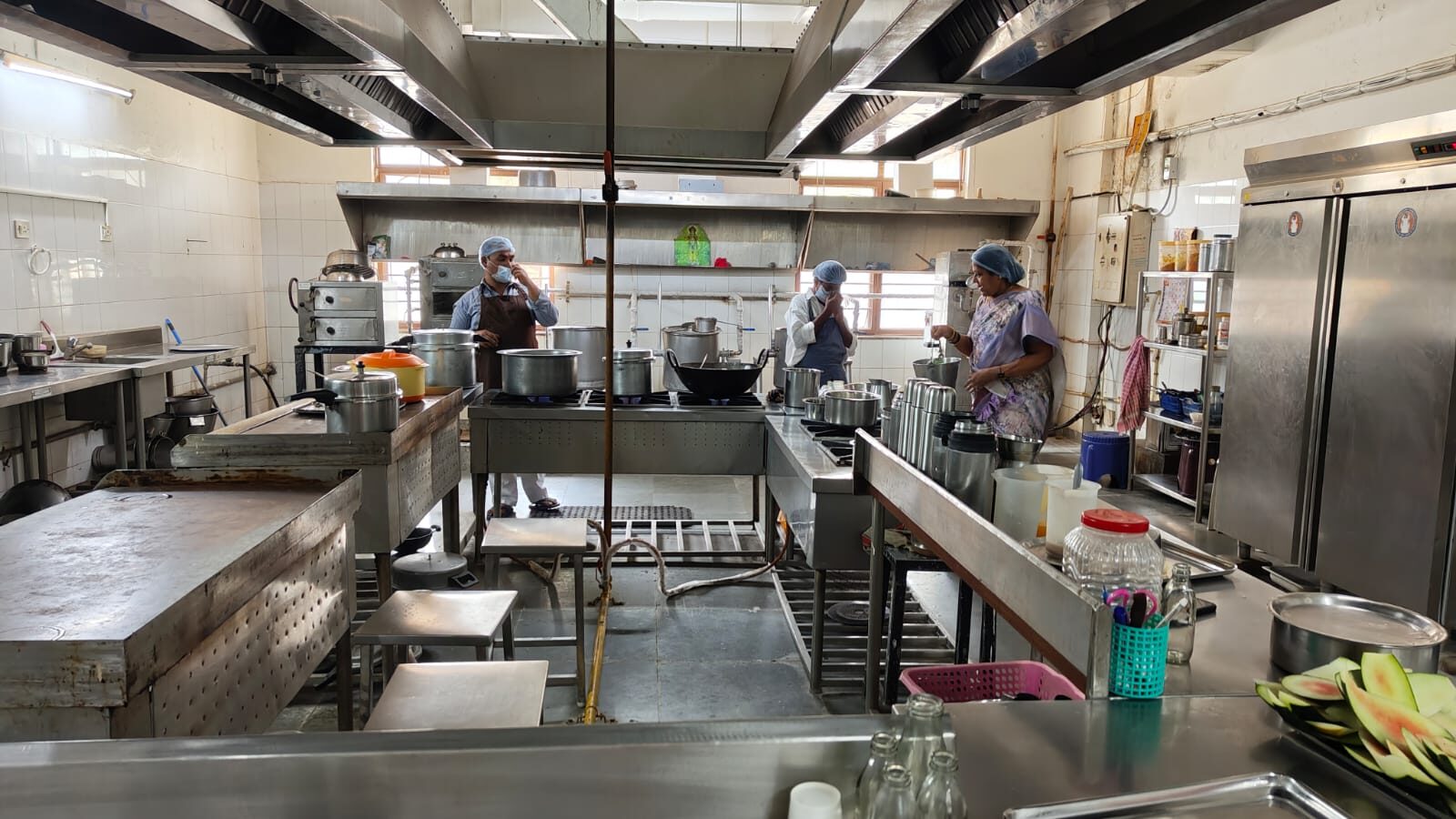
Separate pre-preparation and cold-storage areas, and a cooking area with zones for specific preparations, exhaust hoods, fire safety, fresh-air inlets and internal drains for hygiene. The kitchen uses piped LPG from GAIL and an electric steamer, and steamed vegetables are used in all food preparation. Raw ingredients are kept in a larger, separate store outside the kitchen, in line with food-safety standards.
Plated and Sent to Every Ward
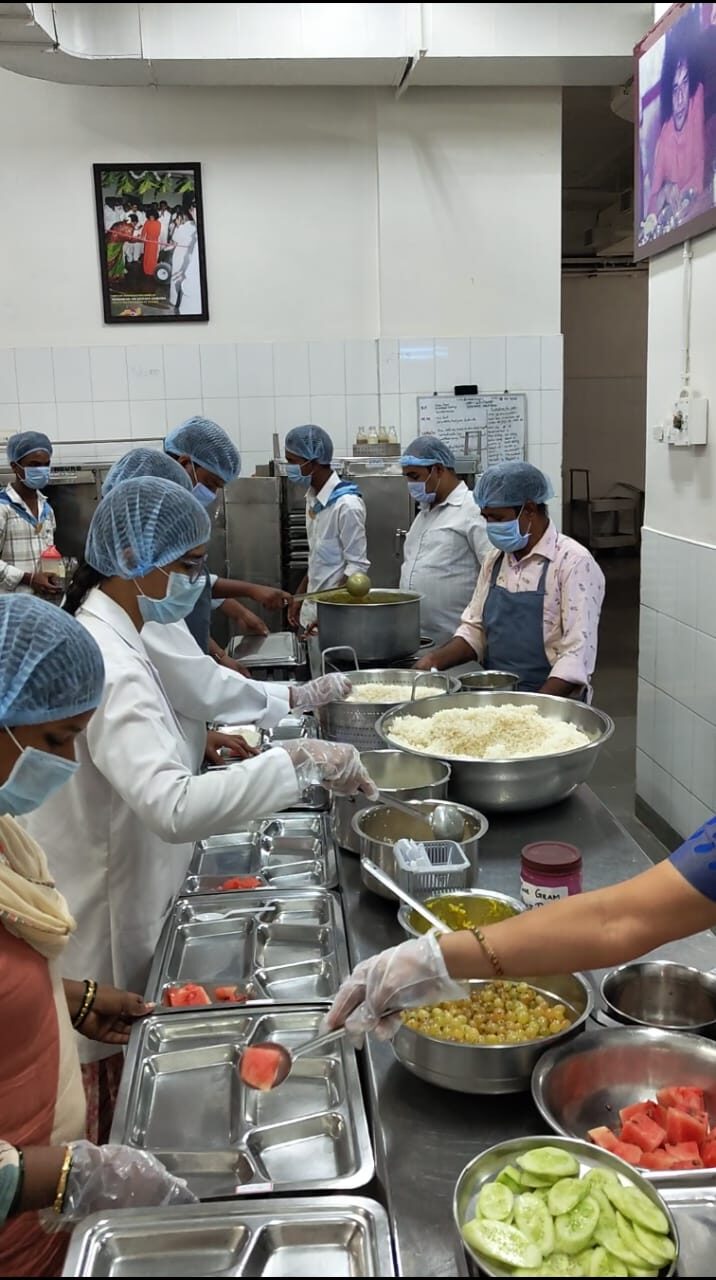
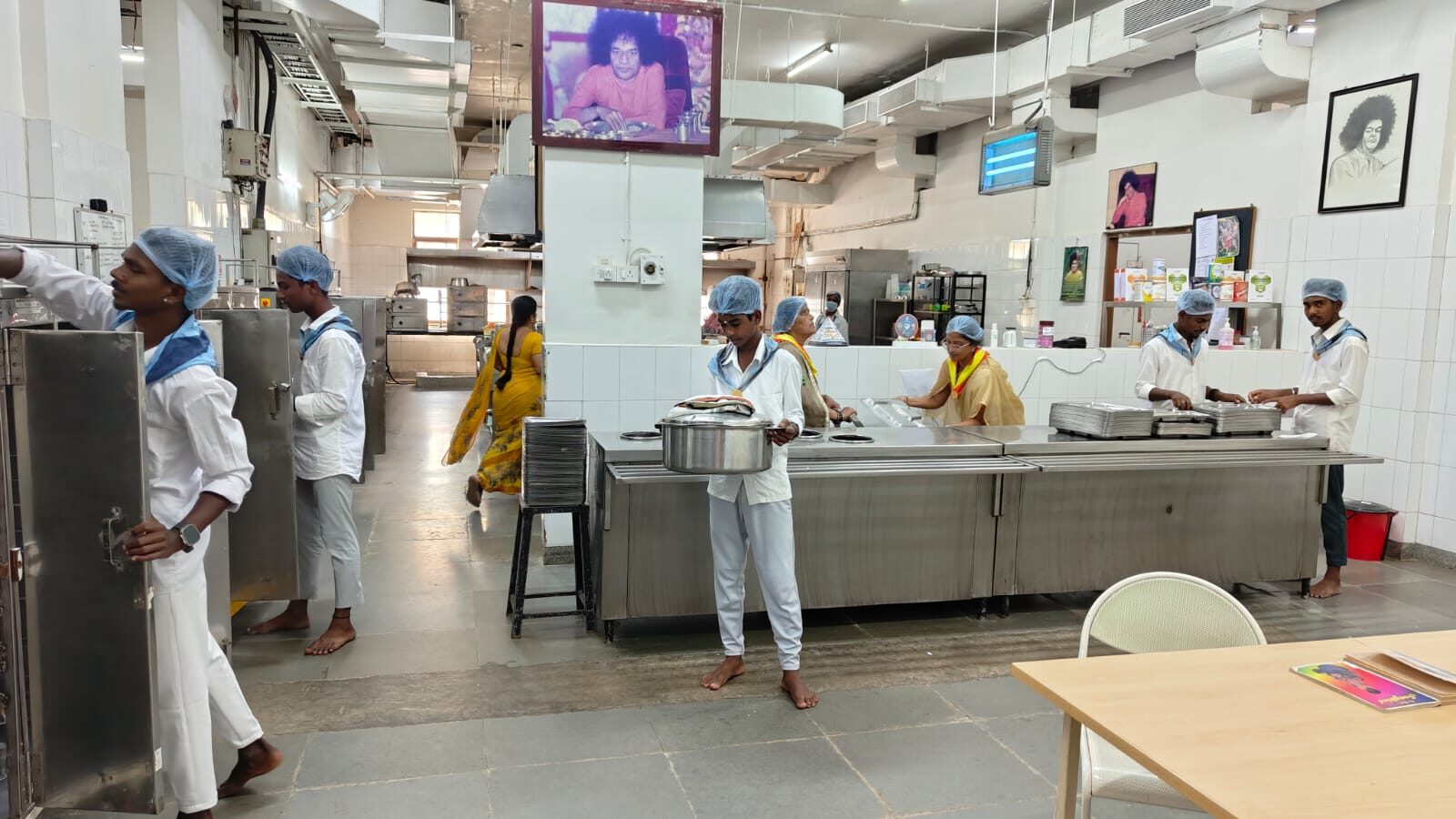
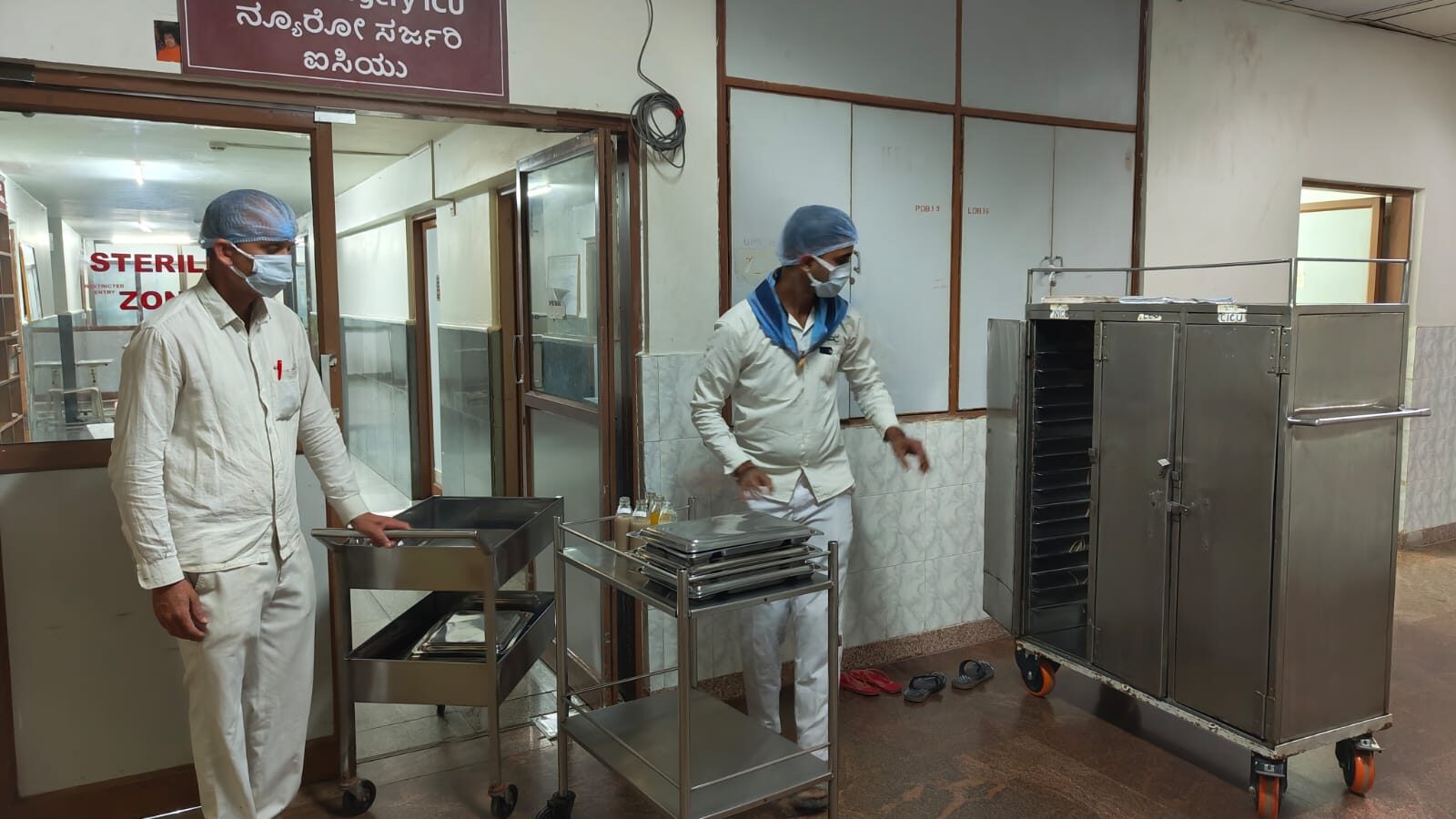
Meals are plated in the plate-stacking area and carried in preheated stainless-steel food trolleys, one for each ward — from the critical care units to the Emergency ward.
Served on Safe Tableware
Patients are served on glass, porcelain and stainless-steel utensils. The department is steadily reducing its use of plastic, choosing safer and more sustainable alternatives wherever possible.
Washed and Dried by Machine
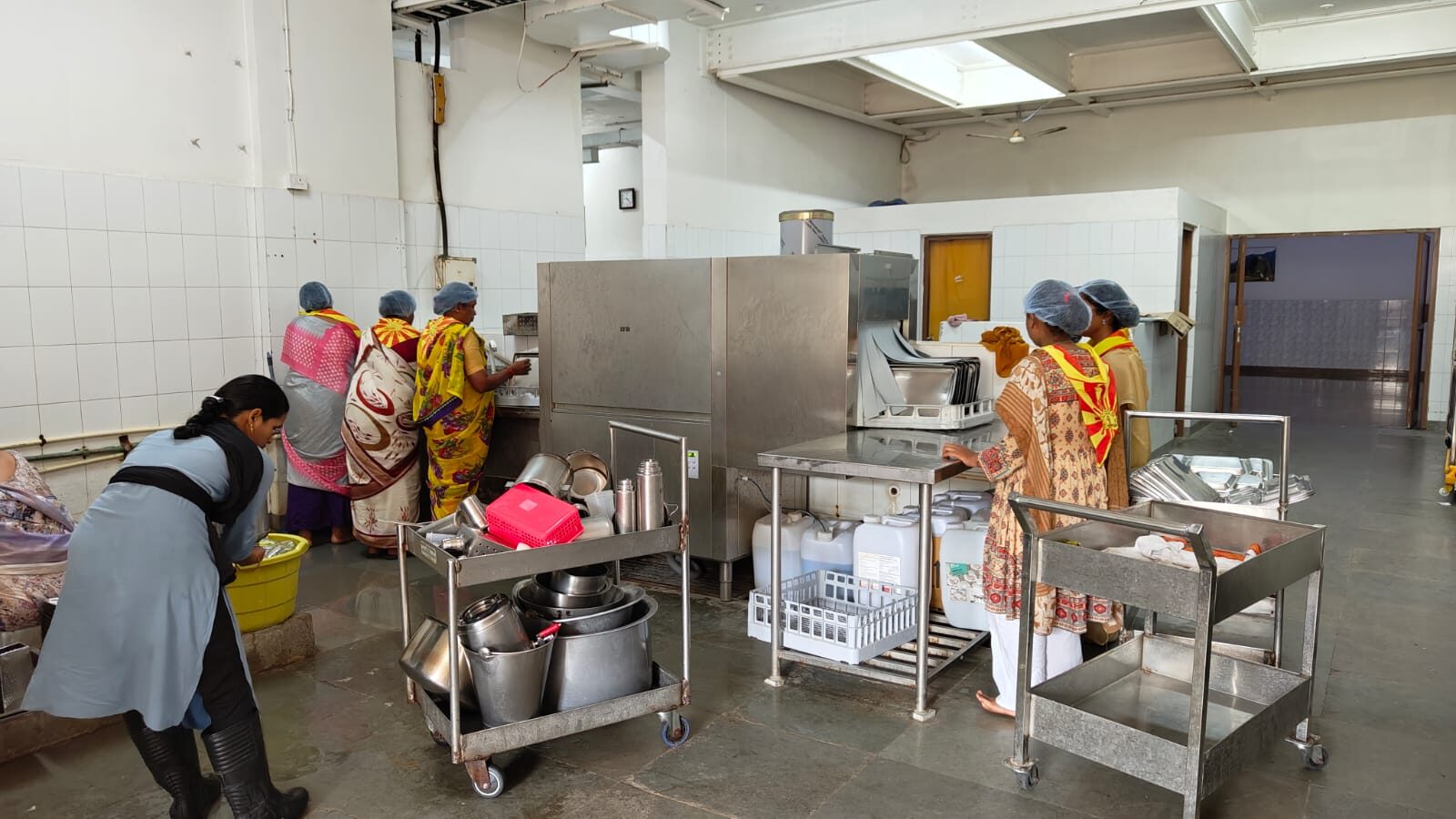
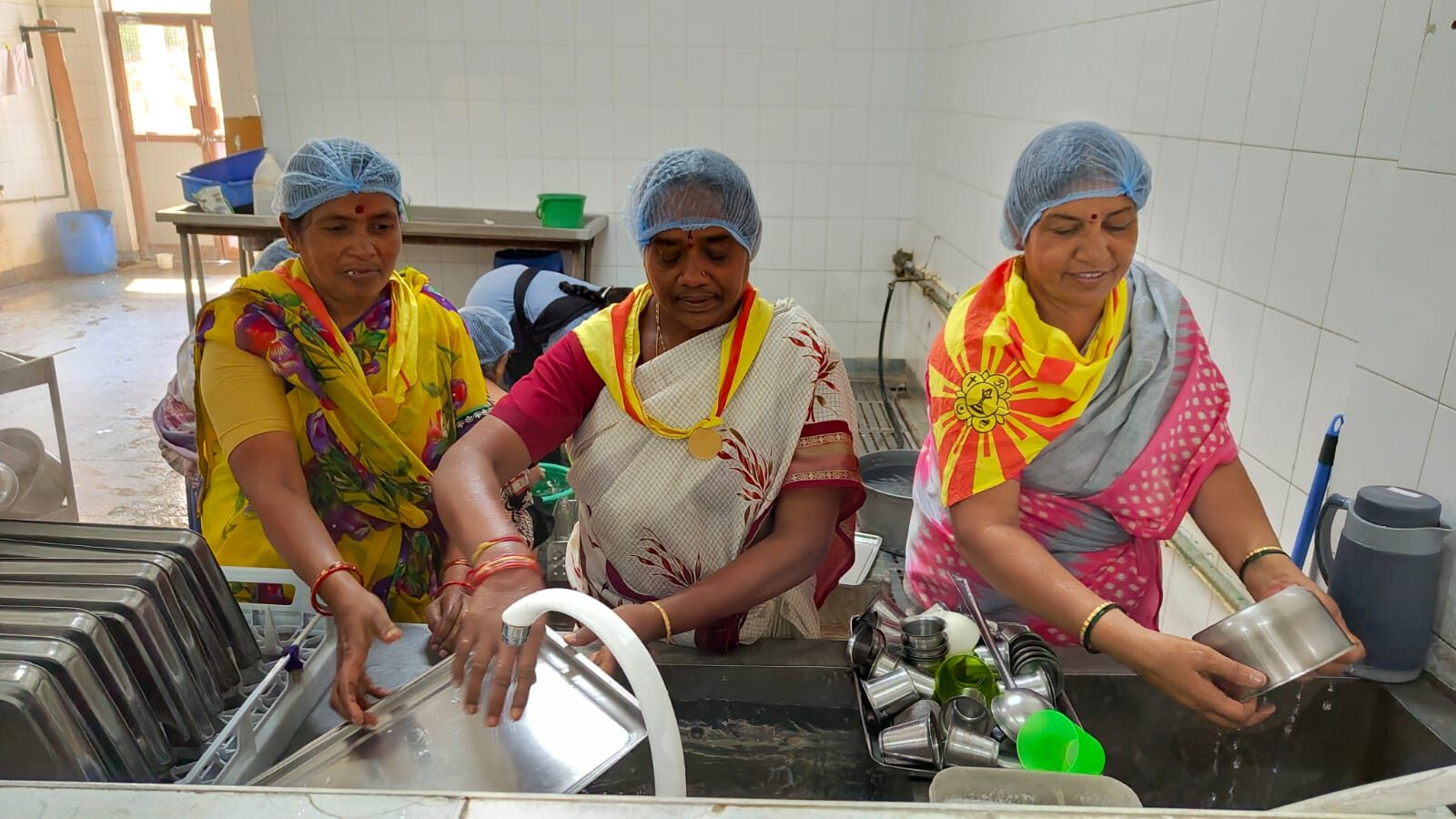
The washing area has an industrial IFB dishwasher with a 1,000-plate washing capacity and automatic drying, to maintain hygiene standards.
Food Safety and Quality
Food safety is paramount in a hospital, where patients are especially vulnerable to foodborne illness.
Empowering Patients for the Journey Home
The transition from hospital to home is an important stage in recovery. Appropriate dietary practices and lifestyle modifications can help patients continue managing their health after discharge.
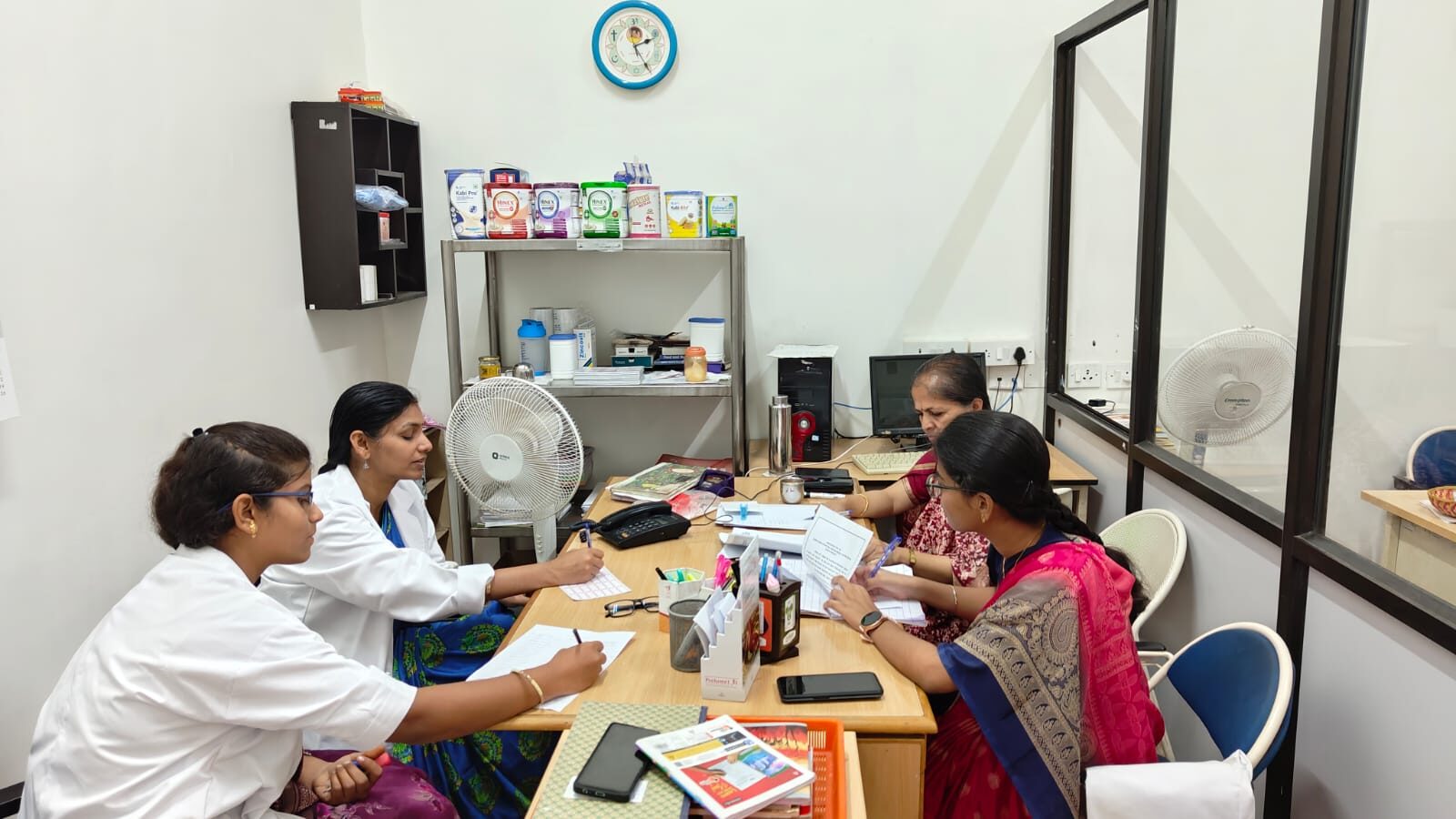
As part of discharge care, the dietitians undertake nutritional screening and assessment, followed by individualised diet counselling based on the patient’s medical condition, nutritional requirements and dietary needs.
Patients and, where appropriate, their family members are guided on suitable food choices, meal planning, portion sizes, dietary restrictions and other relevant nutritional recommendations. Counselling also addresses practical lifestyle modifications that can be incorporated into daily routines.
Diet Sheets in the Patient’s Preferred Language
To make dietary advice accessible and practical, diet sheets are provided in the patient’s preferred language. These instructions are intended to help patients and their families understand the recommended diet and follow it more confidently at home.
The counselling process also provides an opportunity to clarify dietary doubts and encourage sustainable food habits appropriate to the patient’s condition.
Milestones – Important Departmental Achievements
Patient Service Milestone
Successfully provided 90,000 meals to patients during the year 2025-26
Quality Improvement
Implemented improvements in diet preparation, food distribution, and patient meal services to enhance quality and efficiency.
Clinical Nutrition Services
Strengthened therapeutic diet planning and nutritional support according to patients’ medical conditions and dietary requirements.
Training and Academic Activities
Internship Programmes
Trained 50 students from external colleges and institutions through clinical internship programmes.
Student Training
Provided practical training in hospital dietary services, therapeutic nutrition, diet planning, and patient care to students.
In-house Nursing Education
Teaching nutrition for students of the SSSIHMS Nursing College from 2008.
Case Discussions
Conducted in-house case discussions to enhance clinical knowledge and understanding of nutritional management.
Infrastructure and Equipment
Achievements and Appreciation
FoSTaC Training and Certification
Staff of the Dietary Department underwent FoSTaC (Food Safety Training and Certification) training to enhance their knowledge of food safety, hygiene, sanitation, and safe food-handling practices.
NutriSummit, Bengaluru (2026)
Dietitians participated in NutriSummit to learn about the latest developments in clinical nutrition and dietetics. The Certificate programme helped enhance professional knowledge and improve nutritional care for patients.
Departmental Programmes
Dietary Day Celebration
Dietary Day has been celebrated annually since 2001 to recognise and appreciate the dedication and contribution of the Dietary Department staff in providing quality nutritional care and timely meals to patients.
Seva in Action
A special feature of our institution is the volunteers who offer selfless service in food distribution and pre-preparation. Sevadal – Volunteer →
From providing wholesome vegetarian meals to planning specialised therapeutic diets, from coordinating meal delivery to educating patients at discharge, every responsibility contributes to the larger purpose of patient care.
Guided by Bhagawan Sri Sathya Sai Baba’s vision and inspired by the values of love, compassion and service, the department remains committed to providing nourishment with care, clinical responsibility and dignity — serving every patient, every day, free of cost.
Food is offered with love. Nutrition is planned with care. Service is rendered in the spirit of Seva.
Every Service Here Is Free of Charge
No payment, no insurance, no financial barrier — care is given to all with equal love, regardless of caste, creed, religion or means.