The journal of SSSIHMS · January 2025
Manohriday
the annual journal of Sri Sathya Sai Institute of Higher Medical Sciences, Whitefield.
- Issue
- January 2025
- Published by
- SSSIHMS, Whitefield
- In this issue
- 27 sections · 162 pictures
- Print edition
- 40 pages
← Previous: January 2024Next →: Silver Jubilee Commemorative Issue, 19 January 2026
Manohriday · page 2
Opening pages
reflect the spirit of continuous improvement in the quality of patient care through acquiring newer equipment and technologies.
It is heart-warming to see many individuals and corporations drawn to the Institute to contribute their mite to improve the quality and scope of services and patient care at the Institute. This is truly in the spirit of Vasudhaiva Kutumbakam, wherein the World is perceived Dear readers,
We are pleased to bring to you a new issue of Mano Hriday, chronicling the journey of SSSIHMS, Whitefield in the past one year.
Compiling the information, interacting with the contributors and watching the issue come together is a rewarding experience, as it gives us a unique view of how Bhagawan has brought together doctors, patients, volunteers and resources together to create a beautiful
Manohriday · page 2
Editorial
as one large family.
In this Centenary year of Bhagawan’s Advent and on the eve of the Silver Jubilee of the Institute, we are certain Sri Sathya Sai Institute of Higher Medical Sciences, would soar to even greater heights, with His Grace and the efforts put in by all His chosen instruments.
We do hope you enjoy reading this issue of Mano Hriday, as much as we did putting it together for you.
– The Editors tapestry of experiences, resulting in fulfillment in the staff serving here, gratitude in the patients’ hearts and a sense of satisfaction and purpose experienced by volunteers, contributing their time and energies at the Institute.
As an Institute built on “Higher” principles, it is natural to expect that everything done at the Institute would embody the ideals espoused by our Founder, Bhagawan Sri Sathya Sai Baba. The new initiatives taken up by the Institute
Back Cover:
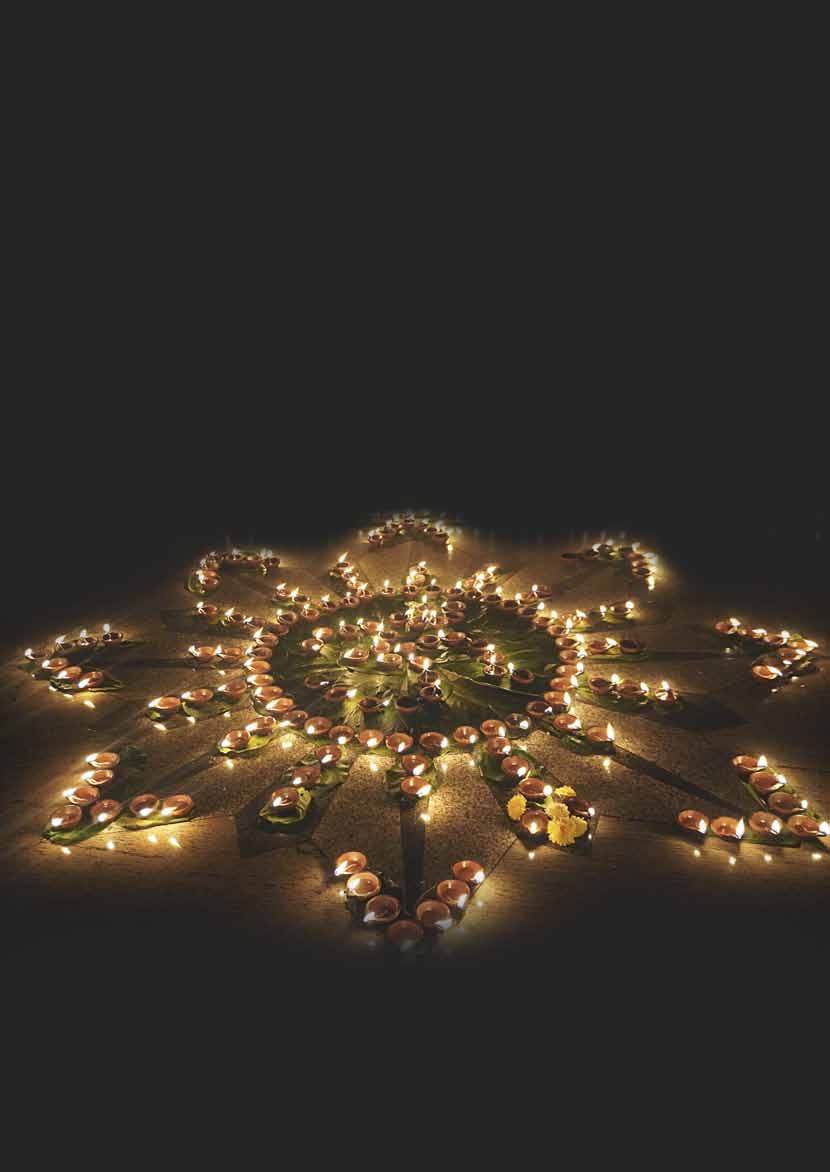
Lamps lit in the Institute foyer during Deepothsavam on 17-Nov-24.

Manohriday · pages 4–5
Message from the Director
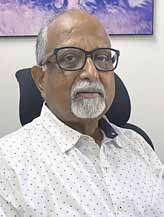
Dr. D.C. Sundaresh, Director, SSSIHMS, Whitefield, Bangalore
Om Sri Sai Ram,
I surrender myself at the Divine Lotus Feet of Bhagwan Sri Sathya Sai Baba.
It is with pleasure that I offer this annual report to Bhagwan Baba.
This Temple of Healing at SSSIHMS Whitefield has made significant inroads in providing health care to the poor & needy with the principle of love & humility as laid down by Baba. 2024 has seen an increase in the variety & number of patients treated from across the country and a few from across our borders as well. In the 12 operating rooms an average of 25 surgical procedures are performed daily.
In the last few years patients have been coming only by appointments, leading to streamlining our activities & resulted in greater patient comfort.
The hallmark of our hospital is that free care is given to all, maintaining the highest quality using the most modern equipment & experts in the field. In the last year a number of medical equipment have been replaced at a significant cost.
GE healthcare and Siemens have contributed in providing healthcare equipment to maintain the high quality of care.
We are also grateful to Narayana Health for providing their electronic health record system, Athma, which would improve the ease-of-use in accessing patient reports for the clinicians.
The healthcare industry across the nation has experienced various challenges, leading to patients facing difficulties in seeking care. With Bhagwans grace, we have been able to render satisfactory care to all who came to our doorstep.
We are deeply grateful to the individual contributors to the Healthcare Mission of Bhagawan, be they visiting teams like the Arrhythmia Alliance - Pace 4 Life or clinicians like Dr. Aditya Nadimpalli, who conducted PoC ultrasound training camps and visiting doctors like Drs. Yegyaraman, Ashok Garg, Srivathsan and so on. Such visitors bring the required knowledge and resources to support patients, who have nowhere else to go to.
During the course of the year, we have implemented various measures to ensure patient & staff safety. One such is an access control system, offered by an alumnus of Sri Sathya Sai Institute of Higher Learning, as his contribution to Bhagawan. This would enhance security and streamline access to key locations within the hospital premises.
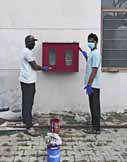
Fire safety drills are periodically conducted to educate the staff about action to be taken to safeguard patients in the unfortunate event of a fire accident in the hospital.
On the environment front, Fluxgen Sustainable Technologies, with support from Microsoft Foundation, has come forward to address the chronic water shortage issues Bangalore as a whole has been facing. Using smart water meters and IoT technology, the goal is to monitor water consumption real time and take immediate action to avoid water losses. In phase two of the project, they would also be taking up measures to reduce consumption on the demand side and also take up rain water harvesting and ground water recharge on campus.
In line with the Trust objective for all Sai Institutions to go zero waste to landfill, we have taken several initiatives to minimize waste generation. Since 2021, when waste management has been a focus area at SSSIHMS-Whitefield, we have recycled over 100 tons of dry waste responsibly and generated a revenue of over Rs. 20 lakh, made available for patient care.
We have also been carrying out organic waste composting on campus for a few years now. In 2024 alone, we generated over one ton of compost, used in the nutrition garden, providing fresh vegetables to the canteen and dietary kitchen.
With support from BBMP and District health authorities, 220 children have been vaccinated since the vaccination program started in August 2024.
Sri Dinesh, a long-time devotee of Bhagawan and a certified Electrical inspector, has supported the upgrade of the electrical infrastructure at our Institute to meet the necessary compliance requirements, as a labour of love.
It goes without saying that the support of the Sri Sathya Sai Seva Organisation is immeasurable for providing dedicated manpower to facilitate the patient care activities.
The Counselling services at our Institute is yet another service, very unique to Bhagawan’s institutions. The counsellors are very well trained and build a beautiful rapport with the patients, which goes beyond the time duration of their stay at the Institute.
In this Centenary year, let us all re-dedicate ourselves to serve Bhagawan through serving the patients visiting SSSIHMS.
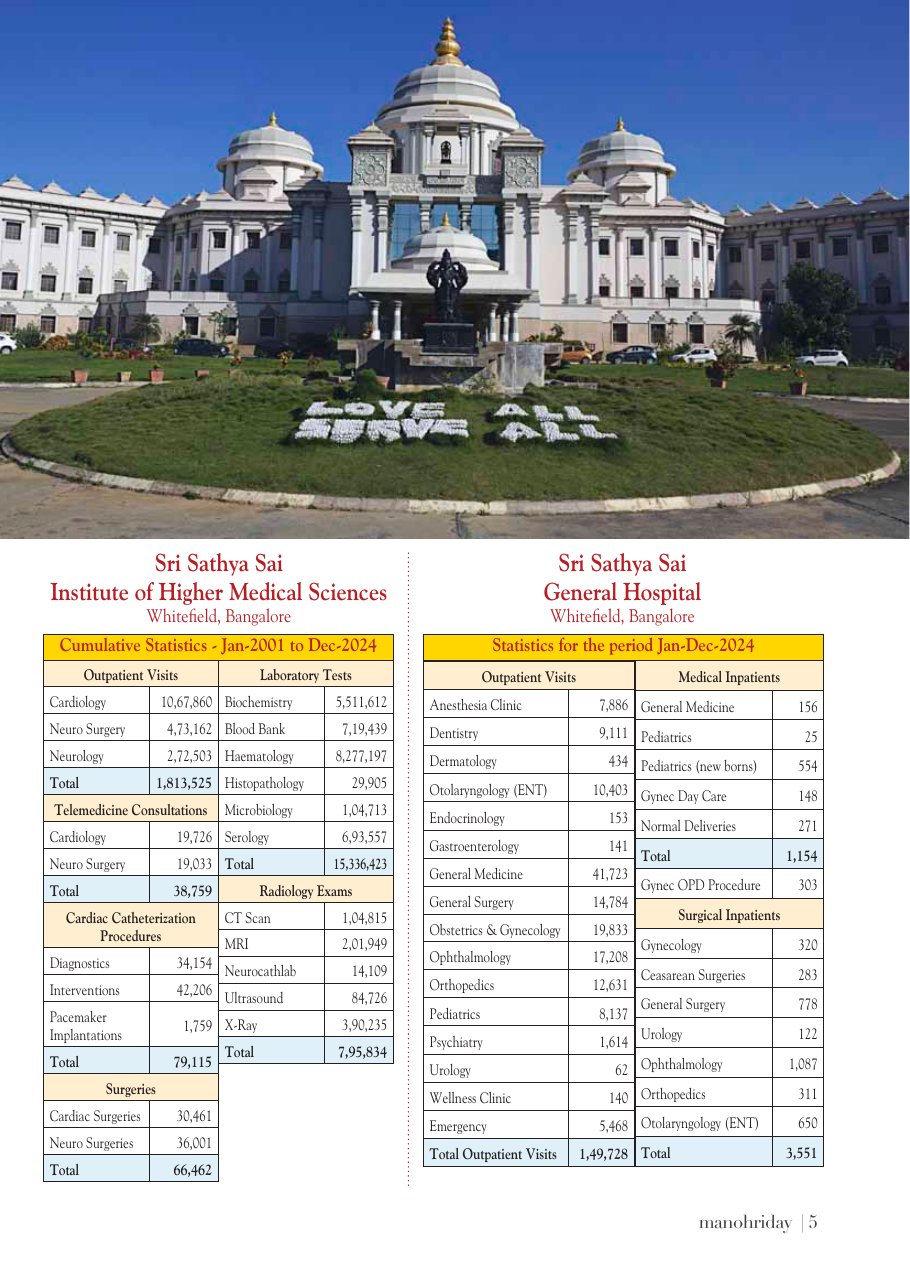
Cumulative Statistics - Jan-2001 to Dec-2024 Statistics for the period Jan-Dec-2024
Cardiac Patient Story · page 6
Recipient of Divine Grace
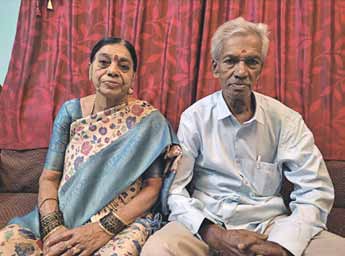
“Should I, or should I not?” It was 2 am and this was the question on Srinivas’ mind. It was a matter of life and death, and that too, of his mother. So he dialed the number…
Let’s rewind a few hours, and years, before Srinivas reached that fateful hour.
Srinivas lived in Kadugodi, very close to Baba’s ashram, where he had a small business renting out costumes to schools for their annual day programs. Everyone in his family has been touched by Bhagawan’s compassion. His father, Krishnappa, was a heart patient and was scheduled to undergo surgery in a private hospital over 20 years ago. It was by pure chance that the doctor at that hospital, hearing of the financial burden he faced with five children to look after, suggested they visit the Sri Sathya Sai Hospital, which would offer completely free treatment.
Accordingly, he got himself registered and started consulting with the doctors at the hospital. The doctors evaluated his condition and suggested medical management, without having to undergo surgery. It’s been over two decades since he has been maintaining good health. He also underwent cataract surgery in the hospital a few years ago.
Srinivas’ mother, Shanthamma, too was registered at the hospital a few years ago, when she needed to get a laser surgery for her eye.
Coming to Srinivas himself, he was born at the Sri Sathya Sai General Hospital in 1989, when it was located on the Whitefield main road. Believe it or not, both his children aged 8 and 4 years, were also born at the Sri Sathya Sai Hospital, in its new location!!
Let’s get back to that fateful night. It was February, 2024, and the peak season for his business. Srinivas returned home close to midnight after winding up work at a school function, to find his mom complaining of chest pain. Suspecting something serious, he took her on his two-wheeler to a local clinic in Kadugodi. The electrocardiogram revealed changes in her heart, indicative of a heart attack. They were referred to a private hospital. Without any ambulance in the vicinity, his mom got on the two-wheeler and he got her admitted in the Emergency department.
The Hospital gave him a cost estimate of Rs. 4 lakh for the proposed treatment. What stood out to him was the fact that, instead of providing emergency care for his mother, the staff were milling around him, pressurising him to make the advance payment. It was way beyond what he could muster in such a short time. Just then, he recalled he had the contact of a staff at the Sri Sathya Sai Hospital, whom he used to coordinate with for supply of costumes for any dramas conducted on the Hospital premises by the Bal Vikas children.
By this time, it was 2 am, and he was hesitant to disturb her at this late hour. However, he mustered up the will to call her, and she answered the call. She heard him out and advised them to come to the Emergency department. With some trepidation and praying nothing untoward should happen during transportation, Srinivas called an ambulance and brought her to the hospital.
From then on, in Srinivas’ own words, the journey was smooth and effortless. The care rendered was far beyond he had known or expected. The on-duty cardiologist examined her, admitted her to the Cardiac Care Unit and within the next few hours, she underwent an angioplasty from the hand (radial angioplasty) with a stent placed in one of the arteries of the heart, resolving the block with minimal bleeding or other issues.
Post procedure, when the doctors clarified to him she was out of danger, the entire family heaved a collective sigh of relief. The episode reiterated Srinivas’ faith in Bhagawan and the Institute to go up a few notches.
“I cannot express my gratitude in words to the doctors; everyone used to call my mother, ‘Amma’, and is direct proof that everyone in the hospital treats you as their own family member. I cannot imagine a hospital today where someone gets wheeled in at 2 am, gets a free angioplasty and then walks out on their feet hale and hearty within a day. Looks like a dream, really. Our entire family is indebted to the Hospital for the love, care and attention received during the most crucial time in our lives,” he adds with voice, choked with gratitude.
Cardiac Patient Story · page 7
Calling Card...
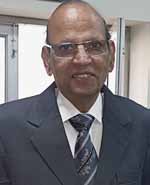
Mr. Vimal Chand Lodha was reading the daily newspaper, when he felt the vision in his left eye suddenly blur. He rubbed his eye and checked whether he regained clarity. He did not. This was immediately followed by a sharp pain just above the left eyebrow. After a minute and a half, the clarity of vision returned and the pain disappeared , leaving him puzzled. Having retired from service at Bharat Heavy Electricals Ltd., 74-year old Lodha enjoyed good health all along. A few days after the first episode described above, he had a similar episode of blurring of vision and a headache. Not wanting to ignore this sign, he visited an eye hospital. After examining him, the eye surgeon advised him to get in touch with both a neurologist and cardiologist because his eyes seemed to be fine.
He went to another private hospital where a senior neurologist examined him. He checked his carotid arteries with a stethoscope and after noticing an irregularity, urged him to get an ultrasound. Soon after, he was diagnosed to have a very tight block in the carotid artery supplying blood to the eye and brain. Left unattended, this could have led to a massive stroke. The neurologist referred him to the inhouse cardiologist, who advised immediate admission and a procedure to open up the block.
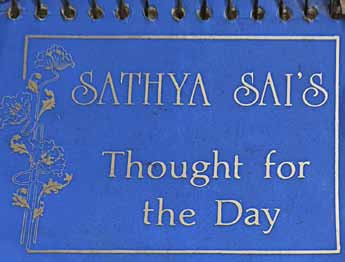
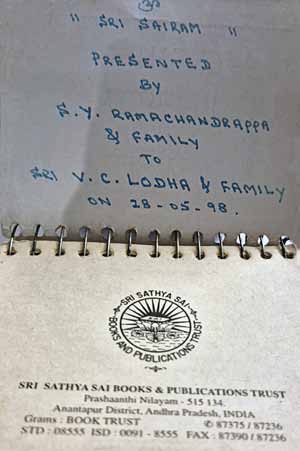
In Mr. Lodha’s home is a “Thought for the Day” calendar, containing Sri Sathya Sai Baba’s quotations. He had received it as a gift from a colleague, who used to serve as a Sevadal volunteer in Puttaparthi during his working years. His colleague had given him this booklet in 1998, upon returning from service. Even though Mr. Lodha had never seen or interacted with Swami ever, he diligently turned over the page of the “Thought for the day” every single day for 26 years, read it and sometimes even clicked a photo and shared it with his family members. In a unique way, His Visiting Card seemed to have finally “arrived” in 2025. Mr. Lodha’s son recollected that another of his father’s ex-colleague’s daughter, a super-specialist in Cardiology, was serving at the Sri Sathya Sai Super Speciality Hospital. They wanted a second opinion and the very next day,the duo visited the Sri Sathya Sai Hospital in Whitefield. They met Dr. Reeta Varyani, the Head of Department, Cardiology, who examined him and confirmed that he indeed needed the procedure almost emergently. “Attending carotid blocks in the Cardiac Cathlab has been a regular procedure since two decades with hundreds of such procedures carried out every year, worldwide and also at SSSIHMS for almost 15 years now”, Dr. Reeta asserted.
Eventually after a few mandatory tests, within the next 24 hours, the SSSIHMS Cardiology team removed the block and put in a stent as well to keep it open for good. Mr. Lodha and his family thanked the team with all their heart. “Though I had “Insurance” cover and could have got the procedure done in a private hospital, after visiting this hospital and meeting Dr. Reeta, I felt a Divine “Assurance” that I am in the right place to get the procedure done in this Institute. I am very happy with the services received here,” Mr. Lodha said, praising the entire CCU team for excellent post-procedural care rendered.
Neuro Patient Story · page 8
Testament to Care, Faith & Determination
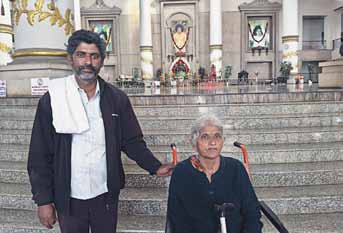
An aneurysm is a bulge in a blood vessel prone to rupture. When ruptured, the blood flows into the surrounding tissue. When this happens in the brain, the pressure within the cranial cavity sharply rises and this could have profound and irreversible effects, leading to brain death.
A ruptured aneurysm is a medical emergency and SSSIHMS neurosurgery department prioritizes ruptured aneurysms.
One such example is Sarvamangalamma, a 61-year-old lady who was brought in an altered sensorium to the casualty at 3 am on 31-Dec-23, a Sunday. The patient bled on 26-Dec-23 and again two days later. The CT showed a subarachnoid haemorrhage with a thick clot in the anterior inter-hemispheric fissure. CT Angio revealed an anterior communicating artery (ACoA) aneurysm and a right sided posterior communicating artery (PCom) aneurysm. She was taken up for emergency surgery and a right pterional craniotomy and Clipping of the aneurysm was performed by Dr. Saritha Aryan, HoD Neurosurgery. Surgery was uneventful.
Post-operatively, she developed lower limb weakness on both sides. On the 6th post-op day, the patient’s sensorium dipped, and an angiogram revealed vasospasm in the left ACA vessel. It is a serious complication and could lead to death of neurons in that territory. If reversed early, the neurons could be salvaged.
She underwent chemical angioplasty for four consecutive days. Her course was further complicated by hyponatremia, lower respiratory tract infection and urinary tract infection.
During the hospital stay, Sarvamangalamma shuttled between ICU and ward on three occasions due to her volatile condition. The doctors and nurses at SSSIHMS believe in not signing off prematurely on any patient, no matter how grim it might appear on the surface. This requires astute judgement that comes with experience.
A stormy course immediately following surgery is often followed by prolonged convalescence, especially at home where exposure to a familiar environment and family members motivates the patient’s subconscious to a more alert state. This was seen in her, when her eyes lit up, responding to grandchildren over phone.
Caregiver stress needs to be acknowledged in the management of such patients. Staying away from home, awaiting an update each day, and dwindling resources takes a lot out of the family members. These, often under-appreciated sacrifices, take a toll on the bystander’s mental and physical health.
Sarvamangalama’s son needs a special mention for his positive spirit during this entire ordeal. When asked what kept him going, he responded it was love and gratitude for his mother. He would immerse himself in hospital activities, lending a hand to Sevadals. His faith in a higher power kept his mind from getting diverted towards negative thoughts.
Sarvamangalamma was discharged on 06-Feb-24 after 37 days in the hospital. Her lower limbs weakness persisted. She needed oxygen support and was referred to a local hospital for the same. It was hoped that being amidst her loved ones would be a strong motivator for recovery. She visited the hospital in April 2024, during her 3rd month follow-up. She was still in a wheelchair and was able to walk a few steps with support at home. She was unable to speak much during the time.
December 31, 2024: An old lady walked into the Neurosurgical OPD and sat in the chair opposite me with her son, whose face was vaguely familiar. On opening the chart, I was astonished to see that it was the same patient we operated on, precisely a year ago.
She did not remember the hospital, the doctors or anything about her stay here. She was wheelchair bound and spoke very little for the first six months and made a quick recovery soon after.
The patient and son thanked the team profusely and expressed their gratitude for all that the hospital has done for them. For the few months lost, the patient had gained many years of meaningful life. It was indeed gratifying to hear that she spends her time with her grandchildren and is very happy.
Efforts don’t always pay off in medicine. Majority of moribund bed-bound patients eventually succumb to complications from prolonged inactivity within a year. Sarvamangalamma’s story emphasizes the need for good social support and motivation in the recovery of these patients. Outcomes like this further bolster our resolve to never give up on patients prematurely.
In a conversation with the department manager, the attender expressed his profound gratitude to the doctors and the staff of the hospital for giving back his mother’s life.
The patient had spent all her life serving spiritual gurus and he firmly believes the Unseen Divine Hand that guided them to this hospital at such a critical juncture was solely due to the merit accrued due to her seva to spiritual gurus.
Dr. Sanjay H.M., Jr. Consultant, Dept. of Neurosurgery
Volunteer Story · page 9
Another incident of Swami’s Grace
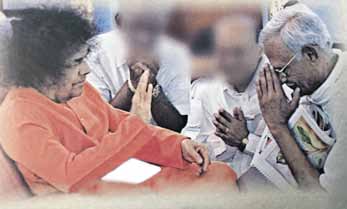
The morning of 4-Aug-24 was a typical, relaxed Sunday morning, this time a little special with having the luxury of enjoying the company of all my four grandchildren - my son Vidyadhar’s two daughters, Veda (23 years) and Medha (20 years) and my daughter Ahladhini’s two children, Akhand (21 years) and Anouska (15 years). Gita, my wife, and Ahladhini were just pottering around chatting; Vidyadhar and my daughter-in-law Shumal, had gone out on some work. Little did we know what was to happen that afternoon.
Lunch was announced and we all headed towards the dining table. I have the habit of praying before every meal and accordingly, I went into our puja room. I stepped in and remained standing as usual with folded hands in prayer, I look at each picture/idol of the various deities silently chanting a prayer. But to my utter surprise I found that I could not form nor articulate any words. I was looking at Swami’s picture and suddenly I realised that I was having a stroke and I walked towards our bedroom, where we have a mirror in which I could check for facial distortion - there was nothing except for a slight droop on the left end of my lips. I then turned around and went to the kitchen dining table where my daughter was seated. Gita who was in the bedroom and had watched my unusual behaviour followed me and I in sign language and slurred speech conveyed to them I could not speak. Gita with her extensive experience at the hospital as HOD of the Counselling Department and my daughter, Ahladhini, who is a qualified speech therapist living in the US, both concurred that I was having a stroke. Ahladhini informed Vidyadhar and Shumal about what had happened and they rushed home.
Sunday being the weekly day off for the medical staff reaching out to them would be difficult, but Gita who knew Dr. Saritha the HOD of Neurosurgery reached out to her and apprised her of the situation. She wanted us to reach the Emergency Department at the hospital as fast as we could and even though she was out of campus she would make all arrangements and get there herself as quickly as she could. Gita, Vidyadhar, Ahladhini and I were already on our way. We knew Swami was taking care of us and we surrendered to His Will. Dr. Saritha had put Dr. Anand, from the Neurosurgery Department in charge of having everything needed for my immediate care organised in the Emergency Department. All the concerned doctors and staff were there; Dr. Sumit Thakar, Senior Consultant, Neurosurgery was also present. Dr. Anand kept track of us by calling Vidyadhar periodically for our location.
When we went up the ramp and pulled up at the Emergency Department we found the team ready and waiting. The doctors were amazed and happy that I was brought in well within the ‘golden hours’! I was taken on a stretcher to a ward and a battery of tests were done. Just then Dr. Saritha arrived and examined me and asked Gita questions to find out what had happened. She quickly studied the data the doctors had generated and gave orders to rush me to the CCU for starting immediate treatment. I underwent various treatments including a CAG. By Swami’s Grace the next morning I had recovered my speech completely! I had to stay for another three days in the hospital for observation and some more tests and medication. By Swami’s Grace, all my children and grandchildren were able to visit me which was relaxing. I was discharged on 8th August 2024. Apart from the medication prescribed I have been advised physiotherapy.
Sharing this experience of mine would be incomplete if I do not mention the dedication and love with which Dr. Saritha and her entire staff took care of me during my stay in the hospital. I was also touched by Dr. Reeta and Dr. Prayag Kini personally coming to see me and to ensure that my CAG test result and cardiac condition were okay when I came out of the CCU. My family and I are deeply touched and find no words to express our gratitude.
Several friends of ours have asked us - when we were aware that speed in stroke treatment is of paramount importance and with several reputed hospitals closer to our home, why did we drive all the way to Whitefield? To them we say, Swami has always protected and taken care of all the illnesses we have experienced in the family. We have surrendered to Swami several decades ago, so much so we reach out automatically in our prayers for His Grace and Love knowing that He is always there for us. His Will prevails; He is the Parthasarathy in our lives.
Jai Sai Ram
Umesh Rao, Senior Consultant and Mentor, Department of Counselling, SSSIHMS, Whitefield
In Conversation · pages 10–12
Dr. Vikram Prabhu, Visiting Psychiatrist
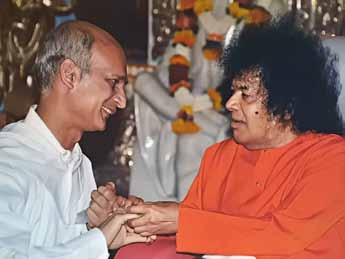
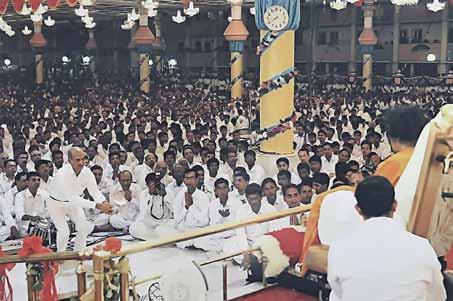
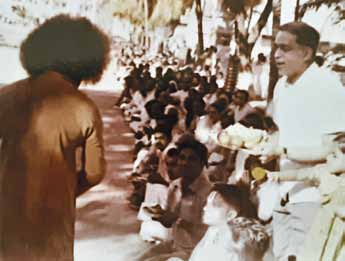
Mano Hriday (MH): We understand you first saw Swami
in 1972. Could you please share your family background, and the circumstances under which you came to Swami? Dr. Vikram Prabhu (VP): My father, late Shri G. Varadaraya Prabhu, was an India Posts Service Officer. In 1963, he was posted at Rajamundry, when Bhagawan visited there between 27-Mar and 2-Apr. Ms. Jayalakshmi Gopinath, who later went on to become the Principal of Bhagawan’s College at Ananthapur, was instrumental in inspiring my father to have His darshan during that visit. Thus began the Saga.
In 1969, I remember attending bhajans in New Delhi at the residence of Mrs. Manna Sunder Singh. We also used to have bhajans in our home with another family.
I had my first darshan in New Delhi in 1972, when Bhagawan visited Delhi and stayed at 16, Golf Links, the residence of Shri Sohan Lal.
It was my father, who had the Divya Dristi to recognize Bhagawan’s Divinity and implored us to worship and follow Him.
MH: Please share a few experiences which stand out in your long association
with Swami. VP: Each experience of a devotee with the poorna avatar, Bhagawan Sri Sathya Sai Baba, is unique, sublime and simply extraordinary. One gets a glimpse into His Divinity and we realize the full import of what He once said, “Nobody can understand My mystery. The best you can do is to get immersed in it. It is of no use arguing about pros and cons. Dive and know the depth; eat and know the taste.
In October 1994, on the occasion of my son’s birthday, we were seated in the Sai Ramesh Hall at Brindavan, Whitefield. Bhagawan came to us and promptly materialized vibuthi without us uttering a word.
In October 2002, the day following Vijaya Dasami, I was seated in the verandah of the Prasanthi Mandir. From a distance, Bhagawan beckoned me for an interview. During the interview, which included my family members, I Dr. Vikram Prabhu is a second-generation devotee of Bhagawan Sri Sathya Sai Baba. After completing his MBBS from Kasturba Medical College, Mangalore, he underwent further training at the Barnes and Jewish Hospitals, Washington University, St. Louis, USA.
Mano Hriday had an opportunity to speak to him about his long association with Bhagawan and as a visiting consultant psychiatrist at the Sri Sathya Sai General Hospital (SSSGH), Whitefield.
Following are excerpts from the conversation:
mentioned to Bhagawan that it was the tenth anniversary of my father’s demise. He has passed away at Prasanthi Nilayam. To this, Bhagawan replied, “I know…”
Bhagawan is the all knowing, trikaala gyani. He once remarked that Lord Shiva doesn’t need a watch, for He is time, Himself, the Kala Purusha. Aren’t these incidents a testimony to His Divine attributes?
MH: How were you drawn to the practice of medicine? How did you choose to specialize in psychiatry?
VP: While in class 10, we were all privileged to be addressed by Professor R.L. Kapur, the Head of Department of Psychiatry at NIMHANS. I was quite inspired and decided to become a psychiatrist. There was no looking back and I pursued becoming a doctor in order to become a psychiatrist. Somehow, studying the mind and its disorders became a passion of mine.
Around the same time I started developing an interest in Indian philosophy and spiritual matters and started reading Bhagawan’s books. I read the Sanathana Sarathi from 1979-80, books by Howard Murphet and Dr. Samuel Sandweiss (The Holy Man and the Psychiatrist), the literature of Swami Shivananda of Rishikesh, who incidentally interacted with Bhagawan and also the Sri Ramakrishna literature.
In 1979, I missed getting into Medicine by a whisker and it was in August that year that my father and I had an interview with Bhagawan, wherein He assured me that I would become a doctor.
In 1985, during an interview I expressed a wish to go to the U.S. in order to pursue the study of psychiatry. Bhagawan asked me to first study it in India and that He would send me to the U.S. later. Subsequently, I joined NIMHANS, Bangalore for my M.D. and later went to the U.S to train in psychiatry.
MH: Please describe how and when you started to serve in the Sri Sathya Sai General Hospital as a visiting psychiatrist? Please recall your interactions with Swami at
the time or thereafter. VP: I still recollect 28-Aug-1976, the day Bhagawan inaugurated the Sri Sathya Sai General Hospital (SSSGH), Whitefield. My father spoke to me about the event, but little did the two of us realize that one day it would be Bhagawan’s will that I too would play a role in it.
Between 1995 and 1997, Bhagawan must have taken three or four letters from me in which I expressed a desire to serve in the Hospital.
On 28-May-1997, Bhagawan was to inaugurate the Sai Mandir in JP Nagar, named “Sai Gitanjali”. The previous evening, there were various rituals, preceding the inauguration by Bhagawan.
I was standing in the premises of the mandir, when a gentleman came up to me and introduced himself. He was Dr. Mayurnath, the Medical Coordinator for Bangalore and also serving at the SSSGH, Whitefield. He enquired whether I would be willing to render my services at Bhagawan’s Hospital. Imagine, I had been praying and waiting and this is the way it got answered! I was joyous beyond my limits.
I met the then Director, Dr. Balasubramanyam, who approved my candidature and I began work from 10-Jun-97, which was a Tuesday.
Bhagawan visited the hospital the very next day on 11-Jun and had a free flowing conversation with several of us. This inspired me even further.
In March, 2001, I began running the psychiatry clinic at SSSIHMS, Whitefield.
Over the years, the staff of the Bangalore hospitals were graciously given interviews by Bhagawan. He encouraged a dialogue and wanted us to raise questions for clearing our doubts. He wanted doctors to lay great emphasis on preventing illnesses rather than mere treatment, when suffering had already set in. He wanted us to convey to the people that with proper Ahara and Vihara (food and habits), many illnesses could be prevented through lifestyle modification.
On one occasion, Bhagawan mentioned that as doctors, we should always bear in mind that when a water tap is opened it gives us water but the source is the river; the tap per se is a mere conduit. Similarly, God is the true healer; doctors are mere instruments.
MH: What have been your observations on patient care since the General Hospital moved into the SSSIHMS-Whitefield?
VP: As a clinician, I am of the opinion that it is good to have a multi-speciality hospital with all facilities on a single campus or in immediate proximity to one another. This helps both the doctors and patients. There is better liasoning, especially when people have multiple co-morbidities and require interventions from several doctors.
Access to medical case records, doctors’ notes, investigation reports and radiological test reports is easier since it is in a common computer database.
Travels from one campus to another was an issue for patients, since many were from outstation and were unfamiliar with Bangalore. The result has been a greater integration of patient care.
MH: Please share a little bit about the types of patients you see and ailments you come across in your out-patient department? Also, touch upon the quantum of consultations
carried out. VP: Each time I attend the OPD at SSSIHMS, Whitefield, I get exposed to a gamut of behavioural disorders.
It spans across several diagnostic categories such as anxiety disorders, mood disorders, schizophrenia, substance use, such as alcohol and cannabis, dementias and finally comorbid psychiatric disorders such as those with Parkinson’s disease, stroke, coronary artery disease and so forth.
On an average, I alone see anywhere between 15-20 patients on a given day. Add to this, the caseload of my colleagues, ours is a reasonably busy department, given the fact there are hospitals and medical colleges with psychiatric services in our vicinity.
The department has become busy with increasing cross referrals from other departments and also people seeking direct psychiatric help.
MH: Swami has spoken a lot about the mind and body connection. Could you please share your insights on how you integrate Swami’s teachings into your practice of psychiatry and patient care?
VP: Bhagawan lay a strong emphasis on the mind-body connection. This is very evident if we go through His discourses. As an example, Bhagawan often mentioned that “Hurry,worry and curry” are responsible for the causation of heart disease.
The hurry and worry components are behavioural in nature and products of our thoughts and feelings.
One of Bhagawan’s aphorisms has been “Always be Cheerful” (ABC), referring to a reasonably equanimous trait. Accepting what happens and trying to adapt appropriately is something to be cultivated.
Acceptance is not a tamasic or fatalistic approach but a state of vigilance, informed and proactive. It helps to move ahead and come up with solutions.
Bhagawan spoke of fate as facing what we encounter with the faith in a higher power. He also referred to self-confidence as the trust in one’s own athmic power or conscience.
Instilling hope is a very powerful tool to promote healing. This is something Bhagawan wanted doctors to instill in patients.
These basic tenets that have been enunciated by Bhagawan can be incorporated by the team of doctors and all the staff dealing with the suffering. The ambience of our hospital further contributes to the healing as is evident from the talks of those visiting it.
Of course, a rock-solid foundation in the science and art of psychiatry is essential. Correct diagnosis and appropriate treatment is necessary. Couple that with the above mentioned and you have a recipe for healing.
MH: In the last few months, there have been other honorary visiting consultants, who have joined you to support more patients visiting the Sri Sathya Sai General Hospital. How do you foresee the growth of the department in the next 1-3
years. VP: This is a miraculous development indeed. I think it is Bhagawan’s will that those who need psychological assistance, be it those with primary psychiatric illnesses or those with medical conditions and needing psychiatric support can now be catered to, more efficiently.
We often talk about a treatment gap in psychiatry that refers to the percentage of people who need treatment for a mental health issue but do not receive it.
Post Covid-19, we at SSSIHMS-Whitefield have been in top gear and the attendance in the OPDs is high.
I am therefore extremely happy and also relieved that we have a larger team of psychiatrists to fulfill the need.
By and large, we hope to deliver better outpatient care, which is state of the art.
Inpatient services are limited to those who are admitted to the hospital for general, medical and surgical conditions. This is because there are legal restrictions imposed on all psychiatrists by the Mental Healthcare Act of 2017. This act regulates and restricts inpatient psychiatric care.
MH: It is said that there is an ongoing epidemic of loneliness and social isolation, which seems to affect children and adults alike. As a practising psychiatrist and a Swami’s devotee, what would be your message to the public on how to live a physically and mentally healthy life?
VP: Rapid urbanization, a shift from the joint family system to the nuclear family and emphasis changing from “We” to “Me” has resulted in loneliness and social isolation. This has reached alarming proportions and cuts across age groups.
Loneliness in children stunts normal emotional growth and optimal social skills are not developed.
In the elderly, these are risk factors for developing depression, substance use and cognitive decline.
Bhagawan has mentioned how family and society are important sub-units for the larger unit of the nation and the entire globe.
He encouraged congregational activities such as singing of bhajans, chanting of prayers and community service activities.
He stressed the importance of Sangha Neethi and Satsang viz. a code of conduct and associating oneself with those who follow lofty ideals in order to transcend the mundane. Once both are followed, both the individual and society benefit.
Maintaining an ideal body weight is another aspect that comes to mind. Bhagawan would often mention He weighed a constant 108 pounds all through his adult life through moderation and balance.
Avoiding “deep wine” (instead of being with the Divine!), along with tobacco, are the bane of modern societies, globally.
Ahara & Vihara viz. proper diet and habits, also need to be taken care of to lead a physically and mentally healthy life.
OBGYN Patient Story · page 13
A Woman’s Journey with an Unseen Struggle
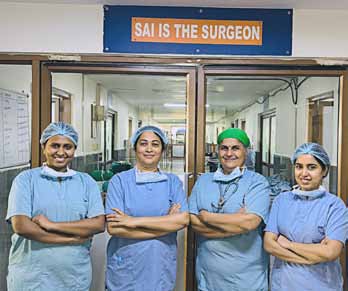
At the Obstetrics and Gynecology (OBGYN) department of Sri Sathya Sai General Hospital, Whitefield, Bengaluru, we are dedicated to providing comprehensive women’s healthcare at no cost. Our range of services includes prenatal and postnatal care, open gynecological surgeries, vaginal surgeries, and minimally invasive procedures, ensuring that every stage of a woman’s reproductive health is looked after with expertise and compassion. In addition, our experienced team of OBGYN specialists offers routine screenings and counseling, all while placing the patient’s comfort and dignity at the forefront.
To enhance the precision and safety of our surgical interventions, we utilize advanced laparoscopic instruments such as a vessel sealer and a cautery machine. Furthermore, our labor room is equipped with a single dome LED examination light, providing clear visibility during critical moments of care.
We also keep ourselves abreast of the developments in the field through attending CMEs and conferences.
Following is a story of a patient from West Bengal, who benefited from treatment at our Institute:
A 40+ year old female patient hailing from West Bengal came to our hospital with a vexing complaint of constant dribbling of urine from the vagina. It began not long after a routine medical procedure called a D&C (dilation and curettage), performed to address an abortion. At first, she noticed only a slight trickle that she couldn’t control. Gradually, it intensified, evolving from an occasional nuisance into a daily ordeal. Even the simplest household tasks became difficult, as she never knew when the leakage might worsen.
For the first few months, she tried to cope in silence. She wasn’t sure what was happening. She felt embarrassed and confused. Each time she coughed or sneezed, she had to rush to the restroom. Over time they grew in frequency.
The social stigmatization of such an issue added even more burden when she couldn’t mask the stench of leaking urine. She could not afford adult diapers due to her financial limitations. Instead, she had to rely on cloth, which increased her risk of infections. She faced both medical and societal hardships, carrying the weight of them in silence.
Initially, she searched desperately for a solution in West Bengal, moving from one healthcare facility to another. Each time, she would scrape together the funds for consultation fees, tests, and travel costs, often spending more than she could realistically afford.
The doctor’s examination and tests finally revealed a condition called Vesicovaginal Fistula (VVF): a tiny tear between the bladder and the vagina that allowed urine to leak uncontrollably. Such fistulas are rare but can occur after surgeries or procedures like a D&C.
Despite finally getting the right diagnosis, specialized treatment was far beyond her financial reach. Surgery to repair the fistula would have required extensive care and follow-up, an impossible expense for her family’s tight budget. With no viable way to pay for the procedure, she found herself forced to carry on with the condition for an agonizing ten years, enduring the daily indignities, discomfort, and stigma that came with it.
She finally found her way to Sri Sathya Sai Hospital, known for its compassionate, cost-free treatment. Learning about a place that would treat her without charge felt like a distant dream becoming reality. From the moment she arrived, she was treated with dignity and thorough care, undergoing tests that confirmed the need for a specialized procedure. The surgical team, including Dr. Shivakumar, visiting Urologist, along with Dr. Geethanjali, Anaesthetist, planned a laparoscopic repair of her fistula. Throughout her recovery, the hospital staff remained attentive to her every need, offering understanding and reassurance. Their kindness eased her fear, and each day of healing strengthened her resolve to embrace a life without constant leakage.
After a decade of suffering and silence, she could finally look forward to a life of normalcy. The day she realized her incontinence had stopped brought an overwhelming sense of relief. Her gratitude ran deep, as she left Sri Sathya Sai Hospital with a renewed spirit and heartfelt awe at the compassion she had received. Free from the weight of shame and financial stress, she returned home ready to rebuild the aspects of her life she had been forced to set aside.
Sai Ram. Dr. Sharmila Nagendran, Addl. Sr. Consultant Dr. Neekita Pradhan, Consultant Dr. Kavya Kshatriya, Sr. Resident Dr. Rachita M. Prasad, Sr. Resident Department of Obstetrics & Gynecology
Cardiac Patient Story · page 14
Healing the Heart
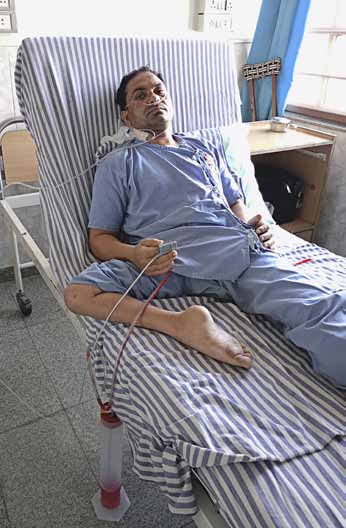
Ajay Kumar Sahu had been serving as an English teacher in a Government school in the Janjgir-Champa district of Chattisgarh State. At a young age, he contracted polio, which affected his right limb.
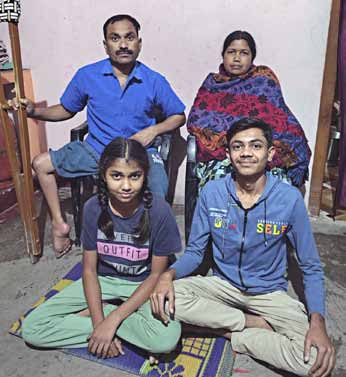
He was diagnosed with heart disease back in 2008 and had undergone a balloon dilation of the mitral valve in 2009, post which his condition was normal. He got married and the couple was blessed with two healthy children.
A few years later, he started having epileptic attacks, which, with the help of medication prescribed by the local neurologist were kept under check.
In Sep-24, he developed breathing difficulty due to which he was unable to carry out his daily activities and continue to teach. His wife was a housewife and he was shouldering the responsibility of the household. As he was eligible for government healthcare, he visited the local government hospitals, who examined him and confirmed he needed a mitral valve replacement at the earliest. Unfortunately, due to some constraints, the procedure was not available in the Govt. hospital and they were referred to a private clinic. He approached a private clinic, but the cost of treatment was beyond his reach. It was a stressful moment in his life.
Through a contact in his hometown, Ajay Sahu heard about the free treatment available at the Sri Sathya Sai Hospital in Bengaluru. Along with his brother, Sanjay, Ajay reached Bangalore later in the month.
After a thorough evaluation at the Institute by the specialists from Cardiology and CTVS departments, he was offered immediate surgery to replace the mitral valve. They chose to return to their hometown and come prepared for surgery shortly. They were admitted at SSSIHMS early December and operated on shortly.
“Ajay Sahu had a few medical conditions, which necessitated intra-departmental coordination, to ensure there were no complications during surgery. We took the support of the dental, cardiology and neurology departments to carry out all relevant diagnostic tests, including a coronary angiogram to obtain clearance for the valve replacement surgery,” Dr. Chittaranjan, Head of Department, CTVS, mentioned.
“The surgery itself was uneventful and the patient was discharged in a stable condition. This case underscored the importance of multidisciplinary collaboration in managing complex cardiac surgeries in patients with significant comorbidities. Preoperative planning, including neurologic and orthopedic evaluation, played a crucial role in ensuring a favorable outcome,” he continued.
“We were so impressed with the services we received at the hospital. Everything was so systematic and meticulous. We are deeply grateful to the surgeons and all the support staff for the loving care we received from the Hospital,” says Sri Sahu, ready to go back home to his family, healed both in heart and soul.
Tech Upgrade · page 15
Gift of ATHMA HIS
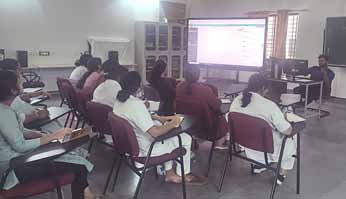
The Hospital Management Information System (HMIS) department at SSSIHMS is dedicated to harnessing technology in improving operational efficiency, patient care, and overall hospital management. HMIS is critical in integrating and managing information systems that support clinical and administrative functions.
In the journey of continuous technological advancement, we have been immensely fortunate to receive the worldclass Hospital Information System, ATHMA as a generous contribution from Narayana Health.
Since 2001, SSSIHMS has relied on a Electronic Medical Records (EMR) that supported the patient processes efficiently. However, technology obsolescence has made it increasingly challenging to meet the demands such as new functionalities, seamless integration with new equipment, maintainability and scalability.
With Divine Grace, we were gifted with state-of-the-art software ATHMA that addresses these challenges and promises to transform our workflows, enhance patient care, and equip us to meet future healthcare needs effectively.
The journey toward selection of a new EMR began with both SSSIHMS-Whitefield and SSSIHMS-Prasanthigram deciding to seek the best available systems to meet the evolving needs of healthcare management. A team under the able guidance of Dr. Sundaresh D.C., Director, SSSIHMS, Whitefield, visited Narayana Health City in August 2023, where ATHMA had already been successfully implemented.
During this visit, Dr. Devi Prasad Shetty, the Founder and Chairman of Narayana Health and the visionary behind ATHMA, personally demonstrated the system’s capabilities and benefits. His generosity was unmatched as he offered ATHMA to our hospitals free of cost as a contribution to the cause of free healthcare for all.
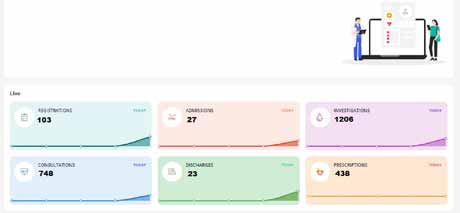
Acknowledging this benevolent gesture, Sri R J Rathnakar, Managing Trustee, Sri Sathya Sai Central Trust and Sri Manohar Shetty, Trustee, Sri Sathya Sai Central Trust took special interest and held discussions with Directors of the hospitals and Dr Devi Shetty, and made the pivotal decision to implement ATHMA. This decision marked a significant step forward in our mission to enhance healthcare delivery through innovation and advanced technology.
ATHMA is built on state-of-the-art, cloud-based, and completely open-source technology. The adoption of a cloud-based system provides unparalleled advantages for hospitals. It ensures real-time data access, improved collaboration among healthcare institutions, and robust data security. It significantly reduces infrastructure costs while enabling scalability to accommodate future growth. The cloud architecture enables enhanced disaster recovery and system availability, making it ideal for modern healthcare environments.
ATHMA’s highly scalable architecture allows for a unified medical record system for patients across all hospitals run by the Trust, avoiding duplication and optimizing resources.
It was decided to implement ATHMA first at SSSIHMS Prashantigram. With the dedicated efforts of a team led by Sri Rohit S Patwardhan, Associate Director, Narayana Health, and Sri Kannan S, HOD, IT services - SSSIHMS, the software was successfully launched in SSSIHMS, Prashantigram on 29-Sep-24. The rollout included both Super Speciality Hospital and the General Hospital.
After a month of stabilization at Prasanthigram, the team is now geared up to implement ATHMA at SSSIHMS-Whitefield during Jan, 2025.
ATHMA includes dedicated mobile apps for doctors and nurses. The implementation of these apps would significantly reduce reliance on paper-based workflows by streamlining digital documentation. This would enable doctors and nurses to dedicate more time to patient care, further enhancing the quality of services we provide.
The journey of implementing ATHMA at hospitals is an extraordinary experience, a work of Bhagawan’s invisible hands. From identifying the need for a modern system to discovering the perfect solution, and receiving it as a generous gift, every aspect has aligned seamlessly to His divine mission of providing free healthcare while staying tuned to advances in technology. As we move forward, we remain grateful for this blessing that empowers us to serve with excellence and compassion. We express our heartfelt gratitude to Swami as He continues to inspire and guide us in His holy mission.
Jai Sai Ram
Sri G.V.R. Subba Rao, Sr. Manager-HMIS
In Conversation · pages 16–17
Dr. Neha Sarda, Visiting Dentist
Mano Hriday (MH): Could you please share your family background, and what / who motivated you to take up the practice of dentistry?
Dr. Neha Sarda (NS): I come from a family of doctors, rooted in the spirit of giving. My father is a dentist and my mother is a psychologist. Both of them, including my grandfather, who was a part of the Indian Freedom movement and my maternal grandfather had worked with Sri Vinobha Bhave. Even my husband, Kaushal Sarda, is also part of the leadership of an impact focused investment fund. They all have had a huge influence on my passion towards creating a social impact through my professional endeavors.
MH: Please share about your parents’ background, which
seemed to have influenced you. NS: My dad, Dr. Harish Rathi, has been a practising dentist for over 50 years in Nagpur, Maharashtra. Firmly grounded in the principles of teamwork and giving back to society, he initiated a project of providing free dentures in collaboration with the Municipal Corporation and Zilla Parishad (local government in a rural community) through which over 4000 individuals received Complete Dentures, at a very subsidised cost over the last 15 years.
As a psychologist, my mother based her PhD thesis on the psychological impact of a better smile on confidence and general happiness levels. The study involved engaging with more than 500 patients. She has also been volunteering her services at a special school for many years.
One of my Uncle’s has done free cataract surgeries via Lions Club for more than 100,000 people over the last 15 years in Udgir, Maharashtra.
Serving others has always been dad’s focus and he has also been encouraging me to take up a “Teeth for All” campaign. With his encouragement, I had been doing my bit of “karm daan” through Rotary and InnerWheel in maintaining dental hygiene in government schools.
MH: Please share a little bit about your practice in Mumbai
under Dr. Sandesh Mayekar. NS: In Dr. Mayekar’s clinic, we were mostly working with well to do individuals and celebrities, who came for aesthetic dentistry and smile design. I always had this thought that smile design should not be restricted only to those who can afford it, but should be accessible to all.
MH: When did you first hear about the Sri Sathya Sai General Hospital?
A: It was about a year ago, and in strange circumstances. A 19-year old house help in our community had a tumour behind her knee. I happened to know Dr. Narasimhan, Medical Director of the Sri Sathya Sai General Hospital, Prasanthi Nilayam, who lived in our community. Over a casual conversation, I happened to mention the girl’s condition. He asked for her reports and referred her to the Whitefield General Hospital. Before we knew it, the girl got her surgery done at the Institute totally free of cost!
This gave me an opportunity to visit the hospital for the first time and since then I have since been highly impressed by the work being done here.
MH: Did you know about Sri Sathya Sai Baba and His Institutions earlier?
NS: I knew very little, though I knew that a world class hospital existed in His name. I did not have the opportunity to know much about the services being rendered, till the opportunity showed up.
Dr. Neha Sarda hails from Nagpur, Maharashtra and graduated from Maharashtra University of Health Sciences, Nashik (MUHS), with a BDS degree. She went on to pursue her Masters in Smile Designing at NYU, USA. After returning to India, she worked at her father’s dental hospital to provide smile design treatment to non-affluent patients. She also did a brief stint with Dr. Sandesh Mayekar, who is considered as the father of Aesthetic Dentistry in India. Dr. Neha moved to Bangalore in 2010, when she started her
private practice.
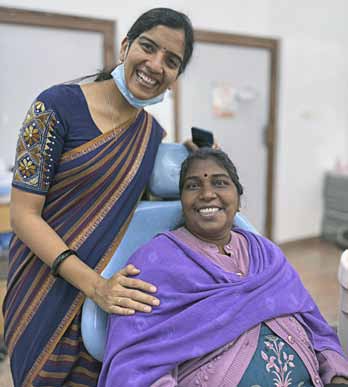
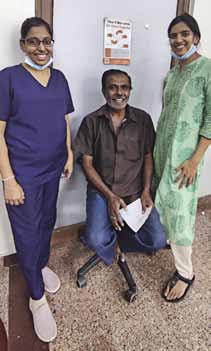
It was chance that brought her to the Sri Sathya Sai General Hospital in February, 2024 since when she has introduced a free dentures program at the Institute
benefiting 45 patients so far.
Following are excerpts of the conversation Mano Hriday had with her about her journey…
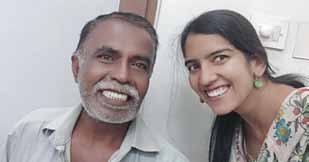
MH: How did your association with the dental department of the Sri Sathya Sai General Hospital come about?
NS: So, after the househelp getting her surgery done at the Sri Sathya Sai Hospital, I visited the hospital and got the opportunity to meet Director Sir, Dr. Sundaresh and Praveen sir. Interactions with them led me to explore the possibility of serving at the Institute, especially in the area of oral rehabilitation.
Soon after, I sent a formal proposal to the Director about starting a free-of-cost denture program, where a team from my clinic would come to the dental department every ten days, to work on patients, screened and short-listed by the resident dentist.
The Director was very supportive and so was Dr. Vijayendra, the Head of Department, I would also like to make a special mention of Mr Mahadevan as the initial encouraging nudge from him got us started.
MH: How many patients benefited from the program so far? Could you please share a few case studies from your experience?
NS: The program started in Feb, 2024 and till date a total of 45 patients benefited from the program. It has been overwhelming to see the smiles of the patients, and also read their letters of gratitude and appreciation.
I vividly recall a Sevadal volunteer, who used to teach Vedam to youngsters. Due to her loss of teeth, she lost the confidence and ability to teach. After she received her dentures, she broke out into a beautiful bhajan, to express her gratitude.
Another was a case of a polio-affected woman, who came to us in a wheelchair. Post oral rehabilitation, she gained the confidence to take up a job and become self-reliant.
There are so many such heartwarming stories. What has been truly inspiring is the opportunity to treat patients who have lost all their teeth in their early 40s. The positive impact of such treatment is the highest in terms of quality of life.
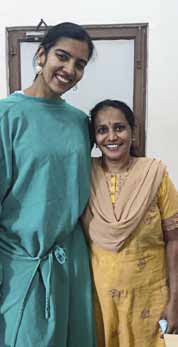
MH: How do you find the working environment in the hospital?
NS: I feel at home here and the working environment is very conducive for carrying out high impact work. The commitment of Dr. Anuradha, Dental Surgeon and Ms. Sunita Kanal along with the entire staff and volunteers have been exceptional. I really enjoy working with the team that we have brought together for this initiative.
MH: How have your family reacted to this decision to serve at the Institute?
NS: I must confess that I wanted to start volunteering when I get older; it was during my 40th birthday last year that my family prompted me to get started giving back, and this opportunity to serve at the Sri Sathya Sai Hospital showed up. They are of course very happy with the work I get to do here.
MH: As a dentist, what advice would you give to the general public about dental health?
NS: The mouth is the gateway to the body and I find that in an age where we count our calories, and give attention to gut health, not adequate attention is given to dental health and hygiene. It is really sad that India leads the world in the number of oral cancer cases. There have been found to be correlations between dental health and diabetes; there are also ongoing studies of correlation between dental health and heart health. I am a strong advocate of dental hygiene and people learning the basics of how to correctly brush their teeth, night time brushing and eating more fibrous foods, which are known to promote gum health.
I hope that someday that oral health awareness and adoption reaches levels where the need for dentures becomes minimal.
Staff Contribution · pages 18–19
How I Came to Swami
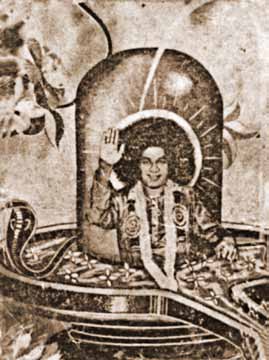
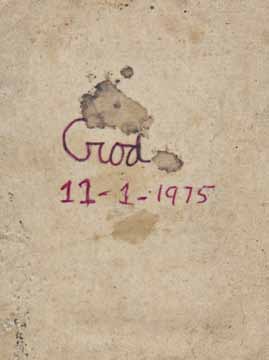
I never knew anyone by the name Sri Sathya Sai Baba at all till my School days, College days or even after I started my first job with Bombay Hospital, Bombay.
My parents were not followers of Swami but they were highly spiritual, performing daily rituals.
On my 11th birthday on 11-Jan-1975, a school friend gifted me a rare photograph of Swami (I did not know Him as Sri Sathya Sai Baba at the time) with just the word “God” written behind the photograph.
Though I did not realize who Swami was at the time, that photo remained with me and was religiously preserved for reasons known only by the Almighty Himself.
In 1987, I got the opportunity to go abroad for a job with Defence of U.A.E, Abu Dhabi. I took the opportunity & landed in a totally new place.
In the first week in Abu Dhabi, I came across Mr. Raman, a Sai Devotee from Chennai, now settled in AbuDhabi. They had regular bhajans in their house on Thursdays and Vedaparayanam & Lalitha Sahasranamam on Fridays. I started attending these sessions.
Since on Thursdays, we worked only half days and Fridays were weekly holidays in the UAE, I used to visit them Thursday evening, attend Bhajans, stay over for the Friday activities & return to my residence Friday evening. I continued this routine for six years and during this period was drawn to Swami’s books.
Slowly, but steadily, year after year the activities increased. We had study classes, blood donation camps & satsangs and so on. The study classes started in the house of one Mr. Damodaran & the topic was “Ceiling on Desires”.
It seemed strange I got to know of an alliance for marriage through an advertisement in a newspaper published in Dubai. After consulting my parents and obtaining their approval, my would-be wife, Malathi and I got engaged in Dubai on 15-Dec-1992, with only a photo of Swami as the Guardian. Looking back, I cannot imagine this could happen unless Swami willed it so.
We got married in India on 25-Jan-1993. I posted the wedding invitation to Swami & I was thrilled to hear from a friend of mine in Puttaparthi that Swami had inquired with him about my marriage! I was moved by the concern Swami shows for His devotees.
After our marriage, we both visited Puttaparthi for Swami’s Darshan and returned to Abu Dhabi.
Here below are a few incidents to highlight Swami has been taking care of our family:
1. I have had the privilege of working for Swami’s ”Temple of Healing”, since 2000, prior to its inauguration. 2. He blessed my wife during a complicated first delivery,
through Swami appearing in her sister’s dream and performing the delivery.
3. My son Vidhya Ganesh R studied in Swami’s College, during which Swami blessed him in Jan, 2011, which enabled him to pursue a Doctorate in Space Science from an Overseas University on a fully funded scholarship. 4. My daughter Gayatri R’s imminent birth was intimated to
me by Swami during the padanamaskar after Seva in 1996, when He uttered the word “Baccha” (Child) with a smile. It was only later on we realized Malathi had conceived the second time.
From the above and so many other experiences, there is no shred of doubt in my mind that Swami is the Divine Director and we are only mere actors on this stage of life. Let us all pray that we follow the Director’s instructions, so our lives are fulfilled.
S.K. Rangarajan
Technical Consultant, CSSD & Laundry Sai Ram. My name is Manjunath. I am residing in Dinnur village, located close to Sri Sathya Sai Brindavan Ashram. My father, late Ramaiah, served in Brindavan ashram for 52 years. My mother also served in the Ashram, Sri Sathya Sai General Hospital and superannuated after serving at Sri Sathya Sai Super Speciality Hospital.
By Swami’s grace, my father made me join the housekeeping department in the hospital in 2001. Seeing my dedication and work efficiency, the CSSD Supervisor, Sri Rangarajan got me promoted and I am now serving as a CSSD technician in the department.
Sri Sathya Sai Institute of Higher Medical Sciences Sri Sathya Sai Institute of Higher Medical Sciences
Report · pages 20–21
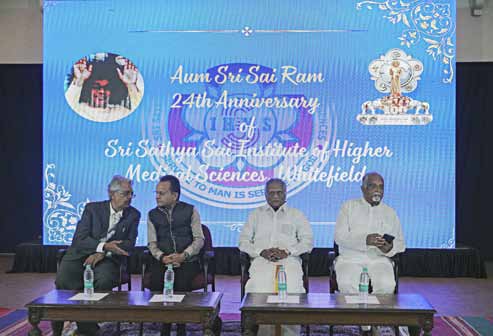
24th Anniversary Celebrations
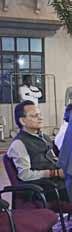
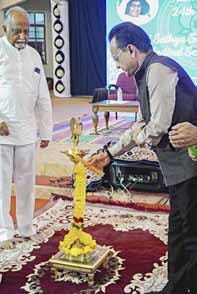
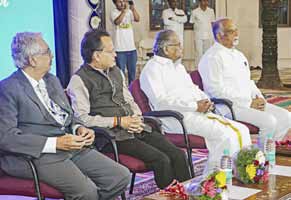
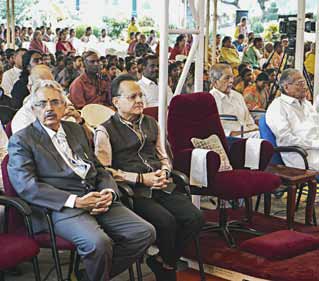
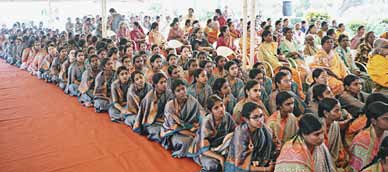
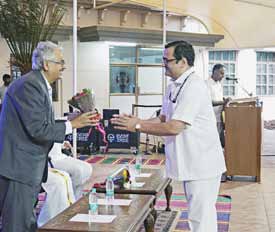
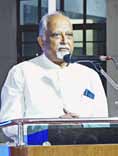
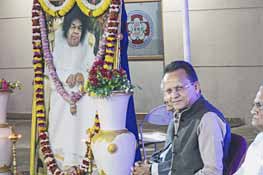
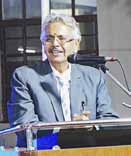
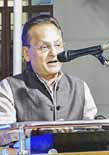
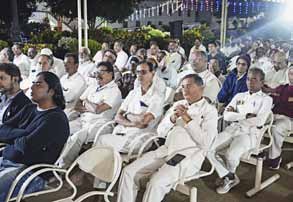
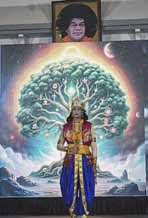
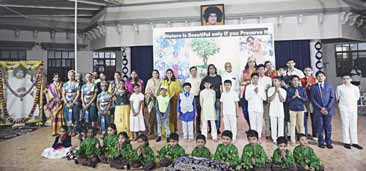
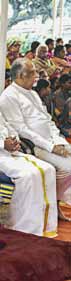
The Hospital was looking resplendent on the eve of the 24th Anniversary. Sri S.S. Naganand, Trustee, Sri Sathya Sai Central Trust, was the chief guest. Sri Bijay Agarwal, Managing Director, Sattva Group was the guest of honour, along with Sri K. Chakravarthi, IAS (Retd.), Chancellor, Sri Sathya Sai Institute of Higher Learning.
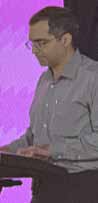
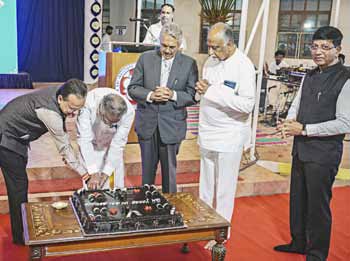
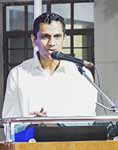
The program started with an invocation, lighting of the ceremonial lamp and cutting the cake. Dr. D.C. Sundaresh, Director welcomed the gathering and presented a report, wherein he highlighted the patient care activities and the various training & sustainability initiatives being undertaken at the Institute. This was followed by a talk by Sri S.S. Naganand, in which he reminisced about the inception of the hospital, and how patient care services have grown from strength to strength over the years.
In his speech, Sri Bijay Agarwal applauded the services of the Institute. He recalled how he was amazed to note during his first visit to the Institute that the Hospital did not have a billing department. He assured his continued support to the Institute.
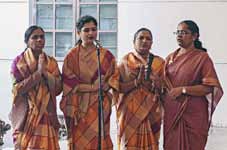
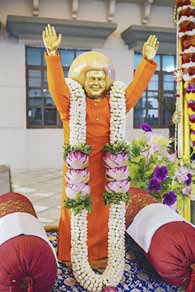
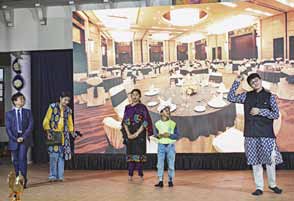
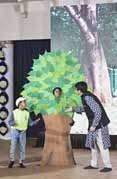
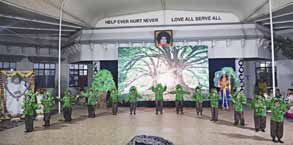
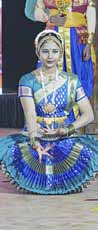
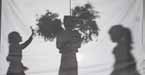
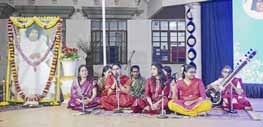
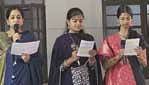
After Bhagawan’s message, which followed the talks, the Bal Vikas children of the campus put up a drama presentation titled “Tree Lok Adalat”, highlighting the significant role trees play in our lives. It was very well executed by the children and received by the audience. This was followed by a poem recitation and a mellifluous, musical offering by a talented team of doctors.
The evening ended with Arati to Bhagawan and a prayer to keep us healthy, to continue to serve Him through serving the patients visiting the Institute.

Volunteering · page 22
Sai Seva & SSSIHL Alumni Speak
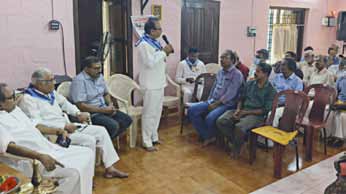
On 20-Oct-24, the auspicious day of Avatar declaration, a training program for the district level POCs of the Sai Rehabilitation Program (SRP) was conducted under the patronage of Dr. Anand Mohan at Sri Sathya Sai Institute of Primary Health Care, Shoranur, Palakkad district, Kerala.
In the afternoon on the same day, a “Hrudaya Sangamam” viz. a get-together of patients operated at the super speciality hospitals of Bhagwan was organized. 25 sevadals,13 office bearers, 40 patients and 3 doctors, including a cardiologist, attended the program.
- Dr. Sethu Sivan, Coordinator
Sai Rehabilitation Program, Kerala When I shifted from Noida to Bangalore in October 2022, due to family commitments and a deep inner calling, I was unsure what to do. As I was mentally conversing with Swami one morning, I received a call from my ex-colleague of Anantapur College, who suggested I find out if I could volunteer at the MRD (Medical Records Department) at SSSIHMS-Whitefield.
That phone call turned out to be a defining moment in my life. I applied and received an opportunity to volunteer in the MRD and there has been no looking back ever since.
Although the tasks appeared small on the surface, they brought about a profound transformation in me. They taught me the value of discipline, focus, and attention to detail. Performing these duties gave me a sense of purpose and instilled in me a deeper understanding of humility and the joy of serving selflessly.
This journey marked a turning point in my life, making me go to the MRD every single day, and brought about an inner change I never imagined could happen.
During this period, I developed an intense pain in my knee making walking next to impossible. An MRI revealed a miniscus tear for which the doctor put me on walker support, saying recovery would take at least two months.
I continued to go to MRD with my walker, praying to Swami all the while, seeking Him to do what was best. The pain vanished within two weeks, never to return till date!
The Seva Swami assigned me at the MRD, is but a tiny drop in His Mission, but His Love and Energy helped me transcend my physical limitations and demonstrated to me that if we just take one step towards Him, He will run a 100 steps to save His devotees.
The past two years have been remarkable and I continue to thank Swami for this beautiful opportunity He has bestowed upon me.
It wouldn’t be wrong to say that MRD stands for Swami’s Miraculous Redemption of our Deeds.
Jai Sai Ram
Renita Abbi, Alumna Sri Sathya Sai Primary School (1987-90)
Sri Sathya Sai Institute of Higher Learning (Anantapur campus) & Gold Medallist, B.Ed (1994)
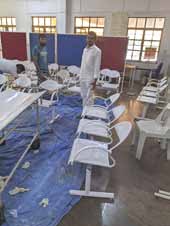
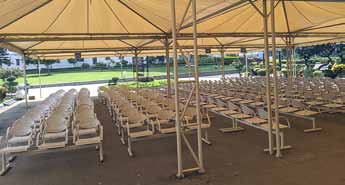
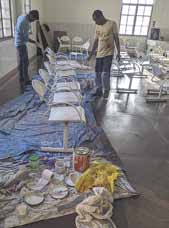
Sevadal, Sri Sudhakar, took the initiative and got the 300 triple-seater chairs in the patient waiting area in the Reception Block painted as a ‘Sai’lent Seva.
Volunteering · page 23
SSSIHL Alumni Hospital Seva
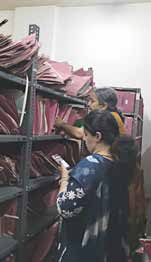
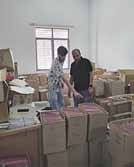
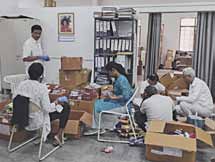
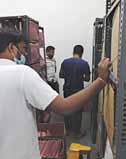
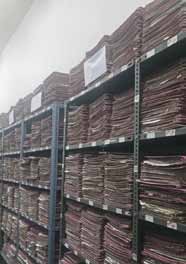
About 10-12 of us visit every week and we have been allotted work in the MRD Godown (Gods Own!) to assist the MRD staff in sorting out files and segregating the paper and files into recyclable and retainable. These are subsequently stacked in the files for easy access and further action.
We will shortly be undertaking the digitization of the files as well.
We consider it a blessing to have been given an opportunity to serve in this Temple of Healing
Alumnae, SSSIHL (Anantapur Campus)
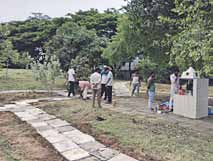
The Sri Sathya Sai Institute of Higher Learning (SSSIHL) Alumni Hospital Seva began in 2015, initiated by a group of passionate alumni, to stay connected with Swami and the hospital. After a two-year hiatus due to the COVID-19 pandemic, this Seva engagement resumed in February 2023.
The primary goal of this service is to facilitate Sadhana through action, keeping God in mind amidst busy work schedules. The Seva takes place on the third Saturday of every month, with an average participation of 15-20 volunteers, including SSSIHL alumni, SSSHSS alumni, and their families.
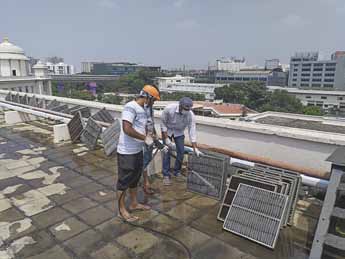
Volunteers support various administrative and back-end departments with both routine and special tasks. Over the past year, they have assisted departments such as Medical Records (MRD), Maintenance, Electrical, Library, College/ Hostel Administration, Dietary, Neuro OT, Pharmacy, and HMIS.
Each month, volunteers are blessed with the opportunity to receive Swami’s blessings around noon in the Swami Room, where we chant Sai Gayatri and sing a Bhajan. We express our sincere gratitude to Swami and the hospital staff for this invaluable opportunity.
Alumni, SSSIHL (Men’s Campuses).
Infection Control Committee · page 24
Committed to Zero Infections
Sri Sathya Sai Institute of Higher Medical Sciences is a unique medical institution, where advanced medical care is provided totally free of cost, with love and compassion.
Just as complex as the cases we deal with is the complexity of the patients, who visit us. We are open to all patients without any discrimination of caste, creed, race or religion.
PATIENT CARE COMMITTEE
The Patient Care Committee (PCC) and Hospital Infection Control Committee (HICC) are two administrative mechanisms to ensure patients treated at our Institute receive the best course of treatment from admission till discharge. They also look into the physical aspect of care
- like comfort of the patient, amenities provided in the hospital, processes etc. essential to achieving the desired level of patient care.
Every three months, the PCC conducts a retrospective study to review and identify gaps in the treatment and takes corrective measures to eliminate / minimize them.
The PCC meetings are collaborative efforts between treating physicians, pharmacists, microbiologist, facility management team, managers and administration to ensure the patient is kept as our top priority.
The meetings review aspects such as infection rates, antibiotic course completion, control of chronic diseases as a prerequisite for surgery, prevention of long stay, corrective & preventive actions, etc.
Being a 100% free hospital, one of the key indicators is the capacity utilisation of all resources, be they human, or other resources to ensure optimum utilisation. Towards this endeavour, PCC reviews overall productivity.
HOSPITAL INFECTION CONTROL COMMITTEE
The HICC is responsible for the implementation of the Hospital Infection Control (HIC) program.
The Director is the Chairman of the HICC and the Microbiologist the Secretary. The members are made up from across functions and departments, to ensure adequate representation of all stakeholders.
Surveillance of clinical, microbiological and epidemiological data collected from various sources forms the basis of action by the HICC to identify areas of improvement and formulate an action plan.
The surveillance covers the following areas: Hospital Acquired Infection (HAI) surveillance including monitoring of CLABSI, VAE, CAUTI, SSI and Antimicrobial Resistance (AMR) surveillance, including developing an antibiotic policy and recommend remedial measures, when antibiotic resistant strains are identified.
Environmental Surveillance (ES) surveillance of air, water, surfaces in OTs/ICUs and high-risk areas, involving monitoring of chlorine, TDS levels in water to ensure it is pathogen free and safe for use. Guidelines for decontamination are prepared for implementation on a periodic / as-needed basis.
Hand-hygiene surveillance (HHS) is carried out periodically and a report generated and shared with all departments to ensure compliance with standards.
Apart from surveillance, the HICC also monitors segregation of biomedical waste as per guidelines and submits waste data to the Pollution Control Board on a monthly basis. Periodic training is provided to all the concerned staff to segregate the waste responsibly.
Monitoring sterilization and disinfection practices, functioning of CSSD and laundry services, preventing needlestick injuries, pest control and outbreak investigations, staff healthcare activities, preparation of HIC manual and updating it, also come under the scope of HICC.
STANDARD INFECTION CONTROL PRECAUTIONS (SICP)
The Hospital relies on trained staff to follow SICPs to ensure safety of patients, staff and visitors in the care environment.
These include assessment of infection risk, hand hygiene, respiratory and cough hygiene, personal protective equipment, safe management of care environment, equipment, linen and blood and body fluids.
During 2024, following improvements have been made by the HICC to improve the patient care at SSSIHMS:
1. Procalcitonin test introduced to measure the risk / extent of infection.
2. Improvements made in transportation of biomedical waste to ensure zero spillage between wards and the temporary storage area.
3. De-escalation of antibiotics in all departments
4. Rates of infection continue to be lower than national reference values.
Infection control is the need of the hour and individual responsibility is sacrosanct for the success of the program. Also, it is our collective endeavour to safeguard the patients, who trust Bhagawan and His instruments, the staff, through following the protocols and ensure the patients have an infection-free stay at SSSIHMS-Whitefield.
Dr. Renuka Neravi
Microbiologist & Secretary, HICC
Cardiac Patient Story · page 25
The Gift of Life
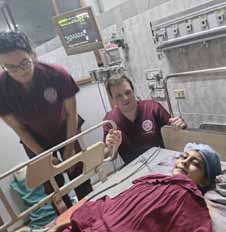
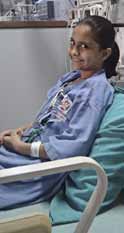
Mohammed Zumair worked as an AC technician in Bhopal, Madhya Pradesh. In Oct 2013, he got married and a year later, he and his wife were blessed with a baby girl, whom they named Hiba, meaning “Gift”.
Being the first child, they showered all their love on Hiba. Hiba, however, seemed distant and did not respond to their calls. When she was 6 months old, they took her to a child specialist, who examined her and informed she had a hearing disability, which affected her speaking abilities as well. This left Zumair and his wife very worried about the future of their child.
Being from a middle class family, they took time to consult specialist doctors and only at age three, they could arrange a cochlear implant. They also provided her speech therapy, which seemed to help her.
An unexpected turn of events struck when the child was little over 3-years. She developed convulsions. The father again rushed to various hospitals in Bhopal. A senior cardiologist in Bhopal diagnosed a hole in Hiba’s heart, which needed to be closed. This did not however explain the fits. Visits to a neurologist and subsequent MRI also did not help diagnose her condition. Only after genetic testing was she was diagnosed with Jervell Lange Nielsen syndrome, a rare genetic disorder, whose symptoms include delayed speech, language development and most importantly life-threatening rhythm disturbances of the heart called ventricular tachycardia manifesting as seizures due to severely reduced blood flow to brain when they occurred.
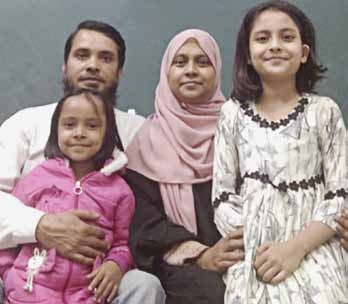
The local doctors thus informed Zumair that given Hiba’s condition, she not only required the hole in the heart to be closed but also needed a pacemaker to regulate the heart beats and ward off life threatening arrhythmias. He was devastated to hear the story but more so also since the hole closure would itself cost up to Rs. 1.5 lakh and the ICD pacemaker an additional Rs.10 lakh. This was way beyond what he could imagine to afford. Zumair, known for his integrity and perseverance as a technician, persisted in finding a cure for his daughter and started seeking help.
It was through social media in Jan 2024, almost four years later Zumair came to know that Sri Sathya Sai Hospital, Bangalore offers free treatment for cardiac and other ailments. He contacted the hospital helpline and received an appointment to visit the hospital in February, 2024. Hiba was now almost 10-years old.
The cardiologists at SSSIHMS examined Hiba and confirmed the atrial septal defect. Additional tests were done to confirm her need for a pacemaker. The hole had to be closed before implanting the pacemaker so clots won’t be let off in the brain and body. Hiba underwent a staged device closure procedure in July 2024, during which the hole in her heart was closed through a 2 mm incision by the Cardiology team. One hurdle safely crossed. Now, the next hurdle needs to be crossed soon, lest she develop rhythm disturbances in the interim. It was a tightrope walk!
Zumair brought back Hiba late September. The team, along with a team of visiting doctors conducted an electrophysiology study to confirm the need for an ICD. The rarity of the disease surprised even the overseas team.
In October, an ICD was implanted, which would save Hiba’s life from rhythm disturbances and allow her to life a normal life.
Tears of gratitude coursed down Zumair’s cheeks as he received news of the successful procedure. “I am indebted to Baba, the Hospital, the Trust, doctors, nurses for the loving care provided,” he said, choked with emotion. I have never seen such a caring team,” he added.
“We could imagine his relief post these two procedures. We all grew very fond of the child, as even while undergoing treatment, she was very cheerful. Swami gave her the best possible and we will be as a team ever grateful to Him,” said Dr. Reeta, Head of Department, Cardiology.
Cardiac Patient Story · page 26
Journey of Healing & Service
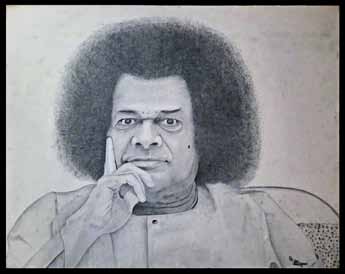
In the heart of Whitefield, Bangalore, SSSIHMS stands a beacon of divine grace and compassion. Since its inception in 2001, this institution has embodied the spirit of unconditional love and service, reflecting the teachings and divine will of Sri Sathya Sai Baba.
When my father, Murugesan, suffered a heart attack in April 2001, the exorbitant cost of surgery seemed insurmountable. We learned about this extraordinary institution through my cousin Mohan, who worked in the operation theater there. His timely intervention and the selfless dedication of the hospital staff, saved my father’s life. Today, more than two decades later, he is thriving, a living testament to the divine intervention that took place in that hospital.
A Life Saved Through Divine Grace and Skillful Hands
Despite the complexity and high risk of the case, the medical team, led by Dr. Shekhar Rao, decided to proceed, placing their trust in Bhagawan’s grace. The surgery was a success. What initially seemed insurmountable became a reality through the power of faith and medical excellence.
A year later, my father presented a hand-drawn pencil sketch of Bhagawan to Dr. Rao. Initially, the doctor declined the gift, adhering to the hospital’s policy of not accepting any form of compensation. However, upon realizing that it was a portrait of Swami, he accepted it with deep reverence as an offering of love and faith. This gesture encapsulates the spirit of the hospital - a place where love, devotion, and service converge.
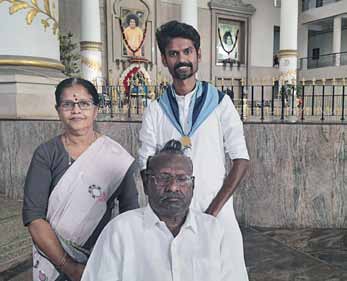
A Child’s First Encounter with Divine Service
At the time, I was a young boy, awed by the grandeur of the hospital and inspired by the serene yet powerful energy that permeated its walls. The selflessness of the volunteers, known as Seva Dal, left an indelible mark on me. They worked tirelessly, not for recognition or reward, but purely out of love for humanity and their love for Bhagawan. This early experience planted the seeds of service in my heart. I didn’t fully realize it then, but those seeds were destined to bloom later in life.
Returning as a Seva Dal: A Fulfilled Promise
More than two decades after my father’s surgery, I had the privilege of returning to the hospital as a Seva Dal. For five days, I served food to patients and their families. It was a humbling and enriching experience that reaffirmed a core tenet of Baba’s teachings: selfless service is the highest form of worship.
Despite the long hours, the physical effort felt light because of the joy that came from serving others. Each smile, each expression of gratitude, reminded me that true fulfillment comes from giving.
Spiritual Nourishment: The Teachings of Baba
During my time at the hospital, I found solace and inspiration in Swami’s teachings, particularly in the book “Vahini”. One passage stood out to me:
“Seva is the highest spiritual discipline. Remove all obstacles to love, and you will find the divine.”
Swami’s words reminded me service is not merely an act-it is a path toward spiritual growth, a way to cleanse the heart and elevate the soul. Through service, we dissolve the ego, develop compassion, and come closer to understanding the true purpose of life.
A Living Testament to Love and Service
SSSIHMS is a living testament to the power of love and service. Baba’s teachings come alive within its walls, as doctors, nurses, and volunteers work together to heal not only the body but also the spirit.
For me, this journey has come full circle. What began as a child’s awe at witnessing the power of service has grown into a lifelong commitment to giving back. The hospital taught me that true wealth lies not in what we accumulate but in what we give. And as I reflect on my time there, I am filled with gratitude—for my father’s life, for the opportunity to serve, and for the divine grace that continues to guide my path.
Sri Nisha Sowdri, Son of Sri Murugesan
Tech Upgrade · page 27
From Copper to Light - A Tech Transformation
Looking back at the extraordinary journey of transforming our hospital’s telecommunication infrastructure, I am overwhelmed with gratitude and a sense of wonder as to how Bhagwan Sri Sathya Sai Baba’s invisible hand guided us through what seemed like an insurmountable challenge.
In the past two decades, our beloved SSSIHMS had been grappling with a persistent telecommunication challenge. In 2014, we made significant progress by transitioning from multiple trunk lines to PRI marking a transformative upgrade in our telecommunication infrastructure. To understand this improvement, imagine replacing several unreliable narrow roads with a modern, multi-lane digital highway. While the old trunk lines were independent copper connections that could handle only limited simultaneous calls and were prone to interference and breakdowns, the new PRI system provided a single, robust, digital connection capable of handling multiple simultaneous calls with crystal-clear voice quality.
Furthermore, with 300 Direct-inward-Dialing (DiD) numbers, each department and key staff member could have their own direct extension numbers, eliminating the need for all calls to go through a central operator. This meant that patients, doctors and vendors could reach relevant departments efficiently without delay. This upgrade significantly reduced the frustration of busy signals and waiting times that patients previously experienced, while also improving the hospital’s operational efficiency. Yet the aging copper multi-pair telephone cable remained a constant source of concern.
This infrastructure vulnerability was particularly worrying because, unlike modern Optical Fiber Cables (OFC), copper cables are susceptible to environmental factors like moisture and electromagnetic interference, leading to frequent disruptions that threatened the critical communication lifelines of our healthcare institution.
Faced with numerous challenges, the state-owned BSNL Corporation, despite their best efforts, faced many challenges in providing OFC connectivity for the PRI line. Each service interruption posed a risk to our ability to provide seamless patient care – a situation that deeply concerned us, given our sacred mission of serving humanity.
With the guidance of Sri C. Sivakumar, the Sr. Manager of HMIS, Networking & Telecommunication Department and with the support from many devoted staff members and well-wishers, our team humbly took the initiative to address this challenge. What followed was nothing short of divine intervention, a testament to Bhagwan’s promise that He is always present, always guiding those who serve selflessly.
Miraculously, the necessary resources and materials for the project came together in ways we could never have imagined. While professional agencies would typically require months of planning and procurement, we found ourselves blessed with all the required components – the fiber optic cable, protective casing, and all accessories – manifesting as if by Swami’s own design. The superior qualities of fiber optic cable, its immunity to electromagnetic interference, higher bandwidth capacity, lower TCO and significantly better signal quality over longer distances, would soon prove transformative for our institution.
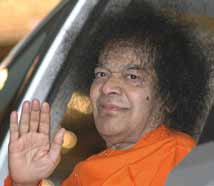
Our implementation strategy took shape through a unique collaboration. Working hand in hand with the hospital’s gardeners, we carefully excavated a trench through the hospital lawns. Our focus was to preserve the sanctity and beauty of the landscape. The cable’s route stretched from the Sri Sathya Sai Metro station to the hospital’s basement termination room – a challenging 1000-meter journey.
Remarkably, what professional telecommunications teams estimated would take 90 days, our dedicated team completed in a mere 21 days. This was not just efficiency; it was divine orchestration.
After our groundwork and preparation was complete, the BSNL team, recognizing and appreciating our institution’s core values, swiftly stepped in to establish the final connectivity of our PRI line on the optical fiber cable.
We now enjoy seamless, reliable connectivity, thanks to the superior stability of fiber optic technology. More importantly, our ability to provide uninterrupted patient care has been significantly enhanced.
The Bank of India branch located within our hospital premises also benefited from this upgrade, receiving their broadband connectivity through the same optical fiber cable. Additionally, this infrastructure has opened up new possibilities for our institution and residential campus, including the option to access high-speed internet connectivity from BSNL.
Beyond the technical aspects, I am convinced that this was more than a telecommunications project. It was a living example of Bhagwan’s eternal principle: “Hands that serve are holier than lips that pray.” Every member of our team, from the telecommunication professionals to the gardeners who helped us, became an instrument of His Divine Will.
With deepest gratitude to Bhagwan Sri Sathya Sai Baba, we offer our humble pranaams. This project stands as a small tribute to His boundless love and miraculous guidance.
Sai Giridhar Vedula, Dept. of HMIS & Telecom
SSSIHMS-Whitefield
Sustainability · pages 28–29
Go Green Initiatives
Solar Power Generation
To supplement the efforts towards clean energy production, a 180 KVA solar power plant was commissioned on 4-Dec-24 at SSSIHMS-Whitefield by the Managing Trustee Sri R.J. Ratnakar and Trustee, Sri Manohar Shetty, in the presence of the Director, Dr. D.C. Sundaresh.
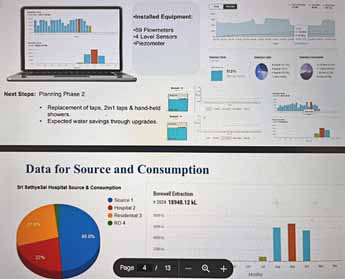
With this, the existing solar power generation at SSSIHMS went from 100 KVA to 280 KVA. Both the plants are expected to generate 4 lakh units of power per annum, against an annual requirement of 36 lakh units.
SSSIHMS was the first hospital in India to install a 100 KVA solar power plant in 2016 and now SSSIHMS College of Nursing is the first nursing college to install a solar power plant of this capacity on its premises.
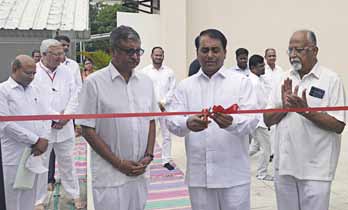
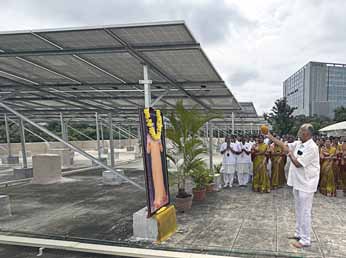
Smart Water Management System installed


Considering the medical services provided completely free of cost by SSSIHMS-Whitefield, M/s Fluxgen Sustainable Technologies and Microsoft Foundation have came together to provide a Smart Water Management System to the Institute as their contribution, to support the sustainability initiatives of the Institute.
The solution comprising 57 ultrasonic digital water flow sensors with IoT data acquisition devices will measure flow of water, water output from the borewells, drinking water and treated water consumption across campus and provide real time analysis of water consumption. It would help identify underground leakage of water and aids in rectification. In phase two, they would also be taking up.
SSSIHMS ties up with Bintix for Dry Waste Management
In a further effort towards going zero waste to landfill, the SSSIHMS-RWA has entered into an MoU with Bintix Waste Research Pvt. Ltd. to collect and process segregated dry waste from the residential campus of SSSIHMS-Whitefield. They started operations early 2024 on the eve of World Zero Waste Day on 30-Mar-24.
As part of the process, the residents are incentivized to segregate their waste and can see their environmental impact through an impact dashboard on their mobile phones.
Bintix is an award-winning company in the waste technology sector, and has been responsible for processing close to 4,000 tons of waste and keeping them away from landfills.
The SSSIHMS-RWA has already been composting the organic waste for a few years and the compost generated is being used in the nutrition garden, supplying fresh fruits & vegetables to the public canteen and dietary kitchen.
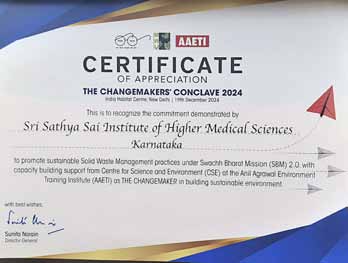
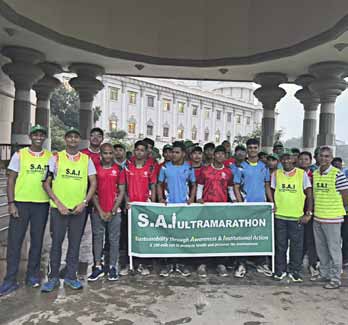
Re‘SAI’Cle - Bal Vikas Summer Camp
The Sri Sathya Sai Seva Samithi, SSSIHMS Whitefield based the Balvikas Summer Camp 2024 on the theme, ‘ReSAIcle’, to sensitize children about waste management. The 2-week program included sessions on waste segregation, composting, book-binding, art from waste etc. During the camp, children undertook plogging on campus, visited the Swachhagraha Kalika Kendra, a composting learning centre, and a Material Recovery Facility to see waste being processed and sent for responsible recycling. The children put up a drama about Reduce, Reuse, Recycle on the final day.
SSSIHMS Whitefield recognised as a Changemaker
Since 2021, SSSIHMS-Whitefield has recycled over 100 tons of waste through authorized recyclers. On Dec-19-2024, the Centre of Science and Environment acknowledged the efforts made by SSSIHMS as a Changemaker towards a sustainable environment and was featured as a case study in a report brought out during an event held in New Delhi, in the presence of Ms. Roopa Mishra, JS & Mission Director, Swachh Bharat Mission.
S.A.I. Ultramarathon
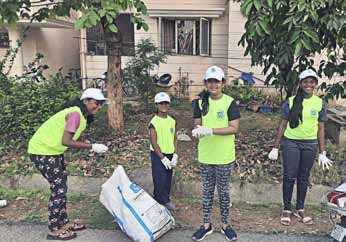
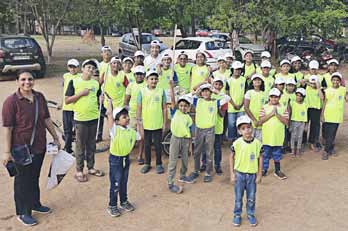
In the Centenary year of Bhagawan’s advent, the third edition of the 100-mile S.A.I Ultramarathon was held on December 13-14, 2024. Satish, Jay and Bharatesh, ran the 161 km from SSSIHMS-Whitefield to SSSIHL-Prasanthi Nilayam over two days.
This year, students of the mens’ campuses of Sri Sathya Sai Institute of Higher Learning joined in the run for a short distance. The marathon also coincided with the Sustainability Week celebrations conducted by the Brindavan campus of SSSIHL.
Volunteer Story · page 30
Serving the Lord through His Devotees
Imagine this: You stay at Nagarbhavi in Bangalore, 34 km from the Sri Sathya Sai Hospital in Whitefield. You wake up at 4:30 am, get ready by 6 am to catch a bus to reach the Hospital by 7:30 am, serve till 4 pm, and then head back to the city to reach home by 7 pm. Next morning, you rinse and repeat!
Further, imagine this: you are 81 years old, having undergone bypass surgery, and having lost one eye in an accident.
Can you fathom the motivation needed for someone to keep up this routine for just one week, let alone decades!? Well, this has been the daily routine of Sri Nanjundaswamy, a Sevadal volunteer, who first saw Swami in 1992, and ever since has been an ardent devotee of Bhagawan.
Qualified as an Electronics Engineer, he was selected to work as a Radar Engineer for over a decade before his retirement. During his service, he travelled extensively across length and breadth of the country, to install radars for defence purposes.
Even during his career, he used to frequent Brindavan ashram on weekends for Bhagawan’s darshan. During his annual leave, he used to exhaust his earned leave quota, traveling to Prasanthi Nilayam and serving as a Sevadal there.
Post retirement in 2003, while he would have been justified putting up his feet and relaxing, Sri Nanjundaswamy did not waste a day and started coming daily to the Brindavan Ashram as a Sevadal. Within a short time, he gravitated towards serving in the Sri Sathya Sai Book Center, the Ashram bookstall, selling books to devotees visiting the Brindavan Ashram.
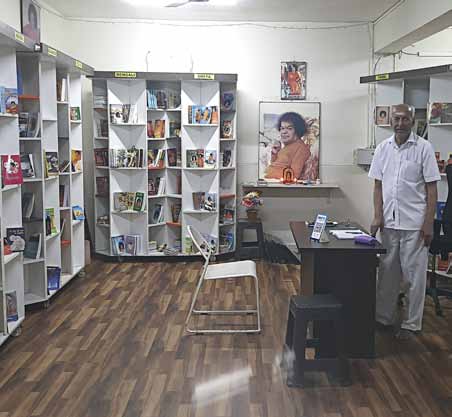
During the pandemic, the bookstall had to be closed down, and the books were returned to Puttaparthi. Sri Nanjundaswamy missed the opportunity to serve and was heartbroken. People used to reach out to him, seeking help in sourcing books. He had no choice but to guide them to Puttaparthi or purchase books online.
While his urge to serve was undiminished, a strange turn of events took place on Thursday, 2-Feb-2023, when he visited the Shirdi Baba temple closer home that evening and retired to bed. Later that night, he had a dream in which Bhagawan appeared and firmly yet lovingly enquired why the book stall was closed down in the ashram. He said it was inconveniencing the devotees. In his dream, Sri Nanjundaswamy retorted, stating he was helpless, and that he had no idea how he was to re-open the book stall. Swami told him to take one step and that He would do the rest. He hen guided him to open the book stall in the Hospital, which receives more visitors daily than the ashram.
The discussion he was having with Swami woke his wife up, who nudged him awake. Only then did he realize it was all a dream! Nevertheless, Bhagawan’s guidance was very clear and he approached the Brindavan ashram management for permission to reopen the book stall. Given his age and health conditions, the management suggested reopening the book-stall in the ashram with adequate support staff, so he would not strain himself. It was then that he brought up the dream and Bhagawan’s guidance about the book stall benefiting more people at the Hospital.
In deference to Bhagawan’s guidance, the ashram management facilitated his meeting with the Hospital management, and a proposal was made to set up a bookstall within the hospital premises.
The book stall was formally inaugurated on Guru Poornima Day in 2023, and since then Sri Nanjundaswamy has been serving devotees and patients visiting the Hospital. It is touching to watch him interact with each and every person visiting the stall, answering their queries patiently. Whether they purchase a book or not, he gives a pocket calendar with Bhagawan’s picture and a packet of vibhuti, to each and every person visiting the bookstall.
An epitome of purity, humility and devotion to Bhagawan, Sri Nanjundaswamy continues to serve Bhagawan and serves us as a role model in service and surrender to Him.
We pray Bhagawan bless him and his wife with a long and healthy life.
Neuro Patient Story · pages 31–32
The Child Who Survived the Impossible
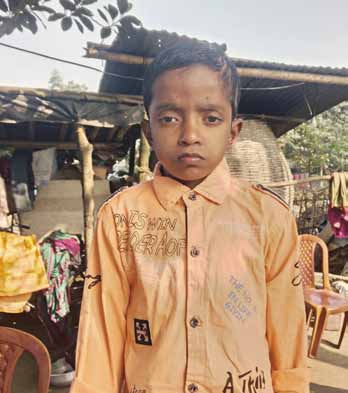
“Lazarus, come forth”, says John 11:1-46 in the Bible, about the death and resurrection of Lazarus, a man from Bethany. There is no historical account which can do more justice to the extraordinary journey of Hasimuddin than the biblical account of Lazarus’ rebirth.
In a world where medical advancements are rapidly changing the landscape of treatment, and in a hospital where thousands of patients are cured and few of them lost to disease, stories of patients, fighting for their lives against rare and complex conditions, continue to captivate and inspire.
The road to recovery was long, uncertain, and filled with countless hurdles, but his survival is not just a powerful reminder of the resilience of the human spirit, but also the capabilities of modern medicine.
Muhammed Hasimuddin, a 10-year-old boy born to a fisherman with little means, faced two deadly diseases. He underwent four complex neurosurgical and cardiovascular operative procedures at SSSIHMS. His story is one of triumph against extraordinary odds.
The Beginning of the Battle
Hasimuddin, was a blue baby and referred to our hospital for surgery at age 10 months. Being too weak and underweight to sustain the same, he underwent a stenting procedure to his main pulmonary artery (blood vessel that leads from the heart to lungs) which was tightly blocked from birth itself. This lifesaving procedure was done through the groin. This helped the child in his overall growth, especially the development of his brain.
The surgery is usually followed later by an open heart surgery by the surgical team where the stent is removed (as it has served its purpose) and a complete surgery is performed thus - in a two-staged fashion.
A Perfect Storm of Health Crises
Hasimuddin’s troubles began again one fateful day when he woke up with the kind of headache that felt as if his skull were about to split open. The ache grew accompanied by sharp weakness on the right side of his body, and worst of all, episodes of confusion and uncontrolled vomiting.
The worried parents ignored the symptoms at first, chalking them up to a viral illness or perhaps an old injury acting up. However, as the days went on, Hasimuddin’s condition deteriorated and he collapsed due to a seizure. He was rushed to a neurologist.
A CT scan showed Hasim developed a brain abscess, which was pushing against vital areas of his brain, leading to swelling and impairing his neurological function. He required an emergency surgery. The panic stricken parents immediately brought the child to our Institute.
The First Surgery: A Delicate Procedure
Doctors at SSSIHMS were now faced with a daunting dilemma. Hasimuddin’s heart was unstable, and the brain abscess threatened to cause irreparable brain damage or death.
Time was of the essence, the consulting neurosurgeon recalled. “We knew we had to act fast, but the complexity of his case meant that multiple disciplines would need to collaborate to give him the best shot at survival.”
Under general anaesthesia, his skull was carefully opened, and the team of neurosurgeons began the arduous task of draining the abscess. The surgery lasted over six hours. We delivered a mixed report to the patient’s attenders: much of the abscess had been removed, but he had to be in a medically induced coma to manage the swelling in his brain.
The Road to Recovery: Complications and Setbacks
He was gradually weaned off the ventilator, continued on the intravenous antibiotics, anti-seizure medications and shifted to the ward. As Hasimuddin’s brain began to stabilize, his heart became more of a concern. Within days, his situation took a frightening turn. He began showing signs and symptoms of a right heart failure. Multiple episodes of syncopal attacks loomed over the next few weeks and cardiology/ cardiothoracic surgery opinions were taken. It was a difficult situation; the cardiologist confirmed the stent is placed and functioning well, but the volume of blood crossing the shunt was inadequate for the present age and metabolic requirements. The cardiologist suggested surgical correction of the congenital abnormality but the surgeons were apprehensive of surgery during the next few months.
The Near-Death Experience
Meanwhile, he developed continuous and non-resolving seizures, resistant to routine anti-seizure medications. His oxygen saturation dropped again. The parents understood the intricacies of the non-feasibility of any treatment option and decided to take the patient home. The patient was discharged at request on a tracheostomy tube and in saturation of 20’s, on the insistence of the father, who was confident of his child’s improvement in midst of the family and village surroundings.
Over the next two years, the father informed periodically to one of the doctors, about the miraculous improvement, not only from the clutches of death but also the innumerable episodes of seizures and cyanotic attacks he survived, without any medical attention.
Hasimuddin’s parents decided to revisit the hospital after consultation with one of the doctors, after a period of 3 years. Hasimuddin came walking in to the SSSIHMS. Destiny had different plans, and the moment he entered the hospital corridors, he collapsed!
A Code Blue was announced, CPR performed and was intubated again. He had dangerously low oxygen saturation and was frail, thin and emaciated. He was stabilised and saved again from the clutches of death. CT brain showed no abscess and was admitted under CTVS for the definite surgery.
Second Surgery: Saving the Heart
“Let’s do everything possible to get him past this final hurdle, now” Dr. Gautham Shetty, the operating surgeon recalled the words said to him by Dr. Chittaranjan SJ, the Head of Department, CTVS. Our cardiac anaesthetists had just snatched this dusky blue boy, gasping for breath, from the jaws of death. We wondered if this boy with just a little more than skin and bones could handle the stress of a major cardiac operation. To make matters worse he had dangerously low platelets and unaddressed abnormal vessel connections which meant that we would be repairing the heart in a pool of blood. An immediate plan was formed with the cardiac perfusionists and anaesthetists to get him past this do or die situation.
Teamwork made the difficult five-hour operation possible. The repair basically involved closing the large hole between the pumping chambers of the heart with a patch and reconstructing the outflow from the right heart to the lungs by removing the blocked stent, abnormal muscle bands and further augmenting the outflow with a patch. The perfusionists cooled our boy to as low as possible to reduce the flooding of the operating field with blood. He also required more than frequent doses to stop the heart from beating while the intracardiac repair was going on. The intracardiac repair was successful as confirmed by echocardiography. However, the chest had to be kept open so as to pack and gently compress the bleeding needle holes from the suture lines.
Recovery: One Step at a Time
The chest was closed the following morning. We tried to wean him off ventilation slowly with the hope that the abnormal vessels would shrink. But as we proceeded to come off ventilation he started bleeding into the airways. A positive result for dengue came to light which was another reason why his platelets were low preoperatively. The abnormal vessels needed to be coiled immediately by cardiological intervention but there were bleeding concerns. Following multiple platelet transfusions, the major abnormal vessel was coiled which stopped the airway bleed and he successfully came off the ventilator. Meanwhile he was diagnosed with multidrug resistant lung infection requiring broad spectrum antibiotics. With compassionate nursing and tincture of time he progressed to near normalcy. This boy further strengthened our belief that miracles continue to happen in our hospital due to our Bhagwan’s blessings & we are all but instruments in the hands of God.
The Final Push
The heart and brain were stabilised now. Hasimuddin could live normally like any other child but couldn’t play like any other child. The bone flap which was removed had formed a defect with the brain lying just below the skin. Any trivial fall would mean direct injury to the brain. Therefore he underwent a minor surgery to fix a mesh over the bone defect. The surgery went well and he was discharged without any complications.
A Family’s Journey
For Hasimuddin’s parents and family, the journey was nothing short of harrowing. The stress, the uncertainty, and the emotional rollercoaster were overwhelming at times. But they never gave up on their son, and the support from doctors, nurses, and the community kept them going.
“We were told so many times that he might not make it,” Hasimuddin’s father recalls. “But every time Hasimuddin showed signs of life, we clung to that hope. He’s a fighter. He never gave up, and neither did we.”
A Testament to Modern Medicine and Human Resilience
Hasim’s recovery is a testament to both the advances in medical science and the power of hope. Modern cardiology, cardiothoracic and neurosurgery, combined with groundbreaking treatments, played a pivotal role in his survival. But his resilience, along with the constant support of his family and medical team, ultimately made the difference.
His story stands as a beacon of hope for other children and families facing similar health crises, proving that even in the darkest of moments, there is always a chance for a brighter future.
Muhammed Hasimuddin’s journey is not just a story of survival; it’s a story of transformation. From the brink of death to a life full of promise, he stands as a living miracle
- proof that with medical innovation, determination, commitment and love of the family, even the most daunting health challenges can be overcome.
Dr. Muhammed Khizar Mohiuddin, DNB Trainee, Dept. of Neurosurgery with inputs from CTVS & Cardiology
Volunteering · page 33
#V-R-4-SAI Virtual Radiology - Real Seva
Bhagawan established Temples of Healing not only to benefit the patients, but also provide opportunities for seekers to use their knowledge and skills to serve society. Those who have the opportunity to serve in these divine institutions are considered fortunate and blessed. For many others, while their hearts yearn to serve and contribute, this was restricted due to distance.
Technology has now erased this limitation of distance giving every seeker the right to perform seva. It’s Seva 24 X 7!
In recent times, Teleradiology has bridged the need and expertise in Radiology. While this technological advance was increasingly adopted by hospitals, thanks to Covid, systems have evolved rapidly making this a new normal.
#V-R-4-SAI - Virtual-Radiology-For-Sai: A Novel Seva model
Bhagawan’s institutions have always been at the forefront to adopt the latest technologies in the service of the needy. This year, when Love hits a century, His message of Love and Service transcends geographical barriers, bringing into its fold many more willing professionals to participate in His healthcare mission.
A new seva model emerged, christened “V-R-4-Sai”, which allows Radiologists across the globe to serve SSSIHMS.
This distinctive group name holds a threefold significance:
Professional Identity: The acronym stands for “Virtuous (Virtual)-Radiologists-for-Sai,” reflecting the professional commitment and expertise of the group.
Intellectual Contribution to Society: The name also signifies “Volunteer-Radiologists-for-Sai,” underlining the group’s dedication to volunteer radiology services.
Higher Purpose: Beyond professional and intellectual aspects, “V-R-4-Sai” encapsulates the spirit of the group’s higher cause with the phrase “We-are-for-Sai,” emphasizing a collective commitment to a noble and spiritual mission.
Keeping abreast with the technological trends in healthcare, the Trust invested in a state-of-the-art web-based MedDream PACS system for use by all the hospitals run by the Trust.
About MedDream PACS:
It is a DICOM 3.0 compliant picture archiving and communication system. It provides connectivity to all DICOM modalities (CR, DX, CT, MR, US, XA, etc.). In addition, it facilitates searching, viewing and analyzing medical images, to make a diagnosis. It enables access to medical images from any device anywhere to authorized users.
With this, not just Radiology, but even Cardiology modalities like ECG, Echo and Cath can be stored and made accessible, giving clinicians a single-window view of all imaging that will enable them to correlate patient information across modalities and specialities.
Integration with ATHMA RIS/HIS: By integrating with the Athma RIS / HIS system, it provides seamless access to radiologists anywhere in the world to access Clinical and Radiological Imaging done in the hospital securely over the VPN and provide Radiology reports.
Volunteer Radiologists Pool: Radiologists keen to volunteer have enrolled in this seva. The pool constitutes DNB alumni and ex-Staff of the Departments of Radiology at either SSSIHMS. It also includes Radiologists who, having learnt of this opportunity to contribute in this noble seva, have come forward to participate. The subspeciality expertise of these Radiologists is a tremendous advantage to the Clinicians and consequently, the patients.
Active Alumni and Staff India:
Dr. Sunitha P., Dr. Srikanth Sola, Dr. Megharanjini Patil Dr. Pushpa B.T., Dr. Harshavardhana K.R.
Dr. Radhika Devi, Dr. Aakash Prakash Patel Dr. Shivangi Choraria, Dr. Shetteppa R. Goroshi Dr. Dimpi Sinha, Dr. Karthik V. Dattani Dr. Somorendra Singh Shambandhuram
Overseas:
Dr. Lekha V. Chandrasekharan (UK) Dr. Asokan (USA)
Other Active Volunteers:
India:
Dr. Ruma Madhu Sreedharan
Overseas:
Dr. Sujatha Rajkumar (Dubai) Dr. Sivasubramanian Srinivasan (Singapore)
Needless to say, while Radiologists’ service is virtual, their seva is real! These volunteer professionals have proved that where there is a will, there is always a way!
Swami used to refer to this hospital as “our” hospital, where those with the willingness to serve is a part of it. This is spiritual democracy - of the people, for the people and by the people. All Radiologists with the seva spirit are welcome to volunteer and become a part of this story - HIS-Story. #PACS-RIS-HIS-Story!
Sri D.V. Chandrasekhar, Sr. Manager-Imaging Services,
Neurology and Neurosurgery
Academic Updates · pages 34–36
Publications, Conferences, Awards
CTVS Publications
1. Bagaria V, Lahari B, Hiremath C.S., Jagannath B.R. World J Pediatr Congenit Heart Surg. 2024 May;15(3):319-324. doi: 10.1177/21501351241232072. Epub 2024 Apr 23.
2. Bagaria V, Lahari B, Hiremath C.S. Effect of blood conservation protocol on the utilisation of blood and outcome of patients undergoing open heart surgery. Perfusion. 2024 Mar 16:2676591241239838. doi: 10.1177/02676591241239838.
Conferences Attended
1. Jayadeva Mitral Summit in May, 2024
2. Cardiac Morphology Course in Madras Medical Mission Hospital, Chennai July, 2024.
NEUROSURGERY Publications
1: Rao TMN, Thakar S, Lakha A, Aryan S. Radiation-induced Moyamoya syndrome-missed diagnosis with a fatal outcome in a recurrent craniopharyngioma. Childs Nerv Syst. 2024 Nov 27;41(1):5. doi: 10.1007/s00381-024-06689-x. PMID: 39601873.
2: Alle P, Thakar S. Teaching NeuroImage: Basal Encephaloceles With CSF Rhinorrhea in a Patient With Osteopetrosis. Neurology. 2024 Dec 10;103(11):e210066. doi: 10.1212/WNL.0000000000210066. Epub 2024 Nov 13. PMID: 39536280.
3: Murali SH, Thakar S, Chandrasekhar DV, Rajarathnam R, Aryan S. Value-Based, No-Cost-To-Patient Neurosurgery at Sri Sathya Sai Institute of Higher Medical Sciences, Bangalore: The Success Story. Neurol India. 2024 Sep 1;72(5):1054-1062. doi: 10.4103/ neurol-india.Neurol-India-D-24-00170. Epub 2024 Oct 19. PMID: 39428780.
4: Sarkar S, Thakar S, Sunil A, Alle P, Aryan S, Hegde AS. Optico-Chiasmatic Distortions in Pituitary Adenomas: Correlation Between Postoperative Morphological Reversal and Follow-Up Functional Visual Recovery. World Neurosurg. 2024 Nov;191:e393-e402. doi: 10.1016/j.wneu.2024.08.136. Epub 2024 Aug 31. PMID: 39218149.
5: Jhajharia A, Thakar S, Alle P, Rao TMN, Kanthaje A, Ghosal N. Primary intracranial pediatric ganglioneuroblastoma-report of two cases and review of an unusual masquerader. Childs Nerv Syst. 2024 Dec;40(12):4289-4294. doi: 10.1007/s00381-024-06578-3. Epub 2024 Aug 24. PMID: 39180696.
6: Khan K, Thakar S, Rao TMN, Kanneganti V, Aryan S. Cervical intraosseous arteriovenous malformation: report of a rare entity and its management dilemmas.
Acta Neurochir (Wien). 2024 Aug 6;166(1):325. doi: 10.1007/s00701-024-06222-8. PMID: 39105822. 7: Alle P, Thakar S, Aryan S. Moving Beyond Morphometrics
and Alignment: Prospective Longitudinal Study on Cognition, Quality of Life, and Diffusion Metrics in Congenital Craniovertebral Junction Anomalies. Neurosurgery. 2025 Jan 1;96(1):111-121. doi: 10.1227/ neu.0000000000003030. Epub 2024 Jun 12. PMID: 38864620.
8: Rao TMN, Thakar S, Pandey P, Aryan S. Dural sinus malformation presenting with proptosis: report and review of a rare entity. Childs Nerv Syst. 2024 Aug;40(8):2599-2602. doi: 10.1007/s00381-024-06410-y. Epub 2024 Apr 22. PMID: 38644384.
9: Rao T, Alle P, Thakar S. “Frontier Wire Probing” Technique for Transvenous Embolization of Carotid Cavernous Fistulae Using Topographical Landmarks. Neurol India. 2024 Jan 1;72(1):24-27. doi: 10.4103/ neurol-india.neurol-India-D-23-00511. Epub 2024 Feb 29. PMID: 38442996.
Special Publication on the Department
An article about the inception, growth, and achievements of the department was published in Neurology India, a leading neurosurgery journal, in its special section ‘Citadels Sculpting Future’.
ANAESTHESIOLOGY
Conferences Organized
17-Oct-24 Critical Care Nursing (CCN) workshop, Global Intensive Care Symposium (GICS).
10-Aug-24 GE & SSSI Collaboration for Academics.
7-Dec-24 SAICAP 2024 Cardiac anaesthesia programme for postgraduates.
Dr. Anitha, Dr. Anuradha, Dr. Geethanjali, Dr. Vrushali and Dr. Chalam conducted workshops and spoke at the GICS Conference.
Dr. Pankaj Punetha attended the 11th International Patient Safety Conference held in Bangalore on 23-24 Feb, 24.
Dr. Kolli Chalam, delivered seven guest lectures and was Chairperson in four workshops / conferences held across India. He represented SSSIHMS at AHA’s Resuscitation and Healthcare Quality Summit 27-29 Sep, 2024. He also qualified the BCLS & CCLS of IRCF on 28-29 Nov, 2024 and BLS and ACLS of AHA on 13-14 Dec, 2024.
CARDIOLOGY Conferences Organized
24-Feb-24 Formative academics for Cardiac care Technology Students (FACTS) 2024: Over 150 students pursuing Cardiac Care Technology participated and gave excellent feedback on the content and mode of presentation.
17-Feb-24 Basic heart curriculum for GE healthcare engineers to enable them to develop better products suited to the needs of cardiologists.
19-Oct-24 Heart Rhythm Update 2024: SSSIHMSWFD in collaboration with Arrhythmia Alliance-Pacing for Life Charity AA-P4L U.K has organized a one day conference on various topics related to Electrophysiology and Heart Rhythm management. Faculty included Dr. Mark Davies and Dr. Girish. Over 100 delegates participated.
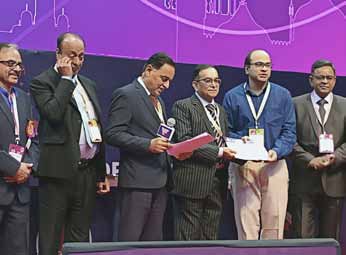
Publications
1. Observations of out-of-pocket travel costs in seeking free cardiac care in India: would point-of-care ultrasound help? Camryn J. Kimura, Keshav R. Nayakl, Reeta Varyani, Prayaag Kini, Jill Waalen and Bruce J. Kimura BMC Health Services Research, 1-Nov-24.
2. RV-to-PA Coupling Is a Strong Determinant of Postoperative Course in Patients with Congenital Heart Disease Operated at Older Ages: A First-in-Literature ML-Guided Predictive Model in Indian Patients for a Topic “Less Spoken About” Kini, Prayaag; Varyani, Reeta; Chandrappa, A.; Hosur, Akshata; Barooah, B. Heart Failure Journal of India, May-August 2024
3. C3PW: A Novel Machine Learning Method for Assessing Percutaneous Transvenous Mitral Commissurotomy Outcome in Patients with Mitral Stenosis. Mani, Subramaniyan; Kini, Prayaag; Rachakonda, Raghunatha Sarma Journal of Indian College of Cardiology 14(2):p 54-60, Apr–Jun 2024.
LAB & BLOOD BANK
10 students of B.Sc Medical Laboratory Technology (MLT) attended Workshop On Microbial Handling Techniques and Biosafety conducted by Dept. Of Biosciences, Sri Sathya Sai Institute of Higher Learning, Prasanthi Nilayam campus. They learnt the technique of Agar Art, using microbes & culture media to create art work.
AWARDS & RECOGNITIONS Neurosurgery
- Dr. Aditya from Neurosurgery won the best paper award at the Bangalore Neurological Society Meet in Jan-2024 for his presentation entitled ‘Dural Arterio-Venous Fistula causing secondary Chiari malformation.’
Cardiology
- Dr. Prayaag Kini and Ms. Jayashree received best presentation awards in the Karnataka Allied Health Professionals Association Annual Conference at Mysore.
- Dr. Prayaag Kini received best research paper national award at the Annual Conference of Pediatric Cardiological Society of India.
- Dr. Prayaag Kini, Dr. Reeta Varyani and Dr. Banajit Barooah received the best original research award out of 1500 papers submitted at the annual Cardiological Society of India 2024 conference. In the same conference Dr. Prayaag Kini has received two more second best research awards.
CTVS
Ms. Sreelakshmi secured 9th rank (Karnataka State) in the B.Sc Perfusion Technology course conducted by Rajiv Gandhi University of Health Sciences.
Anaesthesia
Dr. Anuradha Kamath won the Best Paper & Poster at Indian Association of Cardiovascular Thoracic Anesthesiologists Conference (IACTACON), Nagpur Feb-2024.
1. Lamp Lighting Ceremony XVI batch: 23-Jan-24 2. Republic Day: 26-Jan-24
Chief Guest: Dr. B.R. Jagannath, Sr. Consultant, CTVS Dept.
3. Tele Manas Mental Health Awareness Session: 02-Mar-24 Speaker: Mrs. Asha Wilson 4. Voter Awareness Program: 04-Mar-24
Campaign on “Mera Pahla Vote Desh Ke Liye”. 5. Student Nurses’ Association (SNA) General Body
Meeting: 16-Mar-2024 President: Dr. A.R. Manjjuri 6. NRI Forum Awareness: 18-Mar-24 7. World Water Day: 22-Mar-24
Theme: “Water For Peace”. 8. Senior Citizens visit to Nursing College: 30-Mar-24 9. World Earth Day: 22-Apr-24
Theme: “Planet Vs. Plastics” 10. School Health Programme at Govt. Primary School:
23-Apr-24 Puppet Show performed on the theme: “Personal Hygiene & Balanced Diet” 11. Immunization Week: 24-30 Apr-24 12. Education in Human Values Programme: 27-Apr-24
Presentation on “Sai Philosophy of Education”
14. Hypertension Week: 13-May-24 To 17-May-24 Theme: “Measure Your Blood Pressure Accurately, Control It, Live Longer”
15. International Day Against Drug Abuse and Illicit Trafficking: 18-Jun-24 Theme: “The Evidence Is Clear: Invest In Prevention” 16. Internal Sports & Cultural Meet 2024 inauguration:
22-Jun-24 Chief Guest: Dr. D.C. Sundaresh, Director. 17. Complementary Feeding Week: 21-27 Jul-24 18. World Breastfeeding Week: 1-7 Aug-24
Theme: “Support For All, Breast Feeding For All” 19. Inservice Education: 5-Aug-24
Topic: “Paediatric Critical Care Nursing” 20. Independence Day: 15-Aug-24
Chief Guest: Dr. Reeta Varyani, HoD, Cardiology 21. World Alzheimer’s Day: 21-Sep-24
Theme: Time to Act on Dementia, Time to Act on Alzheimer’s 22. SNA Carnival: 5-Oct-24 23. Farewell Program: 8-Oct-24
Theme: Gem: Grow Every Moment 24. 11th & 12th batch Graduation Ceremony: 24-Oct-24
Chief Guest: Smt. Vandita Sharma, IAS (Retd.) 25. Sai Samskruthi Vaibhavam
The Glory of Sai Culture: 29-30 Oct-24 26. Gita Jayanthi: 11-Dec-24
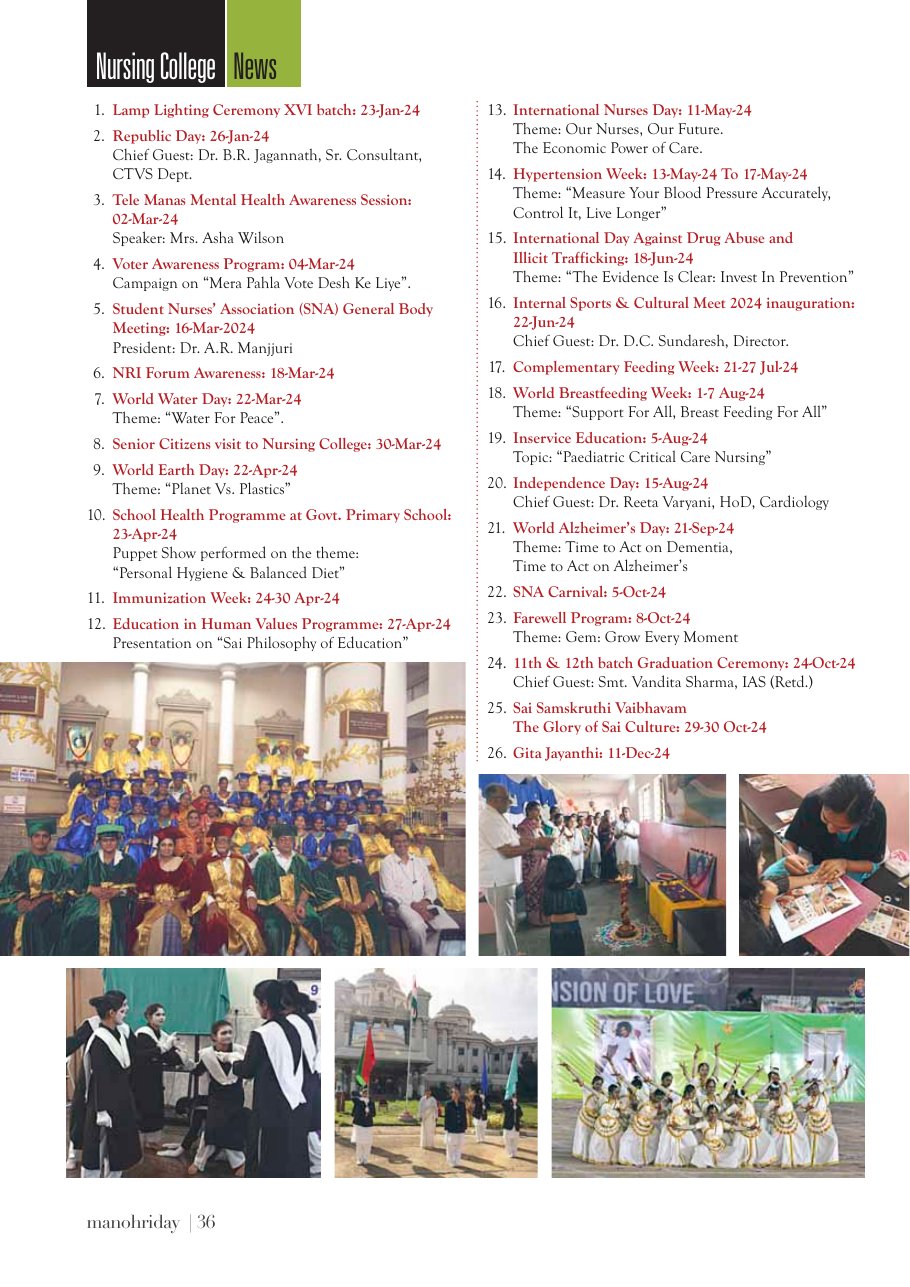
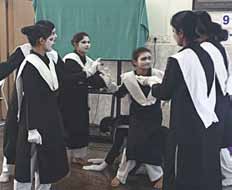
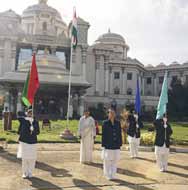
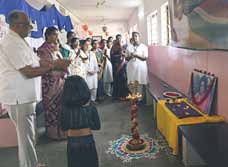
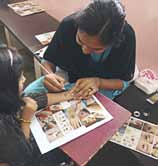
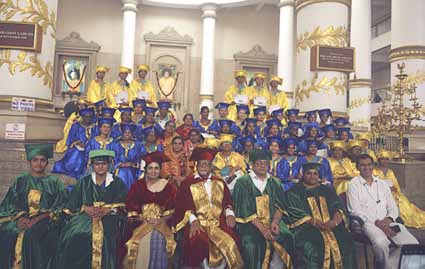
Equipment · page 37
Upgrades
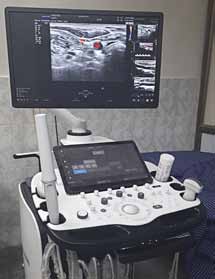
Ultrasound for Radiology
Dishwasher for Dietary Kitchen
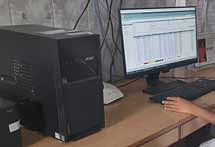
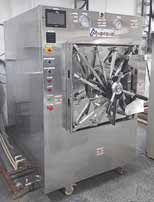
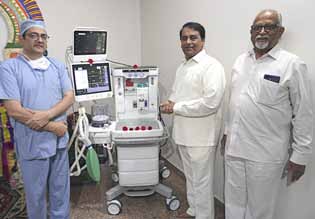
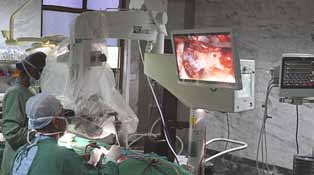
Computers & monitors for clinical areas
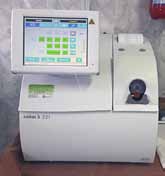
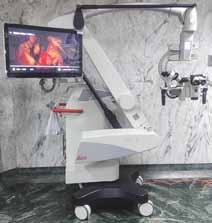
Steam sterilizer for CSSD
Neurosurgical microscope Washer-Extractor in Laundry Procalcitonin analyzer
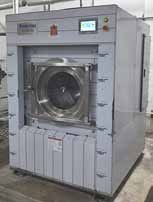
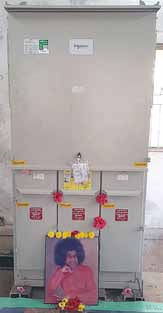
Anaesthesia Workstation
ENT Microscope Blood Gas & Electrolyte
analyzer
Blood Bank Freezer
Ice-lined refrigerator Electrical breaker
Glimpses of a few of the equipment procured during 2024
Manohriday · pages 38–39
Festivals & Campus Activities
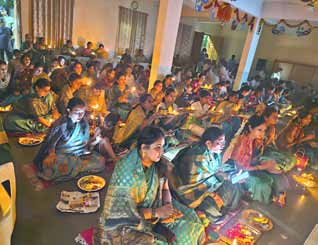
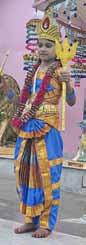
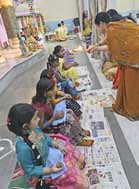
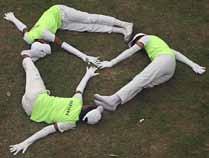
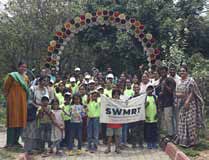
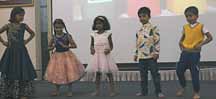
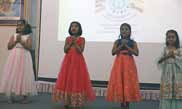
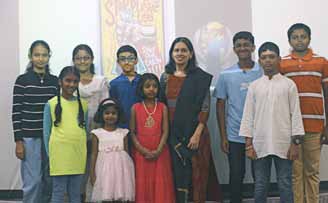
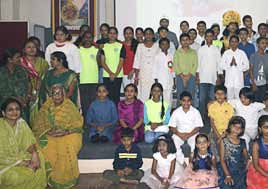
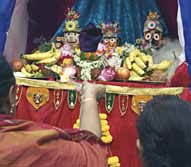
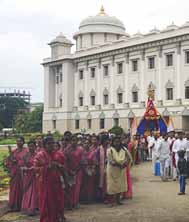
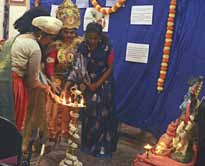
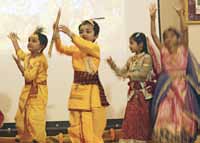
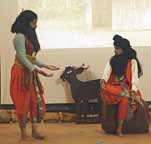
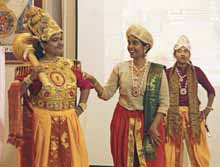
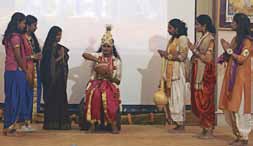
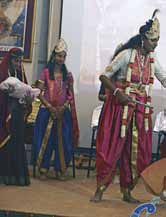
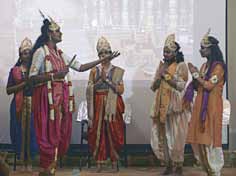
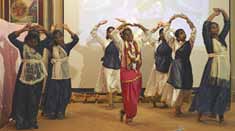
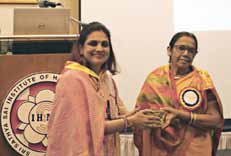
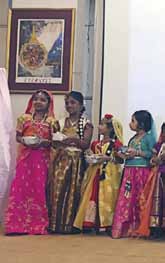
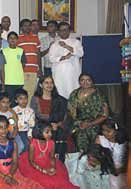
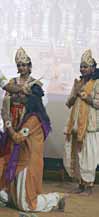
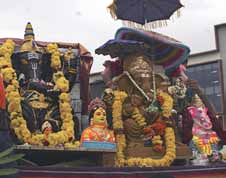
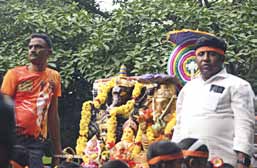
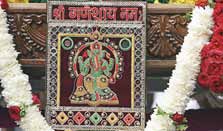
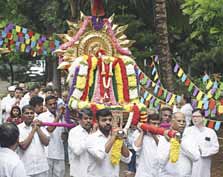
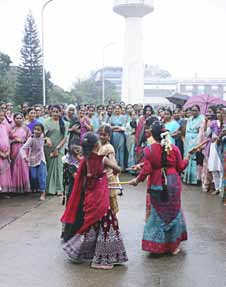
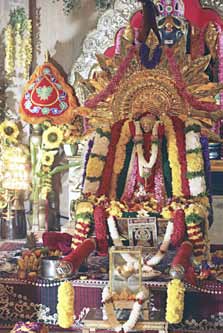
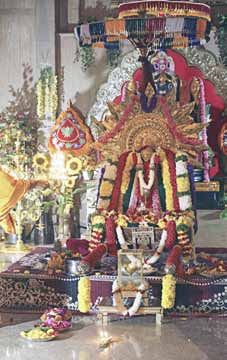
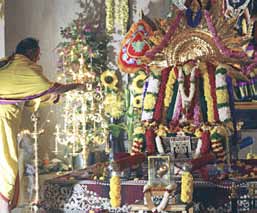
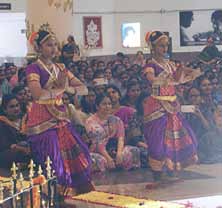
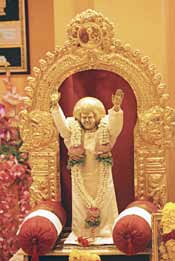
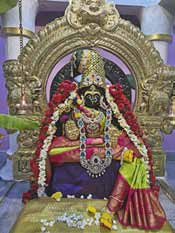
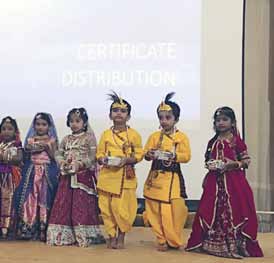
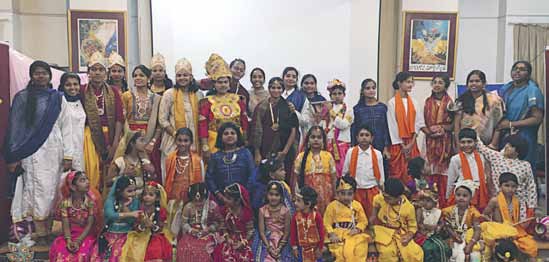
Covers · pages 1 and 40
Cover pictures
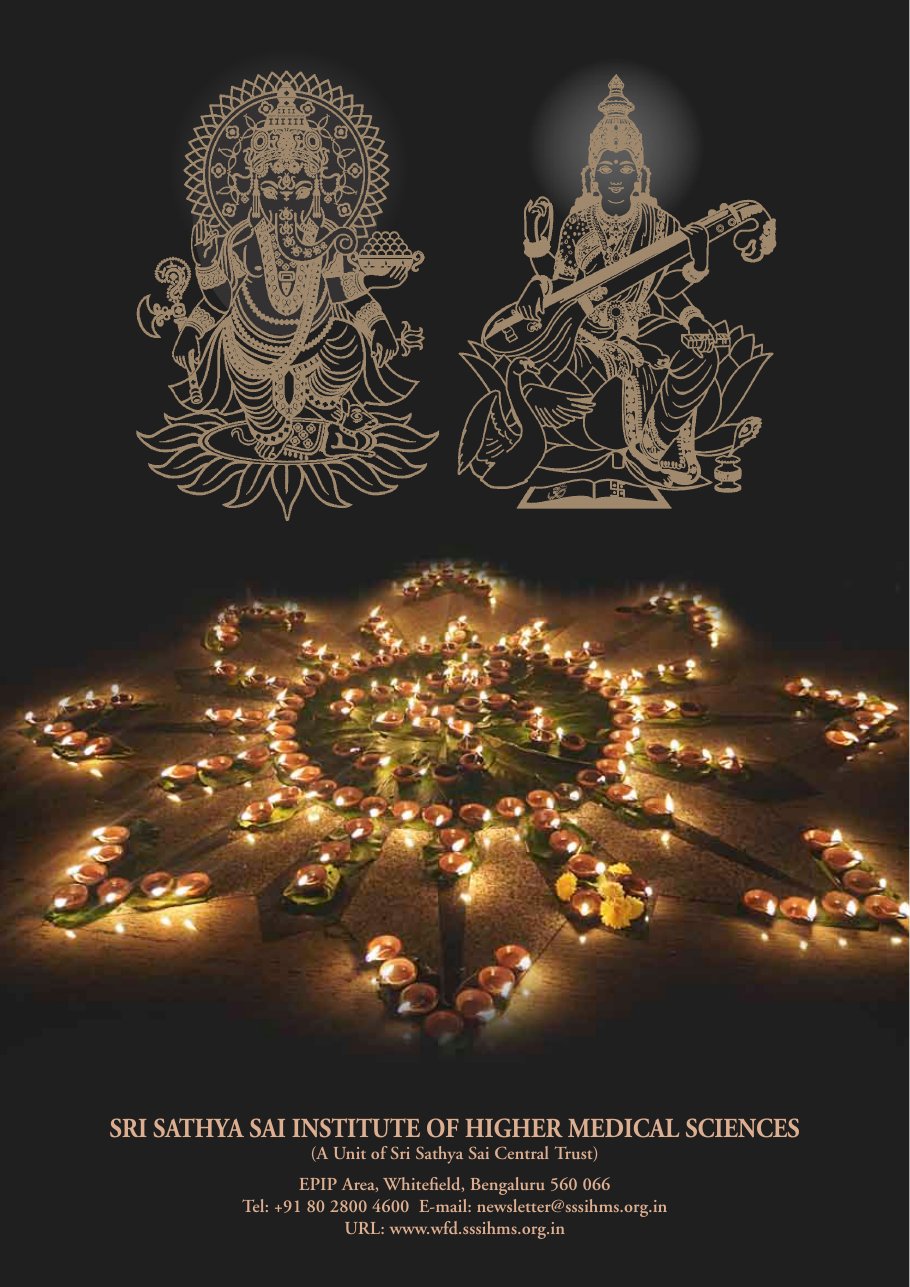
Pictures used on the covers and contents page