The journal of SSSIHMS · January 2017
Manohriday
the annual journal of Sri Sathya Sai Institute of Higher Medical Sciences, Whitefield.
- Issue
- January 2017
- Published by
- SSSIHMS, Whitefield
- In this issue
- 21 sections · 155 pictures
- Print edition
- 36 pages
Manohriday · page 2
Opening pages
Sixteen is ambitious. Clinical and academic excellence ranks high among our priorities. We continue to further our image as a center of excellence among peers, which is amply substantiated by numerous awards, publications, conferences, national and international presentations. These achievements run into several pages in the issue you hold in your hands.
Sixteen is idealistic. Bhagawan Sri Sathya Sai Dear readers,
Sixteen is special. In many parts of the world, the “sweet sixteenth” birthday marks an important rite of passage that celebrates one’s transition to glorious adulthood.
Sixteen marks change. During the last year, our institution witnessed a remarkable metamorphosis with the coming together of the multi-specialty and super-specialty disciplines under a single dome. The moving-in of the Sri Sathya Sai General Hospital in July 2016
Manohriday · page 2
Editorial
Baba would always emphasize that one’s roots should run deep as one’s branches reach for the sky. Service and sacrifice are two ideals that form the heart of the institution, and we laud both volunteers and colleagues who strive to bring alive the message of our Founder. They work tirelessly to make our patients smile. Don’t take our word for it. Catch a glimpse of this through the eyes of our patients Sakthi, Sushant and Akshatha.
Sixteen is now. Who knows what promises tomorrow holds?
– The Editors integrated the facilities offered to our patients, making comprehensive healthcare delivery possible to many thousands more. Read more about it in our cover story.
Sixteen marks maturity and responsibility. The inauguration of a 100 kW solar power plant is a pioneering step the institute has taken in generating clean energy. This institute has been a role model in providing high-quality medical care free of cost, and now is a unique model in doing so, while simultaneously caring for the environment.
Front cover:
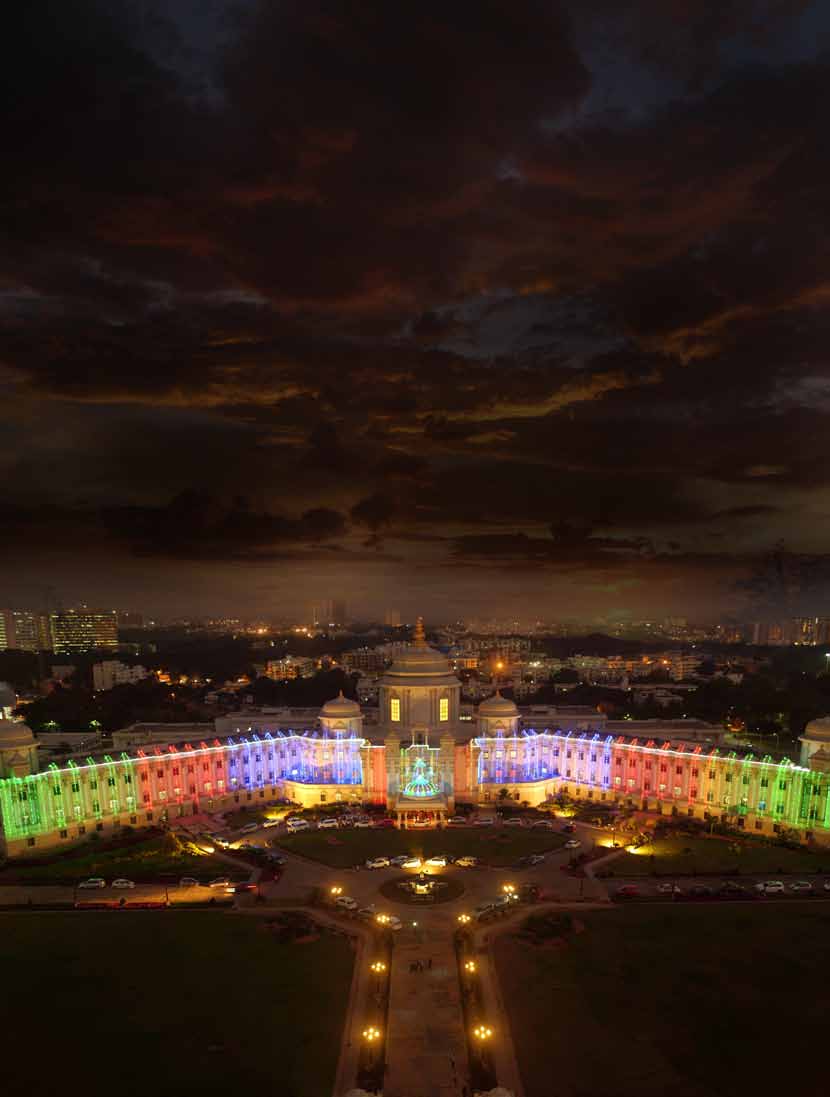
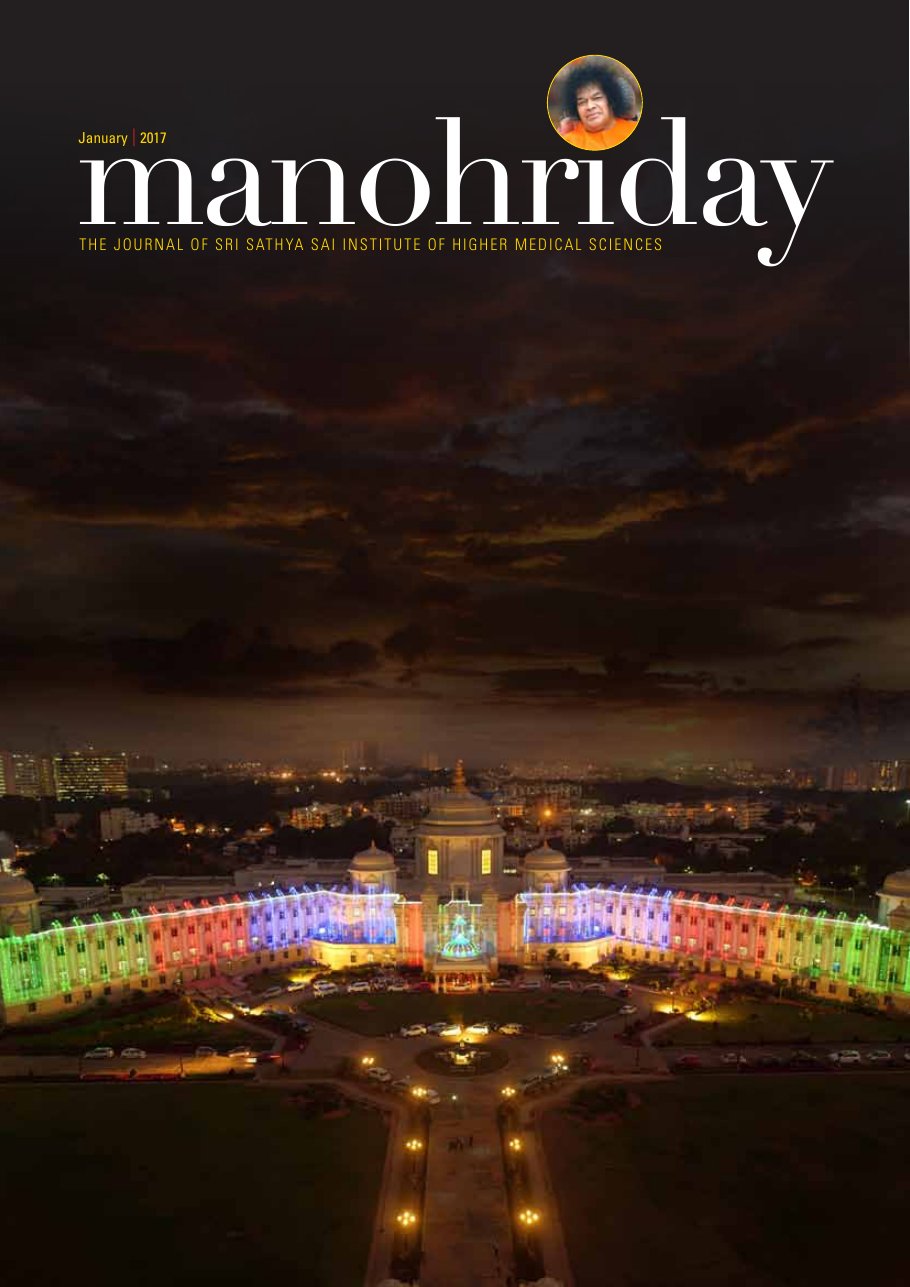
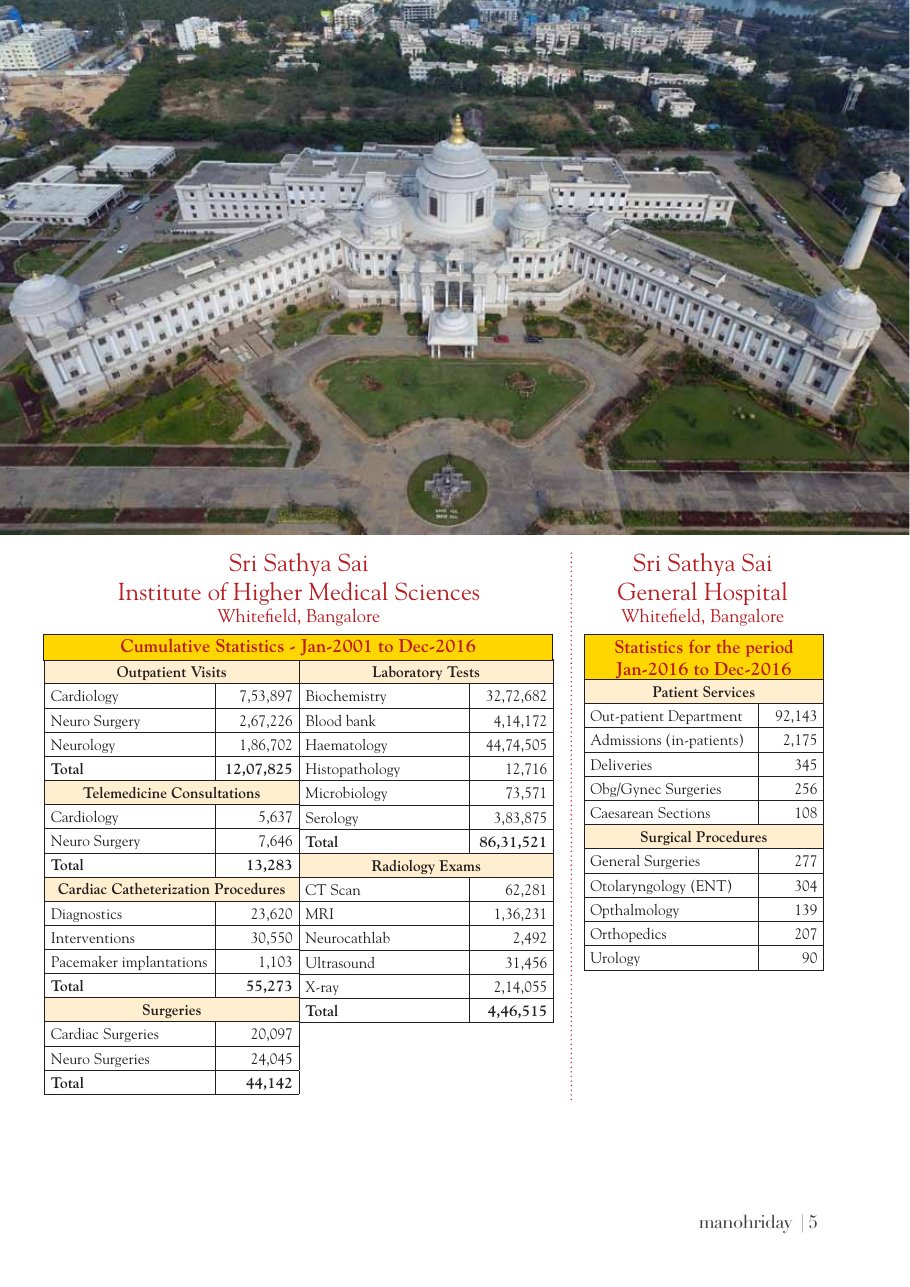
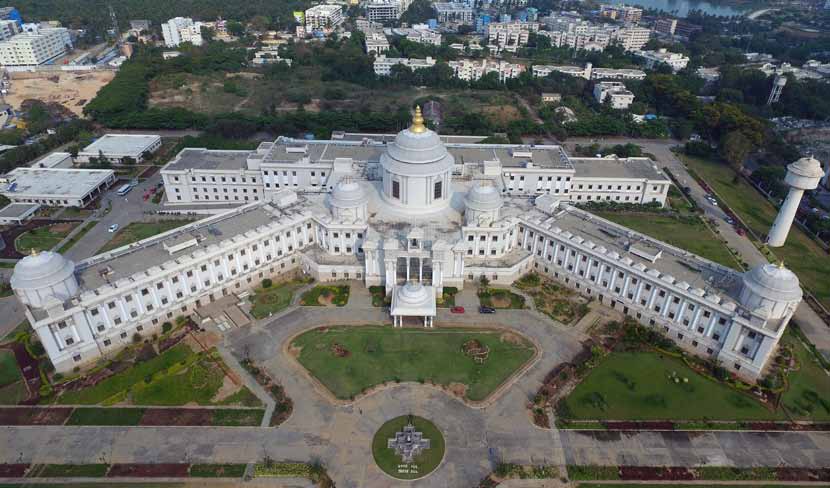
An aerial picture of SSSIHMS shot by a drone on 19-Jan-2017.
Back cover:
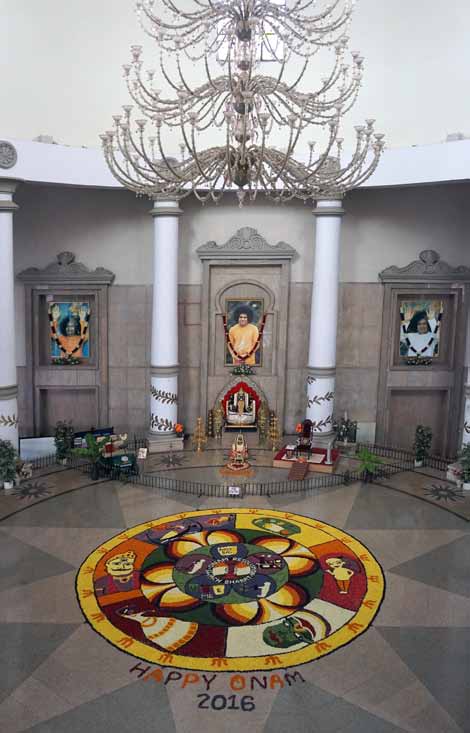
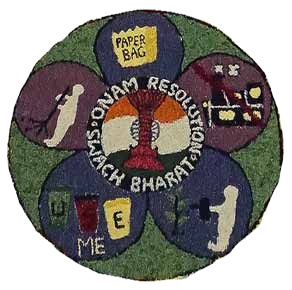
A floral decoration by the students of the nursing college, with the theme - Swachh Bharat.

Manohriday · pages 4–5
Message from the Director
Dr. D.C. Sundaresh, Director, SSSIHMS, Whitefield, Bangalore Aum Sri Sai Ram, My loving pranaams to Bhagawan Baba.
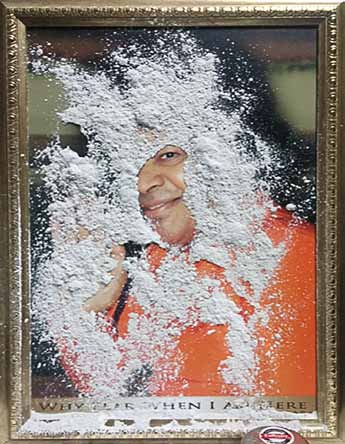
Swami’s blessings to all of humanity including the institutions started by Him is eternal like the institutions themselves. To remind us mortals about his omnipresence, Swami has chosen the form of vibuthi manifesting in various ways. At the SSSIHMS Whitefield we have been blessed on more than one occasion. This has been seen each time there was a festival or a crisis. Vibuthi manifestation was first seen on the Central picture in the dome on the day of the Jagannath Rath Yathra on 19-Jul-2015. Thereafter, when the previous Director, Dr. Swarna Bharadwaj was in office, she noticed a flash of orange cloud enter from the window of the Director’s office & go towards the picture of Bhagawan & settled there as a mass of vibuthi on the picture. Till date, Swami has been blessing us with a continuous flow of vibuthi at the Director’s office, sometimes falling off the picture & at other times filling up a glass bowl kept for vibuthi & blessing several activities in the hospital like conferences and so on.
SSSIHMS, Whitefield has been catering to a large number of patients from across the country, a significant number from the states of West Bengal & Orissa. The addition of the general specialties to the premises of the SSSIHMS has increased the patient load by two-fold. This has resulted in a large number of patients waiting outside the gates late at night to seek an early entry into the hospital. These patients are exposed to the cold weather and the rains of Bangalore city. To facilitate sheltering these patients, a few process changes were made so they could come into the premises as and when they arrived. Redistribution of the patient crowd from the gate to the queue complex, reception block and the out-patient waiting areas inside the hospital building, ensured there were no crowds outside the gates at any time.
Shifting of the General Specialties on 6th July 2016 had some hiccups in the process of shifting & establishing these services in the new location. Bhagawan’s blessings ensured the change occurred seamlessly & has been beneficial to the patients & doctors. This ensured comprehensive care for the patients. Now, the hospital is vibrant with activity with the increased number of patients.
This “Temple of Healing” as it is called has also given room for a few more spiritual activities. Bhajans are held twice a week & Veda chanting is done once a week in the hospital premises. The residential campus has the Sri Sathya Sai Seva Samithi, started at the instance of Bhagwan Baba and inaugurated by the Divine Lord Himself. This has been the venue for spiritual activities of the all families in the campus & the Bal Vikas movement is very strong. It is a pleasure to see the children participate in all the activities of the hospital, thanks to the dedicated Bal Vikas gurus on campus.
Keeping in mind the increased cost of power to run this institute, the installation of a 100 kW solar plant was graciously approved by the Sri Sathya Sai Central Trust and has been installed & inaugurated on the 16th Anniversary of the hospital. Continuing the thought of going green, we have initiated an awareness program amongst our staff and the activities included a 3 K “Save Energy” Run-Walk, a poster competition and a solar plant logo competition.
My heartfelt gratitude to all the staff of this noble institution for holding my hands in the achievements of the last year.
Our prayer to Swami for His continued Blessings to this Temple of Healing & to give us the strength to continue to serve in His sacred mission.
Cover Story · page 6
Shifting of SSSGH to SSSIHMS
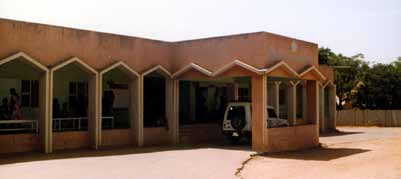
The Sri Sathya Sai General Hospital (SSSGH) has been an important landmark in Whitefield with a rich past, and thronged by hundreds of patients every day, and volunteer doctors, who offer their services at the Hospital without any remuneration. Since the time it was set up in 1976, the hospital had been nurtured by Bhagawan Sri Sathya Sai Baba through dedicated and committed instruments like Dr. C. Rajeswari, Dr. P.V. Hegde, Dr. M. Balasubramanian and Dr. Savithri and many other staff in the nursing cadre and also in the administration. The doctors embodied Swami’s dictum that Sacrifice is the hallmark of a doctor. Eschewing private, profitable practice, each one of them dedicated themselves to the service of the poorest of the poor, who were drawn to the General Hospital.
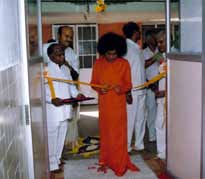
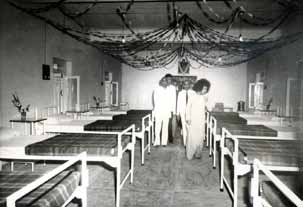
In fact, Swami seems to be the mother and the General Hospital, His child. If one goes through the archives you would see Him present for all the critical moments of the Hospital, just like a parent is present during the critical moments of the child’s growth. He was there to witness all such moments in the Hospital, be it the inauguration of a diesel generator or the installation of an X-ray machine, or the opening of the maternity ward or the residential block.
Though the Hospital started out as a one-bed maternity clinic, over the years it expanded into a 55-bed multi-specialty clinic. Swami used to always refer to it as the Little Hospital, and He always demonstrated a closeness to it. It was perhaps due to this closeness He felt for the hospital that when He needed to be operated upon, He chose to be operated in the little hospital. If the little hospital was good for the poor thousands, who gained succor from it, it was surely good enough for Him, seemed to be the message He conveyed.
The Sri Sathya Sai General Hospital was run by Sri Sathya Sai Health & Education Trust, and from August, 2008, under Divine guidance, its running was taken over by the Sri Sathya Sai Central Trust. Since then, Sri Sathya Sai Central Trust has been meeting both the revenue and capital expenditure needed to run this Hospital.
As the main building is over 30 years old, there were various difficulties being faced in the day-to-day running of the hospital, and this had a direct bearing on the patient safety and patient care. It was at this time that the Trust started mulling over the future of the hospital, especially since there was a large facility at Sri Sathya Sai Institute of Higher Medical Sciences (SSSIHMS) five kilometers away in the EPIP area of Whitefield. From a historical perspective, though the hospital was important, it seemed prudent to study the issue before making further investment in this ageing building. After a lot of deliberations, rounds of physical inspections, and feasibility studies, the Sri Sathya Sai Central Trust decided to move the services being offered by the Sri Sathya Sai General Hospital into the premises of Sri Sathya Sai Institute of Higher Medical Sciences. SSSIHMS had the requisite space to house all the specialties and it would benefit patients of both hospitals, due to cross-referrals.
After months of careful planning and execution, on July 6, 2016, the services of the SSSGH were formally moved to SSSIHMS-Whitefield.
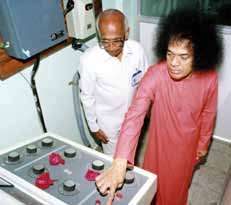
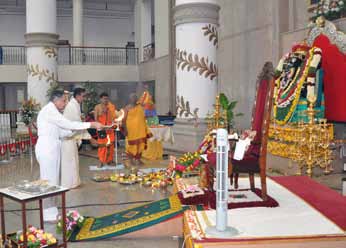
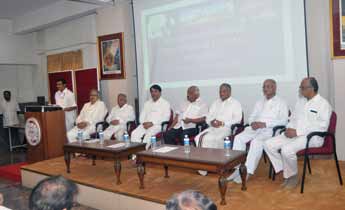
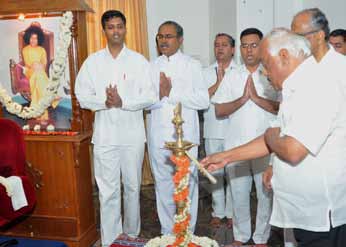
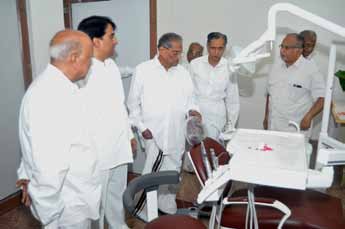
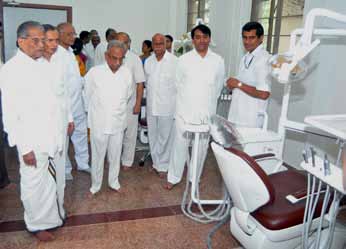
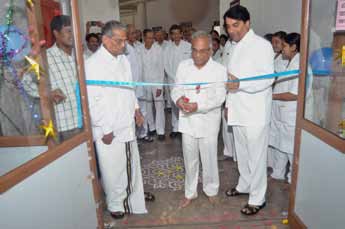
It was a memorable occasion, where there were bhajans and a puja conducted in the centre dome area of the hospital. After the puja, there was a formal inaugural function in the Dhanwantri Hall, with the Hon’ble Minister of Health, Govt. of Karnataka, Sri K.R. Ramesh Kumar as the Chief Guest. The Trustees of the Sri Sathya Sai Central Trust were also present. The inaugural function was followed by a visit by the Trustees to the various new facilities set up in the hospital.
In Conversation · pages 7–11
Dr. Upendra Acharya
Medical Superintendent, Sri Sathya Sai General Hospital, Whitefield
Mano Hriday (MH): Could you please share your background with our readers?
Dr. Upendra Acharya (UA): After completing my MBBS and internship from Gujarat University in 1964, I left for the UK for higher studies. I had my training in General Medicine and Pediatrics with higher qualifications, with special interest in Dermatology. I spent 8 years in the UK. Though trained in General Medicine and Pediatrics, I finally settled down to practice Dermatology. I worked at the Stobhill Hospital, which was a large 1200-bedded teaching hospital. Out of 1200 beds, 108 beds were allotted to Dermatology. I was in my mid-20s at the time and was admitting 13-15 patients a day.
Later, I was fortunate to have worked under Dr. A. W. McKenzie, who along with Dr. R.B. Stoughton, pioneered steroid research.
After working for 8 years in the UK, through an advertisement in the British Medical Journal, I came to know about a job opening in the Rashid Hospital in Dubai. At the time, I did not even know where Dubai was! A friend in Qatar provided me enough information to help me make the move to the middle-east in 1972.
I have been in the middle-east from 1972 till 2010, and my last posting was as the Medical Director of the Dubai Herbal and Treatment Centre, set up on an integrative medicine approach.
In July, 2009, Swami blessed me with the role of the Medical Superintendent at the Whitefield General Hospital and I joined office in Feb, 2010.
MH: When did you first come to Swami?
UA: I had Swami’s first darshan in December, 1979. Since then I had been coming almost 4-5 times every year for His darshan. My family and I have been Team Mano Hriday interacted with Dr. Upendra Acharya, Medical Superintendent, Sri Sathya Sai General Hospital, Whitefield to find out more about this critical move and the future direction for the General Hospital. Dr. Upendra Acharya is a practicing Dermatologist with interest in Integrative Medicine. Apart from being a seasoned professional, Dr. Acharya is also an ardent devotee of Bhagawan Sri Sathya Sai Baba.
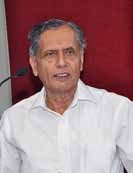
Here is the interview with Dr. Upendra Acharya
blessed with numerous interviews and materialisations since then.
In 1980, I had the privilege of being the Founder Chairman of the Sri Sathya Sai Seva Organization, Dubai – the first Sai organization, being set up in the Arabian Gulf. I was also fortunate to serve as a Chairman from 2000-09 and as a Regional Medical Coordinator, Gulf and Middle East till 2009.
That was when I moved to India.
MH: Given that you were an administrator in an affluent society in the middle east, what were your observations and concerns when you took up the role of a Medical Superintendent of the Sri Sathya Sai General Hospital?
UA: Since I had not worked in India after my medical education, I did perceive it as a challenge. Also, in my previous postings in the middle-east, finance was not a constraint. However, with the good fortune of being with Swami for over close to four decades, I was adequately trained by Him to take up this role.
When I was asked to come take charge, I did have some concerns, but they were all beautifully resolved by Swami. I was then confident that if He appointed me, He would also grant me the necessary guidance to carry out the job.
MH: How did your decision to move back to India come about?
UA: During one interview we had with Swami in 1983, Swami told me that I have been out of India for a long time and that I should start thinking about coming back. I had accordingly made plans to move to India. Within a year or two, I actually moved back to India, joined my two daughters in a school in Bangalore and reported to Swami in Puttaparthi.
Swami often says, “Love My uncertainty”. In Parthi, Swami told me to continue to stay back in Dubai for another five years! I had to immediately make necessary arrangements to move back to Dubai, along with my family.
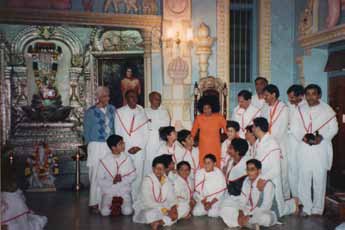
In retrospect, I can see the purpose behind His instructions. The years 1980-1990 were the golden years in my life and also for Swami’s organizations in the middle-east, as He used to give us constant and specific guidance on matters pertaining to setting up and running the Sai organization in the Arabian Gulf, how to start Bal Vikas classes and so on.
MH: Could you share some of Swami’s wisdom received through such interactions?
UA: I recall that in 1990, on the occasion of our 25th wedding anniversary, Swami granted our family our longest interview, for almost 2 hours. He gave us a free hand to ask anything. We asked Him how it was, during the time of Rama & Krishna. Swami replied that Maya (illusion) existed as strongly then as it exists now, and narrated how even Sage Viswamitra, a learned person was so much enveloped in Maya, that he started teaching Rama, an Avatar, the sacred mantras!
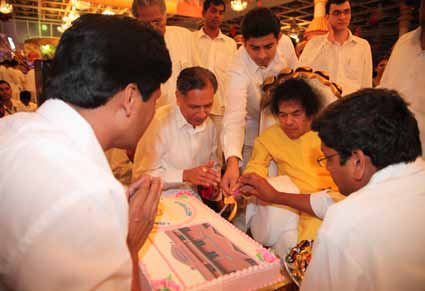
I also asked him to bless me with a Viswaroopa Darshan. He beautifully explained that the day I begin to see Him in all people, that is the day I would have His Viswaroopa Darshan.
He told us during this interview, “You should all be like Me! Expand, expand, expand. Expansion is life, contraction is death.”
Perhaps referring to the various dilemmas I used to have while working in the organization, Swami pointed to my head, and said, “Don’t doubt!” And pointing to my heart, He said, “What you are doing is right. All work is God’s work.” This gave me such a boost of confidence!
I also recall the beautiful lesson He taught us through a fan. He said, “Look at the fan. If all the three blades are in balance, there is cool breeze. Similarly, if there is balance in the body, mind & spirit, and the sathwa, rajas and tamas tendencies, your life will give coolness to others. You must balance everything and practice moderation.”
MH: How did the need to shift the premises come about? What were the considerations during the time?
UA: The General Hospital was a surgical specialty hospital. It started off as a mother & child care clinic by late Dr. Rajeswari. At that time, it was called the “Sri Sathya Sai Hospital for Women and Children”. Over a period of time, other specialties got added on, and what started off as a primary care centre started offering secondary and even tertiary care.
The model of the General Hospital was through encouraging specialists to offer their services at regular intervals. In the initial days, it seems Swami himself used to request doctors, who came for His darshan to serve in the hospital.
The main building is over 30 years old, and there are various issues with the civil and electrical infrastructure, which necessitated the change.
MH: So, how did the planning for its relocation go on?
UA: Initially, we first thought of moving only the surgical specialties to SSSIHMS, but after studying the proposal, we soon realized we would need to duplicate many facilities, and it would end up as maintaining two facilities, which is not a proper use of the Trust resources. It was therefore felt that it is better to move all the facilities to the SSSIHMS premises.
It seems fortuitous now that when I was in Dubai, I was given the task of re-engineering the hospital on two occasions, and one of the re-engineering exercise included shifting a mother and child care centre to a new location. Looking back, it appears that Swami had given me the experience and exposure on how to re-locate a hospital.
MH: Once the decision was taken to move in to the premises of SSSIHMS-Whitefield, could you give us a glimpse of the background work, which would have gone into getting the facilities at SSSIHMS-Whitefield ready for the SSSGH to move in?
UA: Once this decision was taken, the immediate challenge then was to identify the locations for housing these specialties.
All the multi-specialty clinics were comfortably accommodated in the Neuro OPD, and the Dental clinic was accommodated in the reception block. The surgical suites and wards were accommodated in the second floor, in the erstwhile Neuro OT complex, and provision was made for the labour rooms adjacent to the OTs.
Neither the decision nor execution was easy. There were genuine concerns from all stakeholders, but the foremost and the uniting factor was “what is good for the Institution and what is good for the patient” It is purely Swami’s grace that the intended objectives have been met.
MH: Given that Bhagawan was Himself operated on at the SSSGH, and for the attachment He had to His ‘Little Hospital’, was it not a very emotional decision?
UA: It is true that Swami was operated at the hospital, but I do not think He was attached to anything, much less a building. He certainly did have an affection and affinity for the place, more because of the people who worked there and the values being practiced at work. In that sense nothing has changed. The same people continue to work here with the same set of values.
MH: We also know that there were many volunteer staff and
doctors, who have put in decades of service at the Hospital. What were their reactions to this move?
UA: Many of the surgical specialists were very positive with the move, as they are aware of the better facilities available at SSSIHMS, and as this would translate to better patient care and improved outcomes. Also, now they are confident of treating cases, which they were not confident of treating earlier, due to availability of ICU facilities and so on.
There are of course, a few doctors, who still are attached to the old facility due to their long association, for it holds so many beautiful memories, which they all cherish.
MH: Now that the SSSGH has been functioning at the SSSIHMS campus for over six months, how do you find the move has been?
UA: I think the major beneficiary of the move has been the patient. Previously, for cross-references between departments, the patients had to commute between both the hospitals multiple times. Now, once all the services are offered under one roof, it is hugely beneficial to him or her. Also, we can now begin to draw on the synergies between the various specialties and work towards further improvements in patient care.
MH: We understand you were responsible for the setting up of the Dubai Herbal and Treatment Centre, which
incorporates complementary and alternate methods of treatment. Please share with our readers about your interest in integrative medicine?
UA: As a practitioner of allopathy, I was constantly concerned about the side effects of allopathic drugs. I was disturbed by the fact that while I treat a patient for his skin issues, due to the steroids used in the medications I prescribe, the patients used to get various other ailments like diabetes, hypertension, osteoporosis, gastritis, muscular atrophy, which are all side-effects of steroids. I used to think deeply on this issue. I saw no alternative until 1998, when I ventured into Energy Medicine through Dr. S.K. Ramesh, who is one of the five trainers in the world, specializing in this area. Because Energy Medicine uses naturally available substances without any side effects, I took an interest to this and alternate and age-old forms of healing like Ayurveda, Chinese Traditional Medicine, and Homeopathy.
In 2000, on the occasion of the 75th Birthday, Swami blessed the Tachyon Energy Healing methodology and allowed me to practice in the Sri Sathya Sai General Hospital at Prasanthi Nilayam. The cases I saw and treated using Tachyon spanned from frozen shoulders to depression, and the patients made remarkable progress in a very short time, and all without any medicines! Some American doctors who witnessed these healings expressed a keen interest in Tachyon healing, and we even arranged a talk on Tachyon Energy Healing during that time.
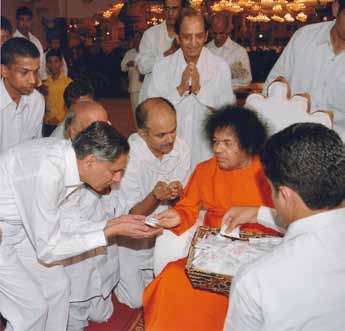
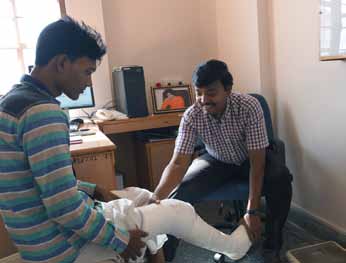
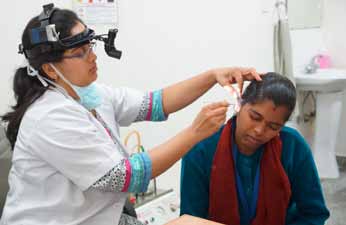
Dr. Rasika, ENT specialist, examining a patient in the new facility Dr. Keerthi Kiran, examining a patient in the ortho OPD Swami blessing doctors of the Sri Sathya Sai General Hospital, Whitefield at Prasanthi Nilayam It was with this experience that in 2002, I had the unique privilege of having been commissioned by the Ruler of Dubai to set up a centre for alternate healing in Dubai. This was called Dubai Herbal and Treatment Centre (DHTC). Once in this field, we took the best practices from various traditional healing methodologies and incorporated them into the working of the DHTC. Swami has spoken a lot about diet, which is also incorporated into the treatment offered at DHTC. Studies have now proven that 60% of the diseases could be addressed just by altering one’s diet.
In integrative medicine, I found answers to questions, I was asking throughout my allopathic career.
MH: What do you think is the direction Swami’s healthcare institutions should be going in?
UA: Firstly, I firmly believe Swami could easily cure any ailment Himself. In my opinion, the hospitals He set up are to provide us all opportunities to experience the joy of helping another person in pain. If we are able to cure patients, without any side-effects and without giving them a new ailment, I feel that is the direction we should focus on.
On the occasion of the 16th Anniversary of SSSIHMS, we have inaugurated the Wellness Clinic, which has been set up on similar lines, where in we propose to use complementary methods to cure patients.
My job now is to talk about it and encourage people to follow a system which does not rely too much on drugs and help them stay healthy.
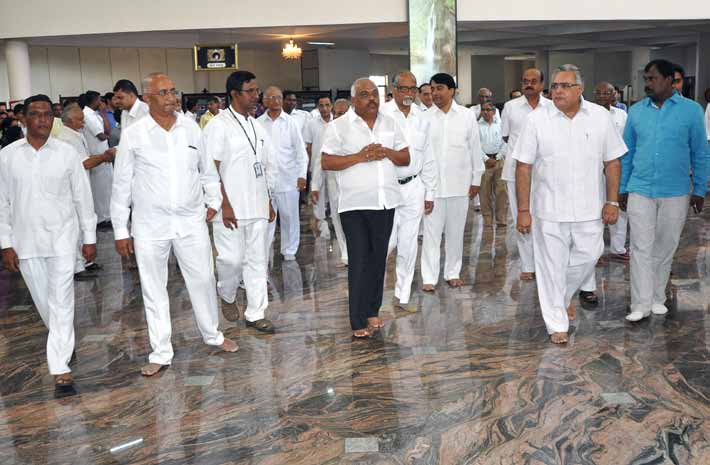
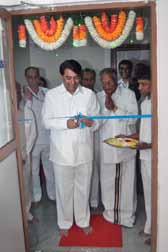
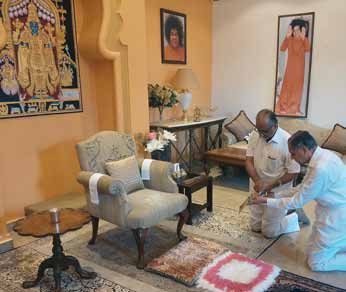
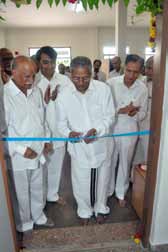
Shri K.R. Ramesh Kumar, Hon’ble Minister of Health & Family Welfare, Govt. of Karnataka, visiting SSSIHMS on 6-Jul-2016 Shri K. Chakravarthi, IAS (Retd), Member Secretary, Board of
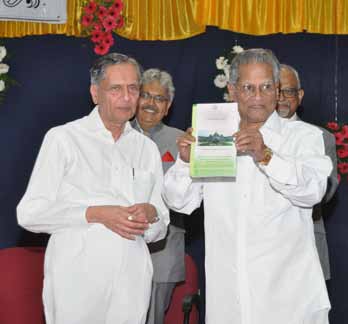
Trustees, SSSCT releasing the Wellness Clinic brochure Glimpses from the function held on 6-Jul-2016
Satisfaction through service · page 12
A dentist’s experience
I am a visiting consultant in the Dental Surgery Dept. It was way back in 1998, that this journey started and its been an incredible one! Hailing from a family, where emphasis on values & education was high, I was encouraged to pursue my dreams of becoming a doctor. Coming out of college, like any youngster, I was also full of aspirations and dreams. I was lucky a second time, when my life’s journey took me to my husband’s home, where the same kind of encouragement continued. My husband Dr. Lokesh – a practicing anesthetist, was already involved with the Sri Sathya Sai Institutions. He was educated in the Sathya Sai institutions and was deeply influenced by the preachings of Swami. Dr. Lokesh not only supported me in chasing my dreams but also introduced me to the Sathya Sai World. My husband was very eagerly looking forward to joining the hospital and render his services. I admit I was initially hesitant to join the Sathya Sai order. It took a little bit of prodding from him in helping me firm-up my decision in joining Swami’s hospital. To be honest, my hesitations were around the timing of joining a community service hospital right at the beginning of my career. While I was not totally averse to the idea, I was saying to myself that I should do this later, may be during my retirement. However, once I made up my mind, I decided to give it my best. We both joined the Sri Sathya Sai General Hospital, Whitefield together.
Our initial days at the hospital were very memorable. The warmth of senior doctors & the dedication of Seva Dal volunteers was truly out-of-the-world. We were amazed to discover that there were Seva Dal volunteers from affluent backgrounds, were highly accomplished & had held high positions in their careers. But here they put all that aside and were serving the needy. Their humility, simplicity & attitude of service were something that had a deep impact on both of us. Our outlook and the way we started looking at life as a whole underwent a big change. We were really fortunate to have gotten this exposure right at the beginning of our careers.
This life-changing experience set off a chain of thoughts in my mind. I was wanting to know why successful & accomplished people gave up everything and took up service. These questions made me very curious about the force behind this movement. The more I discovered about the vast area of work being done by the Sathya Sai Institutions, my respect for Swami grew manifold. My husband was already a regular visitor to Prasanthi Nilayam. I started joining my husband and friends in their trips to Puttaparthi. The inspirational talk and the vision of Swami had a lasting impact on us. We were glad that we made the right decision in joining the hospital and there was no looking back.
Dr. Savithri played a big role in mentoring us. She was herself a huge inspiration. It’s been a few years that she left us, but she never fades away from our thoughts. We have received a great deal of support from Dr. Narayana Murthy, senior anesthetist, who played a key role in getting us on board. We are both hugely indebted to all our seniors for grooming us.
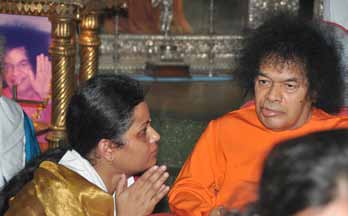
We are now poised to move into a new facility and serve the needy in a bigger way. But this hospital (SSSGH, Whitefield) has a special place in our hearts and is filled with fond memories. It has helped us make a lot of friends, provided an opportunity to interact with great minds and above all has connected us with the Sathya Sai world. Our realization of ‘satisfaction through service’ happened here. My husband and I wish to take this opportunity to thank all those involved in this mission, for their support. Both of us look forward to be associated with this order and continue on the path laid down by our beloved Baba, Sri Sathya Sai.
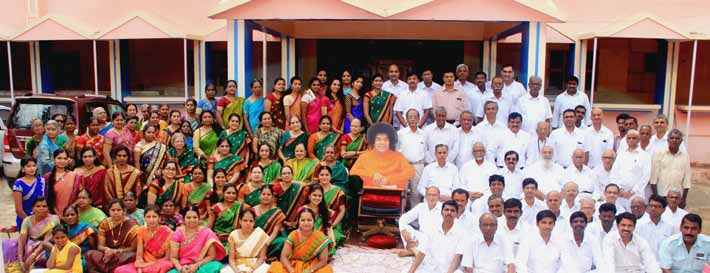
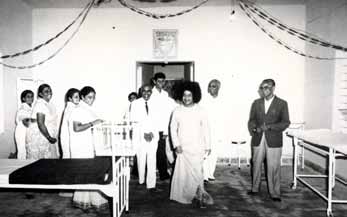
Staff picture of SSSGH, Whitefield taken on the last day of working at the old premises
We are but instruments · page 13
A cardiac surgeon’s experience
“It seems hopeless. Should we even try? Is it worth trying to perform a surgery on a man clinically dead for 45 minutes?” These were the thoughts running through the mind of Dr. Kumaran, a consultant cardio thoracic surgeon working at SSSIHMS. In his many years of surgical experience, he has not seen a case as bad as this.
It all started with a call from the cardiologists, wanting him to take a look at a patient, who came to them with a chest pain. Sushant was 44-year old hailing from Darjeeling, with a wife and two young kids in school. The angiogram revealed diffuse blocks in the blood vessels supplying blood to his heart. Stenting would not serve him. He needed an open-heart, bypass surgery.
That is when the drama started. Sushant suffered a massive cardiac arrest and collapsed in the CCU. The cardiologists did their best to resuscitate him, but it all seemed in vain. When Dr. Kumaran was called on to the scene, he found the ECG showed a flat line. In between the CPR, he did an Echo test. The Echo showed the heart was still. Sushant was clinically dead. Even though the heart was still, the cardiologists believed there was still life. They continued the CPR and after a 45-minute effort, the flat line started to show signs of life. This was the first miracle, and just the beginning of more miracles, the doctors were to witness.
Though the team was relieved Sushant is alive, his was not an easy condition to operate. His blood pressure was borderline. He was very sick, and though surgery was his only chance for survival, Dr. Kumaran felt there was slim chance he would even make it to the ICU, post surgery. He even felt doubtful he can be weaned off the heart-lung machine. His years of medical training, and his previous experience both told him it was pointless.
However, in this Institute, where everyone is given a fair chance of survival, and where a patient’s background and clinical condition gain importance over his financial capability, Dr. Kumaran and the cardiologists agreed to give him a chance at life. He briefed Sushant’s wife about his poor prospects and the high-risk involved in surgery. She was so full of faith and expressed that if Baba has brought her husband to this hospital, He would also ensure he leaves the hospital cured. She seemed to instill confidence in the surgeons and insisted they go ahead with the surgery.
Shortly, Sushant is on the OT table, under the bright lights and with Dr. Kumaran looking down at him, holding a scalpel in his hand, and doubt in his mind. In a couple of hours, the surgery is done, and a piece of healthy tissue is grafted in place of the diseased tissue. That is when the second miracle happened.
“It was only when I was going through the surgery, I realized how well his heart was tolerating the bypass graft, in spite of suffering from a massive myocardial infarction just a couple of hours back. It was one of the smoothest surgeries I performed and Sushant came out of the surgery with minimal supports,” Dr. Kumaran recalls. The moment the surgery was done and they went off-pump, the heart started to beat normally. To Dr. Kumaran, Sushant’s heart looked like a galloping horse.
“I could not believe my eyes. A person, who was dead a few hours ago, is now fully alive. I certainly didn’t do this!” was his immediate reaction. Even then, trained to be grounded in such situations, he felt the true test would be when his brain functions are evaluated. 45 minutes of hypoxia or lack of blood supply to the brain is bound to cause irreversible damage to other functions of the body. So, even if he survived the surgery, he would end up being a burden to his family.
Late that night, as the effect of anaesthesia wore out, Sushant started moving his limbs. He responded to questions being asked, seemed to show no signs of memory loss. It was the third miracle in a row that he suffered no brain damage! It was unbelievable!
Sushant was discharged from the hospital in 3-4 days’ time, just like any other elective cases. There were no deficiencies and he walked out of the hospital, with his wife and two kids in tow.
This is a medical miracle, not explainable by any form of science today. It was Baba’s grace and team-work all the way, right from the cardiologist, to the anaesthetist, the nurses, the perfusionist and the entire surgical team, who played out
their parts perfectly and orchestrated such a smooth recovery. Sushant’s wife and her firm faith was the foundation on which our actions seemed to result in Sushant walking out of the hospital on his own two feet,” concludes Dr. Kumaran.
“This incident changed my outlook to healing and has made a deep impact on me. I realize now that the Supreme Being has His own plans and outcomes for every patient who steps in to this Temple of Healing. We are but instruments, carrying out His work.”
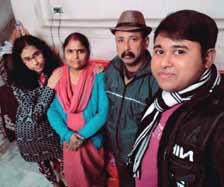
Sushant was operated in August, 2014. At the time of publishing this article, Sushant is doing fine, continuing to work his regular job. The family selfie was sent to us as proof of his well-being. – Editors.
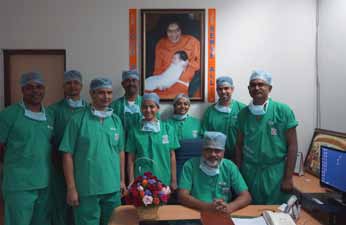
The cardiac surgery team at SSSIHMS
Manohriday · pages 14–15
Publications, Conferences
Academically, 2016 has been yet another
brilliant year at SSSIHMS, Whitefield, with numerous publications,
awards and recognitions, conference presentations by clinicians, and
specialized procedures and educational events conducted at the Institute.
Once again, the Institute takes pride to announce that it has achieved 100% pass in all
academic programs conducted at the Institute, be it in the Nursing and Allied Health Sciences, or the DNB and Fellowship programs.
We present to you a brief summary of achievements made possible by the medical
professionals working at the Institute.
Publications: Peer-reviewed journals
01. Sivaraju L, Thakar S, Ghosal N, Hegde AS. Primary intradural sacral epidermoid in a nondysraphic spine: Case report and review of literature. J Craniovertebr Junction Spine. 2016 Apr-Jun;7(2):105- 8.
02. Thakar S, Hegde AS. Expansile thoracic vertebral lesion with fluid-fluid levels. Spine J. 2016 Feb 26. pii: S1529-9430(16)00382- X.
03. Raj V, Thakar S, Hegde AS. A thoracic intradural "spinal stone" causing paraparesis. Spine J. 2016 Feb 18. pii: S1529-9430(16)00368- 5.
04. Thakar S, Hegde AS. An unusual thoracic spinal pathology presenting as a dorsally exophytic intramedullary lesion. Spine J. 2016 Feb 19. pii:S1529-9430(16)00371- 5.
05. Sivaraju L, Saritha A, Atal A, Hegde AS. Fronto-orbital tuberculous osteomyelitis with temporalis myositis. Orbit. 2016 Jun;35(3):161-2..
06. Thakar S, Sivaraju L, Aryan S, Mohan D, Sai Kiran NA, Hegde AS. Lumbar paraspinal muscle morphometry and its correlations with demographic and radiological factors in adult isthmic spondylolisthesis: a retrospective review of 120 surgically managed cases. J Neurosurg Spine. 2016 May;24(5):679-85.
07. Avinash KS, Thakar S, Ghosal N, Hegde AS. Anaplastic hemangiopericytoma in the frontal horn of the lateral ventricle. J Clin Neurosci. 2016 Apr;26:147-9.
08. Thakar S, Hegde AS. A hemorrhagic cervical intramedullary arachnoid cyst. Spine J. 2016 Mar;16(3):e173-4.
09. Thakar S, Ks A, Hegde AS. Cervical flexion myelopathy causing distal upper limb amyotrophy. Spine J. 2016 Feb;16(2):e57-8
10. Thakar S, Hegde AS. Multiple posttraumatic cervical pseudomeningoceles. Spine J. 2016 Feb;16(2):e55-6.
11. Thakar S, Sai Kiran NA, Mohan D, Pushpa BT, Hegde V, Hegde AS. Aggressive thoracic vertebral lesion with intraosseous and epidural components. Spine J. 2016 Feb;16(2):e35-6.
12. Thakar S, Sai Kiran NA, Hegde AS. A multilobulated, pan-columnar cervical spine lesion causing myelopathy. Spine J. 2016 Feb;16(2):e5-6..
13. Thakar S, Ks A, Hegde AS. Multiple extradural and intradural spinal anomalies in a child. Spine J. 2016 Jan 1;16(1):e31-2.
14. Raj V, Thakar S, Hegde AS. A thoracic intradural “spinal stone” causing paraparesis. Spine J. 2016 Feb 18. pii: S1529-9430(16)00368-5
15. Thakar S, Ks A, Hegde AS. Multiple extradural and intradural spinal anomalies in a child. Spine J. 2016 Jan 1;16(1):e31-2.
16. Sivaraju L, Aryan S, Hegde VS, Ghosal N, Hegde AS. Aggressive solitary intracranial metastatic malignant melanoma from a primary mediastinal tumour. Neuroradiol J. 2016 Aug;29(4):269-72. doi: 10.1177/1971400916648337.
17. Goel N, Aryan S, Sivaraju L, Ghosal N. Sclerosing epithelioid fibrosarcoma with brain metastases. Clin Neuropathol. 2016 Oct 14.
18. Sivaraju L, Sai Kiran NA, Rao AS, Ghosal N, Hegde AS. Giant multi-compartmental suprasellar Rathke’s cleft cyst with restriction on diffusion weighted images. Neuroradiol J. (Accepted for publication).
19. Sivaraju L, Aryan S, Ghosal N, Hegde AS’Cerebellar liponeurocytoma presenting as multifocal bilateral cerebellar hemispheric mass lesions’. Neurol India. (Accepted for publication).
20. Sivaraju L, Mani S, Prabhu K, Daniel RT, Chacko AG. Three-dimensional computed tomography angiographic study of the vertebral artery in patients with congenital craniovertebral junction anomalies. Eur Spine J. 2016 May 2.
21. Aryan S, Thakar S, Hegde AS. Artery of Percheron infarction after endoscopic pituitary surgery. Acta Neurochir (Wien). 2016 Oct;158(10):1973-5.
22. Thakar S, Avinash KS, Aryan S, Mohan D, NA Saikiran, Hedge AS. Does the mesodermal derangement in Chiari Type I malformation extend to the cervical spine? Evidence from an analytical morphometric study on cervical paraspinal muscles. (accepted) Journal of Neurosurgery Spine
23. Venkateshvaran A., Sola S., Govind SC, Dash PK., Vyavahare S, Lund LH, Merkely Bela, Nagy AI, and Manouras A. Arterial-ventricular and interventricular interaction in isolated post-capillary and combined pulmonary hypertension in severe mitral stenosis. Eur J Applied Physiology. 2016; 116(8): 1545-1554.
24. Rakoff D, Akella K, Guruvegowda C , Chhajwani S, Seshadri S, Sola S. Customized training improves compliance and comprehension with a surgical safety checklist compared with standard training. J Patient Safety 2016; (In Press)
25. SP Kumaran, ZA Assis, S Viswamitra, N Ghosal, Sai Kiran Narayanam. N-acetyl aspartate peak in extraaxial extraosseous chondrosarcoma of the brain on MRI: Unravelling a diagnostic dilemma. Neurology India, 2016; Year : 2016 Volume : 64, Issue : 1, Page : 176-178
26. Kolli S Chalam, Patnaik SS, Sunil C, Bansal.T. Comparative study of ultrasound-guided paravertebral block with ropivacaine versus bupivacaine for post-operative pain relief in children undergoing thoracotomy for patent ductus arteriosus ligation surgery. Indian J Anaesth 2015; 59:493-8.
27. Chalam KS, Gupta J. Comparison of intubating laryngeal mask airway and fiberoptic bronchoscopy for endotracheal intubation in patients undergoing cervical discectomy. J Anaesthesiol Clin Pharmacol 2016; 32:515-8.
28. Reddy PB, Punetha P, Chalam KS.Ultrasonography -A viable tool for airway assessment. Indian J Anaesth 2016; 60:807-13.
29. Malhotra A, Gupta V, Abraham M, Punetha P, Bundela Y. Quantifying the Amount of Bleeding and Associated Changes in Intra-Abdominal Pressure and Mean Airway Pressure in Patients Undergoing Lumbar Fixation Surgeries: A Comparison of Three Positioning Systems. Asian Spine Journal. 2016;10(2):199-204.
30. Pushpa B T, Sunitha P Kumaran, Sanjaya Viswamitra. Complications exclusive to long strut grafts used following multilevel cervical corpectomy- Utilization of advanced imaging techniques.’-Indian journal of radiology and imaging. (Ahead of Print)
31. Sunitha P Kumaran, Zarina A, Sanjaya Viswamitra. Tree in bud appearance in brain: Fungal granuloma on contrast MR imaging Asian journal of Neurosurgery. (Ahead of Print)
Publications: Book chapters
01. Sola S. “Pharmacologic stress echocardiography” in Applied Echocardiography in Coronary Artery Disease. Kasliwal R and Bansal M, editors. Jaypee Brothers Medical Publishers Pvt. Ltd. 2016.
02. Dillikar M, Sola S. “Echocardiography in the Emergency Room” in Textbook of Echocardiography. Amuthan V, editor. Jaypee Brothers Medical Publishers Pvt. Ltd. 2016.
03. Venkateshvaran A, Sola S. “Physics of Ultrasound” in Textbook of Echocardiography. Amuthan V, editor. Jaypee Brothers Medical Publishers Pvt. Ltd. 2016.
Manohriday · pages 16–17
Conferences Workshops
Conference Presentations: International
Numerous exhibits/presentations during the Radiological Society of North America meeting - 2016, McCormick Place, Chicago, Nov 27- Dec 2, 2017. These include: a. Spectrum of calvarial lesions with fluid levels - An
Educational exhibit by Pushpa B.T., Sunitha P. Kumaran, Sanjaya Viswamitra.
b. Meet the outlanders in brain - An Educational exhibit by Pushpa B.T., Sunitha P. Kumaran, Sanjaya Viswamitra. c. Defect in the Base: Imaging Spectrum of Cerebrospinal
Fluid Leaks - An educational exhibit by Siddhorooda, Pushpa B.T., Vinay Hegde, Sunitha P Kumaran, Sanjaya Viswamitra.
d. Coronary Artery Calcium Score In Symptomatic South Asian Population - Poor Correlation With Coronary Artery Disease Severity - An oral paper presentation by Dr. Anitha K., Dr. Sanjaya Viswamitra, Dr. Sunitha P., Dr. Pushpa B.T., Dr. Vinay Hegde, Dr. Srikanth Sola.
Conference Presentations: National
1. Transcatheter Ventricular Septal Defect Closure- A Tertiary Care Centre Experience From South India, Dr. Reeta Varyani, Department of Cardiology, Annual conference of Pediatric cardiology Society of India (PCSI) at Bangalore in September-October 2016.
2. Successful Avbd And Transcatheter PDA Device Closure With Amplatzer Vascular Plug II in a very Sick Preterm Child Presenting With Advanced Heart Failure, Dr. Reeta Varyani, Annual conference of PCSI at Bangalore in September-October 2016.
3. Various cases of Left Main & Bifurcation stenting, Dr. Reeta Varyani, Regional meeting of “Left Main & Bifurcation Stenting” organised by Boston Scientific India at Bangalore in September 2016.
4. Coarctation of Aorta, Dr. P.Vigneshwaran, and Dr. Pranav Shamraj, Annual meeting of Cardiological Society of India in December 2016 at Kochi.
5. Dr. Sathya Swaroop Patnaik, Junior Consultant, Department of Anesthesia and Critical Care Medicine, presented 4 papers at Cardiac Anaesthesia National Conference IACTACON on 12th & 14th Feb 2016. These included:
a. Cardiac surgery postoperative arrest and resuscitation-a single institution 3 year retrospective study of protocol and outcome b. Difficulty in weaning off CPB in a case of Williams
syndrome with Supravalvular aortic stenosis, c. Patient of SV ASD with PAPVC and LSVC for
Minimal Access Cardiac Surgery, d. Minimally invasive approach for redo valve surgery- a
case series e) Dr. Isha Samadhiya presented 2 papers at IACTA
CON dated 12th & 14th Feb 2016. These included: a. Comparison between Tranexamic acid and Epsilon
amino caproic acid in reducing Post operative bleeding and use of Blood Products in Adult Valvular Heart Surgeries, b. Anaesthetic Implications of Minimally invasive
cardiac surgery- An Institutional Review of 64 Cases.
f) Dr. Shwetha Prasad and Dr. E.V. Joshy presented an analysis of 25 cases of Tumefactive Demyelination at the Neurological Society meeting on 6-Nov-2016. Such a large number of this rare condition makes this study the second largest in the world literature. g) Dr. E.V. Joshy from the Department of Neurology
was invited to conduct a Half-day course on “Neuropsychiatric Disorders” at Karnataka Institute of Medical Sciences, Hubballi on 28 Aug 2016.
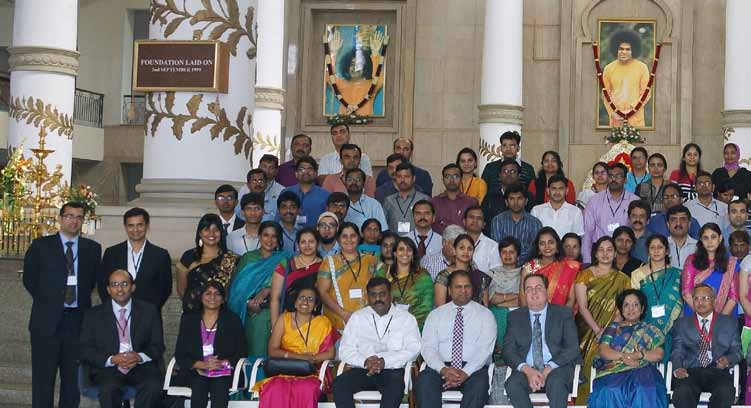
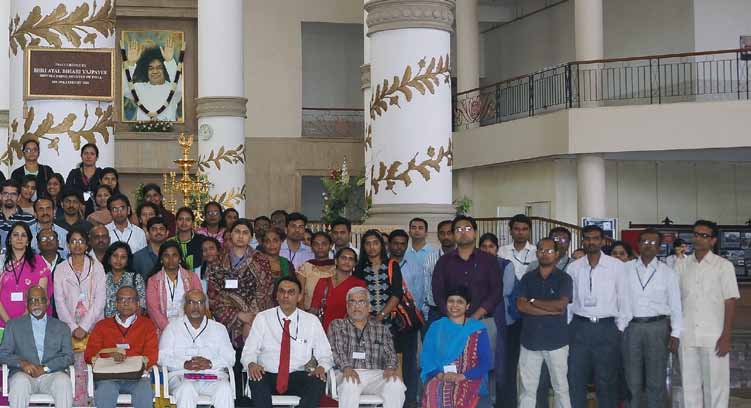
Conferences and Workshops conducted at SSSIHMS-WFD
1. The Department of Cardiology organised its
nd
annual Clinical Cardiology CME titled “Sri Sathya Sai Preparatory course for Exam going DM/DNB students” (SPEED 2016) between March 12th-13th 2016. 2. The Department of Neurology conducted a one-day
workshop on Neurofeedback Therapy on the 27th of February. The workshop was attended by 120 participants that included doctors, psychologists, nurses, healing practitioners and health IT professionals.
3. The Department of Radiology conducted a half-day CME in Pediatric Neuroradiology. SACRED-16 (Pediatric Neuroradiology) on 07-Feb-2016. The event was attended by 120 delegates.
4. Technologists from the departments of Radiology, SSSIHMS-WFD and SSSIHMS-PG organized a first-ever conference for the technologists under the aegis of SACRED - MRI in Practice on 24-Jul-2016 at our institute. About 150 delegates across southern states attended this 5. The Department of Radiology conducted an in-house
Musculoskeletal Ultrasound workshop with the support of Dr. Muthukumar from Royal National Orthopedic Hospital (RNOH), Stanmore, UK. The hands-on sessions included demonstration of advanced techniques in imaging of orthopaedic joints with complex pathologies. 6. The Department of Anesthesiology and Critical Care
Medicine conducted the Indo-US Critical Care Update 2016 in collaboration with Baylor College of Medicine Texas, University of Texas, USA and Indian society of critical care medicine on 16th & 17th January 2016. 225 delegates from across India attended the event.
7. The Department of Anesthesiology and Critical Care Medicine conducted 4th edition of SANCON on 2nd &
rd
July 2016. 8. The Department of Anesthesiology and Critical Care
Medicine conducted Sri Sathya Sai IACTA Cardiac Anaesthesia Update 2016, under the auspices of IACTA, Bangalore on 12th and 13th November 2016. The two day CME had 12 didactic presentations and one live TEE demo held by leading professionals in Cardiac Anesthesia in Bangalore and across India. 39 faculty and 98 practicing anesthesiologists, fellows and medical students attended the event.
Training programs conducted at SSSIHMS-Whitefield
1. The Department of Cardiology organized a training program in CRT implantation in April and October 2016 with support from Medtronic Inc USA and Boston Scientific Inc USA. During the visit of Dr. Uma Srivatsa and Dr. UB Green’s team in March 2016 and during the training camps of Dr. Yegya Raman and Dr. Ashok Garg more than 40 patients benefited with ICD and CRT implantation.
2. The Department of Cardiology organized training program in implantation of ASD devices with support from Vascular concepts. 12 cardiologists from across India benefited from this hands-on training.
3. Touching Heart Foundation, USA has supported implantation of 270 devices for closing holes in the heart as part of their offering for Bhagwan Sri Sathya Sai Baba’s
th
Birthday. This project was initiated in 2015 and completed in 2016.
4. Sri Sathya Sai Foundation USA through Sri Sathya Sai Trust, Karnataka supported performance of complex coronary interventions and structural interventions in December 2016.
5. The Department of Anesthesia continues to conduct American Heart Association certified Advanced Cardiac Life Support (ACLS) & Basic Life Support (BLS) programs. As on December, 2016, 87 individuals have been trained in ACLS and 321 in BLS (including 56 renewals).
Nominations & Research Grants · page 18
New Equipment
Reviewer, Board and Faculty Nominations
Dr Sumit Thakar, Department of Neurosurgery, has been nominated as a reviewer for the following international journals in 2015-16: The Spine Journal, Child Nervous System, Spine Journal, British Journal of Neurosurgery, BMC Neurology, Neurosurgical Review, Health and Quality of Life Outcomes.
Dr. Laxminadh Sivaraju, Department of Neurosurgery, is Editorial board member in Spine Research, CRESSCO International Journal of Pathology and a reviewer for Brazilian Journal of Medical and Biological Research Dr. Srikanth Sola, Department of Cardology, is Associate Editor, Cardiovascular Diagnosis and Therapy and Journal of Cardiology and Therapy. He is part of Editorial Board, BioMed Research International and reviewer for Journal of the American College of Cardiology; European Heart Journal; Heart; American Heart Journal; Journal of Cardiac Failure; Journal of Cardiovascular Computed Tomography; Coronary Artery Disease; Medicine & Science in Sports & Exercise; Indian Heart Journal.
Dr. Kolli S. Chalam Department of Anesthesia and Critical Care Medicine, serves as External Examiner for Rajiv Gandhi University of Health Science (RGUHS) Fellowship programs in Cardiac Anaesthesia held at Narayana Hrudayala. He served as member of scientific committee of Indian Society of Neuro Anaesthesiology & Critical Care (ISNACC), an international conference, held at NIMHANS, Bangalore in February 2016, and continues to serve as Member, Board of Studies - AHS, RGUHS.
Research Grants
Dr. Srikanth Sola, Department of Cardiology, is Principal Investigator (PI) for a number of collaborative research projects. These include:
- Development of a Novel Method to Reduce Air Pollution. Research to validate and study the clinical effects on health of a novel sound based method to reduce specific components of air pollution- Ministry of Environment, Forests, and Climate Change (multiple grants) 01/01/2010-6/30/2018. Govt. of India.
- Development and Validation of an indigenous high sensitivity – low cost paper based assay for Lp-PLA2 and other cardiac markers to identify Indians at risk for early onset of coronary artery disease. This prospective study will develop a novel, low cost assay for important biomarkers of coronary artery disease in young Indians. 4S Foundation 01/05/2016-31/04/2018.
- Layered strain dobutamine stress echocardiography: A new tool to detect coronary artery disease. This prospective study will identify the utility of layered strain techniques in combination with dobutamine stress echocardiography to identify patients with hemodynamically significant coronary artery disease, in comparison with the reference standard of fractional flow reserve by invasive coronary angiography. GE Healthcare 01/01/2014-31/12/2016.
- DSE for assessment of myocardial viability: This prospective multi-center study will evaluate the role of layered strain echo to identify viable myocardium in patients with ischemic heart failure, in comparison with the reference standard Late Gadolinium Enhancement by cardiac MRI. GE Healthcare 01/01/2014-31/12/2016.
New Equipment and Infrastructure
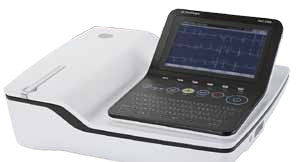
The Department of Neurosurgery has successfully done 80 endoscopy cases in the last one year for various skull base tumours, including functioning and non-functioning pituitary adenomas, Rathkes cleft cyst, craniopharyngioma etc. The introduction of the HD camera provides improved visualization (hence more radical tumour excision) and better depth perception. It allows for better delineation of skull base structures, enabling the surgeons to do procedures such as CSF rhinorrhoea repair (that requires good delineation of skull base defects) and in procedures that require finer work (for eg. optic nerve decompression). It also enables them to perform complex surgeries for tumours such as craniopharyngiomas, suprasellar meningiomas and clival chordomas which would have otherwise required transcranial (and sometimes extensive) approaches The Department of Cardiology has stepped-up digitization its ECG diagnostic modalities. At the inpatient level, Critical Care Unit (CCU) has been equipped with digital ECG system Mac2000 from Wipro GE Medical systems. The outpatient department is equipped with Cardiosoft Digital TMT system from Wipro GE Medical systems and 7-day Holter recording system from Mortara Instruments Inc USA. The Department of Radiology has procured a Full leg full spine cassette system. This is a cassette holder that operates with Agfa CR systems, using Agfa CR cassettes and Agfa stitching software used with where a single exposure is taken without motion. This system is useful in imaging patients with scoliosis and other structural deformities of the entire spine and legs. The department has also procured 2 Totoku CCL354i2 3 MP monitors. With their high luminance and high contrast and an integrated color calibration function, these deliver highly accurate color reproduction faithful to the DICOM GSDF, they reveal subtle findings on medical images and consequently result in improved diagnostic accuracy of radiological interpretation.
Manohriday · page 19
Awards & Recognitions
Neurosurgery
Dr. Sumit Thakar, Consultant Neurosurgeon won the “Nextgen Young Neurosurgeons Award for best research paper” at the International Neurosurgery Update, the annual Asian Australasian Neurological Surgeons society meet in Mumbai (June 2016) Title of paper: Does the mesodermal derangement in Chiari Type I malformation extend to the cervical spine? Evidence from an analytical morphometric study on cervical paraspinal muscles.
Dr. Laxminadh, Jr. Consultant Neurosurgeon won the Best paper in Neurosurgery titled “The ‘worse is better’ radiological paradigm in Chiari type 1 malformation: novel scoring algorithm for prognosticating clinical improvement. A prediction model analysis” in 65th Annual conference of the Neurological Society of India, Dec-2016, Chennai.
Dr Niranjana Rajagopal, DNB Resident, Neurosurgery won the Best paper award at the SKULLBASE CON 2016” the 18th Annual conference of skull base society of India, between 8th and 11th September 2016 for a paper entitled: The sphenoid ostium and its relationship to other endoscopic landmarks in acromegaly: a CT based morphological study.
Cardiology
Dr. Srikanth Sola, Addl Senior Consultant, Department of Cardiology, gave the Annual Oration at “Echo India 2016” organised by Indian Academy of Echocardiography in October 2016 at Madurai. Echo India is an annual congregation of cardiologists, physicians and practicing sonographers. During the year 2016, he was also conferred with ‘Rashtriya Gaurav” award by Indian International Friendship Society, New Delhi and “Best Citizen of India award” by Best Citizen Publishing, New Delhi.
Dr. Prayaag Kini, Consultant, Department of Cardiology, presented a record 10 original abstracts and also received the award for National Best Original Abstract on “Study of CAD in Indian woman” at the annual Cardiological Society of India meeting held in December 2016 at Kochi. He bagged Best Original Paper for “Experience with CTO PCI and application of JCTO score to our patient cohort” at annual meeting of Karnataka chapter of Cardiological society of India at Bangalore in October 2016. Dr. Prayaag Kini also won 5 Best Case Presentations in the annual meeting of Indian Association of Echocardiography (Echo India 2016) organised at Madurai in October 2016, and his presentation titled “First PS then PAH – amazing life-saving save in Cath lab” was selected as one of the top 20 cases in India during the National Interventional Council meeting, Hyderabad in April 2016.
Dr. Rajasekhar, DNB Fellow, Department of Cardiology, received the award for “Best Presenter” at the annual meeting of Karnataka Chapter of Cardio logical Society of India conducted at Bangalore in October 2016.
Anesthesia
Dr. Sathya Swaroop Patnaik, Junior Consultant, Department of Anesthesiology and Critical Care Medicine, won Best Paper Award for his paper on Redo Minimally invasive surgery presented at IACTA National Conference, held at Chennai during Feb, 2016.
Second sight · page 20
A neuro patient’s experience
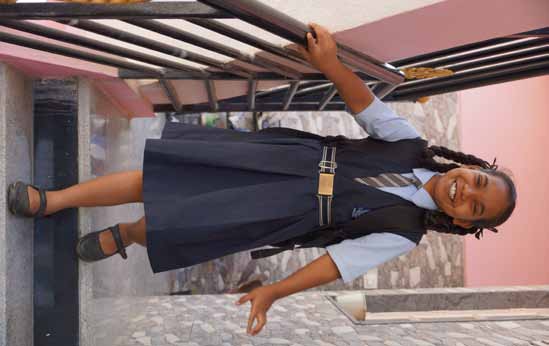
Until a few months ago, Akshatha was a happy 12 year-old child. While her parents lived in Bagalkot, she stayed with her grandmother in Kurubarahalli, in order to pursue her schooling. She was like any other school-going child until one day she noticed, much to her consternation, that she couldn’t see what her teacher had written on the blackboard. The letters were all blurred. She was a bright girl but her performance at school began to decline. This continued for two months until it came to the notice of her grandmother at a medical camp at the school. Subsequently, Akshatha’s grandmother took her to an eye hospital where the doctor noticed significant decrease of vision in the left eye and slight decrease in the right eye. She was advised to consult a neuro physician as her problem was related to weakening of the nerves. On evaluation and investigation at the neuro centre, the specialists identified the problem – the nerves conducting vision (optic nerves) were having slow conduction for some reason. She was further advised to get an MRI of the brain done to identify the cause.
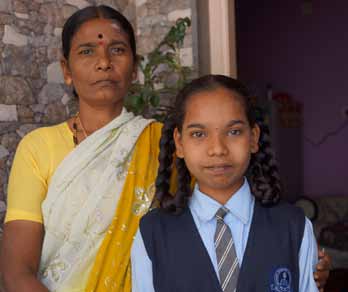
Akshatha’s grandmother had no money to get an MRI done. As fate would have it someone told her about the free-of-cost ‘Sai Hospital’ at Whitefield, where she could get her granddaughter treated. Akshatha was evaluated by the Neurology department at the Sri Sathya Sai Institute of Higher Medical Sciences, Whitefield and an MRI of the brain was done. On reviewing the MRI, the neurologists discovered a narrowing of the optic canal (through which the optic nerves pass) caused by dilatation of the para-nasal sinuses in the face, a condition called pneumosinus dilatans. On X-ray imaging, they found her bones to be weak, and blood tests confirmed this to be due to low levels of Vitamin D. She was referred to the Neurosurgery department to look at surgical possibilities to widen the optic canal and release pressure on the optic nerves.
The team of neurosurgeons at SSSIHMS examined the child and deliberated on her reports. Her case was quite a rare one, with hardly any precedence to such a case in medical literature. Surgery could mean the possibility of the patient losing vision due to handling of the optic nerves. Akshatha’s parents were called in to be counseled about their child’s condition and the pros and cons of surgery. Finally, they arrived at a consensus to go ahead with surgery of the left eye first, as the vision in this eye was worse.
Extensive planning was required for this risky surgery. It required a team of specialists from ENT and Neurosurgery. The team chalked out a plan to conduct a transnasal endoscopic optic nerve decompression. The surgery went on for four hours and a host of sophisticated equipment was used, including a high definition endoscope camera system and the pituitary endoscope system that was procured recently . Post surgery, as she recovered in the ICU, her grandmother noticed that she was finally able to see a little better with her left eye. When her vision was examined after a few days, it was found to have improved by 50 percent! The child was discharged a few days later with advice to take Vitamin D supplements.
A month later, Akshatha came back to the hospital on a follow-up visit. The ophthalmologist’s report revealed a significant improvement in vision in the operated eye. This positive report gave confidence to the neurosurgery team to go ahead and schedule a similar surgery in the right eye. Akshatha was re-admitted and wheeled into the Neurosurgery OT a few days later. The team of doctors decompressed the optic canal by drilling the bone that had narrowed the space for the right optic nerve. Post-surgery, the vision in the right eye also showed considerable improvement.
Akshatha visits the hospital regularly for follow up and is continuing her Vitamin D supplements. At her last check up, her grandmother mentioned that she is now back to school studying in 7th std. Akshatha joyfully adds that the black board in her classroom is now clearly visible to her!
Manohriday · page 21
A second chance at life A cardiology patient’s experience
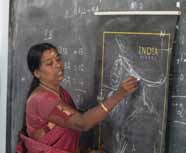
A teacher, it is said, takes a hand, opens a mind and touches a heart. Here is a case, where a teacher’s heart was touched not once but twice, so it could beat longer, stronger and touch more hearts in turn.
Sakthi Murali is a school teacher in a Government school in the outskirts of Coimbatore. She is a favourite not only amongst her students, but also amongst the school management, for she loved teaching and under her care, her students loved learning. That explains the consistent outstanding grades her students receive year after year, and the “Teacher of Excellence” Award she received consistently over the last four years.
Due to family reasons, Sakthi was the sole bread-winner in the family. Her husband played the role of a home-maker and was supportive of her love for teaching. She put all her aspirations on her son, and invested all her hard-earned money towards his higher education in computer engineering. Though with limited means, they lived a contented life.
This was before the episodes of chest pain started. At times, she used to find a sharp, shooting pain in her chest, even while she exerted a little. She had similar episodes of pain in the past, but of late, the episodes seemed to occur more frequently and also last longer. It was beginning to affect her peace of mind, and her performance at school. The next blow came when she lost her mother to a heart attack. She realized that she is genetically susceptible to heart disease. Her being a diabetic only worsened her risk profile. Being the sole earning member in the family, and with the responsibility of teaching 10th & 12th standard children, her health was playing a lot on her mind. Early September, she woke up with a start one night with a sharp, shooting pain. She started sweating and could not even walk across the room to have some water.
Soon after, she and her husband visited a hospital in Coimbatore, where along with an ECG and Echo test, a treadmill test was also done. She failed in the treadmill test and was not even able to complete the test. Basing on her condition, she was advised an angiogram. She could not arrange money for the angiogram and tried some home remedies, but to no avail. The pain soon became severe and unbearable. She found it difficult to even walk short distances.
Mid September, she saw an ad in a newspaper announcing a certain hospital was offering a discounted rate for angiograms, on occasion of the World Heart Day on 28-Sep. She got herself admitted there and got an angiogram done. The angiogram revealed the reason for her chest pain - a 99% block in one of the major arteries supplying blood to her heart. While on the table itself, the doctors advised her to get an angioplasty done immediately, and demanded Rs. 1.5 lakh. This was way beyond her means, and she came back home against their advice.
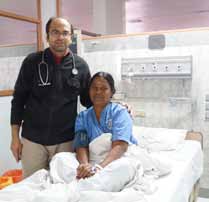
Sakthi and her husband took the angiogram CD and went to other hospitals seeking other opinions. Every doctor who saw her angiogram advised immediate angioplasty. Her concern for her family and the high cost of treatment were foremost on her mind. It was at this point that, through a neighbor in her locality, she came to know about the Sathya Sai Hospital, and the free treatment offered to all who enter its gates. When she sent the angio CD to the hospital, the cardiologists took one look at it before they asked her to rush to the hospital immediately.
It seems Divine grace that the Dussehra holidays just commenced and she could make it to the hospital within two days of being called. She was promptly registered and an angiogram carried out. Looking at the extent of the block, the cardiologists were surprised she even survived those many days without suffering a heart attack. The angiogram was immediately followed up with an angioplasty and a stent was deployed to open up the blockage.
It seemed a sweet coincidence that she being a teacher, underwent the angioplasty on the day of the Saraswathi pooja, performed during Navrathri celebrations. Soon after stenting, her chest pain disappeared. Deeply grateful for the treatment received here, she returned home to Coimbatore, and assumed she would live happily ever after. Unfortunately, life had other plans for her. End December, the chest pain recurred, and her worries returned. She visited local doctors, who treated her for gastritis. The medications they prescribed seemed to have no effect on her pain. Soon after, she started having severe, shooting pain in her chest. When she contacted the hospital, she was asked to come for a review checkup. The cardiologists examined her, and seeing her symptoms did a second angiogram in less than three months. The result was shocking. Sakthi developed a second block in the previously normal segment of the artery just next to the previously deployed stent. It appeared her heart disease was of an aggressive variety, and prone to recur. Thankfully, the previously deployed stent was not blocked and was still providing blood flow to the heart muscle.
While she contemplated over her situation, the cardiology team decided to deploy another stent to open up this second block. In the skillful hands of the cardiologists, the second stent was deployed and Sakthi was once again relieved of the pain. She underwent a special session with the counseling team, who coached her in deep breathing and mind-body conditioning to reduce her stress levels, and also keep her diabetes under control.
We pray Goddess Saraswathi will take care of Sakthi so she can be her chosen instrument and mould many more students, and touch even more hearts in the years to come.
Green initiative · pages 22–28
Sri Sathya Sai Aarunya
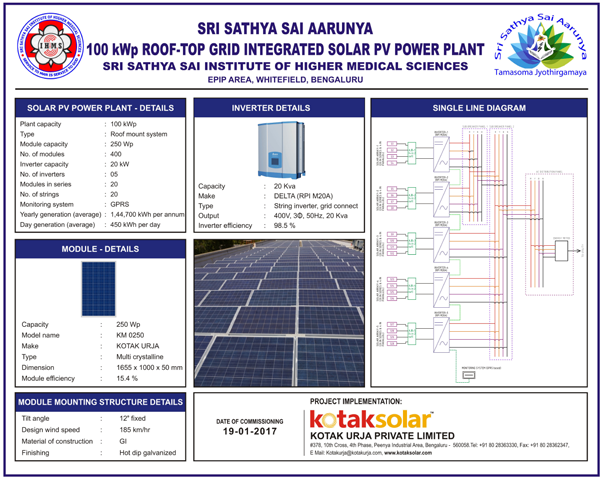
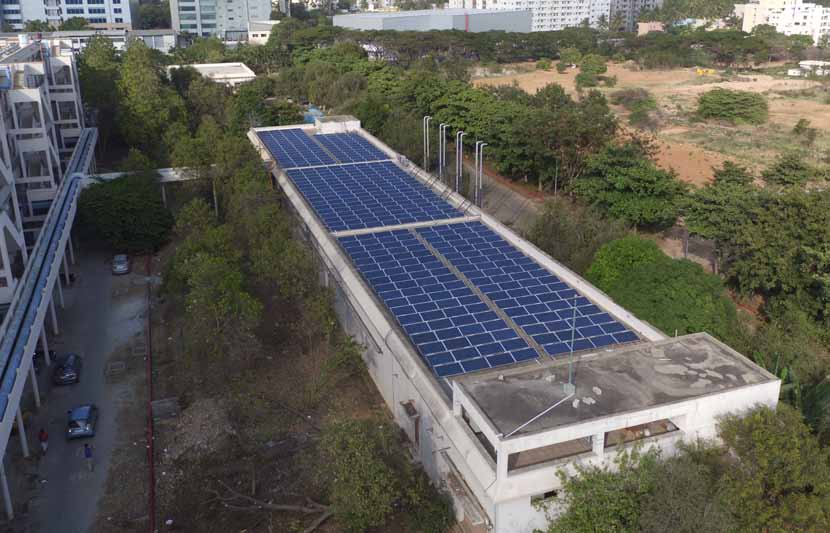
19-Jan-2017 stands out as a red-letter day in the annals of Sri Sathya Sai Institute of Higher Medical Sciences (SSSIHMS), as on this day, the Institute, and the Sri Sathya Sai Central Trust (SSSCT), have taken their first proud and responsible step forward towards investing in green energy by commissioning a 100 kWp roof-top, Grid-Integrated Solar Power Plant.
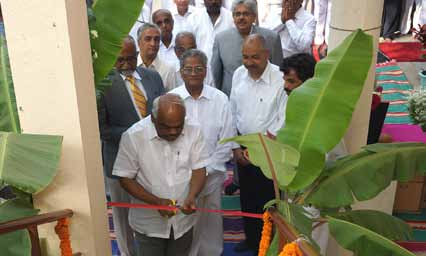
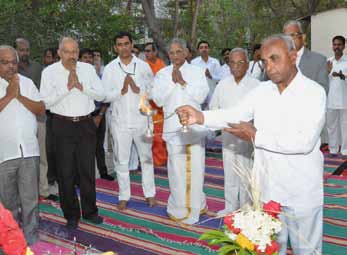
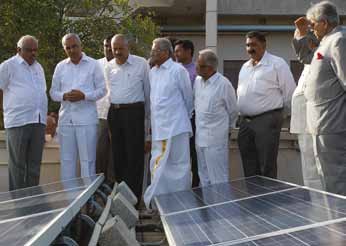
The Hon’ble Minister of Health & Family Welfare, Govt. of Karnataka, Sri K.R. Ramesh Kumar, commissioned the plant on the occasion of the 16th Anniversary of the Institute. The Trustees of SSSCT, Dr. Sundaresh, Director, SSSIHMS-Whitefield & Dr. Upendra Acharya, MS, SSSGH-WFD and officials from Kotak Urja Pvt. Ltd., who supplied and installed the plant were also present.
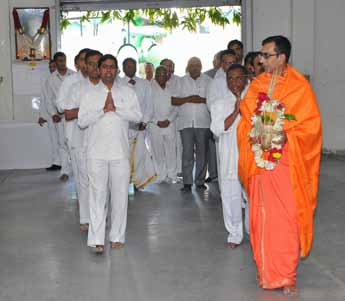
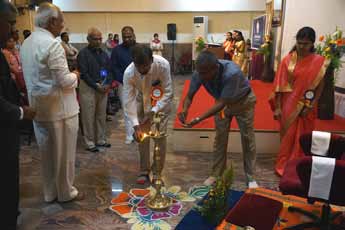
The plant has been christened as “Sri Sathya Sai Aarunya”. Shri P. Ravi Kumar, I.A.S, Addl. Chief Secretary, Dept. of Energy, turned on the switch to turn on a traditional lamp in the dome area, lit by LEDs, and powered by solar power to symbolically commission the plant. He also appreciated the initiative of the Trust to reduce the green-house gas emission, and of going green by inaugurating the 100 kW solar plant on the occasion of the Institute’s 16th Anniversary.
This step makes SSSIHMS, Whitefield a completely free super-specialty hospital, the first free hospital
in Bangalore, and perhaps the whole of Karnataka, to set up a pilot solar PV plant of
this size.
The participants inspected the facility and Dr. B. Raghavendra Prasad, Professor, Indian Institute of Astrophysics and a Consultant to the Trust for this project briefed them on the salient features of the plant.
This is the first initiative by the Sri Sathya Sai Central Trust and represents their keenness in furthering the cause of green energy, and reducing one’s carbon foot-print. Basing on the experience with this plant, it is proposed to scale up the capacity of the plant at SSSIHMS-Whitefield and set up similar units in other institutions of the Trust.
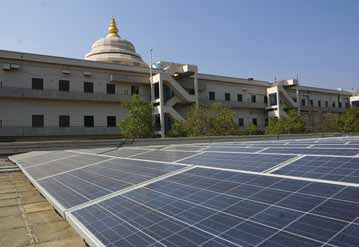
The 100 kWp plant is made up of 400 nos. multi-crystalline solar photo-voltaic panels, each of 250 W capacity. The panels are inter-connected together in strings of 20 panels each. Each of the strings is connected to one inverter of 20 kW capacity. The output of the plant is connected to the hospital supply, through a bi-directional meter. The output can be monitored remotely through the Internet.
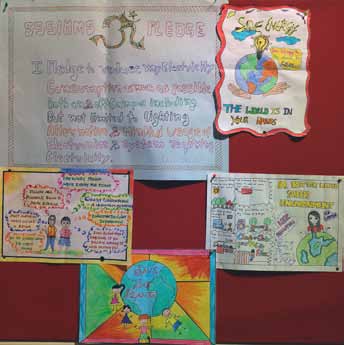
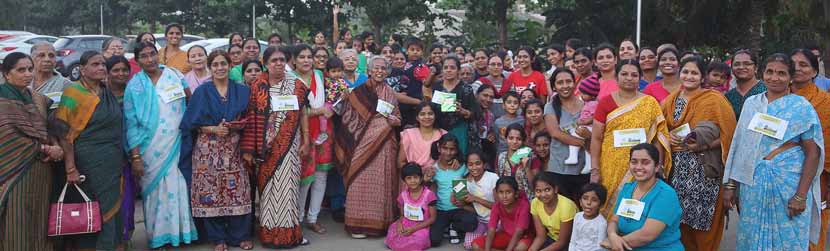
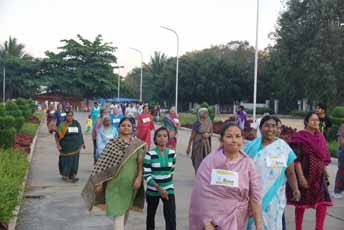
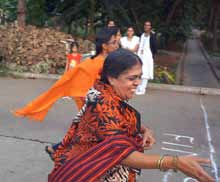
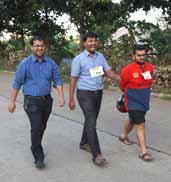
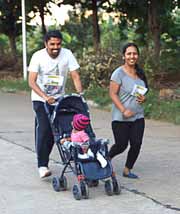
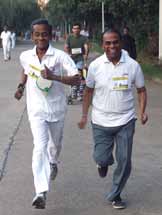
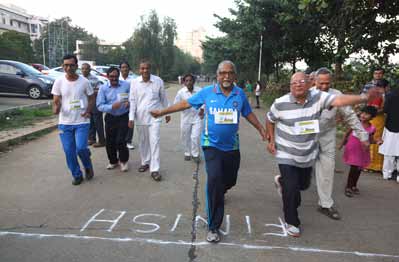
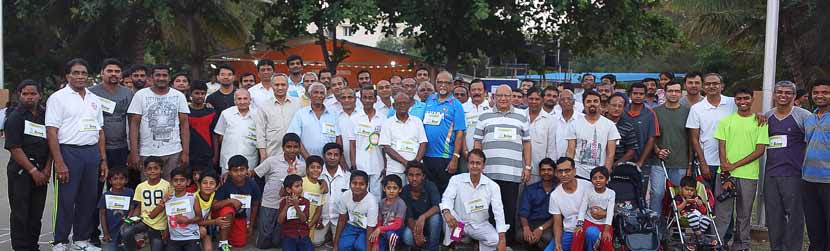
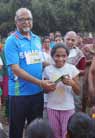
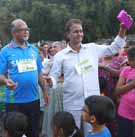
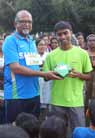
Along with the above, as a means to create awareness amongst staff and their families regarding the usage of power, an Energy Conservation drive was initiated at SSSIHMS. This was kick-started on 23-Dec-2016, when the Director led more than 200 staff and family members, including children in taking a pledge to reduce energy wastage and minimize use of electricity. Doctors, nurses, technicians, and support staff all joined hands and ran / walked 3 km around the hospital to create awareness about energy conservation.
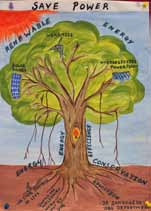
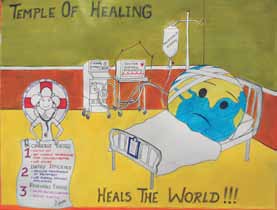
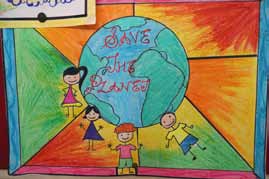
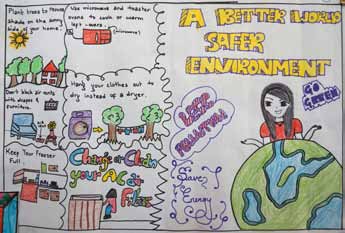
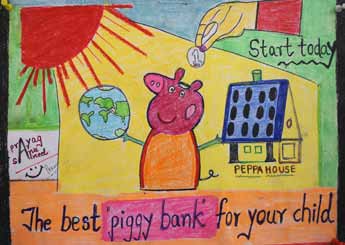
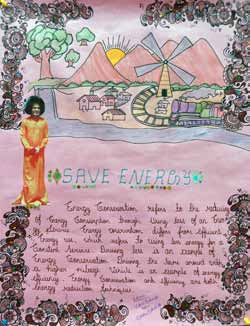
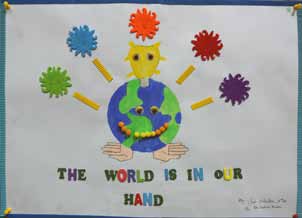
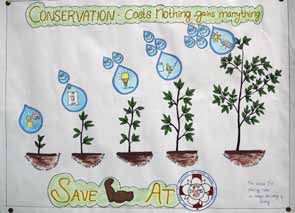
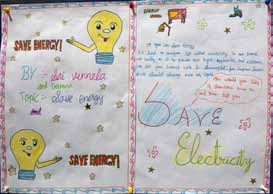
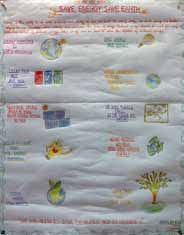
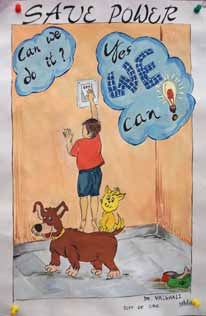
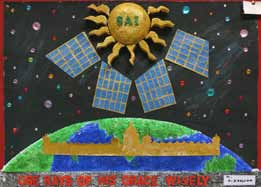
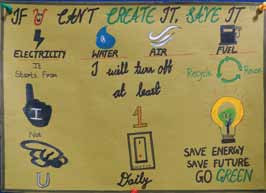
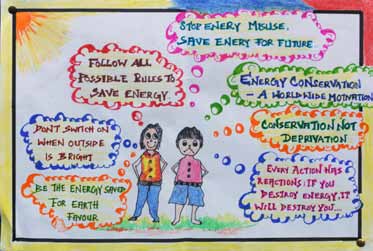
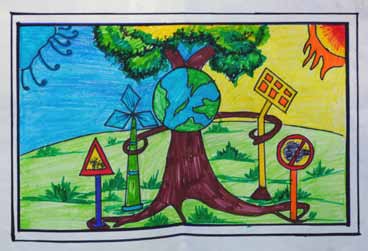
Separately, a poster competition was also held, and it was gratifying to see the creative talents of staff and their family members showcased in the dome area of the Hospital. The first prize for the poster competition for adults was bagged by Ms. Sai Janani and the second prize was shared by Dr. Sanyogita and V. Sathya Sai Priyanka. The first prize for the poster competition for children was bagged by Shashank Selvakumar and the second prize won by team of Yasmitha, Sai Amritha and Sowshelya. The prize for creating the logo for the solar power plant was shared by Dr. Prayaag Kini and Dr. Yatindra Ashtaputre.
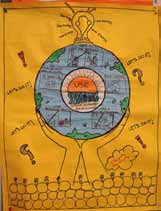
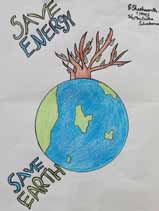
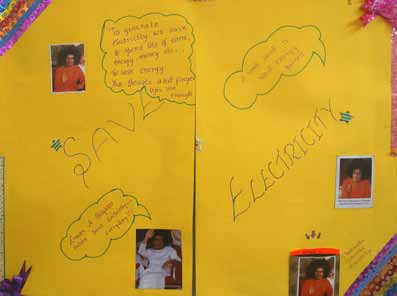
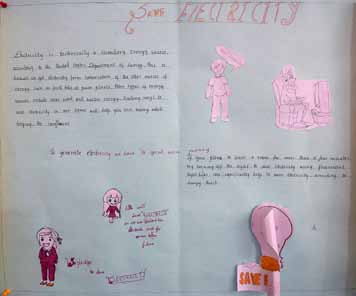
Prize winning posters
Energy Saving Journey So Far…
To provide the highest standards of quality of care to the patients, there is a significantly high consumption of energy in any hospital, but Institute has been looking at avenues to optimize energy usage, without compromising on the quality of care. During the last year, thanks to the generosity of InstaPower Ltd., the Institute has changed over to 25 watt LED street-lights from 150 watt sodium vapour lights, reducing the power consumption by five times. LED tube-lights have been installed in 24x7 use locations, and more such replacements are being planned in a phased manner. Also, modifications have been made in the air-conditioning system to re-circulate cooled and filtered air in the ICUs and a few OTs, to reduce power consumption. Apart from these, studies are being done to look into the use of variable frequency drives to optimize the power consumption in the air-handling units.
Power Consumption at SSSIHMS
SSSIHMS, Bangalore has an annual power requirement of 36 lakh units of power. Since the inception of the Hospital in 2001, the Karnataka Government has been allocating Rs.2 crore power subsidy per annum towards energy consumed at the Hospital and BESCOM generates bills every month, based on the present applicable tariff.
While the overall energy consumption pattern of SSSIHMS over the years has remained constant, the power tariff has been increasing over the years, causing the energy bill to increase. Since 2011, the total of energy bills for the year exceeded the subsidy limit of Rs.2 crore. In 2016, the Institute has paid Rs.43 lakhs towards excess over the subsidy limit.
Efforts have been made to look at reducing energy consumption through avenues shown through energy audits and also through alternate means of generating energy. Where practical, the recommendations of previous energy audits have been implemented, bringing down the consumption. On the energy supply front, amongst alternate means of generating energy, solar photo-voltaic (PV) systems stand out as a prominent choice, as they are clean sources of power, and sun-light is available in abundance and they have a long life of 25 years and beyond.
Dr. Prasad explaining the salient features of the plant to the dignitaries
Economics of Solar Power Plants
Dr. B. Raghavendra Prasad, Professor at the Indian Institute of Astrophysics, an alumnus of Sri Sathya Sai Institute of Higher Learning, and a person with significant experience in the area of solar PV power generation, conducted a feasibility study before the Trust invested in this project.
He proposed that, SSSIHMS-WFD could set up a 100 KWp (kilo-watt peak) roof-top solar power plant as a pilot project, which would generate up to 1.5 lakh units of energy per annum (5% of the hospital’s per annum requirement, and 30% of the subsidy shortfall). Considering the present rate of Rs.6.5 per kWH, and cost of Rs. 58 lakhs towards a 100 kWp power plant, the pay-back period for the investment would be 7 years on cost-to-cost basis & 9 years as per net-present-value (NPV).
To promote investment in this clean technology, there is a 15% subsidy on the value of the project, being offered by MNRE (Ministry of New & Renewable Energy).
There is adequate roof area available at SSSIHMS-WFD & ancillary buildings, almost to an extent of 1.5 lakh SFT (14,300 sq.m). Considering the nearness to the electrical infrastructure, it was decided to install the solar PV system on the service block of the Hospital, with a terrace area of 15,000 sft, adequate to set up the 100 kWp solar PV power plant.
It was decided to go in for a grid-connected system under a net-metering scheme, wherein, we could technically sell excess power to BESCOM. Also, we would be registered with BESCOM, as an institutional generator of solar power. No power storage solution (batteries) was considered, as it is expected the power generated from the plant would be utilized immediately upon generation. Batteries would also mean higher initial costs and also replacement costs every 4-5 years.
Solar PV systems are known to be rugged, with no moving parts and requiring little maintenance. The sub-systems like the inverters are designed for long-life of 15 years and beyond. The only maintenance needed to improve power generation is to carry out periodic cleaning of the panels.
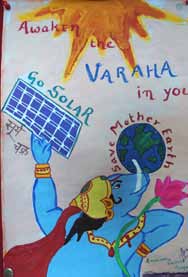
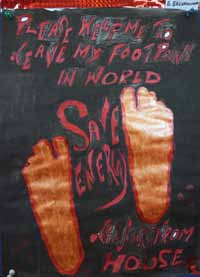
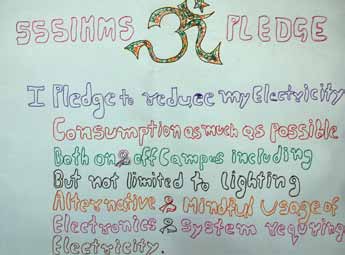
The pledge taken by hospital staff and posters created by staff and their families The pledge taken by hospital staff and posters created by
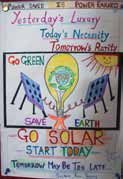
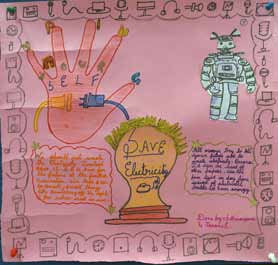
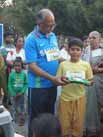
staff and their families Prize winners of the 3k Save Energy Run











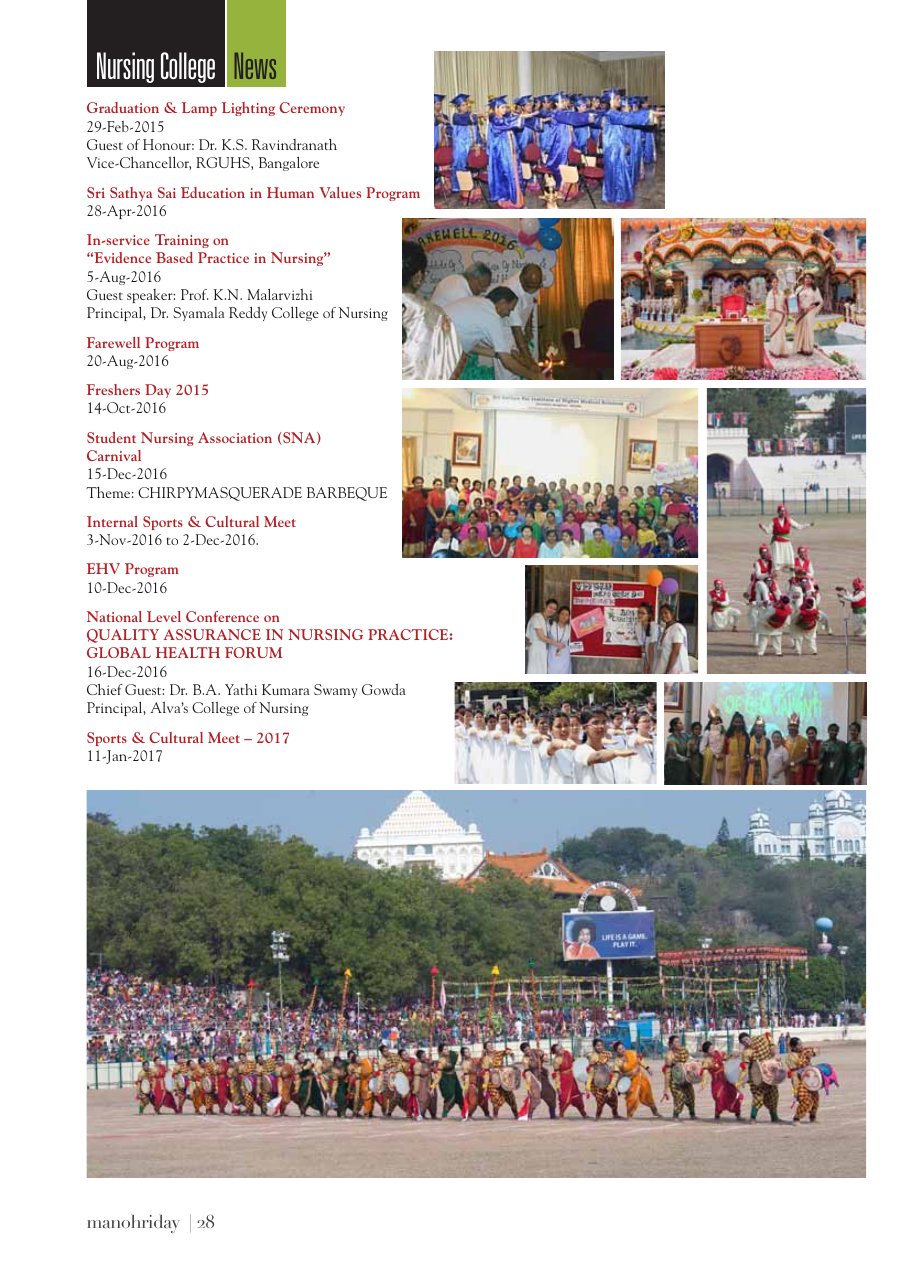
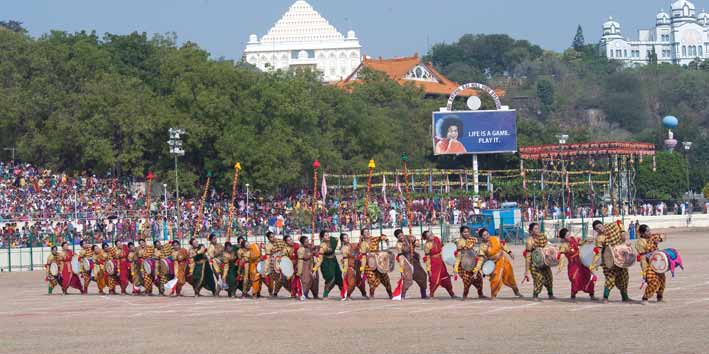
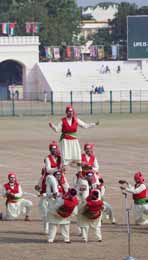
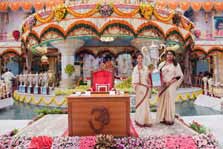
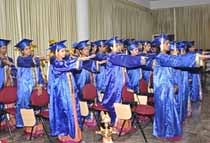
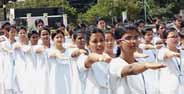
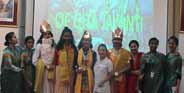
Sri Sathya Sai Education in Human Values Program
28-Apr-2016
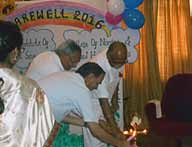
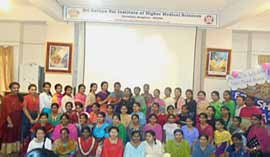
Principal, Dr. Syamala Reddy College of Nursing Chief Guest: Dr. B.A. Yathi Kumara Swamy Gowda Principal, Alva’s College of Nursing
Manohriday · page 29
Nursing Initiatives
Noora Health Teams up with SSSIHMS to Turn Nurses into Patient Educators
In October, 2015, Noora Health (www.noorahealth.org), a not-for-profit organization, based in the US, whose mission is to train patients and their families with high-impact health skills to improve outcomes and save lives has conducted the Care Companion Health Educator Program for 13 pre- and post-op nurses in the cardiology and cardiac surgery wards at SSSIHMS, Whitefield.
Through this program, the nurses are trained to educate the care-givers through audio-visual aids on various topics like personal hygiene, diet and nutrition, pain management, wound care, safe and effective use of medication, exercise, spirometry, checking the pulse and other useful information. This training has proven to be very useful in reducing morbidity in patients, once they leave the safe environment of the Hospital and resume their regular work-life. Noora Health regularly follows up with the educators and provides ongoing training and also receives feedback to improve the audio-visual aids. Basic monitoring and evaluation tools are used to collect data about the education programs, to ensure the program efficacy.
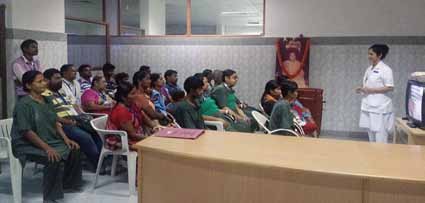
So far, the Noora Health trained educators have trained 2,300 cardiac patients and their caregivers from 1,284 families (averaging 190 people per month). With the shifting of the Sri Sathya Sai General Hospital, Whitefield to SSSIHMS campus, Noora Health is now set to expand its Health Educator program in Maternal and Childhealth division to the Hospital.
Sister Vasanthi, the Nursing In-charge, mentioned that this program was very useful and it is a “win-win” for the patient families and nurses. While the program equips caregivers with crucial information and skills, it provides the nurses training in effective communication and helps develop their self-confidence.
Dr. Tanmay, representing Noora Health mentioned that this program was inspired by the selfless service being offered by SSSIHMS to the society. He mentioned that the enthusiasm with which the in-charges of the nursing dept., Sister Vasanthi and the pre- and post-op wards Sisters Premalatha and Mary Kutty Mathew was a key element in it being a success at SSSIHMS-Whitefield. He mentioned they are looking forward to further engagement with SSSIHMS in launching the Maternal and Childhealth program at the Institute.
Nurses Participate in a Neuro-science Critical Care Nursing Certificate Program
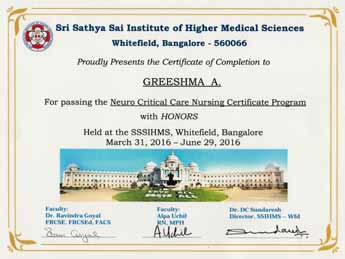
As can be imagined, the role of a nurse is multi-faceted and it is vital for successful patient outcomes that they are always abreast with the latest in their field and constantly hone their clinical skills. The Neuroscience Critical Care Nursing Certificate Program provided this opportunity for 10 of the nursing staff, working in the ICUs and the Emergency Dept.
The 16-week program was conducted over Skype by Dr. Ravindra Goyal, a retired Neurosurgeon from USA and Ms. Alpa Uchil, Registered Nurse, USA. Both have been ardent devotees of Bhagawan, and have been associated with the continuous nursing education programs at SSSIHMS for many years.
This particular program was tailor-made for addressing neurological disorders and exposed the nurses to the latest trends and techniques in hemorrhagic / ischemic stroke nursing management, neuropathy, seizures, care of brain tumour patients and so on.
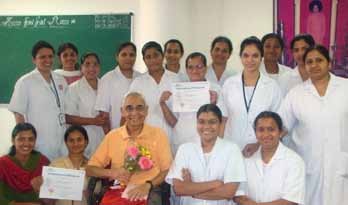
After the program, the nurses underwent both written and oral tests to assess their skills in the areas of training. All the nurses cleared the passed out with flying colours. The certificates were handed over by Shri Bhagawat, Trustee, Sri Sathya Sai Central Trust on the occasion of the 16th Anniversary of SSSIHMS, in the presence of Ms. Alpa Uchil.
Manohriday · page 30
Outreach Initiatives Sai Rehabilitation Program Gains New Ground
The Sai Rehabilitation Program (SRP) is a unique out-reach program of the Hospital, which aims to connect post-operative Cardiac patients, to a local guardian doctor, whom he or she can consult on a regular basis. The guardian doctors would not charge patients any consultation fees. Where possible, the diagnostic tests are also provided free or at nominal charges.
The program, started in the year 2011, is currently active in 3 states viz. Karnataka, Andhra Pradesh and Kerala.
On 13-Apr-2016, the Sri Sathya Sai Seva Organisation (SSSO), Tamil Nadu formally introduced this program in the State. On this occasion, an orientation program was organized in Prasanthi Nilayam for all the office bearers of the various districts of the State.
During the program, the TN SSSO State President, Sri G. Varadhan, the Kerala State SRP Coordinator, Dr. Anand Mohan and the SSSIHMS SRP Coordinator, Sri Shravan Kumar spoke to the participants about the benefits of the program, and the methodology of implementation and followup.
Soon after, Sri S. Jayaraj had been appointed as the State SRP coordinator and District SRP coordinators have been appointed for all the districts in the State.
Another orientation program was conducted in Chennai on 18-19 June, 2016 to take it forward. Thanks to the self-less efforts of all the participants of the program, get-togethers of patients, titled ‘Hridaya Sangamam’, had been organized in most of the districts. During this program, a medical camp is conducted where diagnostic tests are carried out and consultations with doctors arranged. This program also is a forum for patients to share their experience of receiving high-quality, tertiary healthcare totally free of cost.
This program is deeply gratifying as there is perhaps no other health-care system in the world, which not only provides high-quality tertiary care completely free and in an atmosphere of love and compassion, but also takes it to the next level, by reaching out to the patients, even after they are discharged from the Hospital.
Following are a few testimonials shared by the patients during the Hridaya Sangamams:
When I entered into the hospital for the first time, I was in fear on seeing a huge hospital, people with unknown language…now, it is the place where I had a rebirth after I underwent a surgery in the hospital…the doctors handled me with motherly care and affection…the treatment, kindness and care offered by the staff of Sathya Sai Higher Medical Sciences is incomparable and can be found nowhere in the world… …it is my habit that whenever I see the Gopuram of Goddess Meenakshi Temple, in my hometown, I hold my hands over the head to thank her for giving me the priceless life. Hereafter, I will hold my hands over the head whenever I see Sathya Sai Higher Medical Sciences building, as a token of gratitude for giving me the rebirth.
V. Munnodi Raj (Madurai)
…I was hopeless, before I know about Baba’s hospitals in Puttaparthi and Bangalore…with Baba’s blessings, I could avail treatment at the Whitefield hospital…I received the world’s best medical care in a hygienic atmosphere… at each & every stage of pre and post hospitalization, well-defined and systematic procedures are followed… volunteers, doctors and other staffs are all dedicated & follow Baba’s principles…it’s wonderful to see such a hospital offering totally free treatment…
Geethanjali B. (Coimbatore)
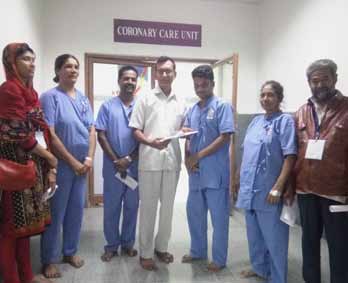
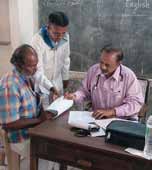
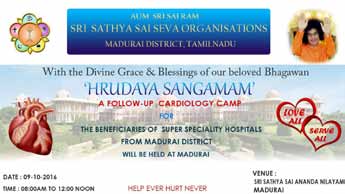
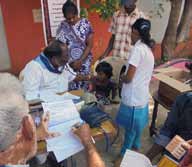
Sai Students · page 31
Connecting To Him Through His Work Sai Bandhan expands to SSSIHMS-PG
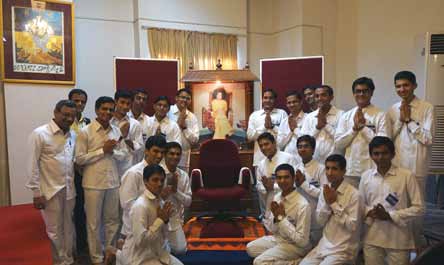
Sai Bandhan-A bond of Love, is a unique outreach program taken up by the undergraduate students of the Brindavan campus of Sri Sathya Sai Institute of Higher Learning. As part of this program students volunteer to visit patients treated at SSSIHMS, Whitefield and living in the students’ hometown or district or State.
The program commenced in 2015 and in 2016, the program expanded to include the patients treated at SSSIHMS, Prasanthigram as well.
This year, 80 students volunteered to visit 200-odd patients across fifteen states and a union territory. The patients visited belonged to different sections of society and they were of diverse caste, creed, religion, age groups and economic status.
After their visit, a team of 18 students made a presentation to the hospital staff both at SSSIHMS-Whitefield and Prasanthigram, which was very well received. It was a memorable experience both for the patients and the students alike. For the students, it showed what Swami has accomplished through His healthcare institutions, and the patients, it demonstrated that Swami was concerned about their continued well-being, even after being discharged from the hospital.
Manohriday · page 31
SSSIHL MCA students develop EchoSai software for use in the Cardiology Dept.
The SSSIHMS Hospital Seva, which started in 2015 continues to be a regular feature . The working alumni of SSSIHL make time out of their schedules to devote 6 hours of their time to come serve at SSSIHMS. The nature of the job does not seem to matter to them. Be it cleaning air-conditioning filters or dusting books or reorganizing a Store, they do whatever work is allotted to them.
Over the last 12 months, counting an average of 10 volunteers for every SSSIHMS Seva, the alumni have contributed over 700 man-hours towards this Seva.
Apart from the Hospital Seva, the alumni are also venturing into blood donation drives, to meet the critical requirement of blood for various surgeries. In the last one year they have organized two blood donation drives and one more is on the anvil. They are reaching out to corporate houses and colleges to create awareness about the work being carried out by SSSIHMS and encouraging them to donate blood.
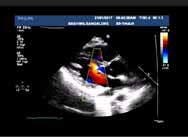
In yet another unique collaboration of the Sri Sathya Sai Institute of Higher Medical Sciences and Sri Sathya Sai Institute of Higher Learning, the students of the Masters in Computer Application (MCA) course have developed the Echo Sai software for capturing echocardiograms and recording them for review by the cardiologists.
SSSIHMS had been previously using a software, EchoView, donated by MatrixView solutions. As this was working on Windows XP platform and could not be used on any other OS, there was no continued support available for this software.
When the need was explained to the MCA students, they readily volunteered to take up this project. It seemed fortuitous that N. Ramprasad, Sr. Analyst, Bank of America, an M. Tech (Computer Science) alumnus of SSSIHL, who had experience with EchoView, came on board and offered to guide the students during this project. It was not an easy-to-accomplish project, and the students found many challenges during the development process. However, through with dedication, perseverance and guidance from Ramprasad, the students successfully completed the development and rolled out the software, to the satisfaction of the cardiologists.
The project took six months to be executed and it has now been in use in the Cardiology Dept. for last eight months.
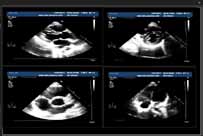
SAI Counselling · page 32
Annual Report
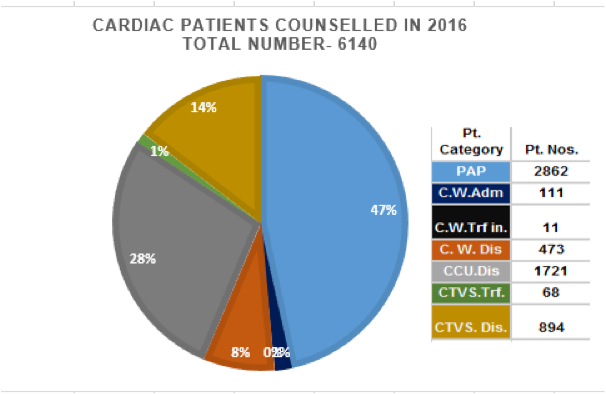
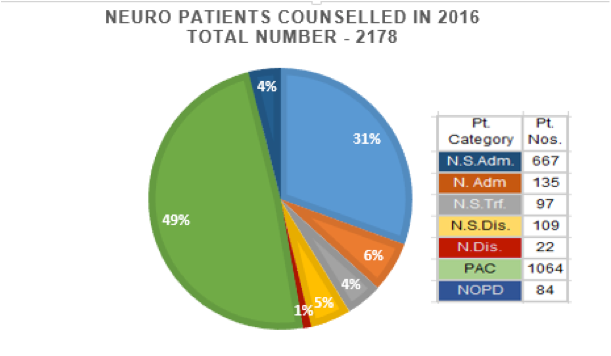
manohriday | 28
The Department of Counselling at SSSIHMS, Whitefield, started in the year 2001 with the Blessings and Divine Grace of Bhagwan Sri Sathya Sai Baba, continues its tradition of providing this unique service of SAI Counselling through a dedicated team of twenty-seven volunteers.
The year 2016 has witnessed several significant happenings:
- Streamlining of the daily counselling activities.
- Creation of functional groups to address specific tasks.
- Training in counselling for new counsellors/nursing students.
- Enrolment by several counsellors for on-line study programs.
- Participation of experts in related fields in the monthly meetings.
The Counselling Department continues its association with the Nursing College by providing both didactic (AWR800 EHV course) as well as clinical training in Counselling for the eighth semester Nursing students.
The Counselling Department has undertaken an ambitious project to upload more material content on the Hospital website to highlight not only more of its activities but also the very many teachings of Bhagwan Sri Sathya Sai Baba on the body-mind-spirit connection in healthcare.
During this past year, 2016, the Counselling Department counselled a total of 8323 patients comprising of 6,140 Cardiac, 2,178 Neuro and 5 Others. The Others category included one Ortho patient referral from GH and two Cardiac OPD referrals.
Cardiac Patients Counselled in 2016 Total Number - 6,140
Neuro Patients Counselled in 2016 Total Number - 2,178
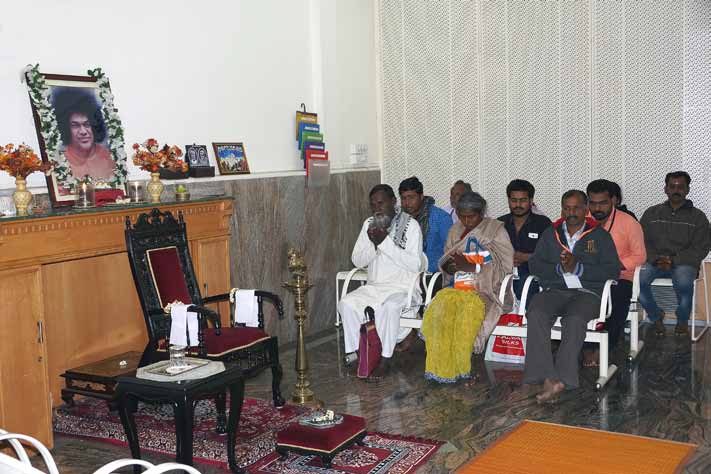
• PAP - Pre-admission protocol • PAC-Pre-anaesthesia clearance/check-up • CCU-Critical Cardiac Care Unit • CTVS-Cardio Thoracic Vascular Surgery • CW-Cardiac Ward
• NS-Neurosurgery • N-Neurology • Adm.-Admission • Trf.-Transfer in • Dis.-Discharges
Patients praying in the healing space of the Counselling department
Perspective · page 33
Medicine with mindfulness
Here are excerpts from a blog written by Sunil Shenoy, an MBA graduate from INSEAD, France, who was treated at SSSIHMS-Whitefield.
“...the hospital is like no healthcare facility I had ever been to. The placid, contemplative atmosphere pervading the place is akin to that of a temple. Patients are greeted not by harried and underpaid reception staff but by volunteers who come to the hospital in the spirit of “seva”, or selfless service, one of the central values extolled by Sri Sathya Sai Baba. Here, medicine is practiced as pure healing with no profit motive. Patients pay nothing for the world-class services received – including procedures that would easily cost tens of thousands of dollars at a hospital in the United States – regardless of their nationality, religious affiliation or financial circumstances.”
“...readers will want to know how an organisation can dispense tertiary care at no cost to the patient for 15 years without committing financial suicide. Crucially, the land for the super-speciality hospital for Bangalore was donated by the state government. Beyond that, however, the public-sector contribution is minimal. The Bangalore facility draws its operating budget from the interest income generated from the Sathya Sai Central Trust’s corpus fund that, at its inception in 1990, comprised USD$55 million in unsolicited donations received from individuals and institutions across the world.”
“Underlying the hospitals’ guiding principle is Sathya Sai Baba’s dictum of “Love All, Serve All.” Baba taught that proper healthcare is a human right that professionals should deliver without concern for anything but the patient’s needs. All other factors – such as profit or passing trends in medical technology – have no place in a hospital.”
“You could call this mindfulness – full mental immersion in what really matters, with no room for distractions. Just as easily, you could relate it to Michael Porter’s call for the industry to move from a ‘supply-driven model organised around what physicians do [to a system] organised around what patients need.’”
“Sathya Sai Baba’s message helps attract leading physicians and surgeons from around the globe to spend part of their year working as volunteer consultants at the hospital. Some are followers of the guru; some are not. What they have in common, I think, is the recognition that in order to live extraordinary lives, we need extraordinary values. The volunteers – doctors and non-doctors alike – cherish the opportunity to work in an environment that allows for the disinterested pursuit of excellence and the realization of human-focused values.”
“Wherever such an opportunity exists, standout talents will seize it. That is the main reason why (though it may not be the sole paradigm needed for healthcare reform) the Sathya Sai Baba model could be replicated in other contexts, serving as part of the solution to our current crisis.”
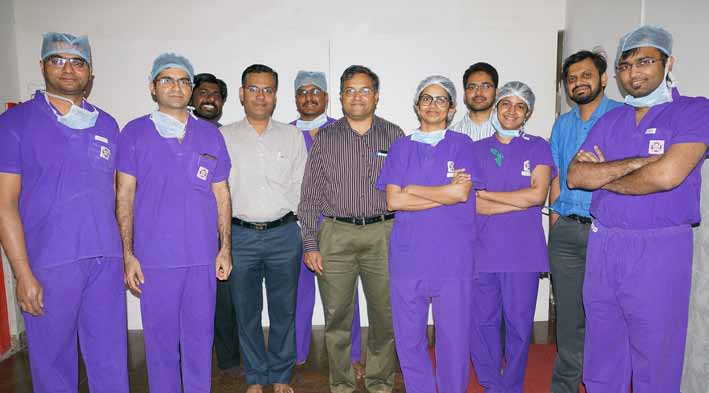
The Neurosurgery team that operated on Sunil Shenoy Read the full blog post at http://knowledge.insead.edu/blog/insead-blog/indias-free-specialty-hospitals-combine-medicine-with-mindfulness-5155
Manohriday · pages 34–35
Festivals & Campus Activities
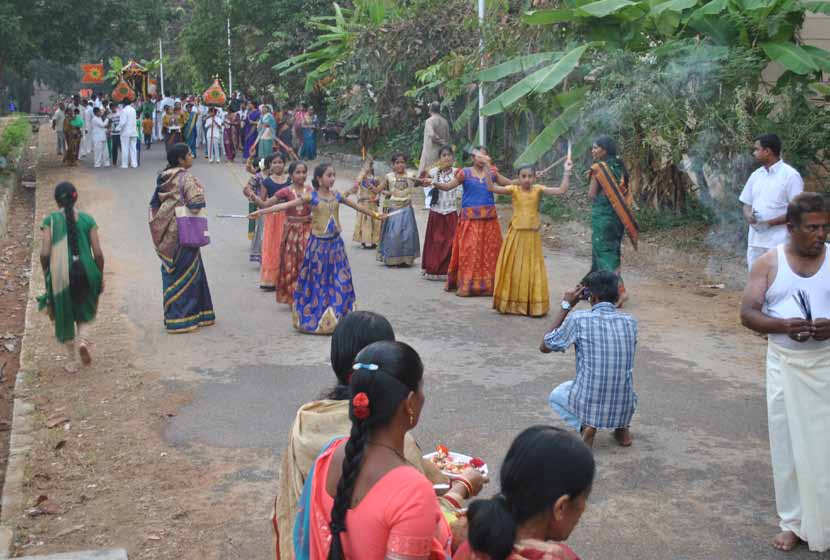
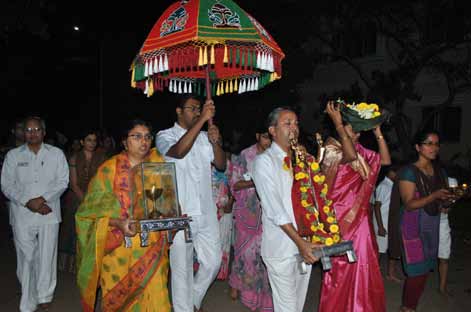
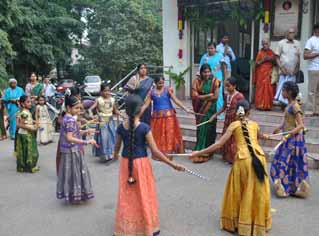
Glimpses from Pallaki Mahotsavam held during 90th Birthday Celebrations of Bhagawan Sri Sathya Sai Baba Glimpses from Balvikas Summer Camp
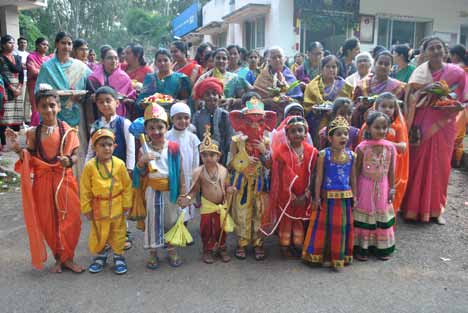
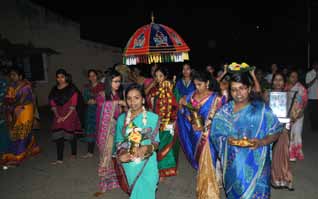
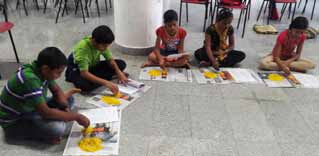
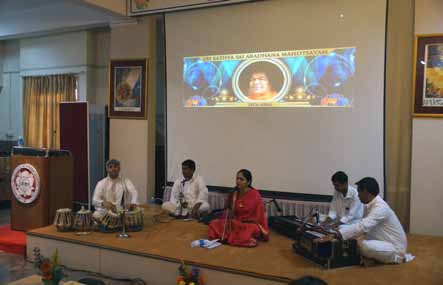
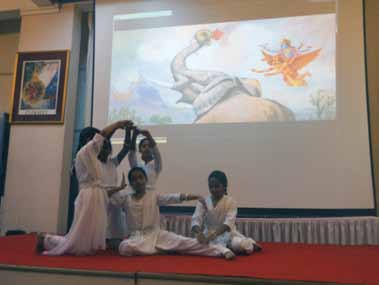
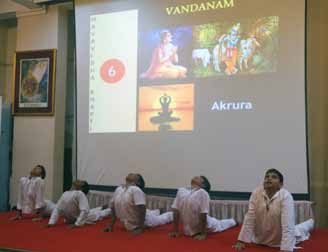
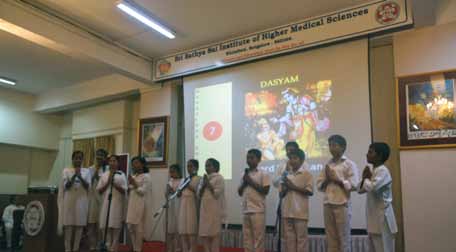
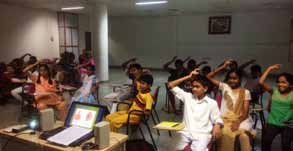
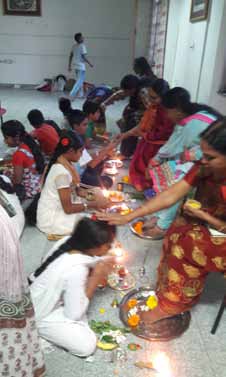
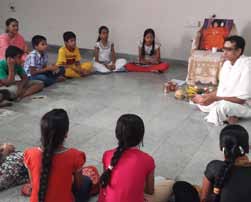
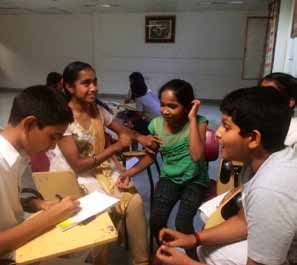
Covers · pages 1 and 36
Cover pictures
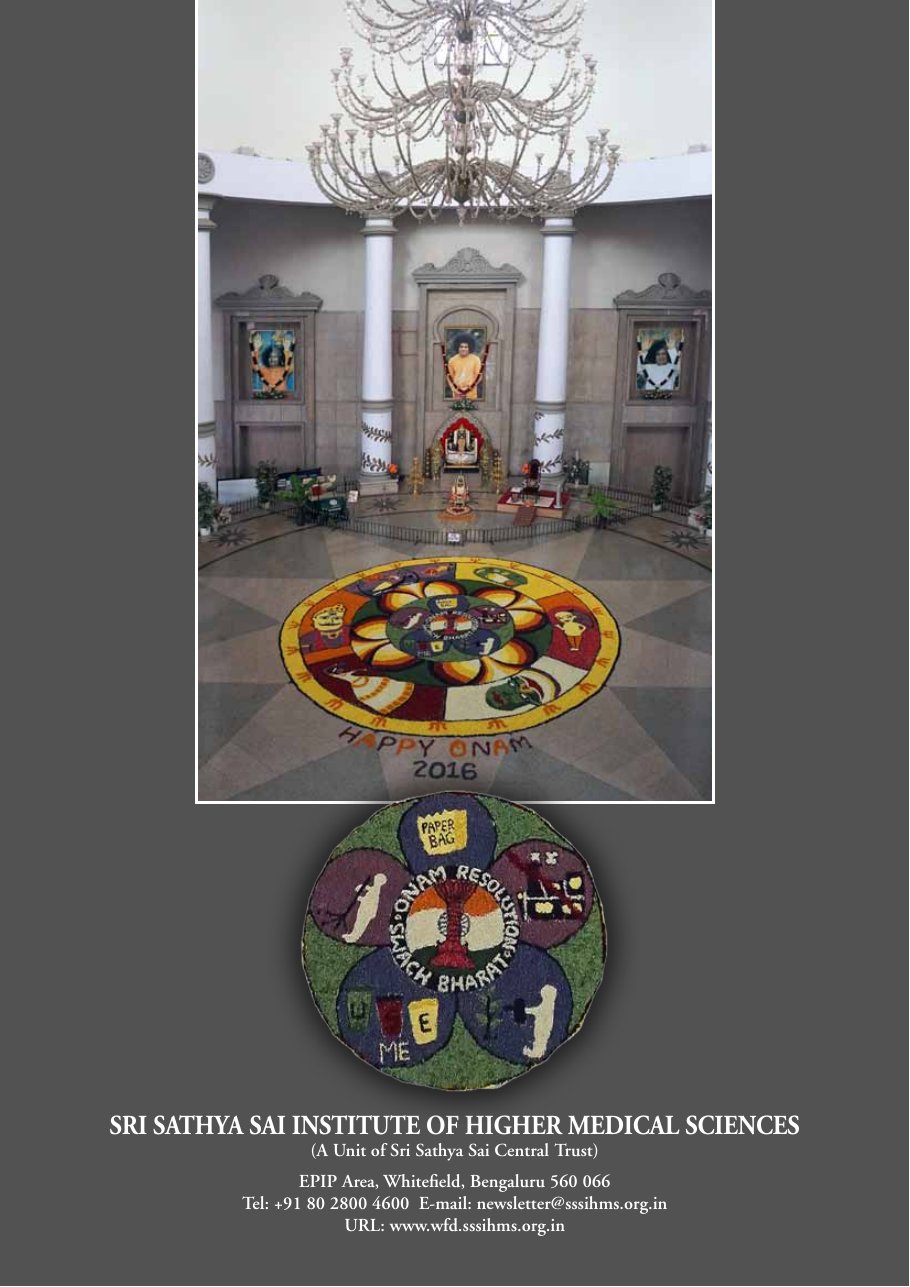
Pictures used on the covers and contents page