E-newsletter of the Counselling Department · Vol. II · July 2019 · Gurupurnima Special Edition
Anthar Dhwani
the e-newsletter of the Counselling Department, Sri Sathya Sai Institute of Higher Medical Sciences, Whitefield.
- Issue
- Vol. II · July 2019 · Gurupurnima Special Edition
- Published by
- Counselling Department, SSSIHMS, Whitefield
- In this issue
- 13 sections · 39 pictures
- Print edition
- 32 pages
← Previous: Vol. I · January 2019Next →: Vol. III · January 2020
Anthar Dhwani · pages 2–3
EDITORIAL
Bhagwan founded this unique healthcare institution, Sri Sathya Sai Institute of Higher Medical Sciences, Whitefield, a Temple of Healing, to address a societal felt need for integrative or holistic healthcare wherein the body, mind and spirit are treated as a whole to restore health and well-being. He ordained the setting up of the SAI Counselling Department to provide mental and spiritual solace to complement the modern medical care. For a service without precedent, He has lovingly planted and nurtured it over the years, brought it to a level of maturity, legitimacy and established it as “a scientific, robust and spiritual methodology of understanding and truly caring for the patient”.
In this Gurupurnima issue of AntharDhwani,Bhagwan has inspired us to start presenting in depth the scientific basis of SAI Counselling, of making aware to the medical fraternity the remarkable depth and clarity of Bhagwan’s teachings as applicable to modern psychotherapy. The articles presented here on Spirituality, Empathy and Clearing Space reflect the synergy existing between Bhagwan’s teachings and Western thinking in this space. A few samples of patients’ experiences of SAI Counselling are narrated to validate the efficacy of the counselling process. The Counselling Department has started offering a short term training course in SAI Counselling. Read the feedback from those who underwent this course.
We have made a small beginning through Bhagwan’s Grace and pray for His continued Grace and Blessings.
The Editorial Team.
Anthar Dhwani · pages 3–5
The Form of God is Love Anthar
(Swami’s Gurupurnima discourse, 02July2004)
“Embodiments of Love!
You cannot find anything more sacred than love in the world. Today, you will find worldly and physical love everywhere. But, it is very difficult to find love suffused with Atmic bliss. It is only the love towards God that has sustained and protected the people in this sacred land of Bharat since ancient times, just as the eye lid protects the eye. This divine love permeates the entire universe. Wherever you look for, it is present. Real love emerges from the depth of one's heart.
You are all the “Embodiments of love”. Your form is love. God's form is also love. There is nothing greater than love. The sweetness inherent in the word Prema is not to be found anywhere else in the world. The more you cultivate and practise it, the sweeter will be your personality. Therefore, cultivate love as the foremost quality in you. Love is not confined to any particular place or residence; it is universal. Therefore, cultivate such universal love. Such a universal love cannot be purchased with any amount of money. It can only be attained with a heart filled with intense love. Man has, therefore, to cultivate such pure and selfless love.
Embodiments of Love! Instead of making hollow claims of Bhakti, keep Prema as your goal to be attained. There is nothing greater than this Sadhana. There is nothing that can liberate you easily than pure and selfless love. There are four words Mukti (liberation), Bhakti (devotion), Rakti (attachment) and Anurakti (attachment or love towards God). But, love is the undercurrent in all these things. On this auspicious occasion of Guru Purnima, love is the most valuable gift I hand over to you. This is my most precious gift to you.”
On this very auspicious day of Gurupurnima we the SAI Counsellors at SSSIHMS, Whitefield, in all humility and reverence, offer at Your Lotus Feet our most heartfelt gratitude for providing us this unique opportunity of serving You through this Seva of Love for all the patients who enter the portals of this Temple of Healing seeking relief from their illness and solace for their suffering.
You are our Divine Guru, Who has taught us that “Manava Seva is Madhava Seva” and inspired us with Your saying “Hands that Serve are Holier than Lips that Pray”. You are our Mother Sai forever dispensing Your Love so abundantly and generously.
We love You Swami.
Om Sai Ram
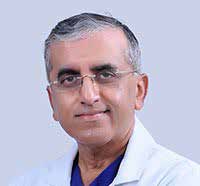
DIRECTOR’S PAGE FOR ANTHAR DHWANI
It has been very insightfully said, that the “secret of the care of the patient is in caring for the patient”.
What this truly implies, is that we recognize that every individual is more than just his or her physical form or body. There is also the mind and then the spirit which are subtle aspects that make up the whole individual.
Hence, as physicians we are bound to recognize that any disease or ailment might affect one or more of these entities and in fact may actually arise as a result of the disturbance of one or more of the very same aspects of the human constitution. Recent understanding has gone to the extent of revealing how a proper understanding of one’s own constitution and a proper attitude to life especially cultivating feelings of gratitude, love and service can actually enhance the health of our very DNA or the core of our genetic material that governs the entire functioning of the human body.
Summarising the secret of true health, Bhagawan said that it is “the cultivation of a mind free from anxiety, hurry, unnecessary thoughts and worry.”
However, when a patient comes to us for help for a physical ailment, we often fail to recognize and address this all important aspect of his or her condition, which is most essential to restore the person to true positive health. Only addressing the physical bodily aspect of the ailment, while obviously a vitally important part, cannot alone bring back complete healing and positive health.
It is towards this vital requirement that the unique counseling department of our hospital has developed, led and established a scientific, robust and spiritual methodology of understanding and truly caring for the patient. It is a way directed by Bhagawan that through love, understanding and compassion a person in distress has his or her hand held and helped to cross the difficult period of their lives without feeling all the distress and anxiety, thus proving that “the secret of the care of the patient is in caring for the patient.”
.................................................................................................................................................................................................
Bidding farewell to Dr.D.C.Sundaresh (outgoing Director) and welcoming Dr.Shekar Rao (incoming Director) of Sri Sathya Sai Institute of Higher Medical Sciences, Whitefield, Bangalore
The Department of Counselling and the entire team of SAI Counsellors wish to place on record their most sincere and heartfelt thanks to Dr.Sundaresh for his spontaneous unstinted support, guidance and encouragement to the SAI Counsellors and the work done in the Counselling Department. He facilitated the launching of AntharDhwani in January 2019 with the strong conviction that there exists a need for spreading greater awareness of the importance of holistic healthcare as propounded by Swami. Thank you Dr.Sundaresh.
It is now our turn to extend a warm welcome to Dr.Shekar Rao, our new Director, who is also no stranger to the Sai Healthcare mission having been part of it since 1994. A cardiac surgeon par excellence with impeccable credentials, he has had the rare privilege of being groomed by Swami during his tenure at SSSIHMS, Prasanthigram, thereby imbibing the quintessence of Sai Healthcare, which are permanently etched within him.
He truly believes in this institution being a Temple of Healing, a provider of holistic care, and does not see any dichotomy between medical technology and the feeling of well-being. We welcome you Dr.Shekar Rao and look forward to your guidance in the days to come.
Dr.Shekar Rao
Anthar Dhwani · page 5
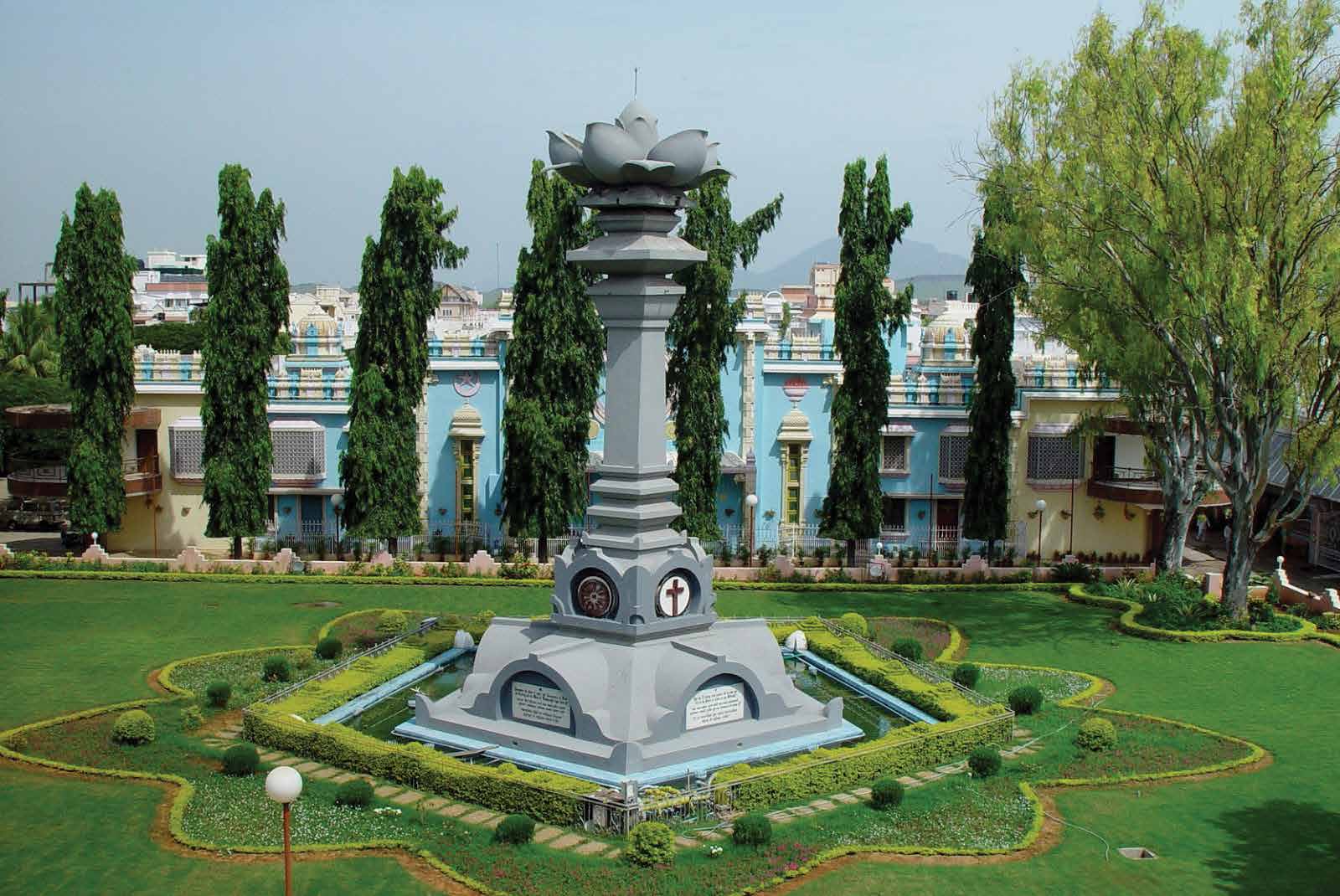
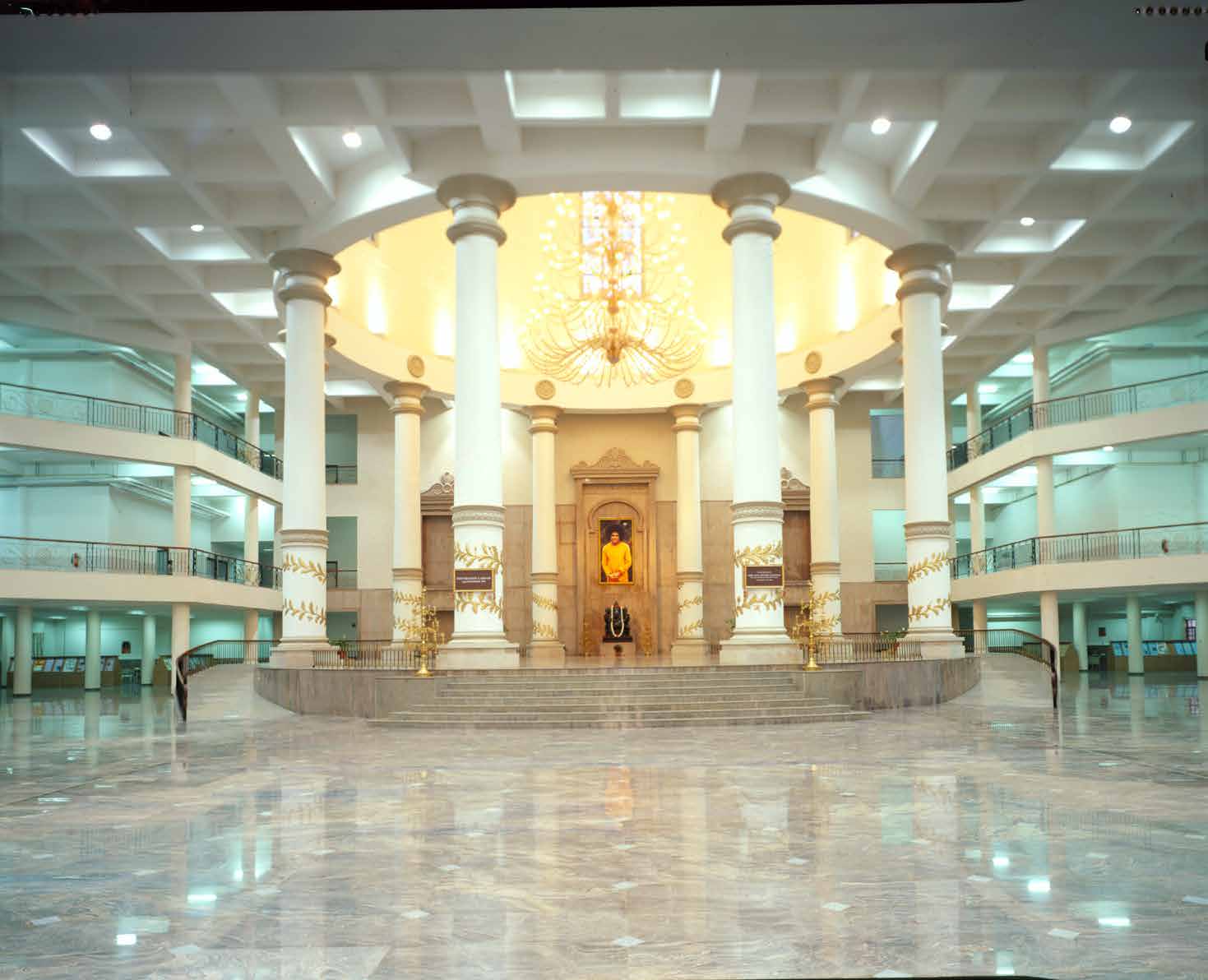
The foyer of the“TEMPLE OF HEALING
”
SSSIHMS, Whitefield
One often wonders about the purpose of the ethereal space created in the foyer of this magnificent edifice. What is its relevance in today’s world of modern medicine? Deeper introspection reveals that besides arousing the feelings when stepping into a sacred place of worship, a spiritual haven, it creates an ideal environment to nurture Hope -Hope that stems from faith in Your God.
“Every patient comes to a doctor primarily looking for one thing and that is Hope. Hope is really central in the experience of illness and in the path to Healing. Hope is not optimism. Hope is clear eyed. It sees all the reality that you face, all the obstacles, all the problems plus all the potential for failure. But through that it sees as well a possible path to a better future - it’s not guaranteed but it is possible. Healing means you are made whole again. You emerge from the experience of illness being restored as a person”. – Dr.Jerome Groopman M.D., Harvard Medical School.
Anthar Dhwani · pages 6–10
SPIRITUALITY AWARENESS INTEGRATION IN COUNSELLING
at SSSIHMS, Whitefield, a tertiary care hospital
The essence of SAI Counselling also known as Counselling the SAI Way, is fostering the innate spirituality in the patients to help heal, which transcends curing. Modern medicine has begun to realise that along with technological advances an additional spiritual dimension is needed in patient care to make the transition from merely curing to total healing. Healing requires addressing the body, mind and spirit. Endorsing this thought, Swami had once told a group of doctors that “The physical cure medicine does is at body level, but we are not one, we are three– body, mind and spirit. If care has to transit to healing, it has to touch at all three levels to be holistic.” The ground breaking research done by Dr. Herbert Benson, Dr.Dean Ornish, Dr.Christina Puchalski and several others, and also as documented in various ancient scriptures, have clearly established the body, mind and spirit relationship for positive health outcomes.
There is a felt need for a clear communicable understanding of the meaning of Spirituality as relevant to healthcare and as applicable in all cultures, geographies and irrespective of caste, creed or socio-economic status.
What is Spirituality?
Is it basic to human nature? Does it influence human behaviour? How does it relate to religion? Can it influence health to promote healing and well-being?
A Western perspective
Modern medicine with a global spread including India is rooted in the Western world, which has ushered in an era of technology based medicine benefitting humanity immensely. In the last two to three decades the West has also made steady progress in holistic care looking beyond bodily cure to alleviate suffering and venturing into the realm of body-mind-spirit connect. A noteworthy feature of the West has been its propensity to share its knowledge through robust documentation and creating platforms for sharing and dissemination, whereby the rest of the world now looks to the West for information and guidance in all aspects of medicine. This preamble justifies the need to look at how the Western medical world views spirituality.
In 2013 a landmark international consensus decision was made spelling out a definition of spirituality as reported in the paper “Improving the Spiritual Dimension of Whole Person Care: Reaching National and International Consesus”, authors Dr. Christina M. Puchalski, MD, MS, FACP, et al, published in the Journal of Palliative Medicine dated June1, 2014. Relevant extracts from this paper are as follows.
“The 2013 International Conference on Improving the Spiritual Dimension of Whole Person Care: The Transformational Role of Compassion, Love, and Forgiveness in Health Care
International Consensus Definition of Spirituality
GWish (George Washington University, USA) and Caritas Internationalis collaborated with the Fetzer Institute (USA) to convene a meeting January 13–16, 2013, in Geneva, Switzerland, the International Consensus Conference on Improving the Spiritual Dimension of Whole Person Care: The Transformational Role of Compassion, Love, and Forgiveness in Health Care. Invitees included a representative sample of 41 international leaders, including nurses, physicians, psychologists, social workers, theologians, spiritual care professionals, donors, researchers, and policy makers. (It included two representatives from India, Dr. Suresh Kumar, MD, Director, Institute of Palliative Medicine, Medical College, Calicut, Kerala, India and Dr.Srinagesh Simha, MD, President, Indian Association of Palliative Care, Karunashraya Bangalore Hospice Trust, Bangalore, India, who incidentally was a speaker at the International Conference on Spirituality in Healthcare organised by the Department of Counselling, SSSIHMS, Whitefield in 2009.)
Conference participants were charged with identifying a multi-culturally appropriate definition of spirituality within a health care context. Specific outcomes of the international conference were development of an international consensus definition of spirituality in health care. Participants were invited to add any language or conceptual definitions related to their beliefs, country, or culture that should be given special consideration. Working sessions included an overview of current literature and approaches to the relationship between spirituality and health, discussions about multi-culturally appropriate language related to spirituality, personal and patient experiences of spirituality, and WHO's definition of health and its relationship to spirituality. After a robust and dynamic discussion with several rounds of voting, agreement was reached on the following definition of spirituality:”
“Spirituality is a dynamic and intrinsic aspect of humanity through which persons seek ultimate meaning, purpose, and transcendence, and experience relationship to self, family, others, community, society, nature, and the significant or sacred. Spirituality is expressed through beliefs, values, traditions, and practices.”
The delegates were predominantly from the Western world, more than 85%, which definitely gives it a Western flavour, the inputs from other cultures and geographies being limited. Nevertheless, it is an excellent rendering of the various dimensions to spirituality. Its uniqueness lies in defining and characterising humanity, as also cloaking it in an aura of eternity and timelessness.
Religion – a view from the West
There is a general tendency to refer to religion and spirituality interchangeably. This is erroneous, which is a well-established fact amply documented in the West. With reference to Counselling it would be very appropriate to seek guidance from an august body such as the American Counselling Association (ACA), which has created a separate division ASERVIC (Association for Spiritual, Ethical, and Religious Values in Counselling) with a membership exceeding 4000 drawn from multi-various faiths. ASERVIC has published a white paper which provides clarity on the existing confusion regarding religion and spirituality. Extracts from this white paper are as follows.
“The term spirituality is often vaguely defined or confused with the idea of religion or a particular sectarian belief system, leading to misunderstanding. Spirituality is not the same thing as religion. While religion may be one way in which persons express or experience their spirituality, it is not the same as spirituality itself. Religion can be thought of as the organization of belief which is common to a culture or subculture, “the codified, institutionalized, and ritualized expressions of peoples’ communal connections to the Ultimate” (Kelly, 1995, p.5). Religion is “an integrated system of belief, lifestyle, ritual activities, and institutions by which individuals give meaning to (or find meaning in) their lives by orienting them to what is taken to be sacred, holy, or the highest value” (Corbett, 1990, p.2). Religions also have in common their authority over the participant’s life, ritual forms of expression, explanations about the origins and meaning of life, and tradition (Smith, 1994). Spirituality and religious practice are neither exclusive of one another nor do they automatically reside simultaneously in an individual.
Changes in one’s beliefs over a lifetime follow a developmental pattern, so that older persons experience their religion much differently than do younger persons. These changing perceptions and beliefs, like many other developmental changes, can profoundly affect the well-being of clients over time. Finally, whether or not it is expressed through religious belief and activity, spirituality brings a sense of connectedness to the Ultimate, to life, to nature, and to other persons which transcends religious belief”.
The above Western perspective can be supplemented by the following additional views on religion as expressed by the Centre for Spirituality and Healthcare at the University of Minnesota, USA.
“The word religion comes from a Latin root-word that means to tie or hold together, to secure, to bind, or fasten together to create a system of attitudes and beliefs. You can look at this basic function in any world religion and see how the traditions, rites, practices, and institutions exist to accomplish this.
Religion has a basic function to create and nurture communal as well as individual spiritual life. Participation or commitment to a religion may involve adherence to certain beliefs, religious practices (prayer, sacraments and rituals), religious proscriptions (dietary modifications or avoidance of tobacco, alcohol and drugs), and participation in a religious community. Religious activities might include reading scriptures or sacred texts, praying, singing hymns, or attending worship services”.
Virtually all religions the world over have in common the celebration of certain special days or occasions, like Christmas, Diwali, Ramzan, etc. which have a special significance to the individual religions and also in fulfillment of social expectations or needs. These special festive occasions enhance bonding within the group or community reinforcing the basic truth in the brotherhood of man and the fatherhood of God.
In summary, the West has very meticulously worked for over two decades in arriving at a global definition of spirituality with the primary objective of providing holistic healthcare. In so doing they have also clarified the relationship between spirituality and religion, clearing up several popular misconceptions.
At this juncture it is interesting to note that most of the work in the field of Spirituality and Healthcare done in the West started from the late nineties when a strong technology based medicine had rooted itself firmly, neglecting the human aspects of medicine.
Sathya Sai Baba on Spirituality and Religion and relevance to modern healthcare
Into this scenario in India wherein the healthcare system began following the West, Swami ushered in a radically different, revolutionary model of healthcare which not only was made available to all totally free of cost but also holistic. In 1991 He founded the first tertiary level super-specialty hospital in Puttaparthi, Andhra Pradesh, offering free treatment in cardiology and urology to begin with, later followed by ophthalmology and orthopaedics, and all delivered with compassion and love. Thus the seeds of Spirituality in Healthcare in a tertiary level hospital were sown in India in 1991.
The year 1991 assumes a greater significance because of the landmark definition of Spirituality proclaimed by Swami in His Discourse ‘Goodness is Godliness’ delivered at the Poornachandra Auditorium, Puttaparthi, on 12-2-1991, Sivarathri Day and documented in Sathya Sai Speaks – Vol24. The Sai Ideal Healthcare was heralded in 1991; Swami gifted humanity not only with a tertiary hospital that was to set the standards for holistic care addressing the body, mind and spirit, but also provided a definition of Spirituality echoing worldwide and setting the ball rolling for what has subsequently followed in the West as we have seen above. This definition of Spirituality proclaimed by Swami on 21February 1991 on the occasion of Sivarathri is as follows.
“What is spirituality?
It is the resolute pursuit of cosmic consciousness. Spirituality aims at enabling a person to manifest in all its fullness the Chaitanya (Divine Cosmic Consciousness) that is present both within and outside oneself.
It means getting rid of one’s animal nature and developing the divine tendencies in one's personality.
It connotes breaking down the barriers between God and Nature and establishing their essential oneness.
Today, people think that spirituality has no relation to mundane life, and vice versa; this is a big mistake. True divinity is a combination of spirituality and social obligations.
National unity and social harmony are founded upon spirituality. It is the Divine that links spirituality and social existence.”
Truly an all-encompassing definition of Spirituality within which the global definition cited earlier is nested. It is indeed a very pragmatic definition and reminiscent of the words of the 17th century poet John Donne – ‘No man is an island … ‘, linking spirituality to mundane life; individuals constitute society, their spirituality is linked with their social existence and concomitant social obligations by the Divinity within (their conscience) as well as the Divinity without (the God-of-Their-Choice) through faith and prayer. National unity, social existence, social obligations can all happen only if there is social harmony, which can happen when individuals who constitute society embrace spirituality through the practice of the five cardinal human values – Sathya, Dharma, Prema, Shanthi and Ahimsa -innate and intrinsic in all human beings, “the divine tendencies in one’s personality” quoting Swami from His above definition. Dharma or Righteousness, as a value or virtue, predominates while striving for social harmony and is very beautifully and explicitly brought out in Swami’s following quote.
“If there is righteousness in the heart There will be beauty in the character; If there is beauty in the character, There will be harmony in the home; When there is harmony in the home,
There will be order in the nation; When there is order in the nation There will be peace in the world.”
Swami in His definition of spirituality further emphasizes “on getting rid of one’s animal nature”, the human vices -lust, anger, greed, attachment, pride (ego) and jealousy which lead to disharmony in the individual and society.
Swami on Religion- “The purpose of Religion is to regulate the Mind.”
Different religions are established with the sole purpose of regulating the human mind and directing man towards Divinity. The essence, the goal, the crux and the objective of all Religions is purity of consciousness. “There is only one religion – the religion of Love, and there is only one caste – the caste of humanity.”
Whatever may be your religion and race, it is very essential to realise the truth that the essence of all religions is one and the same.The names are different, yet the underlying meaning and the undercurrent of Love are one in all the religions. One has to recognise this truth. The Prophets of different religions in the world have realised this truth and spread the gospel of unity among world religions. Through such unity, they tried to uplift humanity to the level of Divinity.
“He, who is worshipped as Allah by the Muslims; Jehovah by the Christians; The Lotus-eyed Vishnu by the Vaishnavaites; Sambhu by the Saivaites and Who confers long life, health, wealth and prosperity on one and all; That Supreme Self is One and Only One.”
Sathya Sai Baba – The Mind and its Mysteries
(A compilation by Sri.N.Kasturi of discourses delivered by Bhagawan Sri Sathya Sai Baba during Dasara, 1976.)
The need to address the body-mind-spirit connection is now universally accepted as being the key to holistic healthcare. Interestingly the mind is juxtaposed between the body and the spirit and truly so since it is the key to spiritual care. As Swami repeatedly quotes:
“Mind alone is the cause for either bondage or liberation”
“The body and the mind are so closely interrelated that physical health is a prerequisite for mental health and mental health ensures physical health”.
The SAI Counselling service at SSSIHMS, Whitefield
Spirituality Awareness Integration in counselling brings in the vital spiritual dimension into psychotherapy and
counselling. The essence of SAI Counselling – Fostering the innate Spirituality to help heal and reaching out to the patients to help them reach within to draw upon their inner strength – thereby bringing about an inner transformation in the patients.
Human well-being is defined by the four dimensions of physical, social, mental and spiritual, which incidentally is also the WHO definition of health wherein it states that mere absence of (bodily) illness does not constitute health; the other dimensions need to be addressed also for well-being or health of the individual.
THE TREE OF WELL - BEING
THE VALUES ARE THE ROOTS
TRUTH • RIGHT CONDUCT • PEACE • LOVE • NON-VIOLENCE
SOCIAL
Good job, family security, societal ties MENTAL Peace, Joy, Forbearance
PHYSICAL
Healthy body. Free from illness
SPIRITUAL
Religion, Values, Belief in God, Meaning to Life The patient profile created by the counsellor for each patient provides a comprehensive picture of the health of the patient in all the four dimensions to give an understanding of the person behind the illness. The mind is the key to the perception of the illness, and the key to spiritual healing lies in creating awareness in the patients of the five innate human values which can be harnessed for their well-being. Patients of all categories relate to the human values and perceive practice of the values as a spiritual pathway to their well-being. The complementary Body Relaxation Mind Cleansing (BRMC) therapy facilitates mind cleansing, recognising and overcoming their toxic emotions, by manifesting their inner divinity through love, forgiveness, gratitude and all positive emotions, and finally culminating in prayer to the God of their Choice.
Amongst the four dimensions of well-being/health, the spiritual dimension assumes primacy since it has the capacity to influence the other dimensions through the power of the mind for patients to maintain a quality of life or well-being while overlooking deficiencies in the other dimensions. Patients also realise that it is only through the power of the mind that their behaviour, habits, tendencies and attitudes can be changed for improvement in their physical and mental health – when the mind follows the conscience (the God Within) and/or when it seeks Divine Grace through prayer to its God.


SAI Counselling has over the past fifteen years successfully integrated Spirituality as a clinical service in the patient treatment process through the primacy of human values in daily life and focussing on the power of prayer to the God of Your Choice. The patients leave the hospital secure in their conviction that Divine Grace is a shelter for the spiritual.
Jai Sai Ram.............................................................................................................................................................
(Contributors: Gita Umesh and Umesh Rao, Department of Counselling, SSSIHMS, Whitefield.)
DIVINE GRACE
DIVINE GRACE- A SHELTER FOR THE SPIRITUAL
Non- Violence Right Conduct
Love Peace
Spirituality
Truth
Anthar Dhwani · page 11
Spirituality


Photo and text: Courtesy The Prasanthi Reporter

Anthar Dhwani · pages 12–16
EMPATHY – A CORE ELEMENT OF SAI COUNSELLING
"Really speaking only those who are afflicted with agony at the sight of pain and suffering, distress or disease, have the right to offer service; for, they are not serving others, they are serving themselves, serving to remove as quickly and as intelligently as they can, their own agony. Service to others is the medicine one needs for oneself to alleviate the distress which fills one at the sight of distress in another being. Feel that you are serving yourself, that you are curbing your own ego, otherwise service heightens your self-esteem and develops a sense of superiority which are both harmful spiritually.
Bhagawan Sri Sathya Sai Baba.- Divine Discourse at the First All India Conference of Sri Sathya Sai Seva Organisations on April 21, 1967
Swami has provided this very powerful definition of Empathy, which is one of the hallmark traits of SAI Counsellors at the department of Counselling in SSSIHMS, Whitefield.
Human beings experiencing emotional trauma and pain from life-threatening illnesses seek not only a bodily illness cure, but also an understanding of their mental agony. Patients of this category coming to SSSIHMS, Whitefield are generally from very low socio-economic background and come from far off places to avail of the free holistic treatment to fulfill their hopes. Such patients want to be heard and they want an empathic connection, as Carl Rogers, the doyen of Person Centered Counselling, very succinctly says
“When the other person is hurting, confused, troubled, anxious, alienated, and terrified, or when he or she is doubtful of self-worth, uncertain as to identity, then understanding is called for.
The gentle and sensitive companionship of an empathic stance…. provides illumination and healing. In such situations deep understanding is I believe, the most precious gift one can give to another.” Carl Rogers, 1975.
One of the core elements in Person Centered Counselling identified by Carl Rogers is Empathy. Empathy is therefore a vital and necessary attribute of a SAI counsellor.
What is Empathy?
Empathy is the ability of one person to connect with another in terms of feelings, emotions and understanding of person's situations or hardships.
Empathy has been described in many ways: walking in another's shoes, entering into another person's frame of reference or having the ability to experience life as the other person does by entering the person's world of thoughts, feelings, emotions and meanings. In counselling, Empathy is an expression of the love and compassion the counsellor holds for the patient whose experiences may be quite different from that of the counsellor. The ability to empathize with another is enhanced by an alert attentiveness to facial expressions, body language, gestures, intuition and silence and so on.
According to Carl Rogers, Empathy is not a state but is a process wherein the way of being with another person which is termed empathic has several facets.
- “It means entering the private perceptual world of the patient and becoming thoroughly at home in it.
- It involves being sensitive, moment to moment, with changing felt meanings which flow in the patient – Fear, Rage, Tenderness, Confusion, etc. that the patient is experiencing.
- It means temporarily living in his/her life, moving about delicately without making judgments, sensing meanings of which he/she is scarcely aware, but not trying to uncover feelings of which he/she is totally unaware since this would be disturbing.
- It includes communicating your sensing of his/her world, as you look with a fresh and unfrightened eyes at elements of which he/she is fearful.
- It means frequently checking with him/her as to the accuracy of your sensings and being guided by his/her responses.
- By pointing to the possible meanings in the flow of his/her experiences you are helping him/her to focus on this to a useful type of referent, to experience his/her meanings more fully and move forward in his/her experiencing.
- To be with another in this way means for the time being you lay aside the views and values that you hold yourself, in order to enter his/her world without prejudice.
- You are a confident companion to him/her in his/her world.
- In some sense it means you lay aside yourself and this can only be done by a person who is secure enough in herself that she knows that she will not get lost in what may turn out to be a strange and bizarre world of the other and can comfortably return to her own world when she wishes.”
Roger sums up saying that being Empathic is a complex, demanding, strong but yet subtle and gentle way of being.
Swami has beautifully captured all of the above in His following quote.
“Look upon them (the patients) as your own kith and kin”. – Sri Sathya Sai Baba
When one ponders on Swami’s seemingly simplistic statement one can conclude that the fundamental human value Love is the driver for Empathy. The unconditional love of a mother for her child, regardless of age, is universally very well-known and it is this depth of Love that can establish the ideal empathic relationship between the Counsellor and the patient. Is it then surprising that all SAI Counsellors in the Department of Counselling at SSSIHMS, Whitefield are women? Swami’s sankalpa at work in His Divine Healthcare Mission. All sub-values of Love such as Sensitivity, Compassion, etc so essential for empathy are hallmark traits of SAI Counsellors.
Sensitivity: It is an ability to understand what other people need and be helpful and kind to them. Be sensitive and respectful of sentiments, feelings and emotions of the patients and above all to be non-judgmental.
Compassion: Recognize the suffering of others and then take action to help. In Swami's words, for the progress of humanity work alone is not adequate but the work should be associated with love, compassion, right conduct, truthfulness and sympathy.
Without the above qualities selfless service cannot be performed.
Love:
Love is the fundamental nature of humanity. To serve others as Swami says, a SAI Counsellor has to “Live with Love, Speak with Love, Think with Love, Act with Love. This is the most fruitful sadhana”.
This resonates with the biblical definition of Love from the Corinthians which states “Love is patient, love is kind, it does not envy, it does not boast, it is not proud, it is not rude, it is not self-seeking, it is not easily angered, it keeps no record of wrongs. Love does not delight in evil but rejoices with the truth. It always protects, always trusts, always hopes, always perseveres. Love never fails”.
Shanthi (Peace): Another Value that is closely linked to Empathy. In the SAI Counsellor Shanthi provides true equanimity of mind which permits the Counsellor to experience the realities of the patients without being herself affected by them. “Love in feeling is Shanthi – Swami” or as Carl Rogers states “It (Empathy) includes communicating your sensing of his/her world, as you look with a fresh and unfrightened eyes (Shanthi-equanimity of mind) at elements of which he/she is fearful”.
All these culminate in Acts of kindness: Kindness in words create confidence, Kindness in thinking creates profoundness. Kindness in giving creates Love. - Lao Tzu
Empathy and SAI Counselling.
When patients enter the SSSIHMS hospital, Whitefield, they feel as though they are entering a temple, hence it is commonly referred to as a Temple of Healing having an aura of spirituality promoting holistic healing. Within the hospital the Counselling Department has its own sacred space, a shrine area, which is very conducive for SAI Counselling providing the right ambience for an empathic relationship to be established between the SAI Counsellor and the patients. SAI Counsellors are multilingual and familiar with the patients’ language and culture which are major factors in building an empathic relationship. The other SAI Counselling skills such as active listening, silence, other non-verbal communications and gestures also play a key role in making the patients feel the counsellor's Empathy. Counsellors can engage the patients and empower them to be proactive and be in charge of their healthcare. Empathy fosters trust, builds a therapeutic alliance with the counsellor and patient compliance is good. Healing process begins leading to better health outcomes - the patient no longer feels hopeless, but feels rejuvenated, secure and empowered with an inner strength, ready to face life’s challenges.
Conclusion
"Do not judge others to decide whether they need your service. Find out whether they are distressed- that is sufficient credential. Do not examine how they behave towards others either, for they can certainly be transformed by love. Service should be for you a sacred vow, a Sadhana, a spiritual path. It is the very breath. It can end only when breath takes leave of you". - Baba (Sathya Sai Speaks, Vol-VII)
"God will not ask you when and where did you do service? HE will ask you with what motive you did it? What was the intention that prompted you? You may weigh the service and boast of its quantity but God seeks quality of heart, the purity of mind, the Holiness of motive". - Baba (Seva Dal Conference, November 19, 1981)
.................................................................................................................................................................................................
Case study of a patient where Swamy‘s Grace helped keep a family united through empathic SAI Counselling.
Patient Balaraman (name changed) lives in a small town close to Mangalore city. His father passed away when he was young. He belongs to a very close knit family - a very caring wife Lakshmi (name changed), an adorable son Rahul (name changed), his mother and four siblings all married except one. Their family occupation is agriculture -betel nut cultivation. Both patient and his wife work very hard in the farm, and she also works as a daily wage labourer rolling beedis.
Patient looked trim and physically fit, but was addicted to smoking. He developed appendicitis in 2017 and had to undergo surgery. Then his cardiac problem was diagnosed at a local hospital necessitating expensive medical treatment, which was beyond their means resulting in mental tension and stress in both the patient and his wife. By Swami’s Grace and their fervent prayers, the Puttur Sai Samithi referred him to seek free treatment at Swami’s Whitefield Superspecialty hospital. The patient was diagnosed as having CAD (Coronary Arterial Disease) and had to undergo a coronary bypass CABG operation, which was successful and the patient was readied for discharge.
How was the SAI Counselling experience for the patient and his wife, who had accompanied her husband as the caregiver? On the admission day patient and his wife had a very good counselling session, the counsellor could not only converse with them in their own language, Tulu, but was also familiar with their culture. This created instant rapport and laid the foundation for an empathic relationship between counsellor, patient and caregiver, his wife. The counsellor was aware that patients with CAD are vulnerable to recurrence of the disease even after surgery, unless the risk factors are addressed. The patient was physically fit, active and hardworking; but he was addicted to smoking attributable to mental stress, which needed further investigation to understand the reason for stress. Empathy was the key to unlock the door.
Balaraman, the patient, was very attached to his mother and other siblings; one sister of his was married to his own brother-in-law, his wife’s brother. All was well until one day due to a family rift, his brother-in law being addicted to alcohol, his sister had to return to her mother’s house, which slowly started creating friction between the patient and his wife. She could not bear the tension at home, as she felt it was due to her brother's addiction, her sister-in- law had come back home. She was mentally disturbed, at times would go and stay at her brother’s house and even indicating to her husband that she may want to get separated from him.
Agony and stress from his wife threatening to leave him and frictions at home slowly impacted Balaraman’s health. This precipitated his heart problem, and the inability to afford the treatment increased the mental tension for both husband and wife.
After unburdening their problems to the empathic and compassionate counsellor both felt relieved and secure in the feeling that they were in the right place in Swami’s hospital. Patient and his wife were very comfortable when the counsellor took them to the shrine area to do the BRMC and pray after which they were serene and peaceful and ready for surgery. They also expressed their devotion to their village deity Nagadevatha and Bande Devta. They were very thankful to Swami, as it would have been difficult for them to get such good treatment anywhere else free of cost. They could not have dreamt of getting this treatment done.
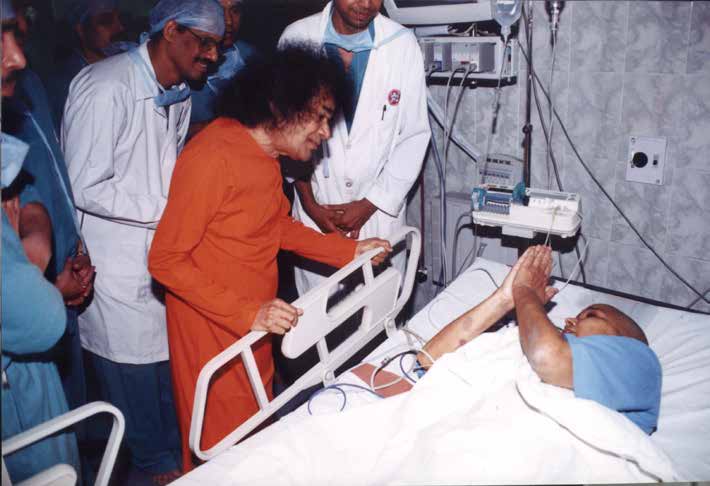
After the successful surgery and before discharge they had to come for discharge counselling before being discharged and leaving for home. By Swami’s Grace the counsellor, a different one, was again fluent in their language and also their culture. The patient profile generated in the Counselling department for each patient provides details, as recorded of each counselling to provide seamless flow of information to the counsellors even though they may be different. The discharge counsellor was able to pick up from where the admission counsellor had signed off prior to surgery.
Needless to say this was more of a thanksgiving and gratitude to Swami session. During the counselling session, patient and his wife could feel the counsellor’s unconditional love and empathy towards them.
The counsellor was non-judgmental at every step, but helped them to be empowered by gently pointing out the power of forgiveness and of forgiving the people who have hurt them and to forget all unwanted and negative incidents and move on in their lives with positivity. Counsellor asked them to spread their love, bring in acceptance and asked them to come out of fear and to do the BRMC regularly. They once again did the BRMC and prayed to Swami in the shrine area. They shed tears of joy and a beautiful smile was seen on their faces. Their total surrender to their family deity and to Swami, they felt helped them to get this shift. They thanked both counsellors who had connected with them.
The patient returned for a review check up at the hospital. He is fine and healthy and has given up his smoking! They thank Swami for showering His blessings on their family and keeping them united.
Yet another patient story about Swami’s Grace and the role of empathy in SAI Counselling.
Jai Sai Ram.............................................................................................................................................................
(Contributors: Mala Somasekhar, Sadhana Rao, Saroo Annaiah, Jayashree Ravindran, Anuradha Chandramouli, Department of Counselling, SSSIHMS, Whitefield.)
The Divine Counsellor
Anthar Dhwani · page 16
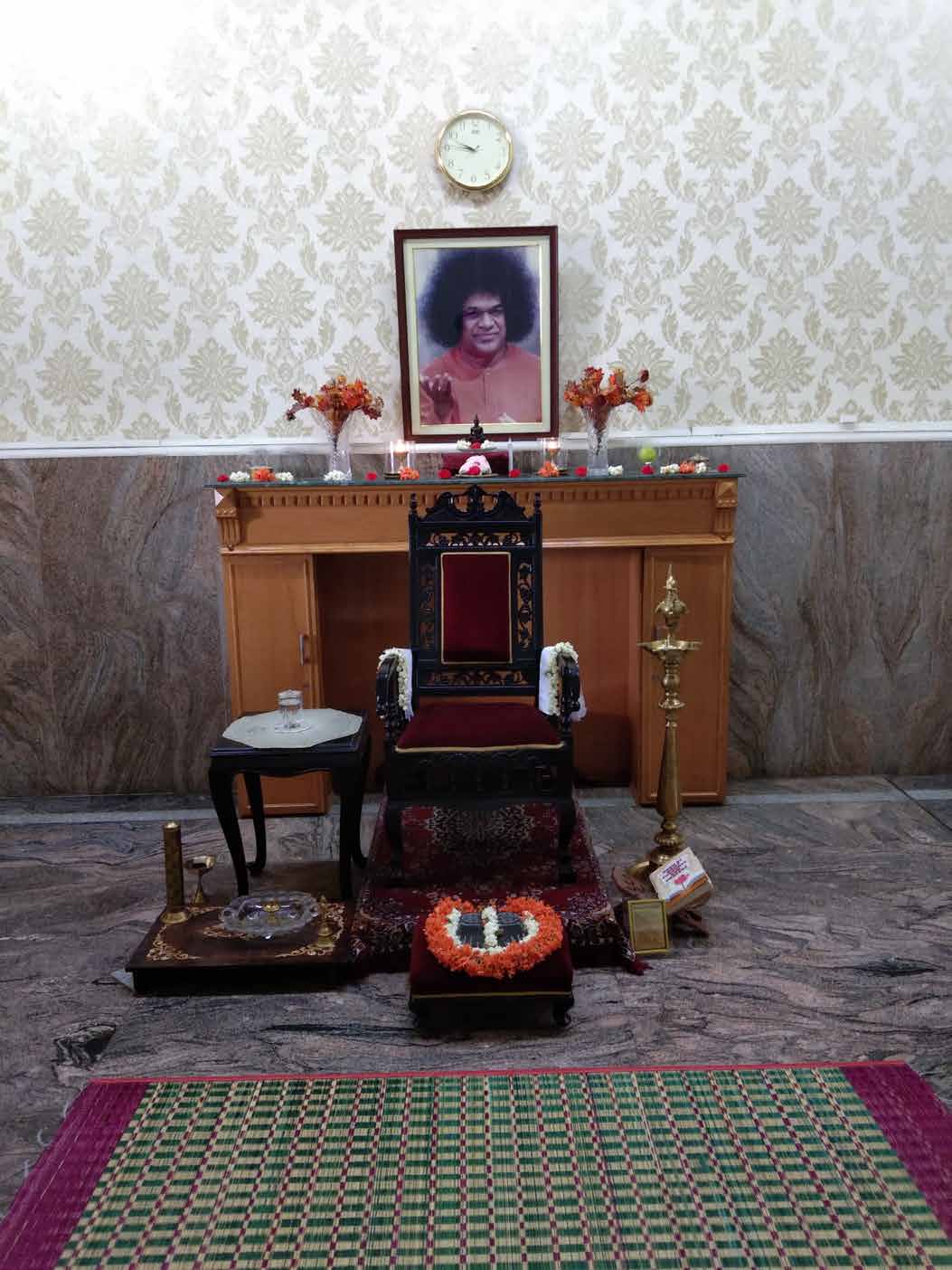
The Shrine Area in the Counselling Department– A shrine within a shrine
While the foyer of the hospital with its vastness of space and grandeur is the main shrine, nested in a corner of the foyer is another small shrine within the counselling department. Everyone entering this shrine, this healing space, experiences the silence, the stillness and the Divine energy pervading the room.
Swami in His Divine Wisdom has provided this safe quiet haven for His patients to be brought here as integral to SAI Counselling to commune with their God, to cleanse their minds of all negativity, to shed tears of relief from unburdening their trials and tribulations, and emerging with renewed confidence and faith.
It is only in the depth of silence that the voice of God can be heard – Swami (Sathya Sai Speaks, Volume VIII)
“Be still, and know that I am God” – The Bible (Psalms 46:10)
Anthar Dhwani · pages 17–20
CLEARING SPACE - SAI COUNSELLORS’ PERSPECTIVE
Clearing Space is contextual to the state of the mind, and as counsellors, it is important to be calm and centered for each patient interaction. The impact of clearing space on a counsellor – patient session, identifying its need and methods of implementing it actively on a seva day are discussed here. While this aspect is included in the SAI Counselling training program and imbibed by the counsellors, some of the activities built into the daily routine at the department also contribute to centering one self.
Eugene Gendlin, the renowned American philosopher and psychologist, defines Clearing Space as: “It is the time when you establish an environment of friendly feeling within yourself. You prepare to give yourself a fair hearing”.
Clearing Space leads to “Unity in thought, word and deed” as Baba says. Such an environment is ideal for active listening where the counsellor can catch the verbal and non-verbal expressions of the patient and caregiver. A typical patient session lasts for about 20 minutes and a counsellor has to make the best of this time to study the four dimensions of the patient, namely physical, social, psychological and spiritual, which define well-being. The counsellor’s state of mind has a direct bearing on the quality of the session. Additionally, the patient information gathered in the session has to be quickly recorded accurately and with clarity, to update the next counsellor seeing this patient. The patient profile is an important document used to track the changes in the patient’s four dimensions from his or her first visit up to discharge. A patient’s subsequent visit could vary anywhere from a day to a year, depending on the admission or discharge date. Hence maintaining a well-recorded profile is critical to the counselling work, which is also impacted by the counsellor’s state of mind.
What affects our state of mind?
Studies show that an average person has about 60,000 to 80,000 thoughts per day. Thinking is an automatic process and one may not even be aware of the volume of the thoughts being handled by the brain every minute. Our daily thoughts are influenced by people interactions, conversations, news, images and sounds. Some thoughts go in loops resulting in unrest and irritability. They become impediments to being centered or being in harmony of thought, word and deed. These activities merely distract one’s attention while the source of unpleasantness lurks beneath the surface. The permanent solution is to Clear Space or Declutter the mind. Our vital organs, like the lungs and kidneys clear out toxins regularly; we have a daily bath to clean our bodies. Similarly, our mind needs a regular clean up to maintain its natural flow towards attaining peace.
What exactly needs to be cleared?
Our negative emotions and feelings have to be cleared on a regular basis. The terms, emotions and feelings, are often used interchangeably but are distinct and arise from different areas of the brain.
When one consciously clears the mind, there is a sense of calmness and self-confidence. The physical state alters and the inner peace reflects in the body language. There is a separation between the “Me” and any personal issues or problems which helps one to access the logical mind, the intellect. The clarity in thought allows one to think and act with a purpose. All these positive changes are the first step in creating the right environment for a counselling session. The point to ponder is, for how long in a day, an average human is in such a balanced state of mind. We can take a cue from Baba’s quote:
“The mind alone is the cause for either bondage or liberation”.
Emotions
Responses to external stimuli Origin is Limbic system
Low level, Instinctive, irrational
Alters physical state: Changes heart rate, muscle tightness, body language, facial expressions
Universal and similar | Visible | Temporary
Feelings
Mental associations and reactions to emotion
Neocortex: Higher level Deals with reasoning, conscious thoughts and decision making
Brain’s interpretation based on personal
experiences, beliefs, memories etc.
Subjective and vary | Can be hidden | Can persist and grow
To Summarize
Benefits of clearing space in SAI Counselling
SAI Counselling is about spiritual connect to God of one’s choice. SAI means Spirituality, Awareness and Integration. It addresses the emotional needs and fosters the inherent spirituality in the patient as well as the caregiver. Just as a counsellor benefits from clearing space, the patient and caregiver also benefit from getting into a calm state of mind. Prior to any Counselling session, the counsellor lovingly takes the patients and caregivers into the Shrine area. The vibration and ambience of the shrine area brings calmness to the patients and caregivers. Spending a few minutes in the shrine helps patient and caregiver to calm down, keeping aside their fears and anxiety for some time. They are surrounded by positive energy in the shrine which lifts their spirits. It eases them into the session and helps them to open up and receive the benefits of the session. This helps them to explore and utilize their own strength and personal identity.
The counsellor is all ready for the counselling session in a state of mindfulness which reflects in her body language, tone and voice. Her positivity and confidence prepare the conditions laid down by Carl Rogers for a person centered approach in counselling. Carl Rogers (1902-1987) was an American humanistic psychologist. He is known for his influential psychotherapy method known as Person Centred Counselling (PCC), which is practiced in the Counselling department. Carl Rogers’s core conditions for PCC are Congruence, Unconditional Positive Regard and Empathy. Both the counsellor and the patient must be congruent, there must be ‘unity in thought, word and deed’ for a successful counselling session. As Swami says: “Channelize your mind in the right direction. Make an effort to calm down your emotions. You should never become a slave of the mind; rather the mind shall become your slave.” – The Mind and Its Mysteries. Chapter 5.
Human Emotions and levels of consciousness
Dr. David R Hawkins a renowned psychiatrist, physician and spiritual teacher developed a map of the levels of human consciousness. Each level of consciousness (LOC) coincides with determinable human behaviors and perceptions about life and God. It’s a tool to understand where one is in terms of consciousness awareness. The Hawkins scale ranges from 1 to 1000, covering the entire range of human emotions. At the lower end are negative emotions such as shame, apathy, guilt, fear, anger, and pride and at the other end are positive emotions, such as love, peace, and enlightenment. In the middle of the scale are courage, acceptance, willingness, and reason – all necessary steps in moving from the negative to the positive end of the spectrum. The highest level of pure consciousness humanly possible is set at 1000.
While silent sitting and praying in the shrine area initiates the process of the clearing space, the BRMC (Body Mind Relaxation and Cleansing) technique relaxes the body leading to cleansing. In other words, the negative emotions or feelings dissipate creating space for spiritual connect with the God of their choice.
As Swami explains “Just like there is water below the surface of the earth, there is a fountain of peace flowing constantly in every human being in his inner self, inner senses and his conscience. The reason for this flow of peace not becoming manifest is that, the soil of kama (desire), krodha (anger), dwesha(hatred) and asuya(jealousy) is piled up over the spring of peace.” – Mind and Its Mysteries, Chapter 2.
Once these impurities are removed, there is a noticeable change in the emotions listed below:
- Acceptance
- Calmness
- Clarity
- Coping skills
- Courage
- Faith
- Optimism
- Peace
- Strength
- Hope
Every emotion we experience carries a vibrational energy. The above changes indicate a shift towards positive energy levels. As per Hawkins scale, courage is at level 200. Courage is the first level of true strength and represents a profound shift from destructive and harmful behavior to a life-promoting lifestyle. The goal of a counselling session is to induce such a shift in a patient and caregiver. Unconditional love which is one of the core values of SAI counselling is calibrated at 500+.
Swami’s Quote: “The easiest and best way to control the mind is through LOVE”.
Clearing Space on a seva day
Now that we have noted the immense benefits of a calm clear mind, let us see the various occasions a counsellor will need it on a typical seva day and how it is achieved.
Start of a seva day
The daily team of SAI Counsellors have a set group routine they follow at the start of each seva day before beginning their individual counselling session, which goes as follows.
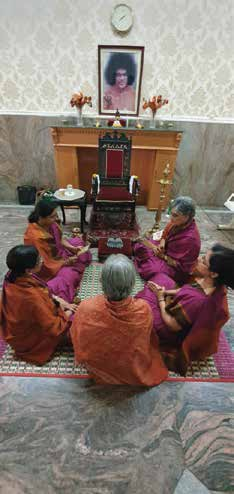
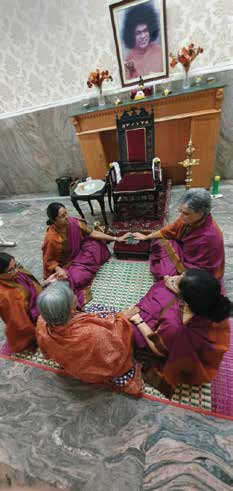
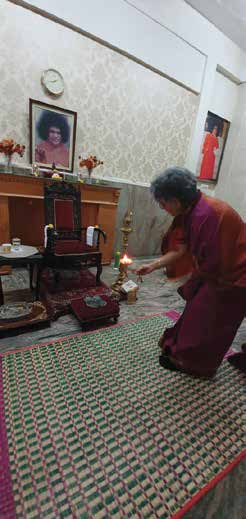
- The counsellors gather in the shrine area of the Counselling Department. Swami’s picture is decorated with fresh flowers every day, the customary handkerchief placed on the arm of His chair and a glass of water with a fresh lime in it on the side stool. The lamp is then lit.
- The counsellors sit in a circle in front of Swami’s chair, as seen in the photo below
- They start by chanting the three Omkars and repeat the Sai Gayathri three times. They then sing a very melodious and meaningful bhajan.
- This is followed by a counsellor selecting at random and reading a page from the book ‘ Book of Daily Thoughts and Prayers’ (Swami Parmananda, Ramakrishna Mission.); all the counsellors repeat the prayer at the end of the page.
- The counsellors then hold hands with two of them placing their hand on Swami’s Lotus Feet, as seen in the picture below. They close their eyes and chant the Vedic Prayer “Purnamadah Purnamidam … “reminding us of the oneness of the Divinity without and within.
- The session ends with the counsellors chanting the shloka “Asathoma Sadgamaya …..”(“From untruth to truth, from darkness to light, from death to immortality”).
- This daily ‘clearing space’ session takes fifteen minutes and empowers the SAI Counsellors to start the day with a confident smile.
Start of each session
Every new patient interaction begins on a clean slate. Typically, the counsellor starts a new session by closing her eyes, taking deep breaths and saying a silent prayer to clear space from the previous session and to invoke God’s grace for the ensuing session.
During a session
How does a SAI Counsellor handle a difficult case which can be mentally disturbing? Clearing space is a dynamic process and the SAI counsellor is trained to respond appropriately as the situation warrants. Her grounding in values is her spiritual strength, Peace within gives her equanimity of mind and her Dharma dictates her conduct. A SAI counsellor does not get emotionally attached to a patient. The goal is to empower the patient. The counsellor is concerned not worried, there is a difference between concern and worry. Concern is about finding a solution and helping the patient face the challenge. If the patient is not responding, the counsellor may focus on empowering the care giver. Deep breathing and surrendering to Swami help tap into the inner strength, experience and learning.
Swami’s Quote: “Duty of the sadhaka (spiritual aspirant) is to channelize the mind, stand aloof as a Saakshi (witness) to your emotions and don’t get involved.”
End of a session
Each patient and situation is unique. No situation is hopeless. Time and again, we have seen that even in the darkest hour there is a ray of hope. Most counselling sessions end positively, energizing the patient, caregiver as well as the counsellor. If the desired outcome is not achieved, the counsellor may end the session with a short prayer handing over the charge to Swami. After all He is the doer, we are but His instruments. A SAI counsellor mentally closes the current session, ‘clears space’ within herself, closing her eyes and saying a short prayer to Swami invoking His Grace and moves on to the next session.
End of a seva day
It is as important to clear the mind space from negative feelings at the end of the seva as it is at the start of the day. A lot of unburdening by the patients, active listening and empathy by the counselor happens during the counselling sessions. It is possible that the counsellor while being empathic towards the patients may have some of their negativity lingering on within her. Carrying this baggage home is not good for the counselor and her family.
Hence the day which began with a prayer again ends with a prayer session. The counsellors once again assemble in the shrine area and
- Perform Aarathi. Then sit in a circle and a counsellor selects the page corresponding to that day’s date in the same book, Book of Daily Thoughts and Prayers, and reads from it. They sing the prayer of gratitude, hold hands as before, chant “Asathoma …. “prayer and before dispersing the flowers are removed from the altar and the glass of water with the lime in it is emptied. (The significance of the lime is that it removes the accumulated negativity of each day).
- They leave with a smile of fulfilment and a deep sense of Gratitude to Swami.
To summarize, clearing space is a pre-requisite to a SAI counselling session and is an integral part of the counsellor’s training. Clearing Space is a sacred activity meticulously followed by every SAI Counsellor before the start of every counselling session. This alone ensures as Swami says “harmony in thought, word and deed” which in Carl Rogers’ Person Centred Counselling means the counsellor is congruent at the start of every counselling session ready for the patient who may be incongruent.
Clearing space is equally important at the end of the day as explained above. This routine ensures the SAI Counsellors come for their seva with a smile and at the end of the seva day leave with a smile. To quote Swami “Start the day with Love, Spend the day with Love, Fill the day with Love, End the day with Love. This is the way to God”.
Jai Sai Ram.............................................................................................................................................................
(Contributors: Jaya Tadimeti, Mallika C.R, Sumana Yadalam, Shuba Srinivasan, Manimeykalai C. Department of Counselling SSSIHMS, Wfd)
PATIENT EXPERIENCE - I · page 21
Life is a struggle, but “Say not the Struggle nought Availeth...”
Sunitha Devi (name changed), a 56-year-old Hindi speaking lady hails from Darbhnaga in Bihar. A simple humble person, she had a stoic expression on her face as she walked in accompanied by her daughter, Rukmani (name changed) the caregiver, for the SAI Counselling PR session prior to admission for a cardiac arrhythmia problem. Sunitha Devi was of normal build but looked much older than her 56 years. A life of hardship, suffering and grief were visible from her appearance, her daughter was more positive.
Sunitha’s family comprises her five children, two sons and three daughters. Elder son lives in Burdwan and has a tea shop in Kolkata, the younger son is studying and lives with her at home. All three daughters are married. Life has been a struggle but they manage to eke out a living. The family is aware of the Sathya Sai Institute of Medical Sciences in Whitefield, having been here previously for treatment, and they believe that it is the place where they have seen people getting excellent treatment.
Sunitha’s husband had a heart problem, was bedridden for 5 years and passed away 2013. She had been the care giver under very demanding and challenging circumstances, and has been under tremendous stress due to this. She likes to pray when she has time and has total faith in Kali Ma, Sai Baba and Narsingh Baba. Unfortunately, she is addicted to chewing tobacco.
Sunitha Devi’s health issues began in 2017. She started to have severe sweating accompanied by shivering and chest pain. The family was concerned and she was taken to her son’s place, in Burdwan, for treatment, and has been taking medication for the past one year. Medication did help her initially but later she had difficulty in breathing, severe pain and discomfort, and was advised a pacemaker at Burdwan.
Sunitha Devi has been stressed out being a long-term caregiver to her husband. Once she developed her own health problems she was feeling increasingly frustrated and helpless about her health situation leading to anger bouts.
Understanding her situation, the counsellor with a loving empathic approach asked her to recollect the good and happy times of her life as also the good things now. Suman agreed that she had a supportive family and this was her strength. She also understood that letting go of bitter past is important to live in the present.
Sunitha Devi expressed difficulty to practice the breathing technique of BRMC (Body Relaxation Mind Cleansing) during the session but she agreed to sit with her eyes closed and just listen and absorb the BRMC process without straining herself in anyway. Midway as she continued listening keenly sitting in a meditative state, tears rolled out from her eyes – she had come to terms with herself.
She realised that she has the inner strength and coping mechanism to deal with difficult situations and that acceptance is a way to move forward rather than a feeling of being a victim of sadness and sorrow. At the end of the session she gave a big hearty smile and said “Aaj se main kaini chodungi aur main khush rahungi. Jo hoga acha hoga” (From today I am giving up chewing tobacco and I will be happy. Whatever happens, happens for the good.). Her Goddess Kali Ma is her strength, she will not need tobacco and will give it up.
Her helpless look and the stoic countenance had given way to a smile of relief and contentment knowing that Divine Grace was protecting her.
On a follow up call with the daughter it is understood that the Sunitha Devi is back in Kolkata with her son and will be proceeding to her native town Darbhanga soon. She was admitted here and after tests, all reports were found normal and the doctors discharged her as she did not need any procedure. She has been advised medication and her pain has reduced. The family is relieved and her daughter says that her mother is practicing BRMC daily. Sunitha Devi’s faith in Kali Ma, Sai Baba and Narasingh Baba was her salvation.
“Anything in Life can be Achieved with Faith in God.” – Sri Sathya Sai Baba, Prasanthi Nilayam 26 December 2007.
Jai Sai Ram.............................................................................................................................................................
(Contributor: Lalitha Anil, Department of Counselling, SSSIHMS, Wfd)
Anthar Dhwani · page 22
PATIENT EXPERIENCE - II
“Faith in God removes all Fears” – Swami.
Dilip Kumar (name changed), a 36-year-old man serving in the CRPF (Central Reserve Police Force) was suffering from severe back pain. The pain started a few months after his annual fitness test. He took a month’s leave and his search for a good hospital led him to SSSIHMS WFD. He was diagnosed with Lumbar disc disease and needed a surgery. Little did he know that he would regain more than his health in this visit.
On 23rd January 2019, Dipak accompanied by his wife and daughter were brought into the counselling department. He appeared to be impatient and distracted by his 2-year-old daughter constantly tugging at his hand. The child was hungry and the mother wanted to know if she could take her out and feed her. The counsellor, who had been observing the restlessness in the child ever since she met the family at the Neuro desk, gladly obliged. After the mother and child left, the counsellor casually remarked that the daughter seemed attached to him and asked if she was his only child. That seemingly simple question opened the doors for a deep unburdening of Dilip’s bitter past. What prompted the Counsellor to ask this casual question she doesn’t know, but from what followed clearly it was the Hand of God – Swami’s Grace.
Hesitatingly he replied that the daughter was from his second marriage, there were two sons from his first marriage about which he then narrated; he was happily married and lived with his two sons and parents in Kolkota. His first wife orphaned at a young age, bonded well with his parents and took good care of them. Tragedy struck when his wife was diagnosed with brain tumor. Despite treatment she died followed by his mother passing away three months later. His grief-stricken father suffered a heart attack. Within a span of few months Dilip’s entire life fell apart. He lost faith in God. Addressing the counsellor as Maa ji, he asked, “How could God let someone (referring to his first wife) so loving and pure die so painfully?” Dilip stayed with his wife and took care of her till the end. He vividly described her slow loss of speech, vision, and frothing from the mouth. The frustration showed in his tone and body language. He couldn’t stop his tears narrating her terrible end. Many a sleepless night, he spent looking for an answer. At the behest of his elders he remarried for the sake of his young children, but clearly he was still living in the memories of the past.
After venting out years of pent up emotions - anger, helplessness, sadness and guilt, he calmed down. Probably, between his ailing father and the army environment, he never could share these feelings with anyone. An empathic bond having been established between the counsellor and the patient, Dilip, who was genuinely looking for answers, listened attentively to the counsellor. The counsellor with a lot of love and compassion gently pointed out that what was destined to happen had to happen and he had to move on with his life with faith in God. She helped him to see the brighter side of things and to let go of the past. He might never be able to find a satisfactory answer to his burning question. He learnt about the vicious cycle of negative thinking and the mind-body connection. As acceptance set in, he began to see his past in a different light. Yes, he did receive a few blessings after his first wife’s death. His second wife took over the responsibilities of his house without batting an eyelid. She quickly became a loving mother to his kids and caregiver to her father-in-law. During his long assignments away from home, he did not have to worry about the welfare of his sons or ailing father as they were in good hands. The daughter, from his second marriage was the apple of his eye. True, God had not forsaken him!
Meanwhile his wife and daughter returned. There was a sigh of relief. He took the daughter into his lap and hugged her. He looked like a changed man, lighter and happier. The couple went to the shrine area, learnt the BRMC technique. Dilip found the body relaxation, mind cleansing and prayer to his God very helpful and decided to follow it regularly. His army discipline was clearly visible when he repeated the process, step-by-step to make sure he got it right. Subsequently Dilip underwent surgery, but his discharge was delayed, which worried him. That night lying in the hospital bed, he saw Swami’s picture on the wall, looking at him. He poured out his heart. He was astonished the next morning when the doctors examined him and discharged him. His trust in God was restored with an experience of a life time. He is back home and rejoined duty. He called the counsellor to say that he benefits from practicing the BRMC regularly, Swami’s picture in the ward looking at him will always remain etched in his memory and his faith is restored.
“Faith is the bird that feels the light and sings when the dawn is still dark” – Rabindranath Tagore.
Jai Sai Ram.............................................................................................................................................................
(Contributor: Jaya Tadimeti, Department of Counselling, SSSIHMS, Wfd)
PATIENT EXPERIENCE - III · pages 23–24
A heart-warming tale of Sai synchronicity.
So often we wonder at the perfect timing of events, seemingly unconnected at first, and ponder how did these multivarious real time happenings, separated by time and space, come together in an uncanny pre-ordained manner resulting in a unique event. Are they mere coincidences?
Carl Jung the renowned Swiss psychiatrist and psychoanalyst coined the term “synchronicity”, which he defined as “The coming together of inner and outer events in a way that cannot be explained by cause and effect and that is meaningful to the observer.”
When the element of Divine Grace is added we call it Sai Synchronicity, which is so beautifully illustrated by the narration that follows of a recent patient experience in the Counselling Department.
Dugaon is a small village close to Biloli the taluq headquarters in Nanded district of Maharashtra, home to about four hundred families mostly farmers/farm labourers belonging to the SC/ST category with very low literacy. One such family was that of a farm labourer, Lakshman Gaikwad, his wife Lala Bai and three children content with their lot and having come to terms with their youngest child, Datta, being afflicted with a congenital speech and hearing impairment. The silver lining for them was that the other two children were normal and healthy. Fortunately, Datta could attend a school in a nearby town that accepted such handicapped children.
Life was going on smoothly when calamity struck the family once again. During a routine medical check-up at school, Datta was diagnosed with a congenital cardiac problem, which warranted immediate medical attention in a tertiary level hospital. Lakshman Gaikwad and his wife Lala Bai were at their wits end, a cardiac surgery in a tertiary level hospital was simply out of their reach and totally unaffordable.
The multiple coincidences that the Gaikwad family experienced in their quest for a cure for their seven-year old son gives us an insight into the HAND of GOD and His Omnipresence. The miracle of Divine Grace, the family’s faith in their God, Panduranga, led them from this remote hamlet in Maharashtra to our hospital, SSSIHMS, in Whitefield. Having lived all their life in Dugaon with an occasional trip to Biloli, the nearest town, they felt like fish out of water in a major metropolis like Bangalore and were totally overawed at the size and grandeur of Swami’s hospital. The biggest challenge was communication – they could speak and understand only Marathi, their mother tongue and the predominant language in rural Maharashtra. They scraped by with Lakshman’s very limited knowledge of Hindi and got admitted at our hospital. One could imagine their state of mind – little Datta was to undergo a major heart surgery and there was no one who could listen to their anxieties, answer their questions, clarify their doubts or comfort them with soothing words they could understand.
Meanwhile in the hospital another drama was unfolding itself. There was a small crisis in the Counselling Department about finding a substitute Hindi speaking counsellor for the regular, who could not make it that day because of an emergency at home. Finding a last minute substitute in the specific language, needless to say is very challenging; after a few frantic calls they zeroed in on Aparna, a senior counsellor who readily agreed to substitute and had her husband drop her at the hospital.
Here is where God’s Hand reveals itself. Aparna while being fluent in Hindi was equally if not more fluent in Marathi, virtually her mother tongue. But she was blissfully unaware of her role in the Divine drama about to unfold in the Counselling department that morning. Words cannot describe the joy and relief in the faces of Lakshman Gaikwad and his family when during pre-surgery admission counselling, stoically waiting for the counsellor’s words, the counsellor Aparna after scanning the patient profile which lists the patient’s mother tongue, lovingly leans forward and speaks to them in their very own Marathi!
Tears of joy freely flowed in their faces, their Panduranga was here with them as Sai Panduranga, she answered all their questions, clarified their doubts putting them totally at ease; they relaxed completely after the BRMC session in the prayer room at Swami’s lotus feet – all worries and concerns vanishing in thin air. They were ready for the surgery. The counsellor was equally elated and overjoyed at the outcome of this special counselling session for which she had not planned. At the end of the session in the prayer room, the counsellor remembered a popular Marathi bhajan extolling the Lord’s munificence for His devotees. She smiled as she hummed the tune to herself; it was such a fulfilling seva opportunity that she had been blessed with by Swami’s Grace that morning.
The surgery was successful and the same counsellor met them on the day of discharge; the picture below says it all – capturing the family’s frame of mind before heading home. The family had truly been healed in body, mind and spirit. Even after reaching home the mother Lala Bai called the counsellor a couple of times to say that Datta was doing well, and to express her gratitude to Swami, her Sai Panduranga, the counsellor who had really been a God-send and all the hospital staff.
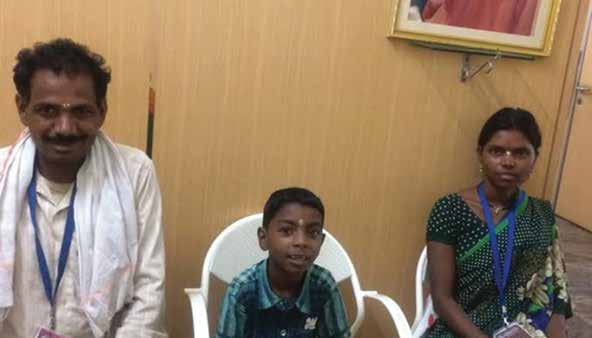
Carl Jung has provided a very rational explanation for such happenings, coining the term Synchronicity; a new dimension has emerged with Divine Grace and Compassion being integral to such happenings, justifying coining a new term SaiSynchronicity.
Jai Sai Ram.............................................................................................................................................................
(Contributors: Gita Umesh and Aparna Hoskote, Department of Counselling, SSSIHMS, Whitefield)
PATIENT EXPERIENCE - IV · pages 25–28
Experience Of A Patient’s Caregiver
Faith, Hope, Courage and Acceptance
In the event of a poor medical prognosis where and how does one find the strength to hold on to one’s faith? Where and how does one derive hope and courage to face the inevitable?
A peaceful and quiet environment filled with Divine Energy can help us connect to our inner yearnings, our Anthar Dhwani. It is in the sound of silence we hear the voice of God to empower us with faith and hope. The presence of a compassionate and empathetic listener, so often, can help us face adversaries in life and fill us with courage and acceptance.
The Serenity Prayer
"God grant me the serenity to accept the things I cannot change, courage to change the things I can, and wisdom to know the difference."
So often we find caregivers and patients seeking help to comfort and care for themselves at the counselling department SSSIHMS. The essence of the Serenity prayer leads towards the practice of Self-compassion. To quote Dr. Kristin Neff “The seeds of self- compassion already lie within you.”
According to her research the three elements of self compassion are-
- Self kindness vs Self judgment
- Common humanity vs Isolation
- Mindfulness vs Over identification.
Listening With Compassion
“Genuine compassion is based not on our own projections and expectations but rather on the rights of the other: irrespective of whether another person is a close friend or an enemy, as long as that person wishes to overcome suffering, then on that basis we develop a genuine concern for his or her problems. If you want others to be happy, practice compassion. If you want to be happy, practice compassion.” - His Holiness the Dalai Lama
Listening with compassion is part of the SAI Counselling process. It creates space and provides the opportunity to someone in pain to connect with their feelings and thoughts and helps them gain clarity of the situation. We often wonder at the transformation and sea change we see in people who have unburdened their concerns and suffering to a compassionate listener. The energy of love, empathy and compassion can be only experienced and cannot be articulated in words.
When eighteen year old Krishna (name changed) from West Bengal had to discontinue his studies due to severe pain, discomfort and weakness, his anxious parents consulted local doctors and later specialists at Kolkata. His father worked in a grocery store and mother tailored clothes and together they dreamt of giving their son and daughter a better life and education. They were eager to help their son recover from the sudden bout of illness and realized SSSIHMS Whitefield Bangalore would be the perfect place for his treatment. Krishna’s parents were pious and had been initiated into the spiritual path by their family guru. Investing their entire savings, filled with hope they set out on a long tedious train journey from their home town to the hospital. Krishna’s mother prayed fervently for a cure for her son and for his admission for treatment at SSSIHMS. To her relief he was admitted at the hospital and his first surgery was performed in October 2018. Neuro surgeons at the hospital performed a successful laminectomy and excision of a bony lesion which was the cause of Krishna’s illness. Post operatively he recuperated well and found relief from the radicular pain he suffered from. The mother was relieved to find her son free from pain and suffering and was grateful to the hospital for treating her son free of cost. She realized it was her faith and prayers that had sustained and empowered her throughout her journey.
As part of the discharge protocol the hospital provided a copy of the histopathology report and the discharge summary to the caregiver explaining the patient’s condition after being discharged from the hospital. Unfortunately the histopathology report was not favourable. The tumour had features compatible with osteoblastic osteosarcoma. The importance of oncology follow-up was explained to the mother. Back home Krishna appeared normal and had no symptoms of his illnessand the hospitals follow up discharge advice was neglected by his parents.
Soon after returning home Krishna resumed his normal activities and the parents resumed their jobs and neglected the follow up discharge advice. Six months passed by without any complaints except progressive weight loss. Soon after Krishna suffered from progressive spastic quadriparesis, bowel and bladder incontinence and reduced sensation below his chest. The worried parents decided to consult the doctors at SSSIHMS but due to financial constraint only one parent could afford to accompany him as his caregiver. His courageous mother filled with remorse and saddened by his condition wondered if their neglect had caused the recurrence of his illness and accompanied an emaciated Krishna to SSSIHMS. He underwent his second surgery on 18-3-2019. Post-operatively, he developed breathing difficulty and respiratory fatigue. His mother virtually gave up hope of his recovery. The team of neuro surgeons, doctors, nurses and support staff supported Krishna round the clock. Every crisis was addressed with the best medical treatment .Tracheotomy for airway protection was performed and in view of his generalized poor condition doctors addressed malignancy induced cachexia and a critical illness polyneuropathy.
Divine Intervention
One of the unique features of the SSSIHMS Whitefield is the support caregivers of the patients receive from the hospital through the counselling department. While the medical team took care of Krishna’s needs at ICU , his mother filled with fear, anxiety, loneliness, worry, isolation, sadness and above all emotional pain was sitting forlorn outside the ICU ward. A sensitive volunteer Maya Shyam, who was passing by saw the distraught mother, felt moved and referred the mother for counselling; the Lord works in mysterious ways! One wonders in awe at the Grace and Protection of the Omniscient Omnipotent Omnipresent Divine force of the Universe.
“The Moving Finger writes; and, having writ, Moves on: nor all thy Piety nor Wit Shall lure it back to cancel half a Line, Nor all thy Tears wash out a Word of it.” Omar Khayyam
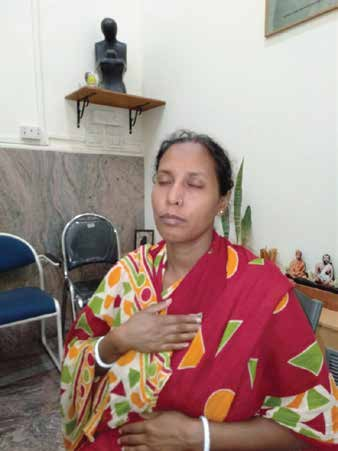
At the counselling department counsellor Gita Umesh received the distraught mother referred for counselling during the most vulnerable stage of her journey at the hospital. After listening to her concerns with empathy and compassion and being aware of her religious background the therapy of BRMC was introduced to the mother. It helped the mother connect to her own gurus guidance and mantra.
The sessions continued every day and as it progressed she developed strength through her daily prayers at the shrine in the Counselling Department. This helped her regain courage and peace of mind which had a positive effect upon her. The shift in her perception and demeanour had a positive influence upon her son whom she visited regularly in ICU. He was filled with hope of recovery.
The effort of the team of doctors and nurses helped him and his condition improved and he was ready to be discharged on tracheotomy tube and on room air.
Man Proposes, God Disposes
Despite the poor prognosis , the mother experienced a fresh surge of energy as she started preparing for their return journey home. She felt the Grace of God yet again in their lives; she focussed on fulfilling her son's wish to be in familiar surroundings with his family and friends.
The mother stopped by to meet the counsellor and offer her final prayer of gratitude at the shrine in the hospital. Needless to say it was a moving experience to both the counsellor and the mother as they bid farewell to each other.
She had accepted God's Will and was filled with peace.
In Silence And In Stillness Her Prayer Of Surrender and Acceptance
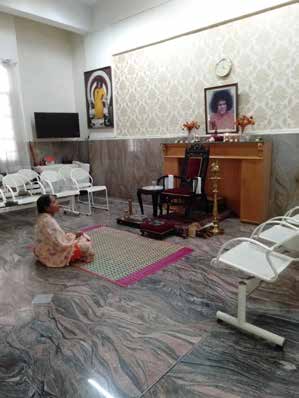
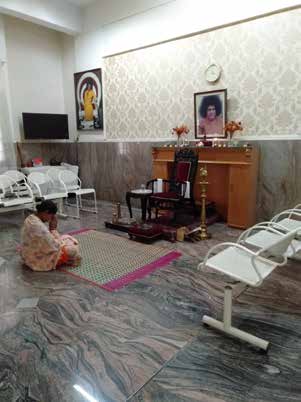
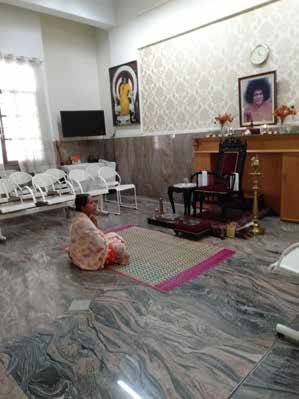
Post discharge nursing care was explained to the mother on the day of discharge by ICU Sister Sindhu with linguistic help offered by counsellor Sukanya Chattopadhyay in Bengali. This helped the mother gain knowledge and understanding of her post discharge nursing care and responsibilities.
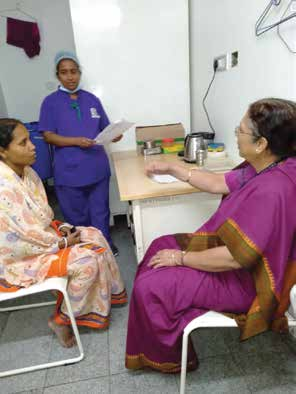
Soon after returning home Krishna resumed his normal activities and the parents resumed their jobs and neglected the follow up discharge advice. Six months passed by without any complaints except progressive weight loss. Soon after Krishna suffered from progressive spastic quadriparesis, bowel and bladder incontinence and reduced sensation below his chest. The worried parents decided to consult the doctors at SSSIHMS but due to financial constraint only one parent could afford to accompany him as his caregiver. His courageous mother filled with remorse and saddened by his condition wondered if their neglect had caused the recurrence of his illness and accompanied an emaciated Krishna to SSSIHMS. He underwent his second surgery on 18-3-2019. Post-operatively, he developed breathing difficulty and respiratory fatigue. His mother virtually gave up hope of his recovery. The team of neuro surgeons, doctors, nurses and support staff supported Krishna round the clock. Every crisis was addressed with the best medical treatment .Tracheotomy for airway protection was performed and in view of his generalized poor condition doctors addressed malignancy induced cachexia and a critical illness polyneuropathy.
Divine Intervention
One of the unique features of the SSSIHMS Whitefield is the support caregivers of the patients receive from the hospital through the counselling department. While the medical team took care of Krishna’s needs at ICU , his mother filled with fear, anxiety, loneliness, worry, isolation, sadness and above all emotional pain was sitting forlorn outside the ICU ward. A sensitive volunteer Maya Shyam, who was passing by saw the distraught mother, felt moved and referred the mother for counselling; the Lord works in mysterious ways! One wonders in awe at the Grace and Protection of the Omniscient Omnipotent Omnipresent Divine force of the Universe.
“The Moving Finger writes; and, having writ, Moves on: nor all thy Piety nor Wit Shall lure it back to cancel half a Line, Nor all thy Tears wash out a Word of it.” Omar Khayyam
At the counselling department counsellor Gita Umesh received the distraught mother referred for counselling during the most vulnerable stage of her journey at the hospital. After listening to her concerns with empathy and compassion and being aware of her religious background the therapy of BRMC was introduced to the mother. It helped the mother connect to her own gurus guidance and mantra.
The sessions continued every day and as it progressed she developed strength through her daily prayers at the shrine in the Counselling Department. This helped her regain courage and peace of mind which had a positive effect upon her. The shift in her perception and demeanour had a positive influence upon her son whom she visited regularly in ICU. He was filled with hope of recovery.
The effort of the team of doctors and nurses helped him and his condition improved and he was ready to be discharged on tracheotomy tube and on room air.
Her resilience and ability to overcome her vulnerability displayed the magnitude of her spiritual strength. It was founded on Love, Faith, Courage, Hope leading to Acceptance. These qualities provided her with the dignity and grace to accept the heart breaking news of her only son’s poor prognosis.
A perceivable change and transformation in the mother’s demeanour on the day of discharge filled the counsellor with joy as she said a silent prayer thanking Swami. Her poignant smile was heart-rending. SAI Counselling filled her with hope of a different nature. She hoped to give the best care and comfort to her son, cherishing and celebrating every moment of his life
The Transformation
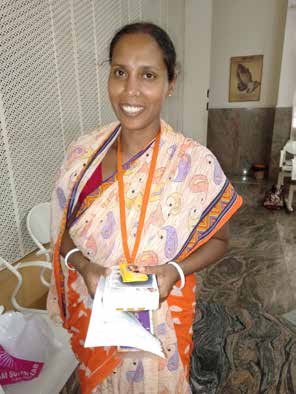
Hope
“In the depths of your hopes and desires lies your silent knowledge of the beyond; And like seeds dreaming beneath the snow your heart dreams of spring.
Trust the dreams, for in them is hidden the gate to eternity.” Kahlil Gibran.
Jai Sai Ram.............................................................................................................................................................
(Contributors: Gita Umesh and Sukanya Chattopadhyay, Department of Counselling, SSSIHMS, Whitefield)
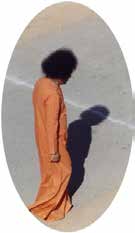
"Keep your faith firm, irrespective of whether your desires are fulfilled or not. Do not at all doubt the power of faith. Some incidents happening in this world may shake your faith in God. But if you hold on to your faith firmly, you can boldly face any situation". -Sathya Sai Baba, 26 December 2007.
Anthar Dhwani · pages 29–31
TRAINEE COUNSELLORS’ EXPERIENCES OF SAI COUNSELLING
The Counselling Department in association with the HR Department offers short term certificate courses in SAI Counselling for aspiring counsellors interested in learning about the spiritual dimension in counselling. The feedback from some of them.
.................................................................................................................................................................................................
R.Sashi Rekha
(A Counselling Course student at Banjara Academy)
As part of my counselling course undertaken in Banjara Academy, I was directed to take up practical training in any esteemed institution. The Counselling Department at Sri Sathya Sai Institute of Higher Medical Sciences, (SSSIHMS), Whitefield was always on top of my mind having known their wonderful activities from inception. The two months training at SSSIHMS was truly inspirational which will last forever with me. This could be broadly explained as follows
COURSE:
- It is a well-structured course in which theoretical aspects and concepts are taught first which will be reinforced through observation.
- I found it to be unique course which had component of spirit built into along with body and mind aspects. “SAI” counselling which stands for Spirituality, Awareness and Integration looks at the core of the personality which facilitates in connecting with them.
- BRMC method of relaxation technique is also unique. I had the opportunity to try it on some other patient elsewhere and found its magic working on them.
- I appreciated the patient profile form which is very comprehensive. A special mention about the field of hobby which encourages the patients to think about their hobbies which in turn facilitates connect with them.
- The counselling session starting with prayer itself is a unique practice which helps all of us to connect with the higher self while discharging the role.
MENTORS:
It is a unique place where dedicated staff discharge their role selflessly keeping in focus the bigger goal. It is rare to find such group of people working as a well-knit team.
I always found them smiling and genuinely warm to all people. Everyone meet and greet patients with same zeal and vigour. I could observe that the psychological connect made by them had a longer positive impact on the patients as well as caregiver.
Personally I found true care and involvement from all of my mentors.
.................................................................................................................................................................................................
Ritu Chetan Hirani
(Aspiring Counsellor)
The course on SAI counselling is very well structured with Body Relaxation and Mind Cleansing (BRMC) techniques. Observing the practical sessions during counselling patients which was done with humility and a spiritual connect helped us in understanding the SAI way of counselling at a deeper level.
Counselling is a form of service which has to be done very selflessly and with a genuine and caring approach towards the patient - my learning from the SAI counselling course.
.................................................................................................................................................................................................
Roxana I Kumar
(M.A.- Psychology)

The training was overall great and very inspirational. Every session helped in building a psychological contact with the patient and makes the patient build a trust and confidence in the counselor. It is also very important to have empathy, make proper eye contact and be an active listener. I believe that all the counselors and mentors have included Carl Rogers’ s approach in their day-to-day counselling sessions thus paving the way for a positive change.
A very moving and innovative approach at Sri Sathya Sai hospital is the BRMC or the breathing/relaxation exercise that is taught to every patient at the counselling department. The counselor makes every effort to help and ensure patient/caregiver do this exercise correctly which brings a sense of calmness and relaxation in their minds. The result is that patients have themselves ¬expressed how they feel calm after doing this and how they are connected with the God-of-their-Choice or ‘Istha Devta’. As a trainee, even I witnessed and sensed the same.
As per our practicals, we had the opportunity to counsel patients and their care-takers, and take home a wonderful learning experience. I would like to mention about one of the patients, who had come with his son, whom I counseled. The father was having a lumbar disc problem and being unable to sit properly needed his son’s support.
The practice is to take the patient and caregiver to the prayer room for the BRMC session which helps them relax and then we take them to the respective counselling room for the session. The same was done for this father and son.
After we finished the prayer session, I took the father and son for a counselling session. At first the father appeared a little lost. While we started interacting in the same language and with familiarity of his hometown, the father slowly started relaxing and opening up about the health issues that he was facing. Both the father and son came from West Bengal and were worried as to when they would be able to go home as they had family back there. I started talking to them about the importance of a healthy mind and how heath issues start to build from there. I interacted with the father more and explained to him about how fortunate they were that they had got admission in one of the best hospitals and that everything will be taken care of. The BMRC exercise also helped and benefitted both the father and son and after the session, the father was so touched, that he stated that he would continue the breathing exercise as he felt so relaxed. The father even had tears in his eyes after the session and was very inspired by the way the session had gone, especially the breathing exercise. The son had also asked me for my telephone number, so that he and his family could keep in touch.
Hence, the learning at Sri Sathya Sai Baba hospital has been of immense joy and learning Counselling the SAI Way was truly a unique experience where the individual, be it a patient, a counselor or a trainee, are all made to realize that they are capable of changing in a positive way and only they are responsible for their well-being, through a connect with themselves- their spiritual side.
.................................................................................................................................................................................................
Layout design- Sailatha Bopanna Aiyappa
“LOVE ALL, SERVE ALL”- Baba
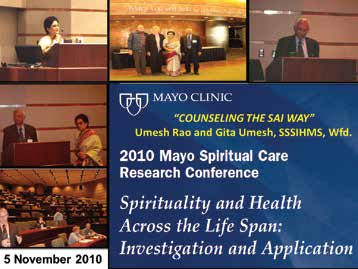
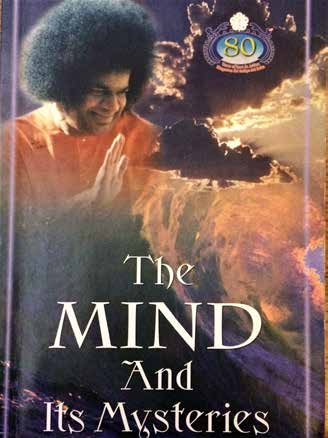
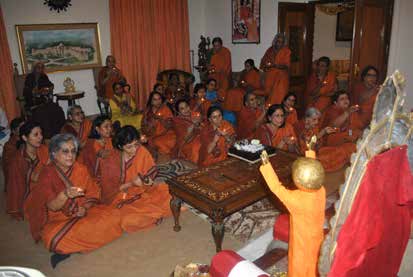
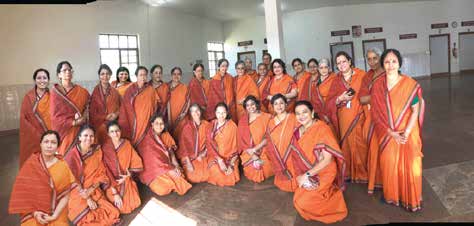




Covers · pages 1 and 32
Cover pictures
Pictures used on the covers and contents page