The journal of SSSIHMS · January 2023
Manohriday
the annual journal of Sri Sathya Sai Institute of Higher Medical Sciences, Whitefield.
- Issue
- January 2023
- Published by
- SSSIHMS, Whitefield
- In this issue
- 24 sections · 156 pictures
- Print edition
- 36 pages
Manohriday · page 2
Opening pages
oozing with gratitude towards Bhagawan for the services they received at SSSIHMS.
We also bring you a fascinating conversation with a retired civil servant, narrating the events, which took place in 1998-99, resulting in the land being by the Government of Karnataka to the Sri Sathya Sai Central Trust, free of cost, for setting up of SSSIHMS.
In these times of climate crisis, sustainability Dear readers,
It is a joy to meet you all again with the compilation of the events in the last one year at Sri Sathya Sai Institute of Higher Medical Sciences, Bengaluru.
After guiding the Institute during the difficult times due the pandemic, Dr. Shekhar Rao handed over the Directorship of SSSIHMS to Dr. D.C. Sundaresh, who took charge for a second term from April, 2022.
Manohriday · page 2
Editorial
and environmental protection have become mainstream topics. Read about the latest green initiatives at SSSIHMS Whitefield, including the Institution’s becoming part of a global movement towards reducing greenhouse gas emissions, specifically in healthcare.
We hope you enjoy reading this edition of Mano Hriday. Do share your feedback and comments at newsletter@sssihms.org.in.
– The Editors While the first few months of 2022 were challenging, the Institute resumed its regular work and in a short while, reached the pre-pandemic OPD and surgery levels of patient care.
During the course of the year, to keep pace with technology and the standards of care, SSSIHMS procured many equipment , including a high-end laparoscopy system for the Sri Sathya Sai General Hospital and high-end patient monitors for the Neurosciences.
We are pleased to bring you the usual share of patient stories and testimonials, all of which are
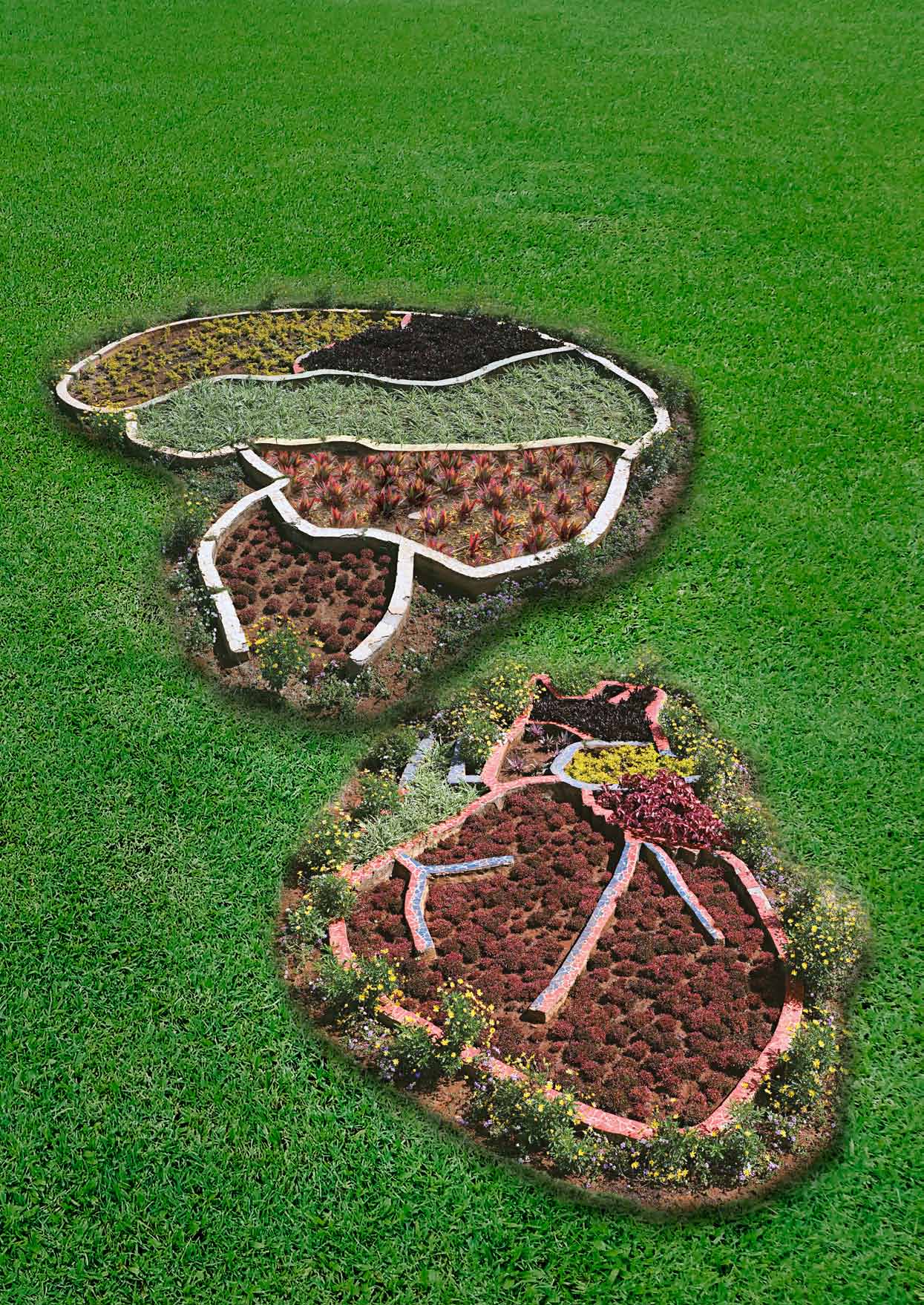
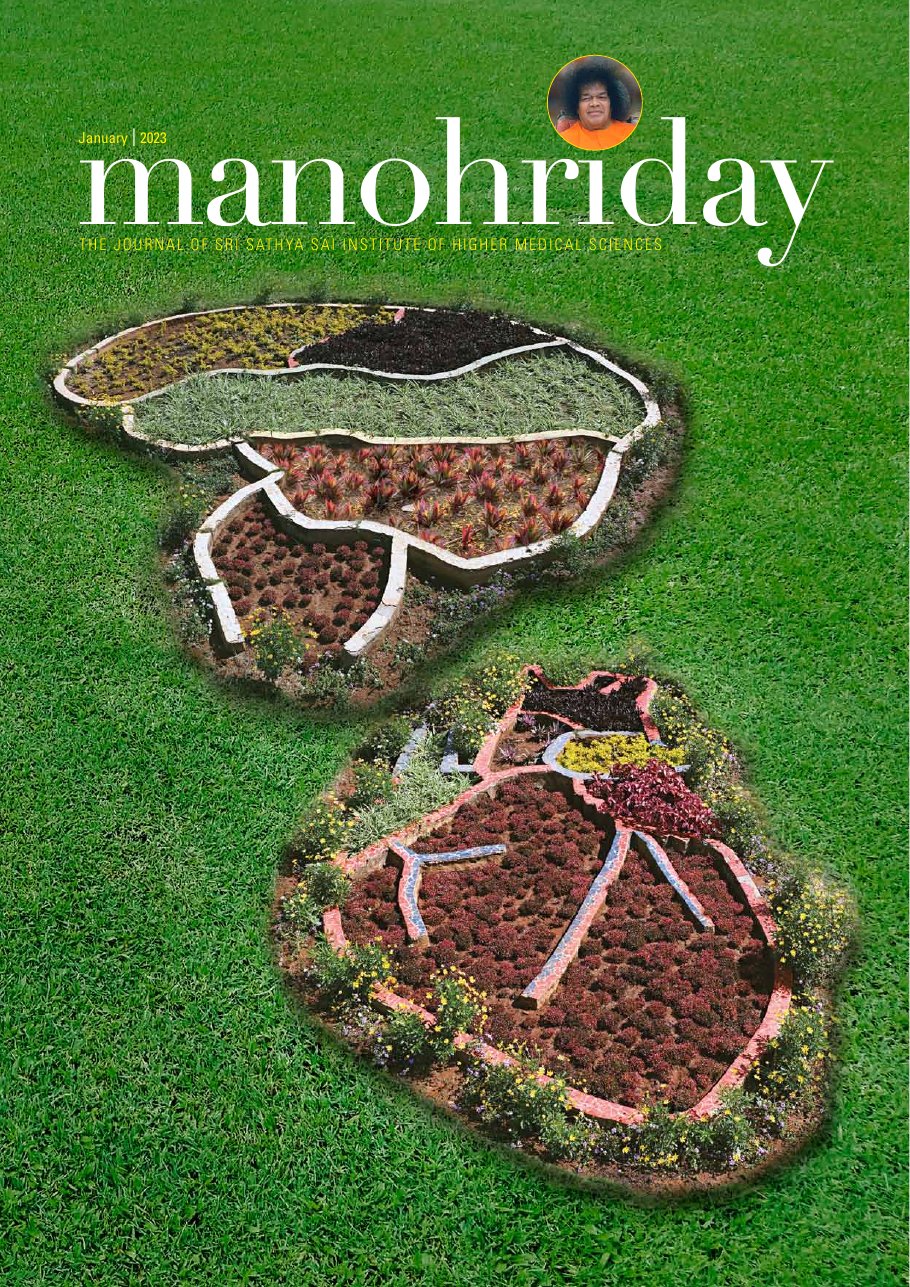
Front cover:
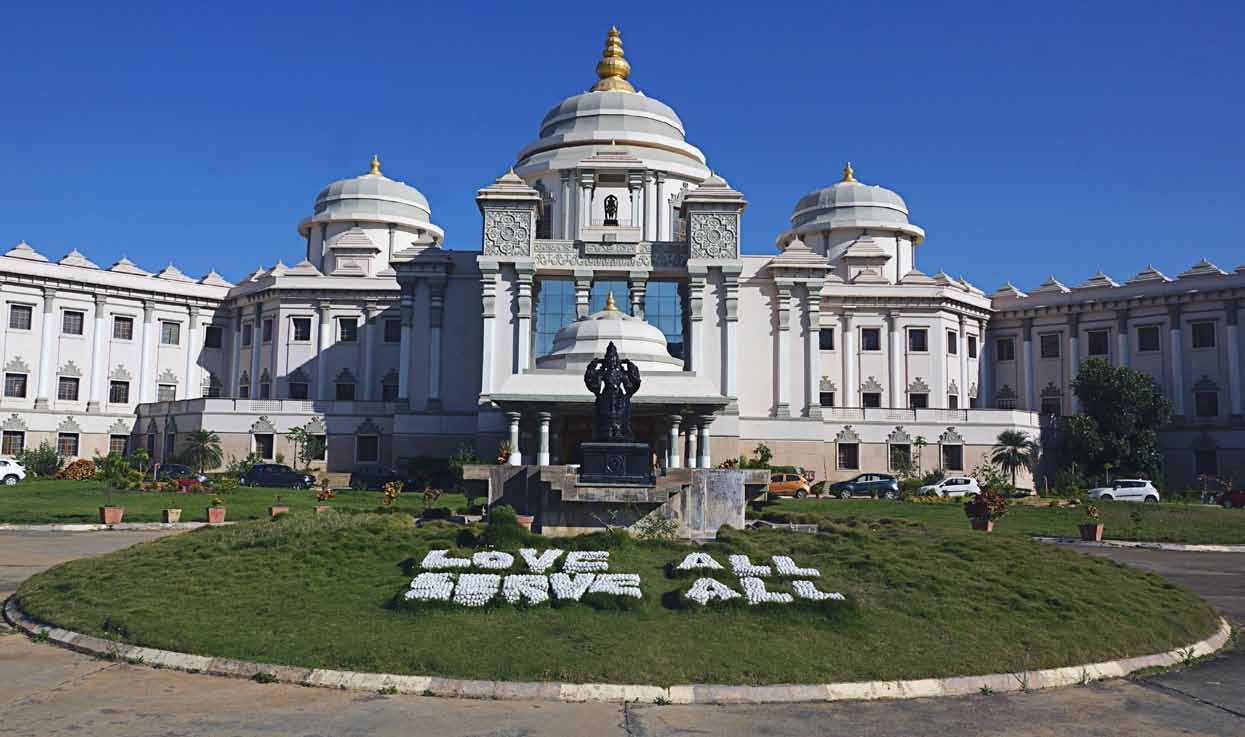
Gardens in the form of the brain and the heart in the front lawns of SSSIHMS.
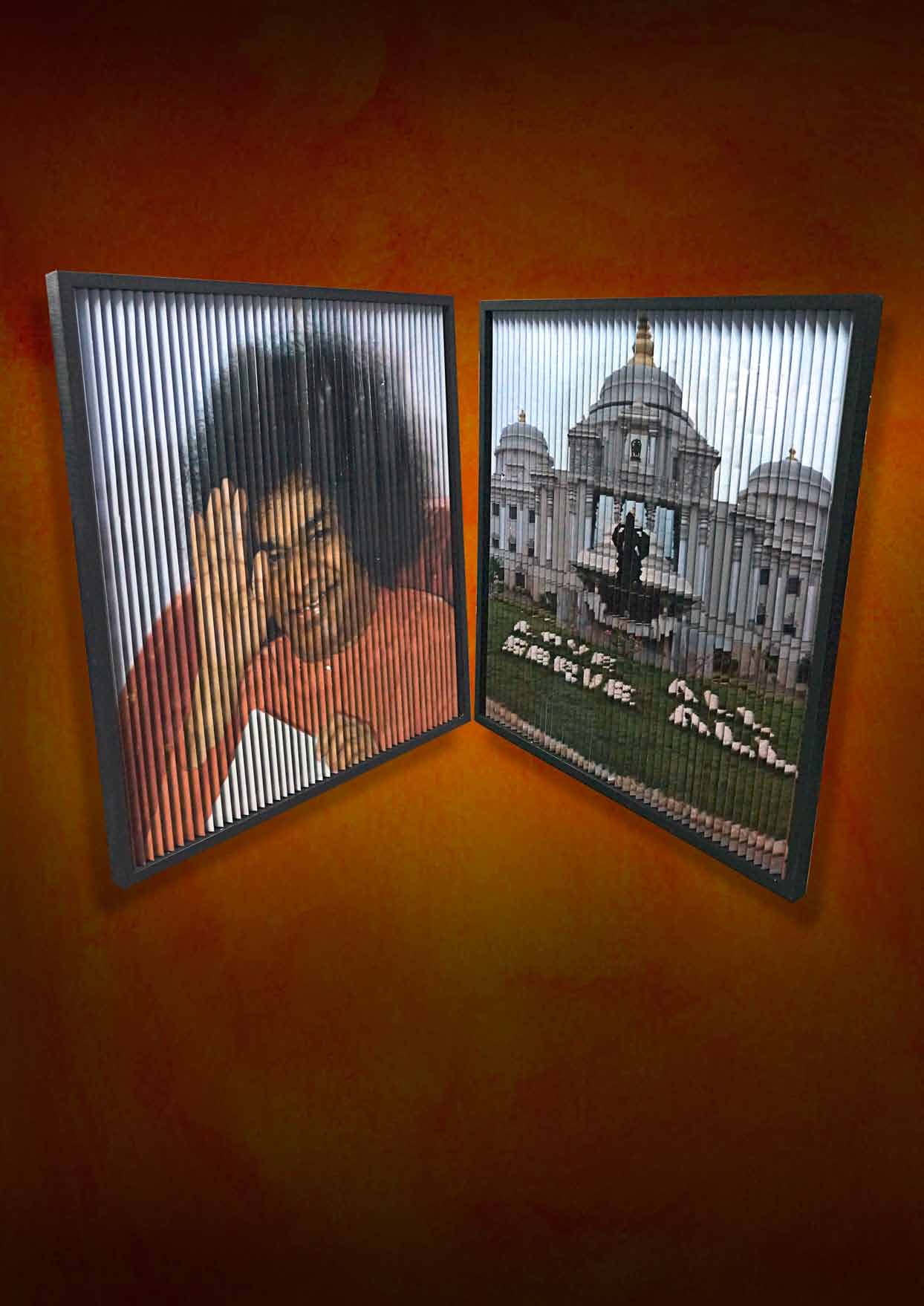
Back cover:
An agamograph by Vijay YVCS, an alumnus of Sri Sathya Sai Institute of
Higher Learning.

Manohriday · pages 4–5
Message from the Director
Dr. D.C. Sundaresh, Director, SSSIHMS, Whitefield, Bangalore
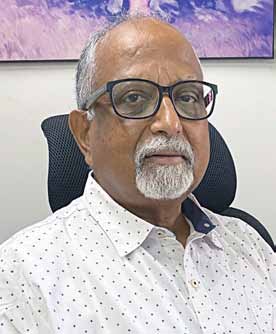
It is the immense grace of Bhagawan Sri Sathya Sai Baba that I have been given an opportunity to head this prestigious ‘Temple of Healing’ for a second term. The COVID pandemic certainly stressed out patients & the Institute for almost two years. Post-pandemic, the workload in the hospital has bounced back to more than the numbers of the pre-pandemic times. The cardiac surgery, cardiology, neurology, neurosurgery, the multi-speciality departments, physiotherapy, anaesthesiology, radiology , clinical laboratory / blood bank & all the other support departments worked hard to serve the large number of patients coming in for highly specialized treatments post pandemic.
The cardiac surgery department has a full complement of surgeons & have amongst them surgeons capable of handling paediatric cardiac surgeries. At least three paediatric cardiac surgeries happen on a daily basis.
The cardiology department is equipped with two state-of-art cath labs and performs an average of ten interventional procedures daily. These include angioplasties, stenting, intracardiac devices, pacemakers and so on.
The department of neurosurgery has had a steady workflow to treat varied intracranial tumours & vascular problems and spinal problems. A new initiative to treat acute stroke has been initiated & is gaining momentum.
The multi-speciality departments have served a large number of patients in the departments of general medicine, general surgery, paediatrics, obstetrics & gynaecology, ear, nose & throat, orthopaedics & ophthalmology. The number of doctors in these departments have also increased to facilitate the treatment of these patients. The obstetrics & gynaecology department has grown & there are at least sixty deliveries per month.
We have a strictly monitored infection control policy & a Patient Care Committee. The Infection control team recommended antibiotic policy is adhered to diligently & monitored regularly. This has led to the fact that our Institute’s infection control rates & mortality rates are far less than international benchmarks, despite the fact we deal with high-risk patients on either side of the age spectrum – paediatric to geriatric.
A special word of gratitude to all the staff who serve the patients coming to this Temple of Healing with immense faith in Swami and in the healthcare delivered here. The Sevadal volunteers, who come to serve in this hospital from various districts of Karnataka, need a special mention, to acknowledge their contribution during the pandemic & also subsequently.
The average annual number of surgeries performed is 7,200 and the number of outpatients seen is 1,70,000. The commercial annual value of these procedures is probably about Rs. 200 crore.
The large number of patients treated here generate data, which is a very useful tool for research. We have an active research activity in the hospital governed by a DCGI-approved Ethics Committee and we are collaborating with GE Healthcare on many high-clinical-impact research projects.
The outpatient care has been streamlined by the appointment system established by the alumni of Sri Sathya Sai Institute of Higher Learning, through a help desk. This has stopped the long queues outside the gate and patients are comfortable, protected from the elements of nature and the uncertain weather of Bangalore city.
Thanks to the Bangalore Metro Rail Corporation, travel to & from the hospital is going to be much easier from February 2023, with the starting of the Metro Rail. With Swami’s Grace, the Metro station opposite the Hospital has been named ‘Sathya Sai Hospital’ station.
The College of Nursing & Allied Health Sciences is in its 15th year of service. The students have done very well in academics and the experience they get in this Institute is unmatched. The demand for seats in the college is on the rise. The new building for the Nursing College is nearing completion and will be ready for inauguration soon. We express our gratitude to Sri Sathya Sai Central Trust for their constant support, be it in increasing the budget or in providing additional manpower, which enables us to serve more people.
We believe niceness is what we show others when we don’t stand to lose anything in the process, while love & kindness is what we show when we are ready to sacrifice something, be it time, energy or material possessions.
At SSSIHMS, we believe in and follow healthcare delivery with selfless love and compassion, in keeping up with Bhagawan’s ideals.
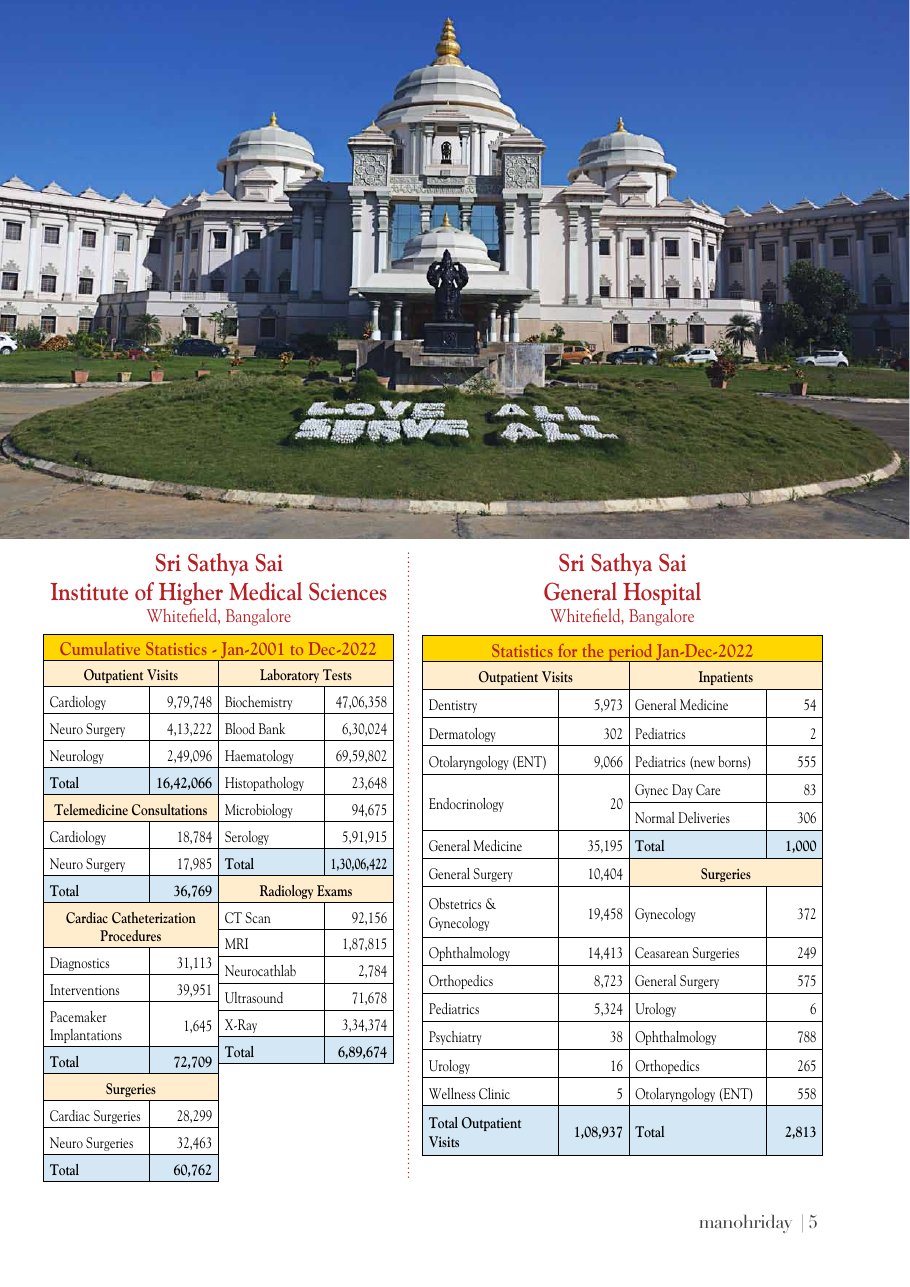
Otolaryngology (ENT) 9,066 Pediatrics (new borns) 555
Gynec Day Care 83 Microbiology 94,675 Serology 5,91,915
Total 1,30,06,422 Radiology Exams
CT Scan 92,156 MRI 1,87,815
Neurocathlab 2,784 Ultrasound 71,678
X-Ray 3,34,374 Total 6,89,674
Report · pages 6–7
Anniversary Celebrations
nd
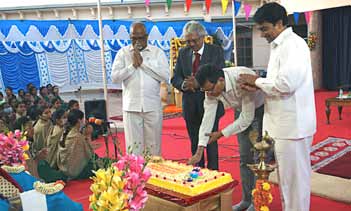
It was a bright and warm day on 19-Jan-2023 and SSSIHMS-Whitefield was resplendent with colourful buntings.
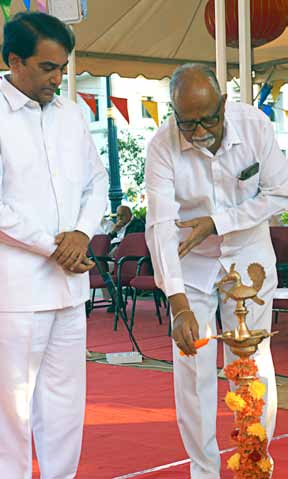
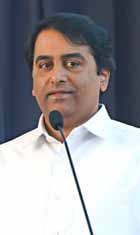
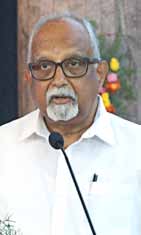
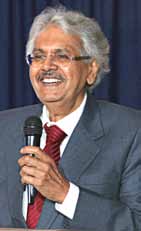
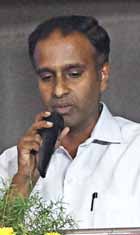
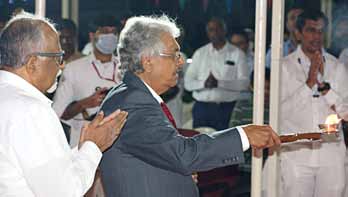
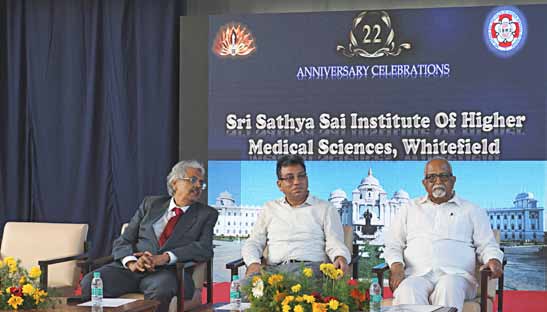
The Anniversary celebrations commenced at 5.30 pm with Sri V. Praveen as the master of ceremonies. Vedam chanting was followed by lighting the ceremonial lamp by Sri R.J. Ratnakar, Managing Trustee, Sri Sathya Sai Central Trust, and the Director, Dr. D.C. Sundaresh. Dr. Sumit Thakar, Sr. Consultant-Neurosurgery, delivered the welcome address. Sri R.J. Ratnakar proceeded to deliver his talk, wherein he highlighted that Swami’s Healthcare Mission is now over six decades old, and matches the age of one of the premier Institutions in the country viz. AIIMS. Whereas, AIIMS was set up in the capital of the country, it was Bhagawan’s compassion, he mentioned, which had Him set up the Sri Sathya Sai General Hospital over 66 years ago, in the remote village of Puttaparthi.
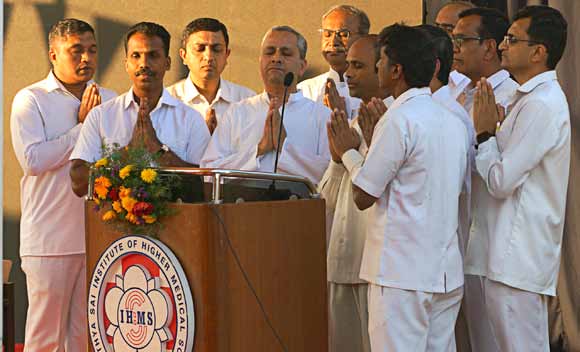
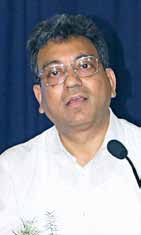
In his annual report, Dr. D.C. Sundaresh highlighted the hard work put in by all the staff during the pandemic, and applauded the selfless service offered by the Sevadal volunteers and from the patient Helpdesk.
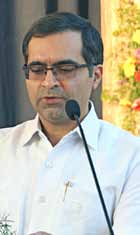
He highlighted the collaborative research being done using valuable clinical data and scans available at the Institute, which even premier institutions cannot claim to have. He congratulated the staff and students of the College of Nursing & Allied Health Sciences on being close to completing 15 years since the start of the program. The Chief Guest of the evening, Sri Tushar Giri Nath, IAS, Chief Commissioner, Bruhat Bengaluru Mahanagara Palike (BBMP), mentioned in his address that the statistics presented by the Director was proof of the dedication, devotion and selfless attitude of the staff in accomplishing the work of such a huge magnitude. He admitted being re-invigorated, coming to SSSIHMS to take part in the Anniversary celebrations. He mentioned that such is the nature of good work that if we keep giving selflessly, our ability to keep giving will continue to be strengthened.
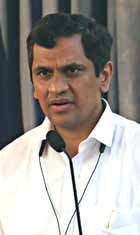
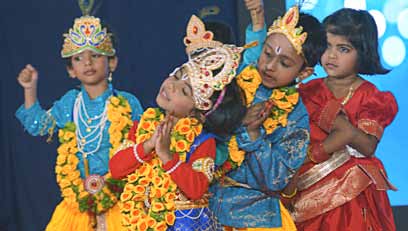
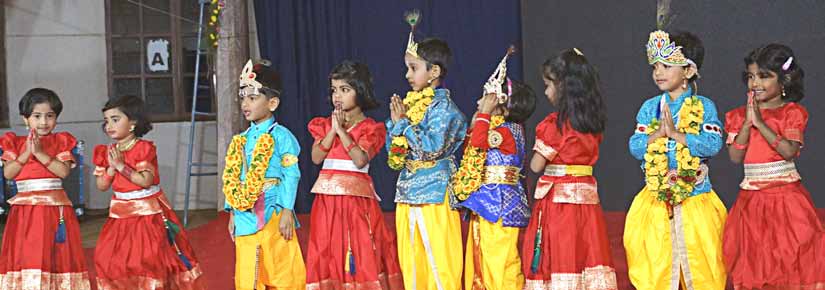
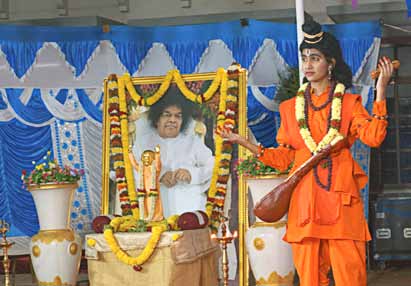
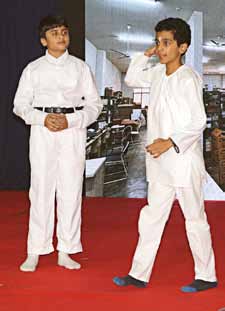
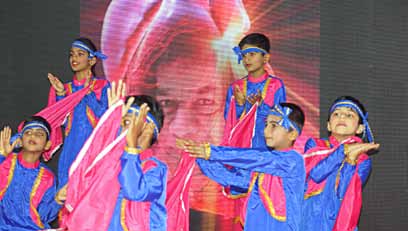
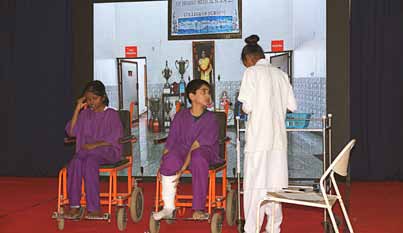
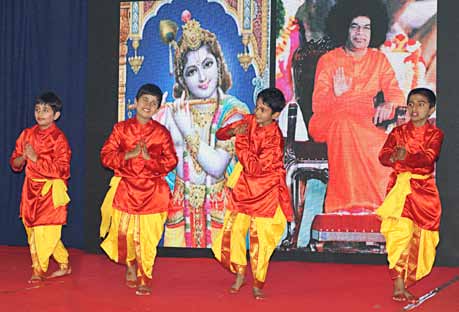
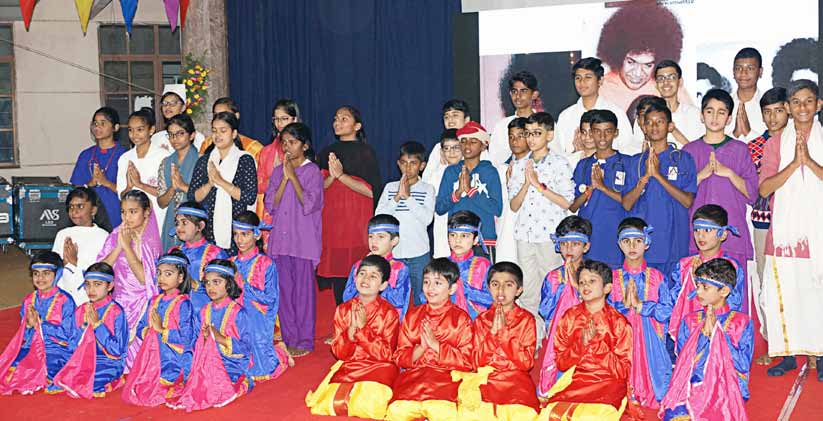
Following the talks, a cultural program titled “Sevamritam” (Sweetness of Service) was put up by the Bal Vikas children of the campus. Sri S.S. Naganand, Trustee, Sri Sathya Sai Central Trust, appreciated wholeheartedly the theme of the program and applauded the efforts of the children and the parents for having come up with such a relevant theme and executed it to perfection. He also distributed prizes to the gents winners for the sports and cultural events conducted for staff and children organized by the SSSIHMS-Whitefield Residents’ Welfare Association. Smt. S. Deepa, Controller-Finance & Accounts distributed prizes to the ladies. The program ended with the vote of thanks being delivered by Dr. C.S. Hiremath, HoD, CTVS and offering of arati to Bhagawan, followed by dinner.
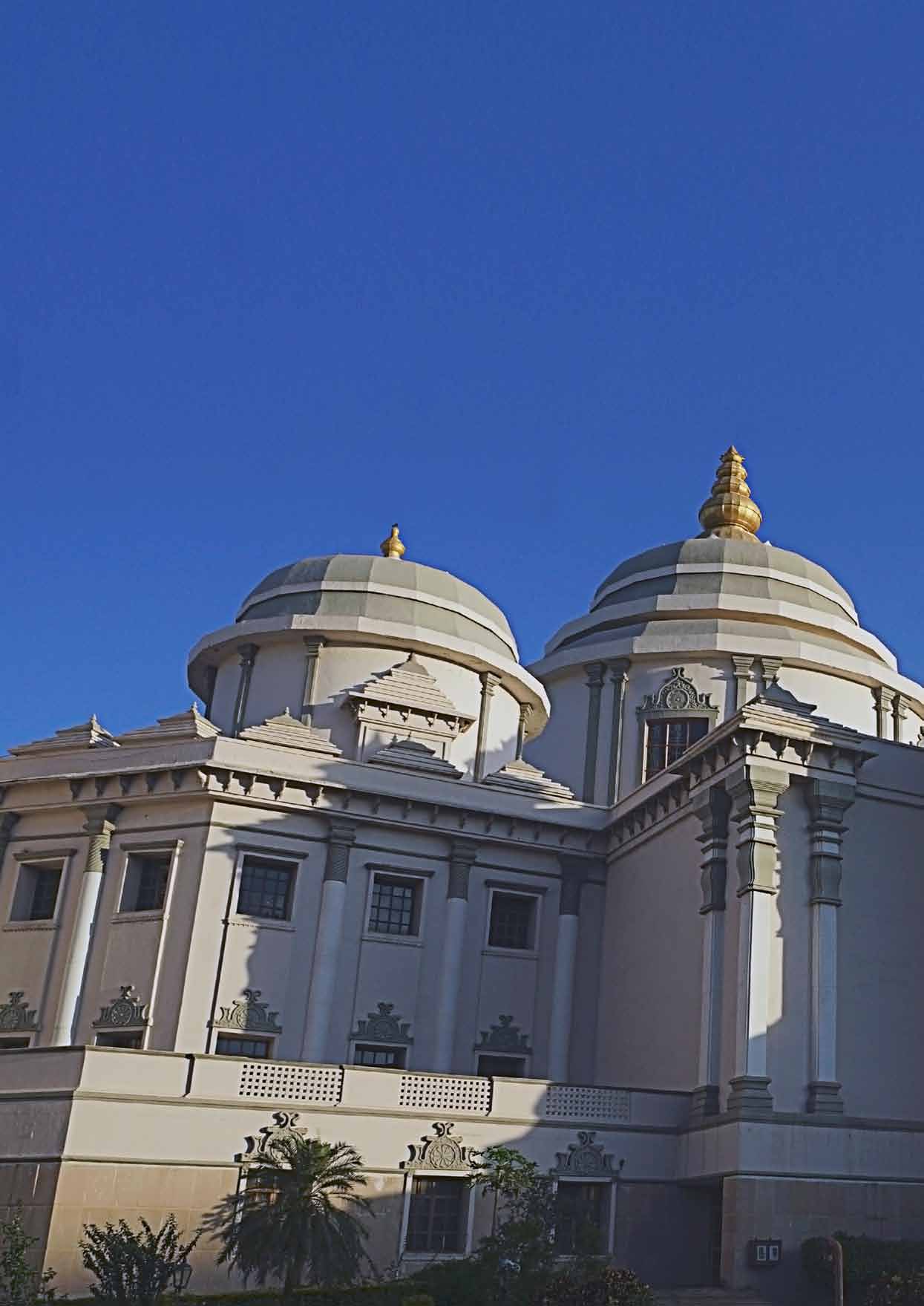
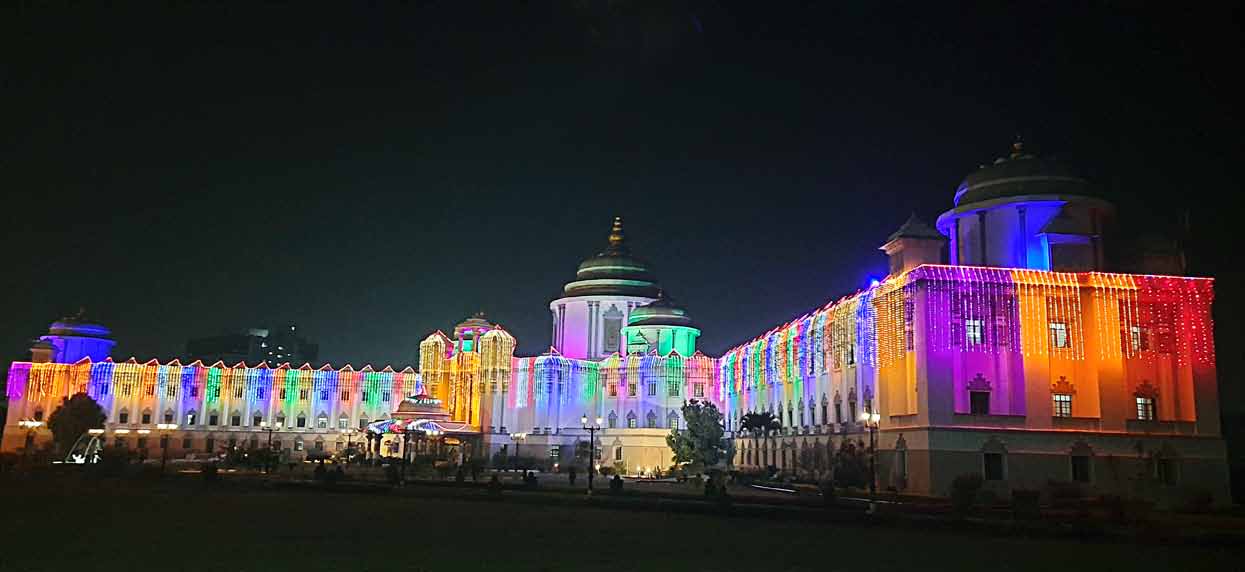
As the day drew to a close, multi-coloured string lights came to life, giving the Hospital frontage an ethereal look. The staff and visitors basked in the grandeur of the Temple of Healing.



In Conversation · pages 8–11
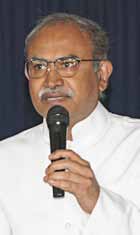
N. Viswanathan, IAS (Retd.)
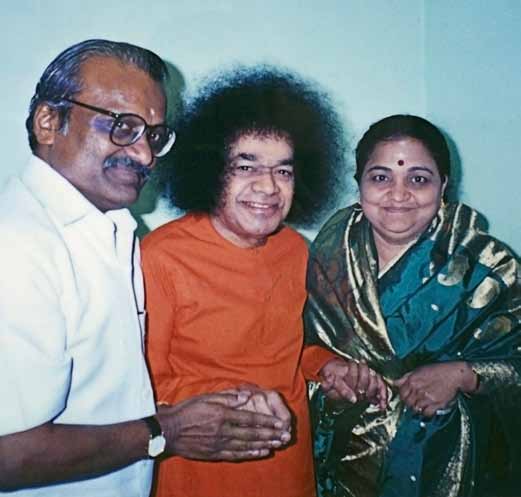
Sri N. Viswanathan IAS (Retd.) has had an illustrious career of thirty six years in the Karnataka cadre of the Indian Administrative Service. He hails from
Chinnalapatti in Tamil Nadu and joined the IAS, after his post graduation, in 1966. As a civil servant, he has held many highly responsible positions including the Managing Director of KSRTC and Principal Secretary to the Chief Minister. In his capacity as the Principal Secretary, he authored the Information Technology Industrial Promotion Policy in 1997, which revolutionised the growth of the IT sector of the whole country and made Bangalore the Silicon Valley of the East.
Apart from being an astute, honest, and competent administrator, he has been an ardent devotee of Bhagawan from the 1980’s. He has had the unique honour and privilege of being closely associated with SSSIHMS Whitefield Hospital Project. In his interaction with Mano Hriday, Sri Viswanathan shares his experiences pertaining to the setting up of SSSIHMS Whitefield.
Mano Hriday (MH): Sai Ram Sir. It is an honour to have you with us today. For the benefit of the readers, could you please share how you came to Swami?
N. Viswanathan (NV): While I had heard about Baba in the ‘70s, the time came for me to meet Him only in 1984. A close friend of mine had persuaded me to meet Swami in Trayee Brindavan. In fact, in 1970 itself, when I was posted as the Deputy Commissioner in Bellary, my wife had been asking me to take her to Parthi for Darshan, but I could not take her then.
We were blessed with an interview during our very first darshan, and Swami materialised His Divine Vibuthi and gave it to us. While I was experiencing feelings of reverence and fear towards Him, He was very friendly and compassionate and put me at ease, asking questions about myself, family and work. Thus began a two and a half decades of torrential flow of love, affection, care, grace, kindness and blessings from Him to the entire family.
MH: I am sure you would have had more interviews during this period. Could you share a few instances where Swami used to guide you or the family?
NV: We were blessed with many interviews through the years and with direct and personal blessings. Instead of taking up Computer Sciences, Swami advised my son to specialise in Re-engineering in his postgraduate studies and specifically guided him to apply to a University in the UK and not USA. He has also conducted the wedding of our daughter and even christened the granddaughter.
On the work front, Swami had predicted certain challenges I would face as the Managing Director of KSRTC and also during the inter state dispute over the waters of River Cauvery. I would like to highlight how during the National Games in 1997-98, which was being hosted by Karnataka, we were struggling to complete the construction of the sports infrastructure. One fine day, Swami blessed us with a quiet, unannounced visit to the Kanteerava Stadium, under the guise of His desire to see the special lighting we had put up there. There was an international cricket match happening in the nearby Chinnaswamy Stadium. He motored down to the Kanteerava Stadium and set His lotus feet on the main athletic track. He appreciated the stadium and declared that He would build one such stadium in Puttaparthi with a seating capacity of more than one lakh. Thanks to His grace, the pace of construction improved considerably and the National Games were conducted smoothly and within schedule.
MH: Could you please share about your involvement with the SSSIHMS Whitefield Project?
NV: It was in 1999 that I received a call from one of the Trustees of the Sri Sathya Sai Central Trust, stating Baba was keen on starting a super speciality hospital in Bangalore to benefit the patients from Karnataka. Though initially the plan was to look for a space near the Brindavan ashram, the railway level crossing was likely to pose an inconvenience for the patients, doctors and staff to approach it.
I was the Principal Secretary, Commerce & Industries Department at the time, and I immediately let him know that there is an Export Promotion Industrial Park (EPIP) which has been developed by the Karnataka Industrial Areas Development Board (KIADB). This area was well before the railway level crossing and seemed appropriate for establishing the Hospital.
There were three vacant plots of more than 20 acres each, still available for allotment. When Swami was informed of these plots, He informed He would like to personally see the plots Himself.
Next day, Swami blessed me with the opportunity to travel in His car and I started explaining the concept of EPIP and the type of industries we were expecting to come up there. Swami was very appreciative of the efforts to attract multinational companies at such a high scale.
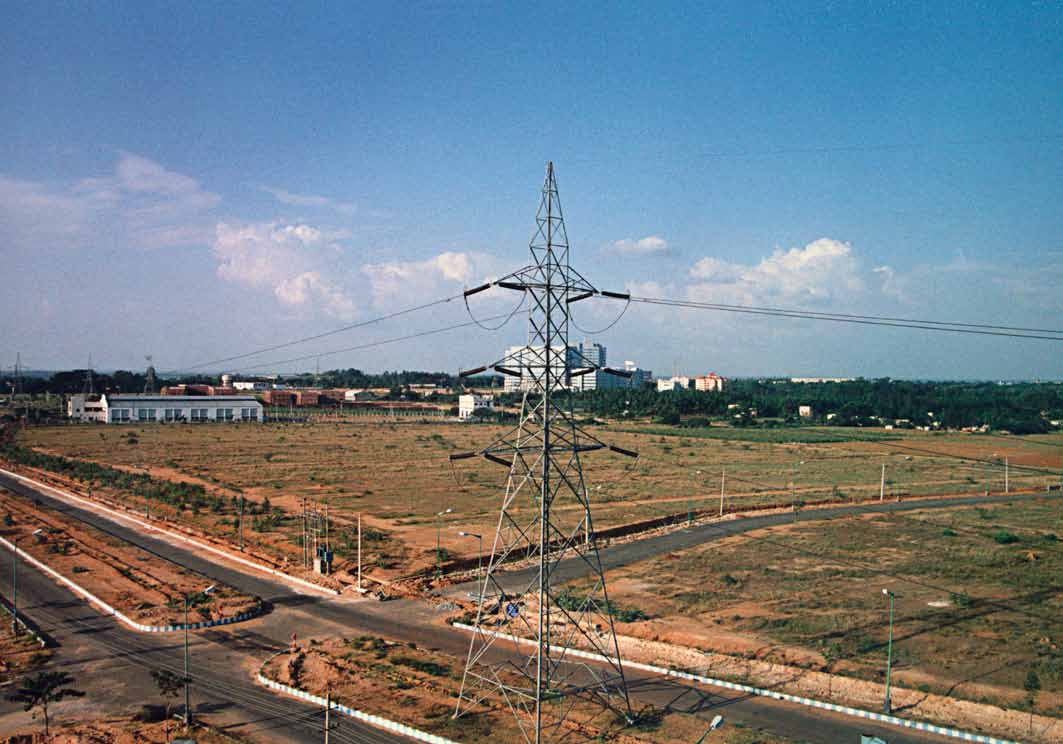
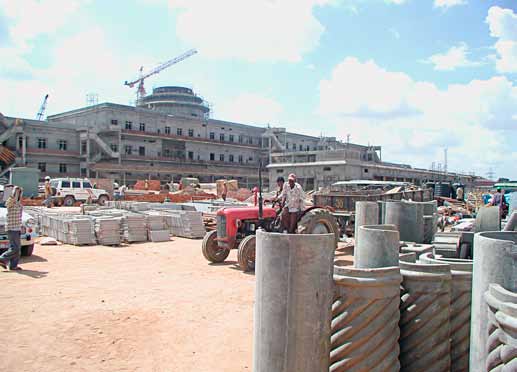
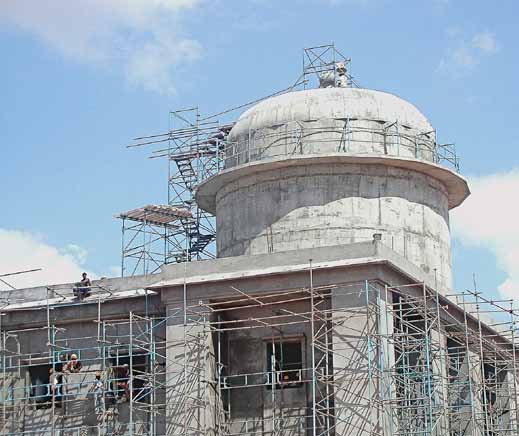
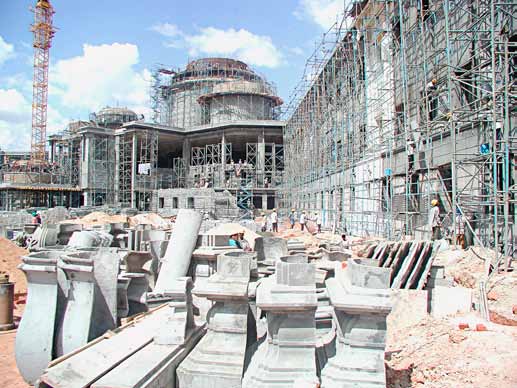
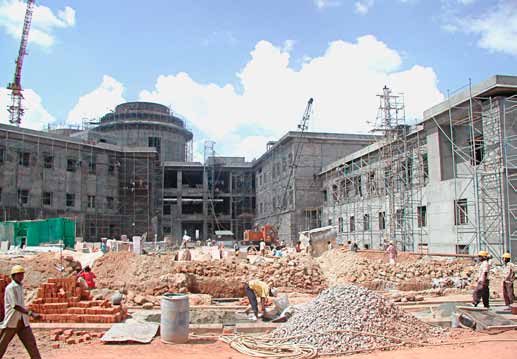
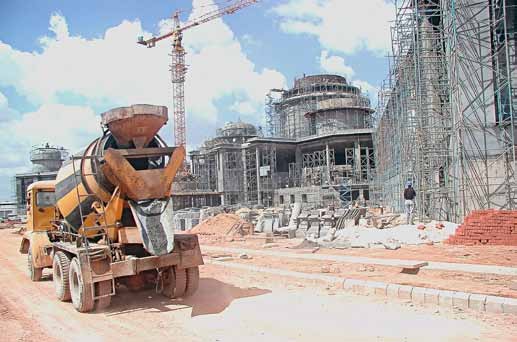
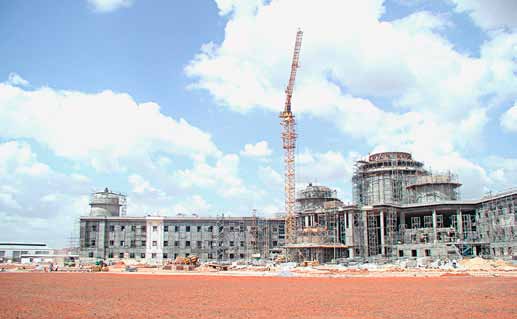
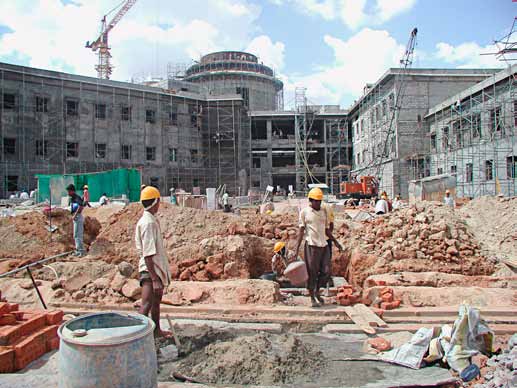
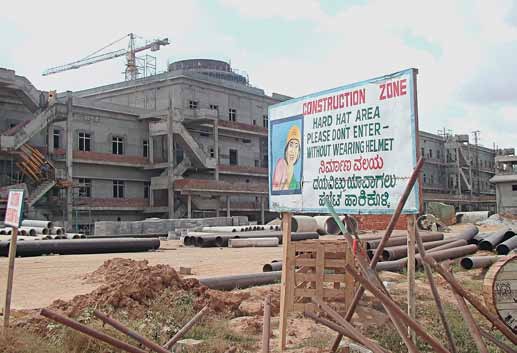
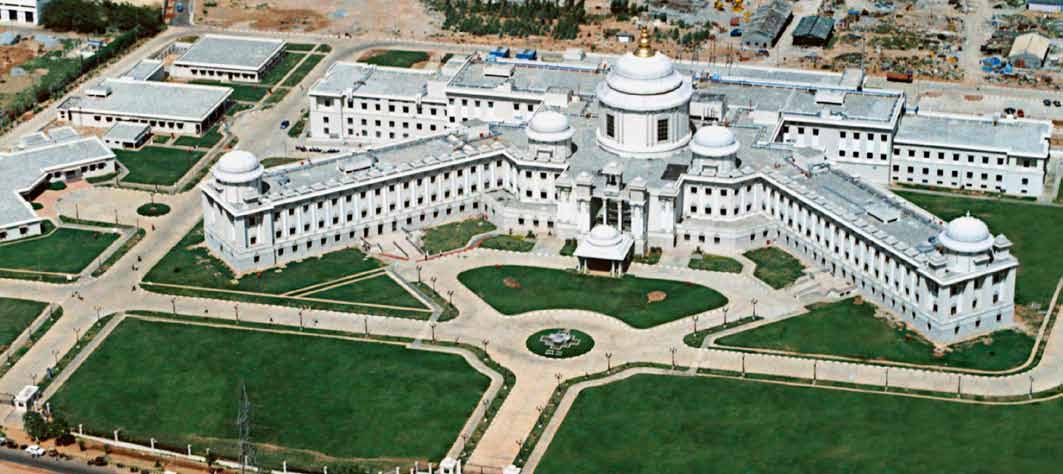
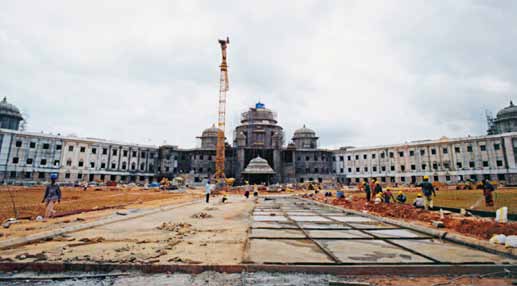
Plot of land chosen by Swami for setting up of SSSIHMS-Whitefield After showing the three plots of land, Swami went back to Brindavan and sent word later that evening that He would prefer to set up the hospital in the fifty acre plot.
MH: Did He mention any reasons why He chose this plot?
NV: While Swami knows everything of the past, present and future, He did mention at the time that we should have some foresight in these matters and hinted there may come a medical college in the future, adjacent to the Hospital itself, requiring a large area.
MH: What happened next? How difficult was getting the land allotted for this project?
NV: The next step was for me to brief the then Chief Minister, J.H. Patel. When I explained to him about the background of the proposal of setting up of a free hospital, he immediately responded that it was a wonderful proposal and should be discussed with the other ministers as well. He then called the ministers and instructed me to brief the ministers. I then narrated about Swami’s visit to the area, indication about the land needed and the willingness of the Trust to pay a nominal price for the land for setting up the hospital.
The senior-most minister there represented to the Chief Minister that since the hospital would be a boon for thousands of poor patients, he said the land should be given free to the Trust for this purpose.
I was stunned because, as an impersonal bureaucrat, I could not and should not suggest to the Government that the land should be given free of cost.
Everyone agreed with the idea and advised the Chief Minister to take the decision right away to provide the land to the Sri Sathya Sai Central Trust free of cost.
I would say it was completely Swami’s leela that the land was allotted to the Trust for this noble project. As Swami says, when one has a noble idea, the whole world would come together to help with its fruition.
MH: We understand that the CM had personally come to Brindavan and Puttaparthi to hand over the documents pertaining to the project. Could you please narrate what happened there?
NV: After a few days after the decision was taken, arrangements were made for the CM to go Brindavan to make the offer of land to Swami. Along with him, close to a dozen Ministers and senior officers accompanied him.
On the auspicious morning, we were ushered into the interview room of Swami in Trayee and after giving everyone padnamaskar, Swami proceeded to turn into the perfect host and arranged for His students to serve the specially prepared breakfast to the entire contingent.
After breakfast, the Chief Minister explained to Him the purpose of his visit and once he shared about the State’s offer of His chosen land free of cost for the purpose of setting up of the Hospital, Swami was visibly extraordinarily pleased and showed such excitement as a child would show on seeing a new toy! He spoke of His universally known mission of providing safe and perennial drinking water, education and medical services to the millions of underprivileged people.
Soon thereafter, once the Government Order was ready, I offered to the CM that I would carry it and hand it over to Swami. But the CM wanted to give it to Him personally, and so we made another trip to Puttaparthi. Once there, Swami issued instructions that the CM should be taken around the Puttaparthi Super speciality Hospital, be served lunch there and escorted to His interview room.
Inside the interview room, the CM said, “Swami, I have brought the Government Order for the land being given for the hospital and I would like to give it to you”, and proceeded to get up from his chair to submit it. At that moment an extraordinary and unbelievable thing happened. Swami told the CM, “No, you should not get up. I should get up and receive the gift from the State Government” and actually got up from His seat!
MH: What a divine gesture and lesson in humility! What was the CM’s response?
NV: The CM did not know how to respond and fell at Swami’s feet crying. That single gesture of utter humility and gratitude established beyond any doubt that Swami was the only Divinity, creator, protector and preferred Guru for all humanity!
MH: You have had a ringside view of the Divine leela that ensued from the time you received the call from the Trust member citing Swami’s intention to set up the hospital till the time the hospital was inaugurated by the Prime Minister in Jan, 2001. What stands out as most unique in Swami’s social service projects, and the pace with which they are conducted?
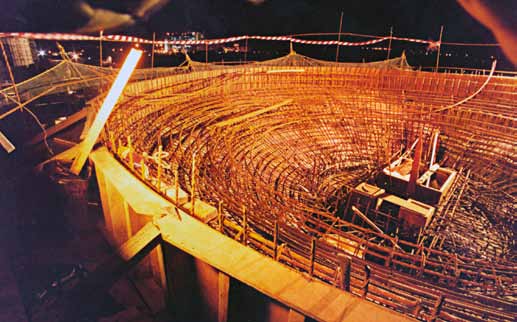
NV: Swami was used to observing humorously that even for a human child to be born it takes only ten months and therefore any construction project should not take more than 10 months to complete! The Hospital was also completed accordingly. The secret was that He used to plan the project in minutest detail and then only start its execution! He was also very particular in using the highest quality materials and adopting the state-of-the-art construction technology. He had also ordered that all the Hospital equipment should be of the best quality and the latest in the world. It was no wonder that the Hospital was declared one of the best in the world, within four or five years of its inauguration.
MH: We understand that after your retirement in June
2002, you were appointed as a member of the Management Committee of the hospital. Could you share any experiences from this time period?
NV: Swami Himself chaired the first two meetings of the Committee, which took enlightened decisions on all management issues, particularly on the work environment to be provided to the doctors, nurses, paramedical staff and all others employed therein and also the salaries to be paid to the full time employees, ensuring thereby that they all work in the Hospital for life!
MH: What is your message for the staff of SSSIHMS Whitefield and readers of Mano Hriday on the 22nd anniversary of SSSIHMS Whitefield?
NV: Bhagawan had, in His first interview itself, advised me that I should work in the Government on the sacred maxim, “Work is Worship”. Can there be any better or more profound Message?
Patient Story · page 12
Brave Heart
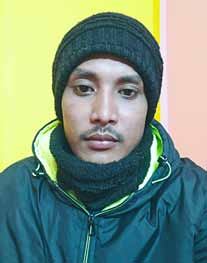
Hillol Roy, a 27-year-old male patient, hailing from West Bengal, came to our hospital with complaints of breathing difficulty on exertion. On evaluation by our cardiology team, he was found to have a hole in the heart. He underwent surgical closure of the defect, had an uneventful hospital stay and was discharged.
During his first month review, Hillol said he had been having high grade fever for the last 15 days. Echocardiography showed he had developed infection of the heart valves, a dreaded complication following surgery. Blood culture report had more bad news, the bacteria causing the infection was a multi-drug resistant strain and difficult to treat. He would now require 6 weeks of multiple antibiotics with a second surgery to repair the damaged valves and eradicate the infection. Such a circumstance in the course of the patient’s treatment is both physically and mentally challenging. It requires substantial resilience, will power and a positive attitude to sustain the rigorous prolonged duration of treatment.
Antibiotic treatment was initiated and it took a couple days for the fever to come down. The initial 3 weeks of therapy tested his mental forte, with periods of low mood and frustration bringing his morale down. The love, care and positive reinforcement provided by the Sai counselling team certainly helped in keeping his spirits high and pull him through the difficult phase of treatment.
The blood culture eventually became negative, however, the echocardiography continued to show presence on the infective mass on the heart valve and the damage caused by it was making the valve leak. Hillol and his father were explained about the risk the second surgery would entail, the difficulties we may face, the possible need to change the damaged valve with an artificial one, anticipated difficult postoperative period in view of the deadly infection and small but real chance of death. With a brave smile on his face, he nodded and agreed to the surgery.
The next day, during the procedure, the intra-operative damage to the heart tissue was more than expected. One valve was completely destroyed by the infection and another valve had also developed a perforation making it leak. All the infective tissue was removed, the extensively damaged valve was replaced with an artificial one and the other was repaired. The surgery was a success, however, the next 12 hours were critical and we were extremely vigilant to detect the earliest signs of the infection spreading. In the hands of the divine grace, his recovery was better than expected and was shifted to ward to complete the remaining 2 weeks of antibiotics.
Every day during morning rounds, we could see him improving and he would always ask, when we would be sending him home. Finally, after completing 6 weeks of antibiotics and a difficult second surgery, it was the day of discharge. All investigation were looking good and there were no more signs of infection. Just when we entered his cubicle to tell him the good news, we saw Hillol was in lot of discomfort and complained about severe pain in his buttock. On examination he was found to have a swelling in the same region, which was painful to touch. On evaluation we found a small artery had partially ruptured in the gluteal region, causing blood to collect, which in turn led to pain and swelling. This is another rare complication which occurs as a result of a small fragment of the infective tissue on heart valves breaking away and getting stuck in one of the small arterial branches, leading to its rupture.
Although not a very serious problem, it was a tricky condition to manage and would require another week of hospital stay with more antibiotics. This was heart breaking news for the patient and family, however, they understood that there was a problem and that it needed to be fixed. Our cardiology team were able to close the leakage from the artery using a small coil passed from the groin in the cath lab. The procedure was uneventful and in a few days the swelling and pain had both disappeared.
Having stayed with us for more than 2 months, Hillol had also become a part of our hospital family. He had very bravely endured two surgeries, one interventional procedure and multiple weeks on antibiotics in the last few months. After many nervous moments encountered during the course of his treatment, it was very extremely satisfying to see fully recovered, smiling patient all set to go home.
Dr. Vivek Bagaria
Junior Consultant CTVS
Patient Story · page 13
Doubly Blessed
I am extremely grateful to SSSIHMS-Whitefield for the treatment provided to both my father and uncle.
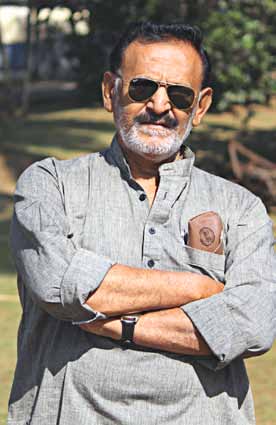
My father was a PWD contractor, currently 67 years old. He had his first heart attack in 2000 at age 47. In 2002, he had a repeat heart attack, after which he gave up smoking and took up some lifestyle changes.
Currently residing in Shimoga, he manages a paying guest accommodation facility and the rent is his source of income.
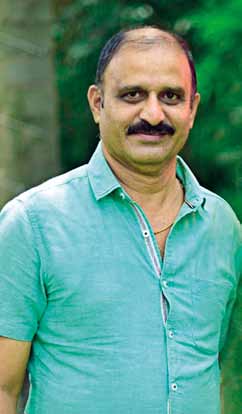
In 2015, he had chest pains and was taken to a local hospital, where they conducted an angiogram and found severe blocks in both blood vessels supplying blood to the heart. A stent was implanted in one of the blood vessels and we thought that was the end of it.
We were in for a shock when in 2021 he suffered a major cardiac arrest in front of the doctors at Shimoga and they carried out CPR and revived him. His kidney function also deteriorated and he was on dialysis, after which his condition thankfully improved.
It was after this that we started visiting a private hospital in Bangalore for regular follow up. During one of the visits, the doctors dropped a bombshell on the family after examining him and declared his heart is very weak and requires support in the form of a CRT-D, which costs close to Rs. 10 lakh. This was beyond our means.
It came as a shock to the entire family that my father requires such a high end device, which is beyond our means. Since I work in a university in Bangalore, which has hospitals attached to it, I asked if they could accommodate my father. After a lot of deliberation they said they could reduce it to Rs.10 lakh, which was still out of my reach.
It was at this time that some of my colleagues told me about Sathya Sai Hospital. It was our last hope and we approached the hospital for a consultation. The Cardiologists Drs. Reeta and Prayaag examined my father and concluded that his heart was pumping at only 25% of its capacity and confirmed he needs a CRT-D. Further, they informed us that the procedure could be done at SSSIHMS-Whitefield.
Our joy knew no bounds when I heard this news. Of course, while I saw there was no billing counter, I had my own concerns about how good the treatment would be, considering it was being given free.
All our concerns vanished into thin air, when we got admitted to the hospital. Truly, it was a divine experience for our entire family. The doctors were humble and at the same time very dynamic; the nurses were very caring and the whole environment was suffused with positivity.
I want to make a special mention about the Counselling department, which I have not come across in any other hospital. The counsellors spoke to me and my father and helped create a positive mindset and reduce the stress we were feeling about the procedure.
The procedure went off very well and the device was implanted successfully and now my father is hale and hearty. After so many years of suffering from a heart ailment, for the first time, we see he has put on some weight and looks a lot healthier.
A couple of months after my father got discharged, I got to know my uncle (mother’s brother) residing in Hassan had a heart attack and he underwent an angioplasty in a local hospital. He was prescribed two months’ bed rest.
While my father was due to visit SSSIHMS for a consultation, he called my uncle and suggested he accompany him to show his reports. The very doctors, who gave a second lease of life to my father, diligently examined my uncle as well and said that in his case, he needs to undergo a bypass surgery for another blood vessel, where a stent cannot be implanted. Surgery seemed the only option, and it had risks as well.
Given our experience with my father, we did not even seek a second opinion elsewhere. With full trust in the team at SSSIHMS, and with new-found faith in Baba, we surrendered to Him. The surgery was successful and now he is doing fine as well. We could not help thinking how Baba had called my uncle to the hospital to save his life.
My aunt was so overjoyed with her stay at the hospital and the treatment that she wants to join the Sevadals and come for regular Seva at the hospital.
We consider it our extreme good fortune that two of our family members could benefit from the treatment at SSSIHMS-Whitefield. Our deepest gratitude to Bhagawan Baba, the Director of SSSIHMS-Whitefield, Dr. Sundaresh and the whole team of doctors and nurses and all other staff, who are doing a yeoman service to mankind by offering such high-end medical care totally free of cost with love and caring.
As told by Dakshath, S/o Prasad Jembige & nephew of Rathan Kumar to Mano Hriday
Prasad Jembige
Rathan Kumar
Patient Story · page 14
The Weaving of a Miracle
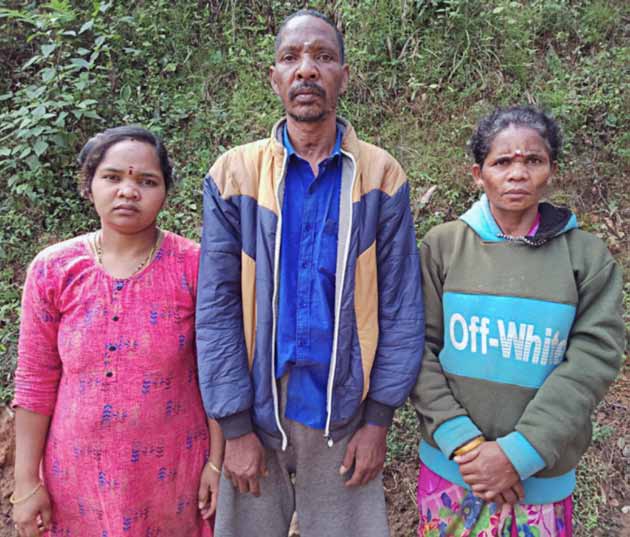
Bheembabu, a small-town auto driver lived with his wife and daughter on the out skirts of Visakhapatnam. With meagre income and a family to feed, he often skipped meals and worked full day driving the auto around town. His health began to decline, and his frail body showed signs of distress. Ignoring it all, he continued as usual. His wife began to worry about his declining health. She coaxed him to show to a nearby clinic. It was then that divine intervention began.
The Sai Samithi of the small town stepped up and encouraged him to go to the Puttaparthi Sri Sathya Sai General Hospital for a full checkup. When Bheembabu reached the hospital, he realized his 50-year-old body had succumbed to the torture it was put through. He was referred to the Sri Sathya Sai Super Speciality Hospital, Puttaparthi. As if the events had been orchestrated by the divine, it was here that on 15-Jul-22, he suffered a subarachnoid haemorrhage (SAH) viz. bleeding inside the brain. He was where the right course of action would follow, not in the small town all alone by himself.
Within a matter of hours, he was brought in to the Emergency department of Sri Sathya Sai Institute of Higher Medical Sciences, Whitefield.
He was lying with no eye, motor, or verbal response. Completely unconscious. Upon evaluation, his brain was found to have had a ruptured aneurysm (ballooning of the vessel wall), causing bleeding inside the brain. With the extremely precarious condition he was in, the team of neuro surgeons at SSSIHMS, Whitefield immediately took him up for surgery. A craniotomy was performed, where the bone flap was temporarily removed and the aneurysm clipped. Following surgery, he began to show signs of improvement. Eye and limb movements were noticed on the first day after surgery. That was a relief!
But Bheembabu still had a lot going on for him. His brain was starved of blood. He developed cerebral vasospasm (a condition in which blood vessels get constricted and blood flow to the brain is reduced). Doctors made multiple efforts to treat the vasospasm by endovascular interventions such as intra-arterial nimodipine injection (a drug, which dilates cerebral blood vessels and increases blood flow to the brain). Due to his fluctuating sensorium and need for long term mechanical ventilation, tracheostomy was performed.
After two weeks of continuous monitoring, he was shifted to the ward. In the days that followed, he developed blockage in cerebrospinal fluid (CSF) circulation which manifests as hydrocephalus requiring CSF diversion (ventriculoperitoneal shunt). To the doctor’s delight however, within weeks, he was breathing on his own and the tracheostomy decannulated. He was on the road to recovery, slowly and steadily.
With the conditions he had presented himself to the neuro surgeons at Whitefield hospital, he had the privilege of the weaving, for all present there, a divine miracle. He was present at the right place, with the right people at the right time for the right treatment that was required. He was not just a witness of, but also the miracle itself!
On his discharge 45 days later, on 31-Aug-22, he showed satisfactory response, and his motor movements were spontaneous. Given the delicate situation he was in, it was nothing short of a medical marvel.
He left the hospital walking on his own two feet - a walking miracle.
He recently visited the hospital for a regular checkup and his wife’s gratitude to the doctors knew no bounds. She softly let out a tear of joy and the clasped hands and a simple smile said it all.
Patient · page 15
Testimonials
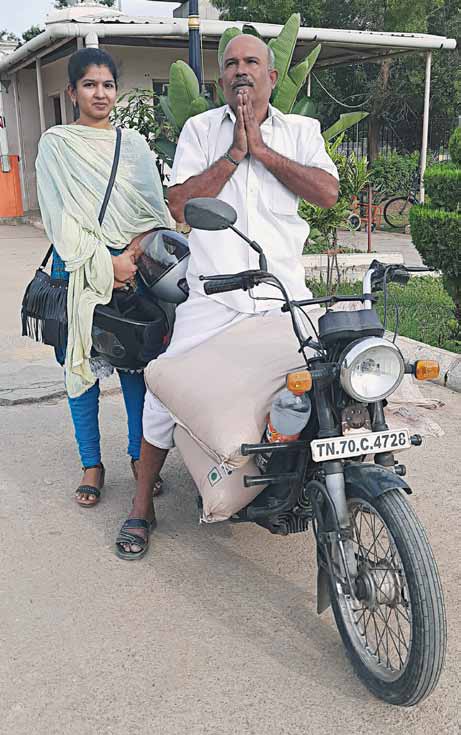
It was a Sunday morning, when an elderly gentleman dressed in white shirt and dhoti, requested permission to enter the hospital main gate. His daughter was riding pillion and he had two 25 kg sacks of sugar loaded in front of his moped.
Prakash Kumar’s wife, Manjula, was treated at our Institute last year, and in a gesture of gratitude, he wanted to donate sugar for use in the hospital dietary kitchen. And he chose to drive all the way from Hosur on a moped carrying two sacks of sugar!
His daughter, Ashwini Prakash, is an Asst. Professor, pursuing her Ph.D and here is her testimonial about her mother’s treatment:
“My mother, Manjula Prakash Kumar received treatment in the Cardiology Department of SSSIHMS, Whitefield.
I personally do not know how to wrap the entire experience from November, 2021 till date. We can summarize it by saying that we weren’t wealthy, but we were rich, with Sai Ram’s Blessings. It was when my father was surfing YouTube when he came across the ‘Sri Sathya Sai Official’ channel, through which we came to know the existence of this hospital.
With Sai Ram’s Grace today my family is really doing great.”
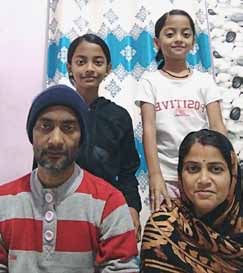
Patient Stories · page 16
Sri Sathya Sai General Hospital
Mohammed Sabir was a carpenter working in Bangalore. He hails from Howrah, West Bengal and is married with two baby daughters. Due to poverty and unable to find a decent paying job in his home town, Sabir moved to Bangalore and started working and supporting his family with 3 children from here.
His wife Rubiya Begum had a problem with a swelling in her neck, and she has been living with it for over eight years. Whenever he was in West Bengal, he took her to the local hospitals in their hometown, but none of the doctors could diagnose what the problem was and they were very frustrated, making multiple trips to the hospitals.
Crestfallen, Sabir returned to Bangalore. It was here that he heard from someone about the Sathya Sai Hospital. A ray of hope shone through and he brought her to the hospital.
She was examined in the ENT Department by Dr. Reema Shetty, who recalls, “Rubiya came to us with a huge neck swelling, which needed surgical removal. During investigations, we found her to be hyperthyroid, which is a contraindication for surgery. We started her on medications for controlling the same. It took her three and a half years of medication to become Euthyroid (with normal thyroid functioning). After her thyroid levels came within normal range, we took her up for surgery in March, 2022. Dr. Ravi Manoharan, visiting consultant, operated on her, while I assisted.
“As regards her surgery for the swelling in the neck, it was a high risk surgery, which was explained to her and her husband. The surgery was uneventful and after extubation, we noticed a primary haemorrhage which was diagnosed by an increase in the volume of drainage. She was reintubated and bleeding controlled. She was again extubated and found to have reduced air entry on the right side. With the help of a CTVS surgeon an ICD drain was placed, which was removed after 3 days. Rubiya was discharged in stable condition,” Dr. Reema said.
Shedding tears of gratitude, Mohammed Sabir says, “I have never seen God, but He / She must be like the doctors at the Sathya Sai Hospital. I am forever indebted to the care my wife has received at the hospital.”
Shiva Kumar is a 37 year bar bender working in the construction industry in Whitefield, Bangalore. He was married to Jalajakshi over fifteen years ago and they have three daughters. He used to frequent the Sri Sathya Sai General Hospital, when it was located on the Whitefield main road.
His wife developed a neck swelling a few years ago and she came to the outpatient department. Investigations revealed she had hypertension and also acromegaly. She was referred to neurosurgery and was diagnosed with a pituitary tumour. She was advised early surgery, but since she was pregnant with her third child, the surgery was deferred. Post delivery, with a healthy child, Jalajakshi was ready to be operated on in November, 2019 for a successful removal of the pituitary tumour.
There was a recurrence of the tumour, for which she was operated on again in March 2020, post which she was referred for gamma knife surgery.
It was after the neurosurgery that she came to the ENT OPD in 2022, to show her neck swelling. By then, the swelling had increased and she had put on weight due to an excess of growth hormone. Because of her hormonal changes, she had a short neck and a large tongue.
Dr. Geethanjali, the anaesthetist who examined Jalajakshi prior to surgery recalls, “During our pre surgery workup we discovered that she was anaemic and we corrected it with supplements. The surgery to remove the swelling involved high risk and this was explained to her and her family.
Due to her short neck, we anticipated a difficult intubation and planned to take appropriate measures for safe induction and intubation. We intubated her with a fibre optic bronchoscope and with Swami’s Grace, the surgery went well. The size of the tumour was 10 x 10 cm, a fairly large one. Post op, the recovery was quick and uneventful.
Shiva Kumar and Jalajakshi are ever grateful to Baba and the hospital, which has provided them high quality tertiary medical care, which is beyond their means. They are a testament to the need for such hospitals, which offer high quality care, in an environment suffused with love and compassion.
Both these stories are proof that the Sri Sathya Sai Institute of Higher Medical Sciences caters to patients without any discrimination of their caste, creed, race or religion.
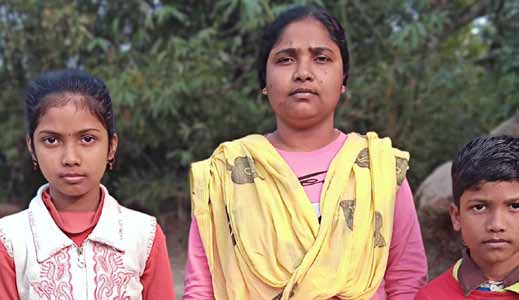
With inputs from Dr. Reema Shetty Consultant, ENT & Dr. Geethanjali S. Tulapurkar
Consultant, Anaesthesia
Patient Story · page 17
Surgery - A Boon to Mankind
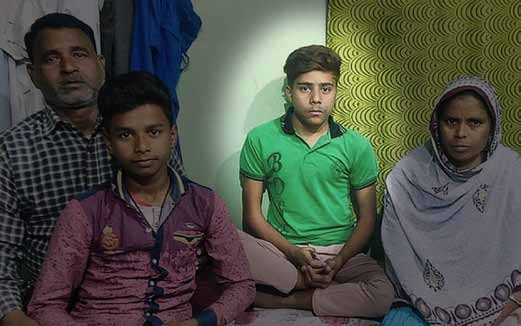
Surgery has been a boon to mankind. This treatment modality offers solutions for numerous diseases and the improvement seen is often dramatic. However it is unimaginable to undergo surgery without addressing the intense pain that will invariably ensue. Anaesthesia is the only solution to this. Since the time of Theodoric of Lucca to WTG Morton to modern day anaesthesia, this discipline has grown by leaps and bounds. If surgery has made progress, it is anaesthesia that has made it possible as we can never imagine performing surgeries without anaesthesia. Anaesthesia has some inherent risks. There is an armamentarium of medications that are used by anaesthesiologists. These affect the functioning of various organs. Normal persons tolerate these changes well and usually recover from anaesthesia easily. However, when there are abnormalities in the structure and/or function of one or more organs, anaesthetic drugs and procedures can pose a significant risk. Thus, the patient may face probable deterioration of health or even loss of life. We have to weigh the benefit against this peril and present an acceptable solution to the patient. The case that we wish to relate here is a story of courage and hope.
In May 2022, a 16-year old boy, Aftab Alam, was brought to the neurosurgery outpatient department with a history of progressive weakness in both lower limbs with deformity at the upper back since four months. He had been diagnosed in the past as a case of tricuspid atresia with single ventricle physiology. In simple language, only one half of his heart was functioning. He had low levels of oxygen in his blood. This boy had undergone a surgery called bidirectional Glenn shunt for this defect. During this procedure, a connection is created between a major vein carrying deoxygenated blood and the lungs. This connection carries blood to the lungs where it can be oxygenated. This procedure provides a partial solution. It has to be followed by another surgery called Fontan procedure.
On neurosurgical evaluation it was found that the nerves supplying his lower limbs were compressed due to spine deformity.
He was considered for a major surgery for correction. He was examined by the cardiologist and found to have a low flow in the Glenn shunt. His oxygenation level was 74% (normal >95%) He was advised to undergo Fontan procedure and was not cleared for the spine surgery.
Performing the Fontan operation would cause a tremendous delay in the spine surgery. By then he would completely lose control over his lower limbs. The 16-year old boy who could walk on his own and take care of himself a few months ago was now in the danger of becoming an invalid. We had to find a way out.
We had interdepartmental discussions among Anaesthesiology, Neurosurgery and Cardiology. Finally a consensus was reached to perform a decompressive dorsal laminectomy. The risk was explained to the patient’s family and they accepted it.
The surgery was carried out on 5-Jul-22. Preparation for anaesthesia was carried out keeping in mind all the associated risks. There were some serious challenges:
1. Risk of compromising his oxygenation, which could damage his vital organs.
2. Anaesthesia necessitates artificial respiration, which reduces flow through the Glenn shunt.
3. Anaesthetic agents are known to cause depression of heart function. This can cause a reduction in blood flow through the Glenn shunt.
4. Such patients tolerate surgical blood loss poorly.
5. The surgery needs to be performed in the prone position. This poses a major hurdle in case the patient requires cardiopulmonary resuscitation intra operatively.
The biggest challenge was to maintain and, if possible, improve oxygen level in blood. Proper oxygenation was ensured by taking several measures. Anaesthetic agents were cautiously chosen to minimise depression of heart function. Balance of intravascular fluid status was well maintained. Real time second-to-second measurement of all vital parameters was carried out. The surgeon performed a meticulous operation avoiding blood loss. Anaesthesia was uneventful. At the end of surgery, the child recovered full consciousness immediately. He had a smooth postoperative course. He was discharged on 13-Jul-22. The patient is being followed up. He is back to school. He can now walk and even cycle!
This story proves that if we harbour honest intentions, the universe definitely conspires to make it happen! This is only one of several such experiences. We feel encouraged by the happy results of such coordinated teamwork and look forward to more challenges.
Dr. Vrushali Choudhary
Consultant, Anaesthesia
Patient Care Committee · page 18
An integral part of Patient Care
There are many unique aspects to the medical institutions set up by Bhagawan Sri Sathya Sai Baba. We all have heard about advanced medical care being provided totally free of charge to all. We have heard about the medical care being provided with love and compassion and the dedication of the staff of the hospital. As we can see, at the core of all these aspects is patient care.
The medical Dictionary describes or defines patient care as “Any hospital providing healthcare services must ensure safety of patient…” and so on. In Swami’s words, it is a simple statement, “Treat every patient as my guest”, which encompasses the care and comfort that should be extended to every patient in the hospital.
In this era of commercialization, where many hospitals are focused on increasing profits and the patient just becomes a file number, or is known by the disease he or she has, we at SSSIHMS pride ourselves in the fact that our patients are as much a part of us and part of this Institution. This, we can see in their happy tears, when they are about to get discharged from the hospital. Some of them wish to be part of this Institution in some or any manner.
Whenever a process or a procedure is operationalised in the hospital, the first question we ask ourselves is how it will benefit the patient. When the purpose is stated in such a simple manner, it becomes the guiding principle of the hospital. It is both easy and challenging. Easy, because we have a clear path laid down in front of us. But every task has its own set of challenges and in the diverse society we live in, we need to be absolutely sure that each patient is getting the care and comfort Bhagawan Baba wants us to provide.
This becomes especially important when we consider that a majority of the patients visiting our hospital come from an extremely poor background and are also illiterate. Added to this mix are the myriad languages, cultures and religions that the patients represent. It, therefore, becomes the duty of the management to make sure that all get the best care, whatever their socio-economic background may be.
Keeping this in mind a committee was formed in the initial days of the hospital, which we call the Patient Care Committee (PCC). The over arching agenda of the committee, as the name suggests, is looking into the various aspects of care and comfort being provided to the patients.
How important the committee is to the working of the hospital can be gauged from the fact that all staff holding senior positions in the hospital are members of this committee. Senior doctors, heads of departments, senior managers, patient welfare officers, and the nursing superintendent constitute the members, with the Director as the Chairperson.
Anything and everything which falls under the umbrella of patient care forms the agenda of the committee. From clinical aspects like reasons for prolonged stay of a patient or why a patient had to return for further treatment, monthly mortality and morbidity rates in the hospital, quantum of clinical work being done in each department, to finer points like whether the patients are liking the food being served to them or not. How comfortable are the patients feeling inside the wards and whether they are taking enough rest or not. There is literally no limit to what we can discuss and decide through the committee. One more interesting aspect of the committee is that we also discuss matters concerning the attendants too. As attendants are an integral part of the patient care universe, matters related to the attendants are also brought up from time to time and discussed and decisions taken for speedy implementation.
Crucial to the working of the committee is information. There are two ways this is gathered. Firstly, all clinical information is available on the Hospital Management Information System. Secondly, non-clinical information is generated from daily interactions of the staff with patients and their attendants. As such, doctors, senior managers, and nurses provide various inputs from their daily interactions with the patients, which are then made as agenda topics for the next meeting. So, a constant flow of information from the staff on the ground to the committee and action based on first-hand information forms the basis of the efficient working of the committee.
To complete the loop, the first topic in the agenda of the PCC meeting is the action on the decisions taken in the previous meeting, which would mostly be implemented by then. The loop being closed the issues in the agenda reach the next level of discussion and implementation. This will be followed by a speciality-wise presentation of criterion-based clinical cases and in-depth analysis and peer review. This makes it highly technical and academic with a goal to improve clinical care. Finally, any and every issue that can enhance the patient’s comfort is discussed with a single aim to treat every patient as His Guest.
C.R. Seshu Prasad
Member Secretary, Patient Care Committee
Infection Control Committee · page 19
Committed To Zero Infections
In a healthcare facility, the first principle of patient safety is to do no harm; and in the context of patient stay, prevention of infections is the best path to tread.
Even as medical professionals attempt to treat various ailments, using their surgical and medical methods, infection-causing microbes can impair patient recovery and cause severe harm. Such infections are a major cause of morbidity and mortality in hospitals. Infection control is key in prevention and is implemented through the Infection Prevention and Control (IPC) committees in healthcare facilities.
The irony is that hospitals, which are supposed to be centres for re-gaining health harbour these microbes, since they tend to see patients with all sorts of infections. Therefore, hospital-acquired-infections (HAIs) become a major subject for the IPC committee.
It is estimated that at any one time, up to 7% of patients in developed countries and 10% in developing countries will acquire at least one HAI. These infections also present a significant economic burden on the health system. However, a large percentage of HAIs are preventable through effective IPC measures.
That is where the role of the Hospital Infection Control Committee (HICC) becomes vital. This committee is committed to serve all patients who come to the Institute. It is comprised of staff across various sections making it effective in bringing various points of concern, having scientific, factual discussions, and implementing decisions to benefit patients.
The Committee is headed by the Director and the Microbiologist is the Secretary. Other members consist of senior consultants from clinical departments, clinical department managers, infection control nurse, nursing superintendent, and In-charge of CSSD (Central Sterile Services department). Additionally, based on the agenda of the meeting, other staff are invited.
The core components of IPC are evidence-based guidelines, education and training, HAI surveillance through monitoring and audit of IPC practices and feedback.
Ongoing activities of the Infection Control:
- Monthly meeting of HICC
The standard agenda comprises of discussion about all patients with longer than expected stay in the hospital due to infections. The probable causes of these infections are discussed in detail and a systematic approach to patient care is deliberated upon.
Infection rates (overall and types) are presented hospitalwide and unit-wise in graphical and tabular fashion to also depict the trends across a period. The rates are calculated as per the WHO definitions and are also benchmarked against the rates for the best healthcare institutions across the world. The most commonly compared infection rates include overall infection rate, central-line associated blood stream infections (CLABSI), ventilator associated pneumonia (VAP), catheter associated urinary tract infections (CAUTI), etc.
Other agenda include points or updates about infection control policies such as antibiotic prophylaxis
- Hospital Infection Control Team meeting
- Conducted by Secretary of HICC along with infection control nurse for nurses incharge or nurse representatives of various units of the hospital.
- Helps get inputs from ground-level staff about aspects of infection control.
- Helps in implementing the decisions of the HICC and making sure that the policies are implemented by every staff involved in patient care.
- Continuous education on infection control practices
- Orientation on infection control practices is given to all staff who join the organization.
- Periodic re-enforcements and refresher training on aspects of infection control is given for various sections of the hospital including nurses, technicians, housekeeping staff and ward assistants.
- The Secretary, HICC and Infection control nurse conduct these training sessions.
- Policies – various policies relating to infection control have been prepared to monitor, avoid and control infections. These are periodically revised as part of the HICC and implemented through above-mentioned infection control team meetings and continuous education efforts. Some of the policies on infection control include:
- Health Care Associated Infections (HCAI)
- Hand hygiene(HH)
- Standard and transmission precautions
- Infection control in the ICU and OT
- Prevention of surgical site infection(SSI)
- Prevention of catheter associated UTI’s (CAUTI)
- Prevention of Central line associated BSI(CLABSI)
- Antibiotic Stewardship
We are happy that we have achieved zero cases of blood stream infections in most of the months in 2022, by diligently following the guidelines for CVP care. Kudos to the team of nurses who have acted on the training provided to them through proper nursing care!
I consider it an opportunity to have been included in our Swami’s healthcare mission and therefore strive to, individually and collectively, do the best to prevent infections and promote well-being of all the patients and staff at our Institute.
Dr. Renuka Neravi
Microbiologist & Secretary, HICC.
Upgrades · page 20
Equipment
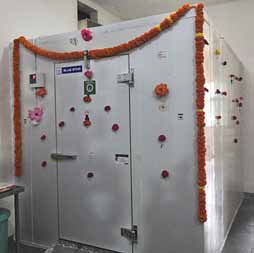
Cold Room for Dietary
To keep vegetables and fruits fresh over a longer time period and avoid wastage, with the support of Shri R.D. Shenoy, the Dietary dept was provided with a cold room of size 10 x 8 x 8 feet.
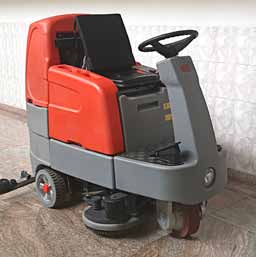
Scrubber driers for Housekeeping
A ride-on scrubber drier and a walk-behind scrubber drier were procured for the effective cleanliness of the Hospital.
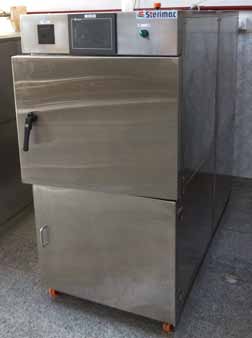
ETO Sterilizer for CSSD
The CSSD was provided with a 240-litre Ethylene Oxide sterilizer to replace the 22-year old sterilizer.
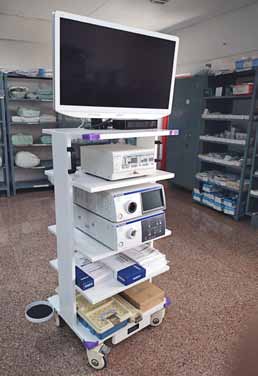
4K Laparoscopy System from Olympus
The Sri Sathya Sai General Hospital was provided with the latest, high-end laparoscopy system from Olympus for use by all the surgical specialities.
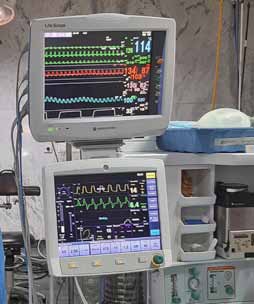
Patient monitors in Neuro OT & ICU upgraded
The Institute invested in replacing the 22-year old Agilent patient monitors in the Neuro OT & ICU with monitors from Nihon Kohden, Japan.
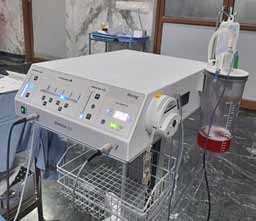
Ultrasonic Surgical Aspirator
The Institute invested in a Sonoca 300 ultrasonic surgical aspirator with bone handpiece for use by the Neurosurgery Department.
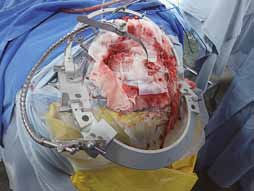
Neuro Head frame
The Neurosurgery department also acquired an indigenous head frame to support in cranial surgeries.
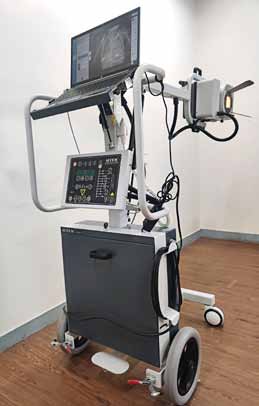
Mobile X-ray units procured
The Radiology department was provided with two digital mobile X-ray units for use across the hospital.
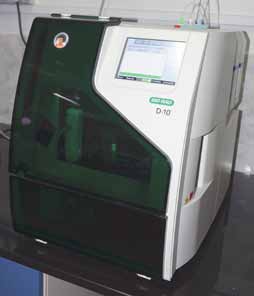
HbA1c Analyzer
To upgrade the quality of blood testing and reporting, the Institute procured a Biorad HbA1c analyser on a reagent rental contract.
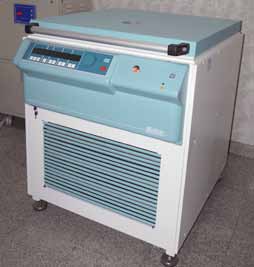
Blood Bank Centrifuge
The Blood Bank was provided with a Hettich Roto-Silenta 630RS blood bank centrifuge to help in component preparation. This is a replacement for the 20-year old Beckman centrifuge.
Go Green · page 21
Initiatives in 2022
Waste Management Committee constituted
With the intention of managing waste better and meeting the rules governing waste disposal, a cross-functional team with external experts has been set up as a sub-committee under the Infection Control Committee to oversee the various aspects pertaining to scientific waste management at SSSIHMS.
In-house community composting set up
With the mandate that bulk generators of waste set up inhouse facilities to deal with waste, the SSSIHMS RWA has invested in setting up an aerobic community composting facility under the guidance of the Director, Dr. Sundaresh and technical support from Sri Kiran P. Kulkarni, an expert nominated by the Govt of India. This facility to deal with wet waste generated on campus was inaugurated on the occasion of the World Environment Day. The compost generated is being used on campus to nourish the trees and nutrition gardens on campus.
Second edition of SAI Ultramarathon completed
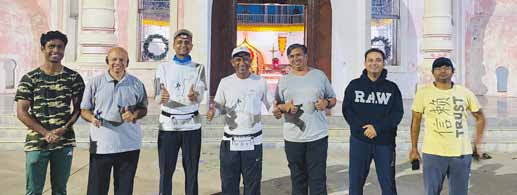
Satish Chandra and Jay Moodley ran from SSSIHMS Prasanthigram to SSSIHMS Whitefield on 16-17 Dec, 2022, covering the 160 km in 26 hours. They were accompanied at the start and finish by staff of SSSIHMS, alumni of SSSIHL and friends of the project. The theme was on Sustainability through Awareness and Individual Actions, encouraging staff and public to take up regular exercise and environmentally friendly practices. Some of the runners completed their first half and full marathons as part of this run.
Hospital mattresses get recycled into mulch mats
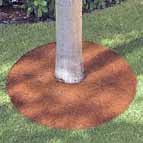
After serving patients for over 20 years, the coir mattresses from the wards were taken back by a vendor, who carefully segregated the coir, and recycled them into mulch mats to be used around trees to retain moisture. This was found to be a good option for dealing with high bulk items like mattresses.
TEDx Speaker addresses nursing students on sustainable menstruation
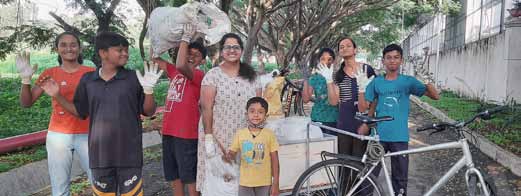
On 17-Apr-22, Smitha Kulkarni, co-founder of Stonesoup, spoke to the nursing students and faculty about sustainable menstruation and usage of menstrual cups instead of sanitary pads, keeping in mind long-term health, cost and reducing the environmental impact of their disposal.
SSSIHMS part of Global Green Healthy Hospitals Network (GGHH)
In 2022, with the support of the global NGO, Healthcare without Harm and their Indian counterpart, the Health & Environment Leadership Platform (H.E.L.P), SSSIHMS Whitefield has been inducted into the Global Green Healthy Hospitals (GGHH) Network, with the prime focus being on reducing the environmental impact, while providing healthcare.
During 2022, with the support of the HELP team, a case study has been published on their global website on the topic “Dry Waste Management - Segregation is the key to success”. It highlighted how SSSIHMS recycled 50 tons of dry, recyclable waste in a two-year period. Learn more about H.E.L.P at Click here ☞ https://greenhospitalsindia.com/
Volunteers from AT&T help in resource recovery
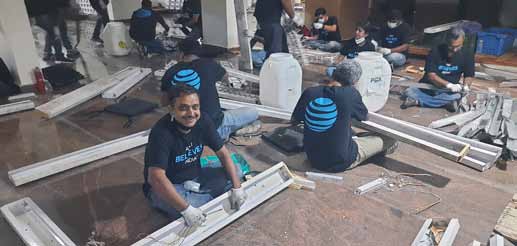
In July, 31 volunteers from AT&T helped dismantle 300 old tube light fittings and segregate them into steel, aluminium, plastic and e-waste. In a span of 7 hours, they segregated 1.3 tons of materials. These items were handed over to authorised recyclers.
Nursing College students & campus kids take up plogging
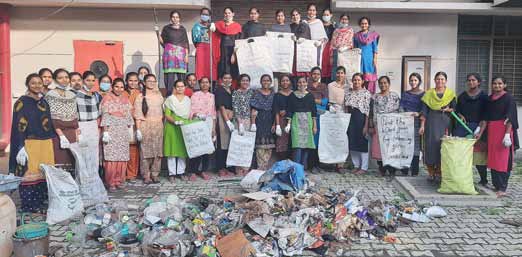
The children on campus and nursing students took up plogging on 5-Jun-22 on the occasion of the World Environment Day. Plogging events are organised on the last Sunday of every month.
Manohriday · pages 22–24
Academic Initiatives
CTVS
The Indian Association of Cardiovascular-Thoracic Surgeons (IACTS) launched the IACTS Outreach program on September 29, 2022, coinciding with World Heart Day. SSSIHMS collaborated with IACTS Outreach to spread awareness of heart diseases and their management to the public and influence fellow healthcare professionals to foster cardiac health.
The two organisations jointly hosted cardiopulmonary resuscitation (CPR) training sessions for members of the Press at Press Club of Bangalore on Sep 28th and the second at SSSIHMS on World Heart Day for the security guards of SSSIHMS, under the leadership of Dr. C.S. Hiremath, HOD, Dept. of CTVS, SSSIHMS, and Secretary IACTS. He was supported by Dr. Pankaj Punetha, HOD, Dept. of Anaesthesia, SSSIHMS, and the hospital nursing staff.
The theme of the event was “Everyone must know CPR. Anyone can do CPR”. The session was welcomed and received with much enthusiasm.
On World Heart Day 2022 (Sep 29th), the CPR training session was conducted for the security guards at SSSIHMS. The Director, Dr. Sundaresh, appreciated this initiative and encouraged more such sessions not limited to only medical staff. He congratulated Dr. Hiremath for this new beginning and suggested that this training be taken even to the schools.
NEUROSURGERY
“The Golden hour and beyond”, was a one-day CME that was conducted by the Department of Neurosurgery on 8th May, 2022 at SSSIHMS, Whitefield. Participants were from across the country and from various branches including Emergency Physicians, General Physicians, Neurologists, Neurosurgeons, Neuro interventionists and Critical care specialists. We had a total of 70 delegates and 12 faculty participating in the CME.
The aim was to educate participants on basics to advances in stroke management and to launch stroke care at our hospital. This event provided an opportunity for us to educate the participants on early management of stroke.
The didactic lectures in the CME were delivered by eminent faculty who shared their vast experience in this domain. The delegates had a great experience with exceptional networking opportunities.
During this event, the referral protocol for managing any patient with stroke from our sister institutions at Puttaparthi was put in place. Overall, this CME was a small step towards create awareness among the professionals to ensure timely care is provided to stroke patients.
External Conference / Workshop - Paper / Poster / Lecture Presentation ANAESTHESIA
Dr. Kolli Chalam, Sr. Consultant, Anaesthesiology & Critical Care Medicine was Examiner at
- Fellowship exam of Indian college of Anaesthesiologists (ICA) on 21-22 January 2022
- DNB final Practical examinations held on 14-Jun-22.
- FIACTA fellowship examination held on 10 -11th Sep,
- Served as internal examiner for NBE Work Place Based Clinical Assessment for Formative Assessment 2022 held on 14-May-22
Course Director at organized Critical Care Nursing workshop under the banner of GICS (Global Intensive care symposium) and ISCCM (Indian Society of Critical Care Medicine at SSSIHMS-Whitefield.
Chaired following sessions:
1. RRMC: Chaired a session on physics related to anaesthesia machine at CME “Inhaled anaesthesia delivery systems
- anaesthesia workstation and components” at Raja Rajeswari Medical College and Hospital Bangalore on 20-Mar-22.
2. GICS: Chaired a session on Antibiotic therapy on 18-Sep-22 Bengaluru.
Lectured at
1. CCN workshop: Delivered a lecture on Haemodynamic monitoring on 15-Sep-22.
2. Delivered a talk on IABP (intra-aortic balloon counter pulsation) on 18th December 2022 at Cardiac Anaesthesia CME & Workshop under Indian College of Anaesthesiologists (ICA) in collaboration with Forum of Cardiac Anaesthesia (FCA) & Indian Society of Anaesthesiologists (ISA), Karnataka Chapter Date: 17th & 18th December 2022.
Dr. Anuradha Kamath
Paper / poster presentations at IACTACON 2022, Madurai 1. A prospective randomised comparative study of the
efficacy of ultrasound guided bilateral transverse thoracic plane block utilizing levobupivacaine 0.25% with buprenorphine versus intravenous fentanyl infusion in adult cardiac surgical patients undergoing median sternotomy.
2. A prospective randomised comparative study of the efficacy of ultrasound-guided bilateral transverse thoracic plane block utilising levobupivacaine 0.25% with fentanyl versus intravenous fentanyl infusion for post-operative analgesia in paediatric cardiac surgical patients undergoing median sternotomy.
3. Ascending aorta mycotic pseudoaneurysm in a post-AVR following previous RSOV and aortic valve repair- a team approach for successful Management. Awarded 2nd prize for the poster.
4. Faculty at Nursing conference, at Global Intensive Care Symposium 2022, Bengaluru.
LECTURES GIVEN BY ANAESTHESIA TEAM AT Global Intensive Care Symposium - CRITICAL CARE NURSING WORKSHOP 1. Respiratory Critical Care Nursing Dr. Anuradha Kamath 2. ABG and Electrolytes Dr. Padma S.
3. Neuro-criticare Nursing (FASTHUGSBID & Prone) Dr. Vrushali Choudhary 4. Nutrition and IV Fluids / Transfusion practices
Dr. Anitha Diwaker 5. Obstretic Criticare Nursing Dr. Geethanjali Tulapurkar 6. Critical care nursing in postoperative Surgical and
Orthopaedic Patient Dr. Pankaj Punetha
CARDIOLOGY:
1. Dr. Reeta Varyani was presentor at ECHOINDIA 2022 on the topic “High gradients in mitral prosthesis - what can it be?”
2. Dr. Prayaag Kini was
- presentor at ECHOINDIA 2022 on the topic “Echo guided septal puncture in transcatheter interventions”
- presentor at CSI 2022 on the topics “How to calculate accurate PA pressures in : In presence of TR and PR, In absence of TR and PR”, and 10 other topics.
3. Sai Sirisha V., presented on the topic “Importance of ECHO in Emergency Room” at EchoIndia 2022 in Hyderabad on 20-Nov-22.
4. Dr. Sfurti Jadhav
- TYSA Cardiology 2021-2022 Zonal Round presented poster on “Importance of Total Ischemic Time on immediate and longer-term outcomes after Primary PCI and Pharmaco-invasive PCI”. She was adjudged 2nd in the South Zone for her poster.
- Bangalore chapter CSI June 2022 presented on “Breaking in through the back door - CoA Stenting in a 2-month infant with HF”
- Presentor at SPEED 2022
- Delegate at SPACE 2022 & 2nd National Physiological Pacing Symposium 2022
5. Dr. E.S.R.K.D. PRASAD D was
- Participant at Bangalore chapter CSI, SPEED 2022, SPACE 2022,
- Presentor at ECHOINDIA 2022 on the topic “Traffic Jam On Both Highways; A Hypertrophied Heart”.
6. Dr. Deepak Valiya was
- Participant at Bangalore chapter CSI, SPEED 2022, SPACE 2022,
- Presentor at ECHOINDIA 2022 on the topic “An Unexpected Guest at the exit!”
7. Dr. N.C. Kushal was
- Presentor at ECHOINDIA 2022 on the topic “Cuidadoso! Big surprise ahead”
PUBLICATIONS CTVS
1. Bagaria V., N.S.S., Hiremath C.S., Rao S. Cardiomegaly secondary to patent ductus arteriosus causing extrinsic compression of left pulmonary vein. Eur J Cardiothorac Surg. 2022 Oct 4;62(5):ezac455. doi: 10.1093/ejcts/ ezac455. PMID: 36149284.
2. Bagaria V., Hiremath C.S. Late systemic desaturation after transcatheter device closure of atrial septal defect. Cardiol Young. 2022 Dec 19:1-3. doi: 10.1017/ S1047951122003833. Epub ahead of print. PMID: 36533532.
3. Bagaria V., B. Lahari, D. Karthik, Hiremath C.S. Anomalous coronary artery connecting left and right coronaries crossing right ventricular outflow tract in Hoffman variant tetralogy of Fallot. . Eur J Cardiothorac Surg. 2022 December Epub ahead of print 4. Bagaria V., Hiremath C.S. Post myocardial infarction
ventricular septal rupture – Protacted hemolysis due to missed additional ventricular septal defect. Indian J Thorac Cardiovasc Surg 2022 December Epub ahead of print. 5. Sujith N.S., Doddamane A.N., Hiremath C.S., Rao S.
Aortic root enlargement: short-term outcomes from a decade’s worth of experience. J Card Surg. 2022; 37: 3016- 3025. doi:10.1111/jocs.16719
NEUROSURGERY
Two articles were published in leading international journals with the highest impact-factors amongst all medical journals worldwide:
1. Sumit Thakar, Akhil Sunil. Primary intracranial hydatidosis. New England Journal of Medicine (NEJM). (Accepted: Dec 2022).
2. NIHR Global Health Unit on Global Surgery; Sumit Thakar (collaborator in COVID Surg Collaborative). Elective surgery system strengthening: development, measurement, and validation of the surgical preparedness index across 1632 hospitals in 119 countries. Lancet. 2022 Nov 5;400(10363):1607-1617.
List of other publications in Pubmed-indexed journals: 1: Sunil A, Aryan S, Thakar S, Hegde AS. Posterior
Reversible Encephalopathy Syndrome Complicating the Postoperative Clinical Course in a Child with a Suprasellar Craniopharyngioma. Neurology India. 2022 Nov-Dec;70(6):2449-2451 2: Sunil A, Thakar S, Aryan S, Hegde AS. Changes in
Sinonasal and Overall Quality of Life Following Endoscopic Endonasal Surgery for Non-functioning Pituitary Adenomas: Results of A Prospective Observational Study. Neurology India. 2022 Nov-Dec;70(6):2357-2365. 3: Thakar S, Raj V, Neelakantan S, Vasoya P, Aryan S, Mohan
D, Hegde AS. Spinal Morphometry As A Novel Predictor For Recurrent Lumbar Disc Herniation Requiring Revision Surgery: Results of A Case Control Study. Neurology India. 2022 Sep-Oct;70(Supplement):S211-S217.
Anaesthesia
1. Dr. Anuradha Kamath was awarded the 2nd prize for poster presentation on Ascending aorta mycotic pseudoaneurysm in a post-AVR following previous RSOV and aortic valve repair- a team approach for successful Management at IACTACON 2022, Madurai.
2. Dr. Pankaj Punetha completed a Postgraduate diploma course in Medical Law and Ethics from National Law School of India University.
4: Sai Kiran NA, Vidyasagar K, Srinivasa R, Sivaraju L, Raj V, Furtado SV, Thakar S, Aryan S, Mohan D, Hegde AS. Occipital Interhemispheric Transtentorial Approach for Tumors of Posterior Third Ventricular Region: Review of Surgical Results. Neurology India. 2022 Jul-Aug;70(4):1417-1426.
5: Thakar S, Rajagopal N, Alle P, Aryan S, Hegde A. Cervical Flexor-Extensor Muscle Disparity in Monomelic Amyotrophy (Hirayama Disease): Evidence from a Comprehensive Morphometric Evaluation of Subaxial Paraspinal Musculature. Asian Journal of Neurosurgery. 2022 Jun 10;17(1):68-73.
6: Vidyasagar K, Thakar S, Hegde A. Lumbar Paraganglioma Presenting with Disseminated Cranio-Spinal Superficial Hemosiderosis. Neurology India. 2022 Jan-Feb;70(1):427-428.
7: Ghosal N, Jain P, Thakar S, Ghosal K. CNS paraganglioma: 15-year experience in a tertiary care hospital with literature review. Clinical Neuropathology. 2022 Mar-Apr;41(2):66-73.
8: Wadhera P, Aryan S, Thakar S. An Unusual Case of a Conus Hanging by a Thread. Journal of Pediatric Neurosciences. 2021 Apr-Jun;16(2):163-164.
Chapter invitations
Dr. Sumit Thakar, Senior Consultant, Neurosurgery has been invited to write a chapter in the following upcoming books:
1) ‘Patient Centered Process Management: Neurosurgical Perspective’, an initiative by AIIMS Bhopal.
2) ‘Chiari Malformation: From Diagnosis to Treatment’, being published by Nova Science Publishers, USA.
RESEARCH
SSSIHMS-Whitefield has been a co-creation/co-development partner for GE Healthcare and have many on-going high-clinical impact research projects, cutting across multiple care-areas like Cardiology, Orthopaedics and Neurosurgery. Some of these projects have been showcased in RSNA 2022 as ‘technology in development’. Some of the projects related to Orthopaedics have brought in Govt. of India funding through Science & Engineering Research Board (SERB) for collaboration with academic (IITs & NITs). SSSIHMS is the clinical partner for this tri-partite co-development with GE Healthcare.
The collaborations, initially focussed in Radiology is now being extended to other areas like acuity care, maternal care, infant care and more.
ACHIEVEMENTS & AWARDS Cardiology
1. Dr. Prayaag Kini bagged the DR D P Basu Memorial Award in the annual CSI conference 2022.
2. Anamika Roy won 2nd prize in Best Sonographer case presentation for presenting “A rare congenital anomaly in an adult” at Echo India 2022 in Hyderabad on 20-Nov-22.
CTVS
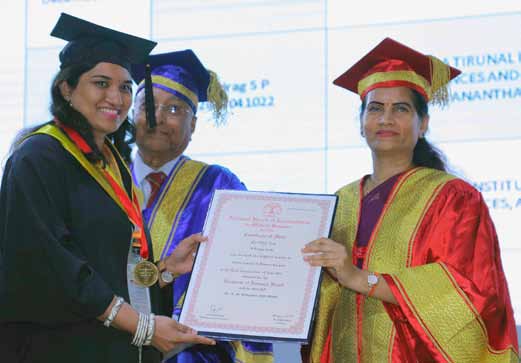
Dr. A. Anagha Tulsi, who enrolled in the 6-year DNB CTVS program in 2014 and completed the same in 2020, was awarded the prestigious C.S. Sadasivan Gold Medal by the National Board of Examinations, New Delhi on the 21st convocation of NBE held in June, 2022.
Post DNB, she has completed a 1-year fellowship in paediatric cardiac surgery and is currently serving in a charitable hospital.
“SSSIHMS has given me the foundation and principles to achieve success in all my endeavours,” she responded, after receiving the gold medal.
Collaborations · page 25
Doctors Visiting SSSIHMS
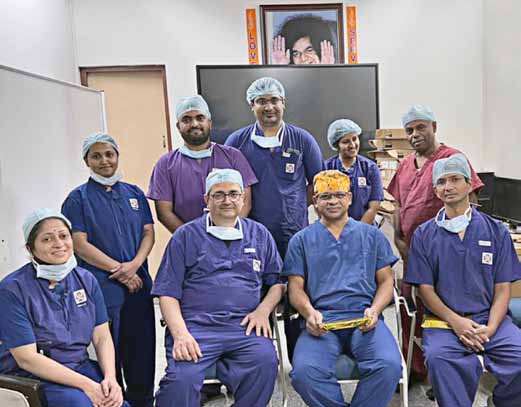
In continuation of the ongoing collaboration between Healing Little Hearts, UK and SSSIHMS, Whitefield, in 2022 a team of 10 members led by Dr. Ramana Dhannpuneni, Consultant Paediatric Cardiac Surgeon and Dr. Ram Ramraj, Consultant Paediatric Cardiologist visited SSSIHMS-Whitefield between Nov 20-26, 2022.
They were accompanied by a team of Anaesthetists, Intensivists, Perfusionists and Nurses and together, they operated on close to thirty children with congenital abnormalities.
It was a mutually enriching experience for both teams, and the visiting team was overwhelmed seeing the services offered by the hospital, abiding by the teachings and principles of Bhagawan Sri Sathya Sai Baba. They found the hospital holds true to its word of offering service to everyone regardless of their economic or social stature and were grateful for the opportunity to serve here. They held the dedication of the entire Whitefield team with high regards.
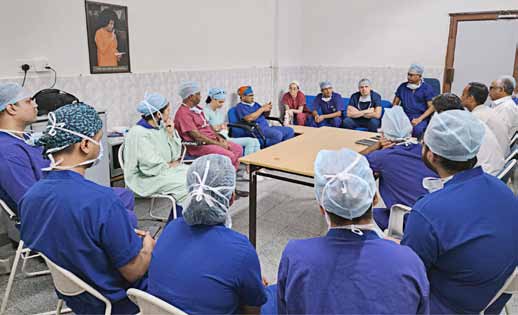
“We were deeply moved by the work being carried out at SSSIHMS, Whitefield, and look forward to continued association.” mentioned Dr. Ramana after the week-long stay at SSSIHMS.
The specialists mentioned that it was a learning experience for them as well, as they have seen many congenital cases, being operated upon at a much later stage, in comparison with what is being done in the UK.
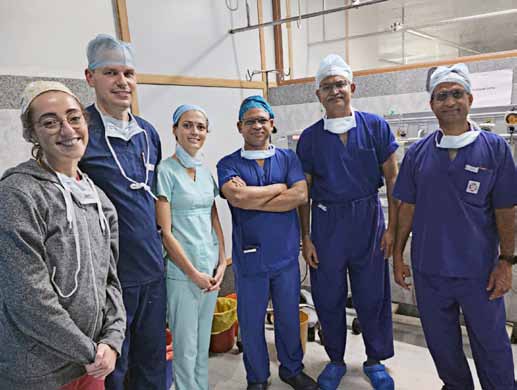
There was active sharing of information and protocols across all areas of expertise, be it in surgery or echo-cardiography, intensive care, anaesthesiology, or perfusion technology.
The visiting team also participated in Swami’s Birthday Celebrations and visited Trayee Brindavan and also saw the recently inaugurated Sri Sathya Sai Divyasmrithi museum.
Visiting Doctors in Cardiology
1. Dr. D.S. Chadda, a well known Senior Interventionalist from Manipal Hospital supported the performance of highly complex angioplasties.
2. Senior Electrophysiologists, Dr. Yegyaraman, Dr. Ashok Garg and Dr. K.S. Srivathsan visited from USA and have offered their services and supported treatment of many complex arrhythmias. Many CRT and ICD devices were implanted during their visit between 22-27 Aug, 2022.
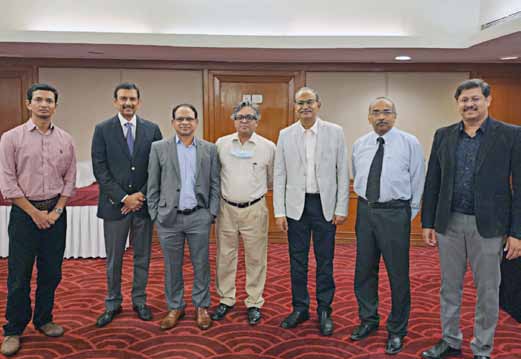
3. Dr. K.S. Srivathsan chaired online academic sessions between 20-25 Aug, 2022, which were well attended.
Neurosurgery · pages 26–27
A strike on stroke
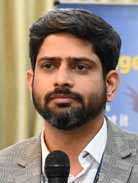
Conversation with Dr. Tejus M.N. Rao who joined SSSIHMS, Whitefield in November, 2021 as a consultant in Neurosurgery and endovascular neurointervention.
Academic Profile:
After completing his his MBBS from Government Medical College, Thoothukudi, Tamil Nadu, Dr. Tejus Rao completed his DNB Gen. Surgery and thereafter completed his M.Ch, Neurosurgery from JIPMER, Pondicherry. He further did a Fellowship in Endovascular Neurosurgery from University of Zurich.
1. What is Endovascular neurointervention?
Endovascular neurointervention is a minimally invasive procedure used to treat diseases of the brain and spine. It involves the use of catheters and other instruments to access the vascular system and treat conditions such as aneurysms, stroke, and arteriovenous malformations.
2. What is cerebral angiogram? Cerebral angiogram is a diagnostic procedure. It is considered the gold standard for evaluating diseases of the vascular system. Iodine dye is used during the procedure. It provides information that helps determine the best treatment options.
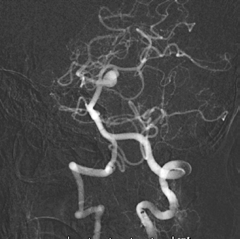
3. What are the advantages of the endovascular approach?
Endovascular surgery is an innovative, less invasive procedure with shorter recovery period, less discomfort, smaller incisions and less risk of infection.
4. What neurosurgical conditions can be treated with an endovascular approach?
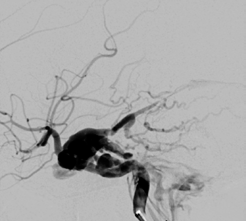
A. Dual arterio venous fistula B. Arteriovenous malformation C. Intracranial aneurysm D. Acute stroke E. Carotid artery stenosis F. Carotid cavernous fistula
5. How many such cases are done at SSSIHMS?
We have performed more than 60 cases in one year A. Cerebral angiogram - 40 B. Acute stroke - 4 C. Aneurysm embolization - 3 D. AVF - 7 E. BTO - 4 F. Preoperative tumor embolization - 3 6. Team approach in stroke?
Stroke team includes, ER Physician, Neurologist, Neurosurgeon, Radiologist, Intensivist, Cathlab Nurse, technician and physiotherapist.
To emphasize on the team approach and launch of stroke treatment at SSSIHMS we had a stroke CME in May 2022 ‘The Golden hour and beyond’.
7. Can all diseases of the brain be treated with Endovascular neurointervention?
No, not all diseases of the brain can be treated with endovascular neurointervention. There are conditions which can be treated only with surgery, radiotherapy etc.
Following are two case-studies of patients, who benefited from endovascular neurointervention at SSSIHMS-Whitefield.
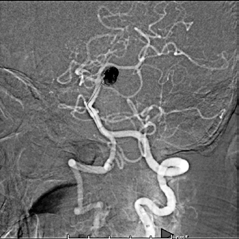
Aneurysm
50 year old Gangamma presented to Whitefield hospital with disabling headaches for the past one year, occurring nearly on a daily basis. A CT scan was done and it revealed a basilar aneurysm a swelling at a major blood vessel of the brain that can be fatal if left untreated. Gangamma underwent contrast angiography and coiling of the aneurysm a treatment that costs upwards of 10 lacs at a private centre. Gangamma went home happy, safe and sound to her grandchildren.
Carotid Cavernous Fistula (CCF)
31 year old Ashish came to us with a long history of poor, gradually worsening vision and an inability to walk without support due to stiffness of all four limbs, unable to hold his urine necessitating daily diapers all a diagnostic quandary for his local physician. He was referred to Whitefield hospital where he underwent multiple radiologic and clinical investigations that led to a diagnosis of carotid-cavernous fistula a term for abnormal cross-talk between large - blood vessels that supply vital parts of the brain that, through a rather serpigenous pathway of clinical consequences led to his locomotor disability aside from compromised eyesight. Once again, costly procedure of embolization was undertaken by our team, with a swift improvement in the patient’s condition so that he could set his sights upon a positive future in life.
Pre-op Pre-op Post-op Post-op Members of Healing Little Hearts, UK with the staff of CTVS Department Pictures from the CME on The Golden Hour & Beyond organized by the Neurosurgery Department
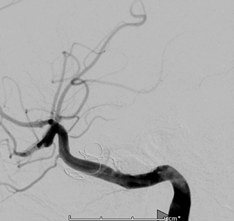
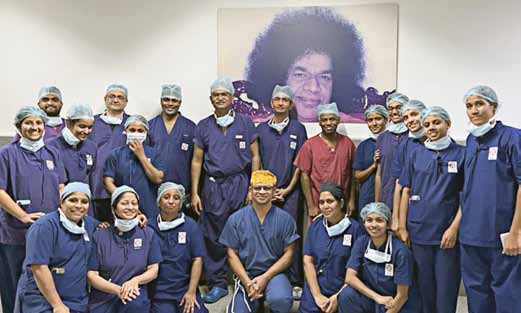
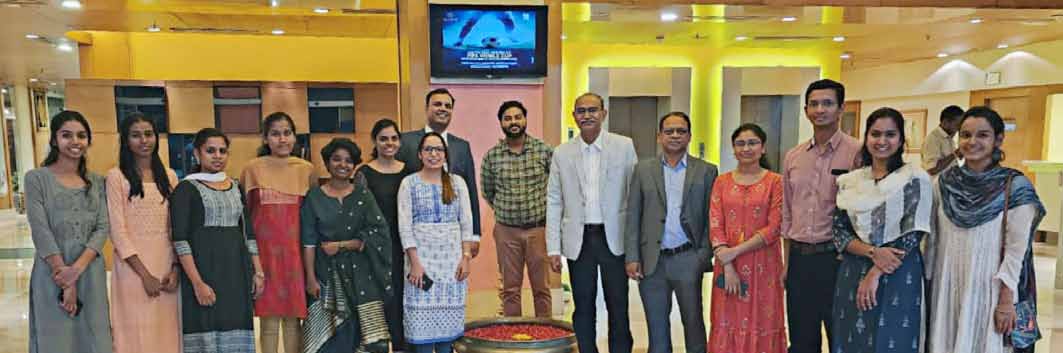
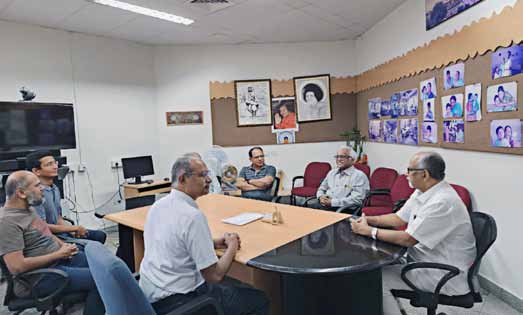
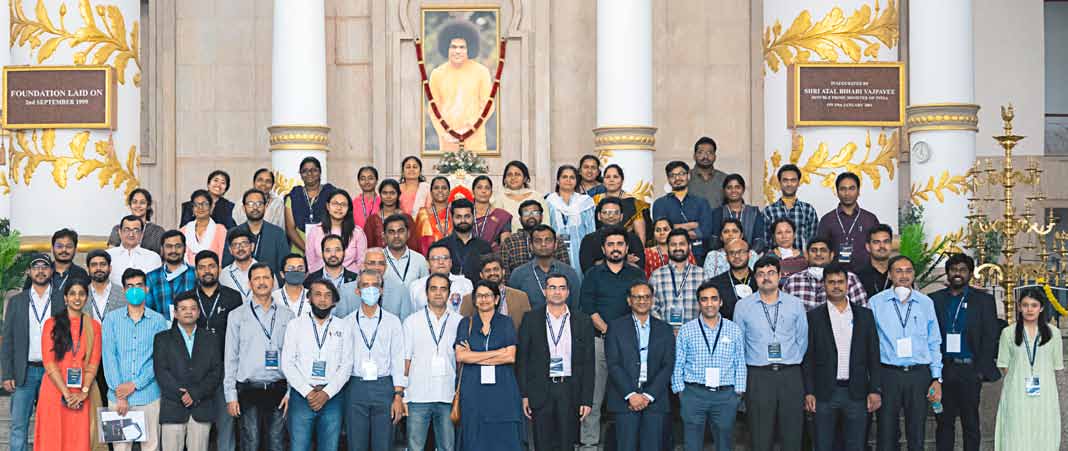
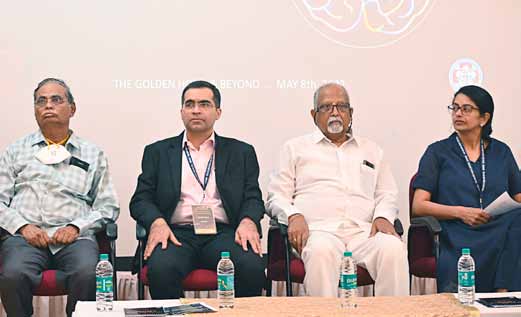
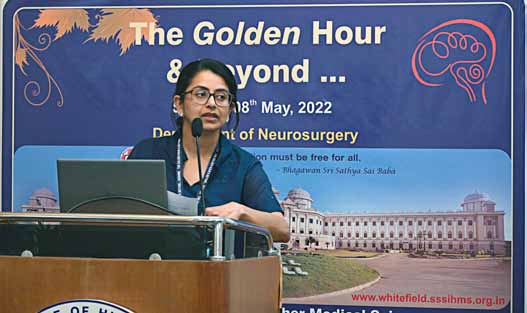
Volunteering · pages 28–29
Love is God – Give love, Receive love
G. S. Srirangarajan, Ph.D., Associate Professor, Dept. of Management & Commerce, Sri Sathya Sai Institute of Higher Learning (Brindavan campus)
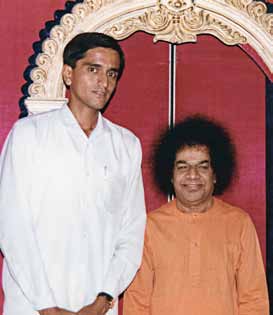
It was a Wednesday in the month of June 2022. The month-long summer vacation for the students at my college had just begun. I had planned to squeeze out some time in the first week to travel to some new places and utilize the next 3 weeks at my sister’s home in Chennai, for completing examination related work and preparing for teaching in the next semester. I love traveling and sightseeing, though in practice I have been able to accomplish very less of this. This vacation too, I had made several plans for some sightseeing, but none of them were working out owing to different reasons. And here I was that Wednesday, quite disappointed at the turn of events.
It was at that moment that a thought suddenly surfaced in my mind, as though propelled by a Divine prompting from within. I said to myself, why not spend a week or two doing some service activity. Being a faculty member at the Sri Sathya Sai Institute of Higher Learning (SSSIHL), I consider my work at the College as my worship, leaving me with little time to engage in other service activities. I have never joined the Sri Sathya Sai Seva Organization or participated in their seva activities. So, I wanted to experience the joy of doing some ‘selfless’ seva, outside the scope of my regular college duties. The prompting from within continued further and the idea of doing seva at the Sri Sathya Sai Institute of Higher Medical Sciences (SSSIHMS) in nearby Whitefield, Bengaluru, came to my mind. Wow! I was excited at the mere idea itself.
With no moments to spare, I took my mobile and called up my colleagues and good friends, Mr. Satish Chandra, Senior Manager, Central Stores and Mr. M Subramaniyan, Senior Manager, HMIS & Patient Welfare Services at SSSIHMS, Whitefield. Both Satish and Subramaniyan are senior alumni of the Sri Sathya Sai Institute of Higher Learning (SSSIHL), who were handpicked by Bhagawan Baba to serve at the SSSIHMS since its inception. Absurd it may have sounded, when I put forth this request to them just like that with no context. “Satish / Subramaniayan, is it possible for me to do some seva at SSSIHMS for the next few days”? Positive as they always are, they expressed delight at the idea and told me that they would look into it and get back to me.
I slept over this thought, relieved that my mind was free from the pain of failure of all my other travel and sightseeing plans. The next morning, out of the blue, I got a call from the respected Director of the SSSIHMS, Dr. D C Sundaresh. He mentioned to me that he got to know that I had expressed a desire to do some service at the hospital. He told me that apart from the general seva that I was most welcome to do, he had something specific for me in his mind and would like to meet me that evening at the Brindavan Ashram, when he would come for the evening Bhajans.
I was stunned! It was not even 24 hours since the noble thought of doing seva had come to my mind and here was the idea taking shape with such speed. “Take a step towards Me and I shall take a 100 towards you”, says Bhagawan Baba. As the saying goes, when you intend to do something out of love and selflessness, the entire universe conspires to make it happen. I did meet the Director that evening and over a very purposeful and productive interaction, my seva at the Hospital for the next 15 days was confirmed and well defined.
The next fortnight was one of great joy and satisfaction. With the support of Mr. Subramaniyan, the mornings were spent at the General OPD (Out-patient department) guiding and providing help and support to patients waiting eagerly to see the doctors. No doubt, all activities go on as per well defined processes, but some voluntary intervention like the ones sevaks do, go a long way in making the experience for the patients pleasant and memorable. I would spend the afternoons with the senior managers, reviewing existing processes and charting process maps for different departments of SSSIHMS under the expert guidance of the Director. No words can express the joy and satisfaction that I derived through these service activities. No wonder Bhagawan emphasizes on “Manava seva is Madhava seva”; “Love all Serve all”; as the path to reach God and attain bliss. As I completed my 15 days of seva at the Hospital, I took leave from all my associates with a heart full of gratitude. Least did I know that 15 days later Bhagawan would turn the cards upside down and make me the recipient of His immense love in this very same hospital. These 15 days were of giving and a fortnight later it would be a week of receiving.
The second half of my vacation was scheduled to be spent at Chennai in my sisters’ home, completing examination related work and preparing for my teaching in the next semester. I had a good time at her home. Being vacation time, I took my daily routine lightly and indulged in some joyful laziness.
Let me pause here and take you back in time to a year and a half, during the pandemic times, when I had given a talk to devotees on the occasion of the 24th anniversary of ‘Sai Gitanjali’ (Bhagawan’s Mandir in J P Nagar, Bengaluru) in May 2021. Before I delivered this talk, I had then heard about Bhagawan coming in the dream of an alumnus of SSSIHL and telling him not to worry or get tensed, but to just chant the Rudram Veda mantra regularly. Swami had told him, “This Rudram is your Bhadram”, meaning this Rudram chanting will be your protection (from the Corona virus). Earlier, I had also heard from one of my senior colleagues about Bhagawan advising him to chant Rudram regularly and that it would protect him throughout his life. Inspired by these anecdotes, I spoke about this aspect in my talk, urging all devotees to chant the Rudram regularly.
I too had the habit of chanting Vedam every morning, though not very regularly and I would chant different mantras every day. After this particular talk, I felt guilty that I was not practicing what I had spoken about in the talk. Therefore, from then on, I started chanting Rudram mantra every morning. I firmly believed that this would take care of me and my health. It is believed that chanting of Vedic mantras generate certain vibrations that have a positive healing impact on the physical body and the surrounding environment. This is a subject that needs in-depth study and investigation to establish scientifically the positive benefits of chanting mantras in general and Vedic mantras in specific. Such studies are already being carried out, though sparsely. I however, had strong faith in the words of my Master and therefore did not consider it necessary to wait for the establishment of scientific evidence for the same. My belief was purely personal.
Coming back to my vacation days at Chennai, during the last week of my stay there, I had stopped my regular chanting of Suprabhatam and Vedam including the Rudram mantra, thanks to my joyful laziness. I was not even conscious about this lapse in my regular routine. I returned to Bangalore after my 15 days stay in Chennai.
Even as I landed in Bangalore, the Corona virus landed in my body. I was down with the virus and had a very bad throat infection. I had to be admitted at the SSSIHMS, now to receive seva from the loving doctors and sisters.
The next one week at the Hospital was in total isolation of any human being but not in isolation of their love, care and concern. Every morning, I would have the doctors visit me and discuss my health status over the phone. Three sisters, one in each shift, were posted exclusively to take care of me. I was literally pampered by the dietetic section with delicious and nutritious food. The dedication and love with which the staff took care of me, like they do with every patient at Bhagawan’s hospital, is beyond description. One week flew past like just one day. During the week-long isolation, I spent most of my time in self-introspection. It was during these moments of reflection that I reviewed my own beliefs and convictions. I believed that the chanting of Rudram regularly would protect me from the virus, and I had spoken about it with great conviction. But then, how come I was a victim of the virus now? Instantly, as though rebutting my trail of thoughts, and reinforcing my belief further, my mind recalled the break in my regular routine of chanting the Rudram. It dawned on me that all along during the pandemic, the virus was unable to make friends with me, but when I let my guard down, my ‘Bhadram’ down by letting go of the Rudram chanting, the virus readily befriended me. Coincidence or Providence, one never knows!
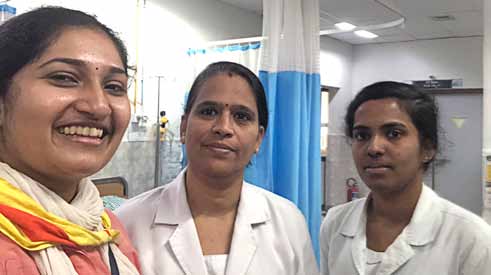
I guess, ultimately, it is all about one’s faith. Yad bhavam tad bhavati. As you think, so you become. In my understanding, faith possibly works on the principles of ‘self-fulfilling prophecy’. When we believe in something strongly, it becomes true for us. Life respects and gives meaning to our faith and spiritual beliefs. What struck me most was the best vacation package that the Divine had blessed me with. I did not have to travel to any far off destination, nor did I have to spend a single penny. And yet I derived such great satisfaction and joy that no trip could have ever given me.
A fortnight of giving love by offering seva and then another week of receiving love by being the recipient of seva. On a lighter note, or perhaps a serious note, does it mean that Bhagawan expects us to give twice of what we receive in life?
Service is so unique. It showers love on the one who offers the seva and also on the one who receives the seva. For, after all, it is Bhagawan who is the ‘doer’ and the ‘receiver’. Hasn’t He said, “I separated Myself from Myself to Love Myself”?
Thank you, Swami! Looking forward to my next vacation and my next ‘Divine’ travel package!
Readers interested in learning Rudram may Click here ☞ https://www.sssmediacentre.org/#/audio-
detail-page1/5f6d82449e4c999cabb2b9aa
Testimonial from a Sevadal Volunteer
I offer my most humble pranams at Swami’s Lotus feet. It gives me immense pleasure and honour to share my experience as a Sevadal at Sri Sathya Sai Institiue Of Higher Medical Sciences. As a Balvikas student, whose parents are ardent devotees of Swami, I only read how Sevadal played an integral role in the Sri Sathya Sai Organisations, but did not experience it first hand.
By Swami’s grace I got the opportunity to serve at SSSIHMS, which will be etched in my mind forever.
I was assigned duty in the Radiology department. My duty was simple, yet I learnt a lot from it. My work was to facilitate the patients and help the nurse procure medicines from the pharmacy. I noticed how kind the sisters were towards the patients. All the scans were done free of cost. The doctors and nurses would infuse hope to the patients and attendants. I was amazed how everyone worked in the hospital with so much love and care for each other.
I wish to thank the Sevadal coordinators and staff of SSSIHMS for their guidance and support in making my experience memorable. I encourage everyone who reads this to volunteer at SSSIHMS, which treats patients, irrespective of their caste, creed, religion, nationality or financial status. Bhagawan always insisted that, as individuals benefitting from living in a community, we should give back to the community. Volunteering at SSSIHMS is an easily available way of giving back to society. Sai Ram.
Sai Deepshikha
Those keen on volunteering at SSSIHMS-Whitefield may
write to directorwfd@sssihms.org.in.
Volunteering · page 30
Q Assist eases OPD Management
It was a Saturday evening. A patient attender walked into the HMIS Department (Hospital Management Information Systems). Generally the reason for such a visit would be some IT related request about loading of external scans, to facilitate our doctors to view the images. This particular attender, however, had a different purpose!
Manoj Manghnani spoke softly with gratitude and narrated that his father was operated by the Neurosurgery department. He was overwhelmed by the work happening at the hospital, and wanted to offer some Seva. He mentioned that he was the CEO of a medium-sized IT company, Pulse Solutions, and wanted to engage with the hospital IT team, and develop something useful in the area of patient care.
It was a humbling experience to receive such a visitor with a intention. We received an mail from him shortly thereafter: “Dear Sirs, Good to meet you last Saturday, as discussed I am…writing to offer any assistance that we can offer towards the Sathya Sai Hospitals IT infrastructure…let me know how I can be of assistance to your noble cause.”
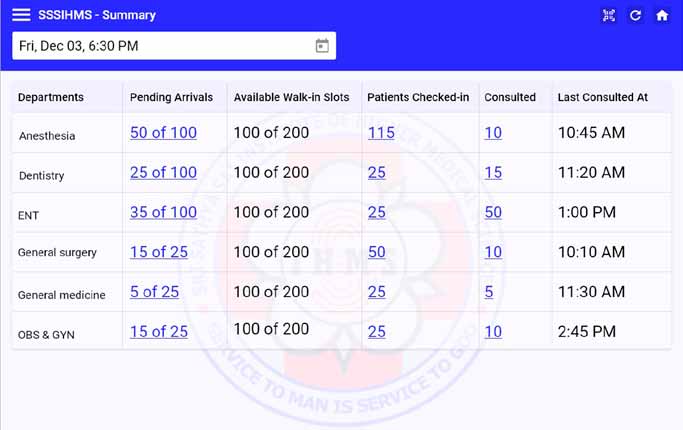
It was clear Manoj’s intent was strong. There ensued a few interactions via conference calls to discuss the requirements. Discussions were very well focused and clear, short deadlines were planned by his team. We could feel the commitment of their team from the way they would meticulously send updates every week.
In the next couple of months, we saw the development of a solution which would help in patient management in the OPDs. The first prototype of the Android application, loaded on a tablet, was demonstrated to us in early January, 2022. Below is a brief note on the functionality of the product developed:
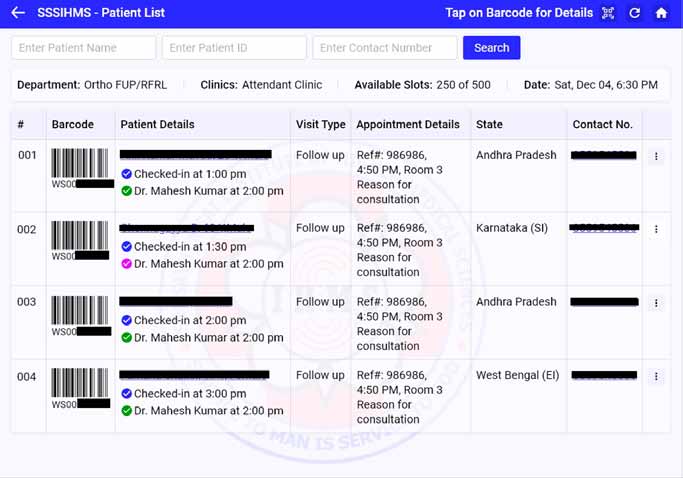
The application named “Q-Assist” runs on a hand-held device (tablet or mobile phone). This device connects via WiFi to the hospital’s local area network and receives all necessary information on the fly to help in managing the patient queue at outpatient consultation areas.
The users of Q-Assist are not restricted to a PC to guide the patient, regarding any information. After deploying the Q-Assist device, it was closely monitored and feedback exchanged regularly with Pulse Solutions.
Below is a testimonial from a user of Q-Assist after five months of its deployment:
“I am really very thankful to the team who made this available to me. May Swami bless them all with happiness. This tab has made my job easier in so many ways, be it for calling patients as per token for consultation, checking whether the orders have been placed or not, and whether the patient has to wait for discussion with a senior doctor.
Gunasekaran N. Sr. Manager-HMIS Screenshots of Q Assist
SAI Counselling · page 31
Annual Report
The Department of Counselling at the Hospital during the COVID period of 2020 to 2021 followed the Hospital guidelines and also had to take into consideration that virtually all the counsellors were senior citizens living outside the campus. The Government restrictions in this regard had also to be followed. However, counselling services for patients continued with adopting Tele-Counselling, for which the counsellors underwent an intense compressed training program.
Post COVID, the Counselling Department in the Hospital reopened on 23rd November 2021, offering the usual counselling services to the patients initially on three days in a week, while also continuing with the Tele-Counselling. On 1st November 2022, the Counselling Department was able to restore its services to the patients Monday through Saturday on all six days, with Counsellors available daily to cover the languages as done before. This has continued through 2022 with all cardiac and neuro discharge patients brought to Swami’s shrine room in the Counselling Department and given an opportunity to pray to the God of ‘Their Choice’ and Swami, experience the powerful Divine Energy, and express their gratitude for receiving the best quality treatment at a very unique ‘Temple of Healing’ before they leave for their homes.
The Counsellors follow up with the patients after receiving the hospital Discharge Summary from the patient to ensure the patient’s compliance with the Discharge Advice. The patients and caregivers are counselled about the importance of continuing the BRMC therapy taught in the hospital by the counsellors, which gave them the strength and confidence to face the major surgeries they had to undergo. Further, daily practice would act like a tonic for their continued ‘well-being’. The patients and the caregivers generally keep in touch with the Counsellors with whom they have bonded during their hospital stay and reach out whenever there is a need.
Further, the students of the Nursing College, who need counselling support as referred by the Principal and the Warden of the Nursing College are also being counselled by the Counsellors. The Counselling Department has been receiving an increasing number of referrals from the OPD doctors, the Blood Bank and from the ICU doctors for counselling support.
During 2022, the Counselling Department averaged around 30 counselling sessions per day going up to 45. Annually, it translates to around 10,000 counselling sessions to address the mind and the spirit of the patients who come here for total healing of body,mind and spirit as envisaged by Our Beloved Bhagawan, and as embedded in the Mission Statement of our Hospital.
Jai Sai Ram
Gita Umesh Umesh Rao
Head of Department Senior Consultant & Mentor Dept. of Counselling Dept. of Counselling
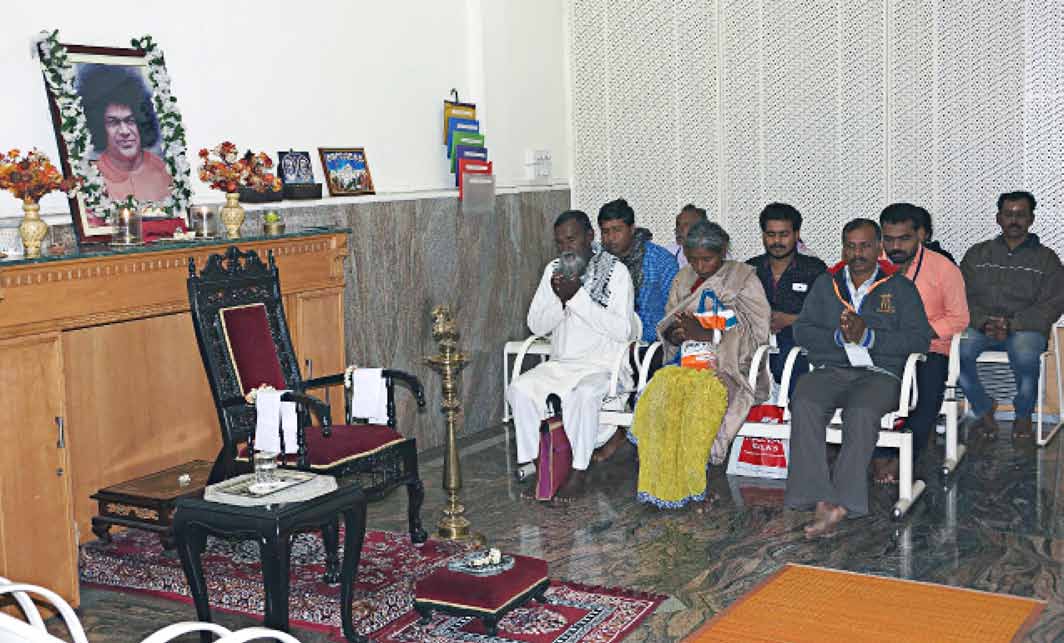
Patients praying in the healing space of the Counselling department
Manohriday · page 32
Nursing College News
Annual Report Jan - Dec 2022
- 73rd Republic Day - 26th January
- Lamp Lighting Ceremony - 21st February World Tuberculosis Week - 21st - 26th March
- Theme: Invest to End TB. Save Life Graduation Ceremony - 24th March World Health Day - 7th April Education in Human Values Program - 30th April World Environment Day - 5th June World Environment Day was celebrated on 5th June, 2022. As the part of the celebration, students of SSSIHMS Nursing College had displayed charts on the importance of World Environmental Day. World Day Against Child Labour Program - 12th June International Yoga Day - 21st June Theme: ‘Yoga for Humanity”. International Day Against Drug Abuse & Illicit Trafficking - 26th June In-service Education Programme - 29th June Topic: Sexual harassment of Women at Workplace Farewell Program - 8th July Theme: Metanoia Sai Samskruthi Vaibhavam - Orientation Program
th
-13th August Gratitude Program - 14th August Independence Day - 15th August Student Nurses Association (SNA) Election - 1st October Dr. Pritha L. - Advisor Tamanna - Vice-president Samiksha Thapa - Secretary Riya Gurung - Treasurer SNA Carnival - 26th November Theme: “CRYSTAL SATURNALIA” -meaning Silver fiesta or celebration.
The SSSIHMS-Whitefield College of Nursing will be celebrating the Crystal Anniversary (15 years) in September, 2023. In the run up to the Anniversary, the College is taking up several creative ways to celebrate the
occasion.
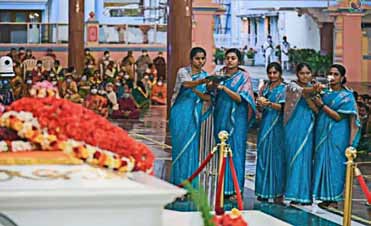
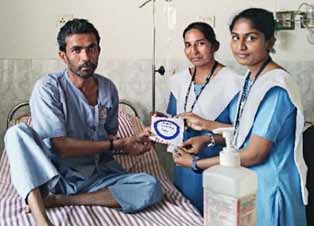
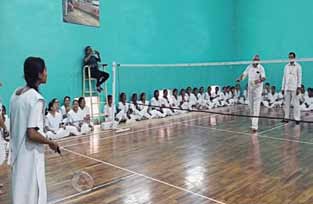
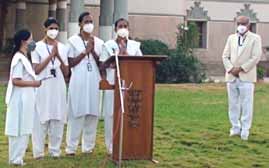
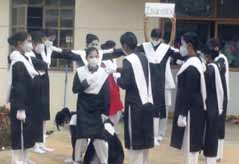
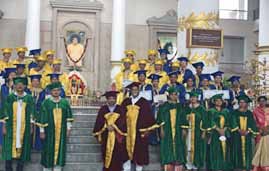
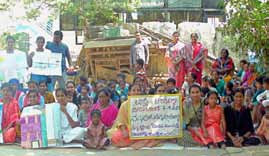
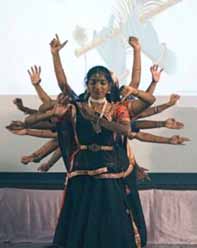
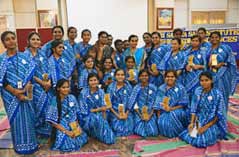
Manohriday · page 33
College of Nursing & Allied Health Sciences Alumni Contributions
A Puppet in the Divine Hands
I was very adamant by nature. Before coming here, I knew nothing about Swami. I had heard only about Shirdi Sai. The first time my husband showed me a picture of Sri Sathya Sai Baba, I could neither believe nor accept him as God.
During my marriage in March 2016, I was completing my first year of B.Sc., Clinical Lab Technology at Coimbatore. Since my husband was working at SSSIHMS-Whitefield, and the Institution had the course I was studying, the situation forced me to apply there for admission. Honestly, I was not interested in joining the SSSIHMS College of Nursing and Allied Health Sciences, but ended up appearing for the entrance exam in June 2016.
Seeing His photograph in the Hospital, I recall challenging Him saying, “If you’re really God then I should not pass this entrance exam”. I decided I will purposely mark answers incorrectly, even to questions for which I knew the right answers. I thought that this plan would ensure I do not clear the exam, so I can go back to Coimbatore and stay with my parents for two more years. Then came the twist. To satisfy me, Swami played a game. When they announced the results of the entrance exam, my name was not there. I was thrilled and started back to Coimbatore. Couple of days later, I got a call, asking me to confirm whether I would be joining the college at SSSIHMS Whitefield! I wondered how that could happen when my name was not there in the selected-candidates list! It is purely the work of the unseen hands of the Lord, which included my name in the final list, thereby making me a student of the ninth batch of this esteemed Institution.
When I joined the college and hostel, I had many challenges, starting with the basic need to speak good English to communicate with others. I was comfortable in conversing only in my mother tongue, Tamil. To make me comfortable, Swami gifted me a nice group of friends and I slowly adjusted to the new culture and environment. During my first year trip to Puttaparthi I told Swami, “If you do some miracle, then I will accept you as God”. To my surprise, Swami did something which I personally experienced and cherish forever. That changed my belief in Him and increased my faith in His Divinity. Slowly, things changed and I developed interest in learning bhajans, vedam etc. I could feel I changed a lot. Joining the Institute and participating in the hostel activities made my life very colorful. I realized that everything happens for our own good, though we may not realize it at the time. Let us surrender ourselves to Him and He will take care of the rest.
I am ever grateful to the Divine Director for making me a puppet and pulling His strings on me to make me a part of His story.
S. Vallishri, B.Sc., MLT (9th batch) vallishri.g@gmail.com
Lord of the Universe
He is the Man Divine, One to whom we all pray, One whose name we all recite, One who makes us blissful in His presence,
One who makes us realise our mistakes, One who shows us the way to sacredness, One who showed mankind love and humanity, One who made us all know purity and divinity, He loves us, sees us, supports us and is present with us,
Never leaves us, never let’s us down, Always guards and guides us by holding our hands
Deep rooted in our hearts as Mother Sai
Ms. Kidambi Vaishnavi Saranya
B.Sc, Anaesthesia Technology (10th batch) vaishnavikidambi17@gmail.com Ms. Sharoon Joseph, B.Sc. Nursing (2nd batch)
sharoonelizabath@gmail.com
Manohriday · pages 34–35
Festivals & Campus Activities
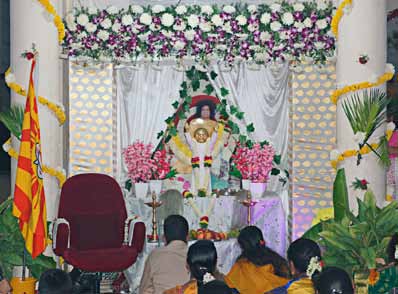
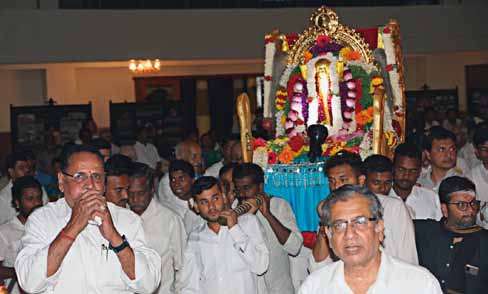
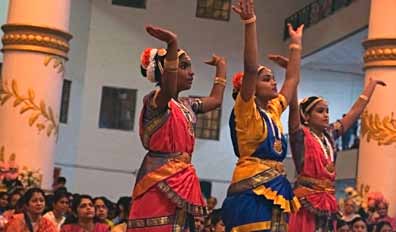
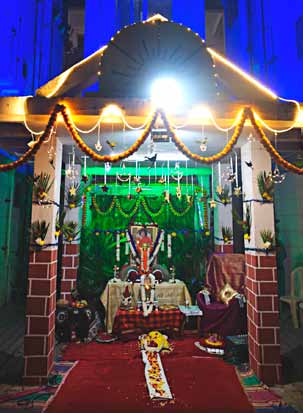
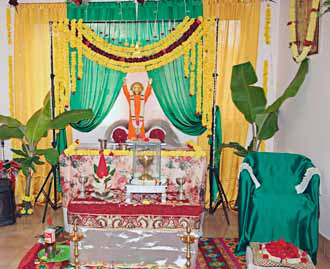
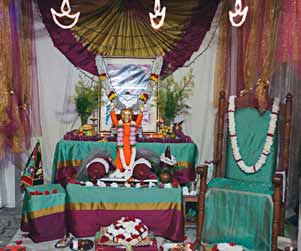
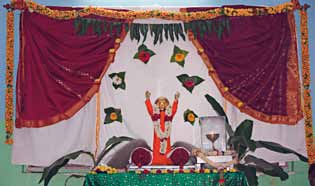
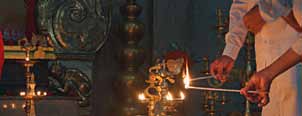
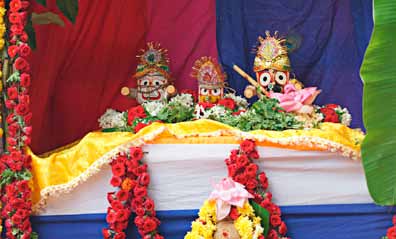
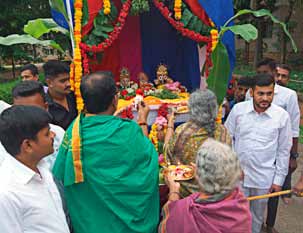
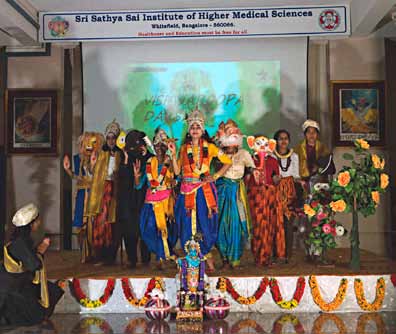
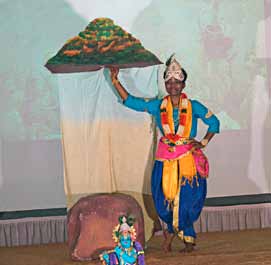
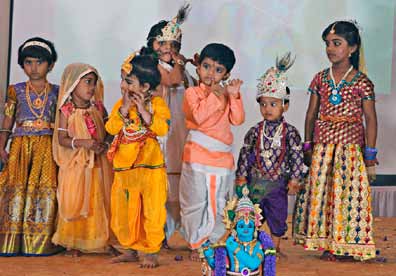
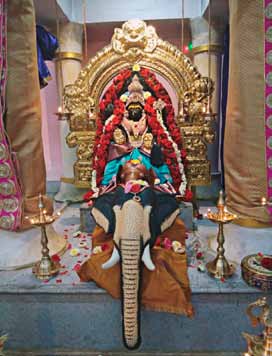
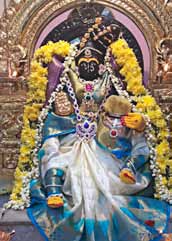
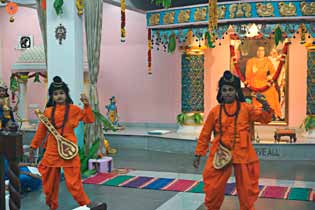

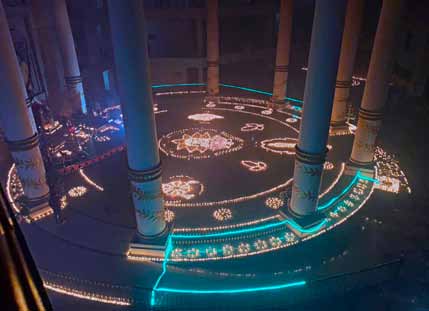
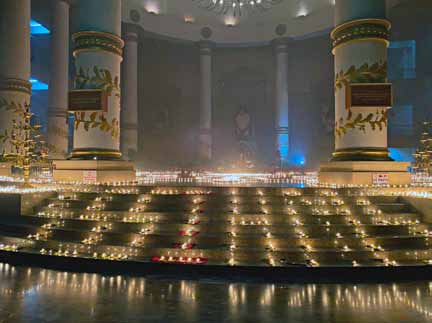
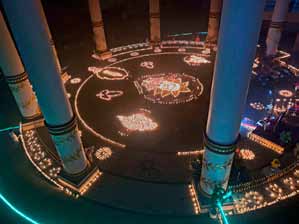
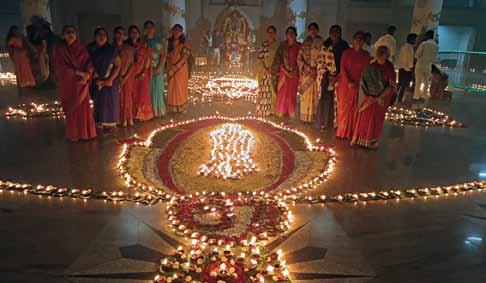
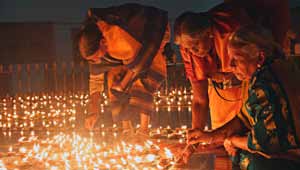
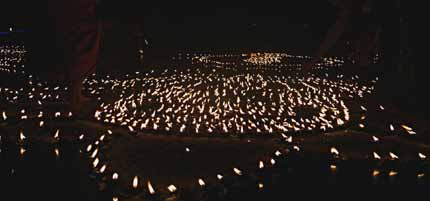
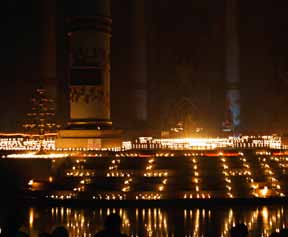
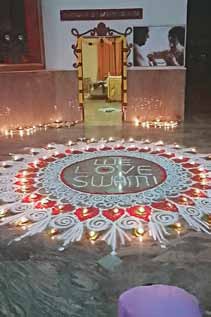
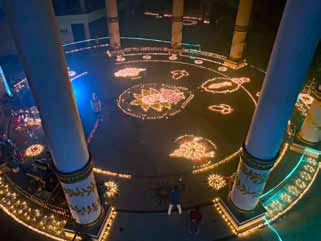
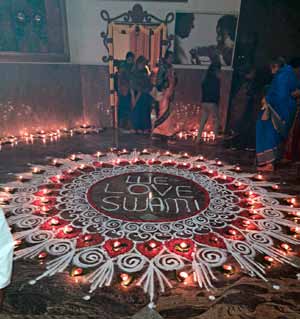
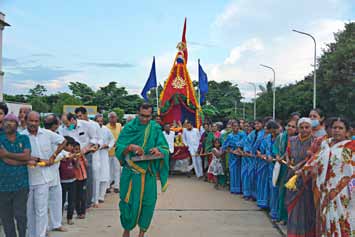
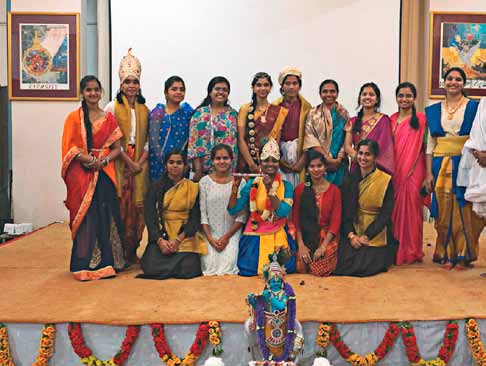
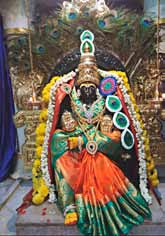
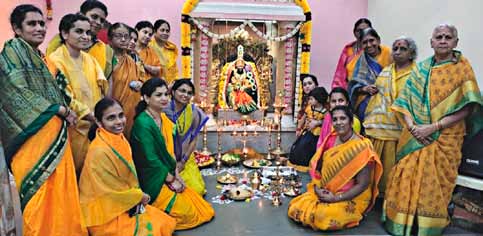
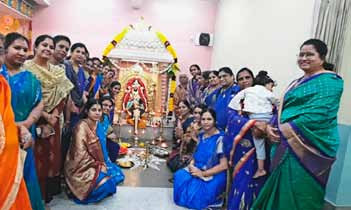
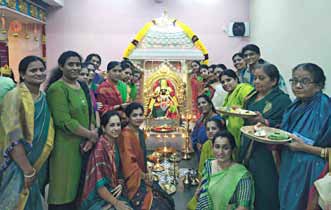
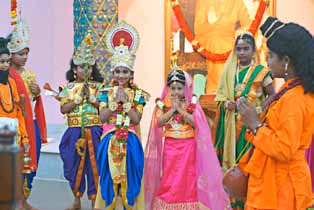
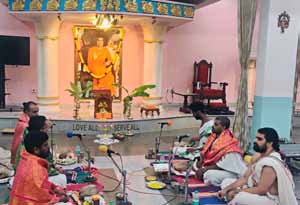
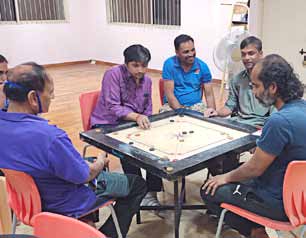
Covers · pages 1 and 36
Cover pictures
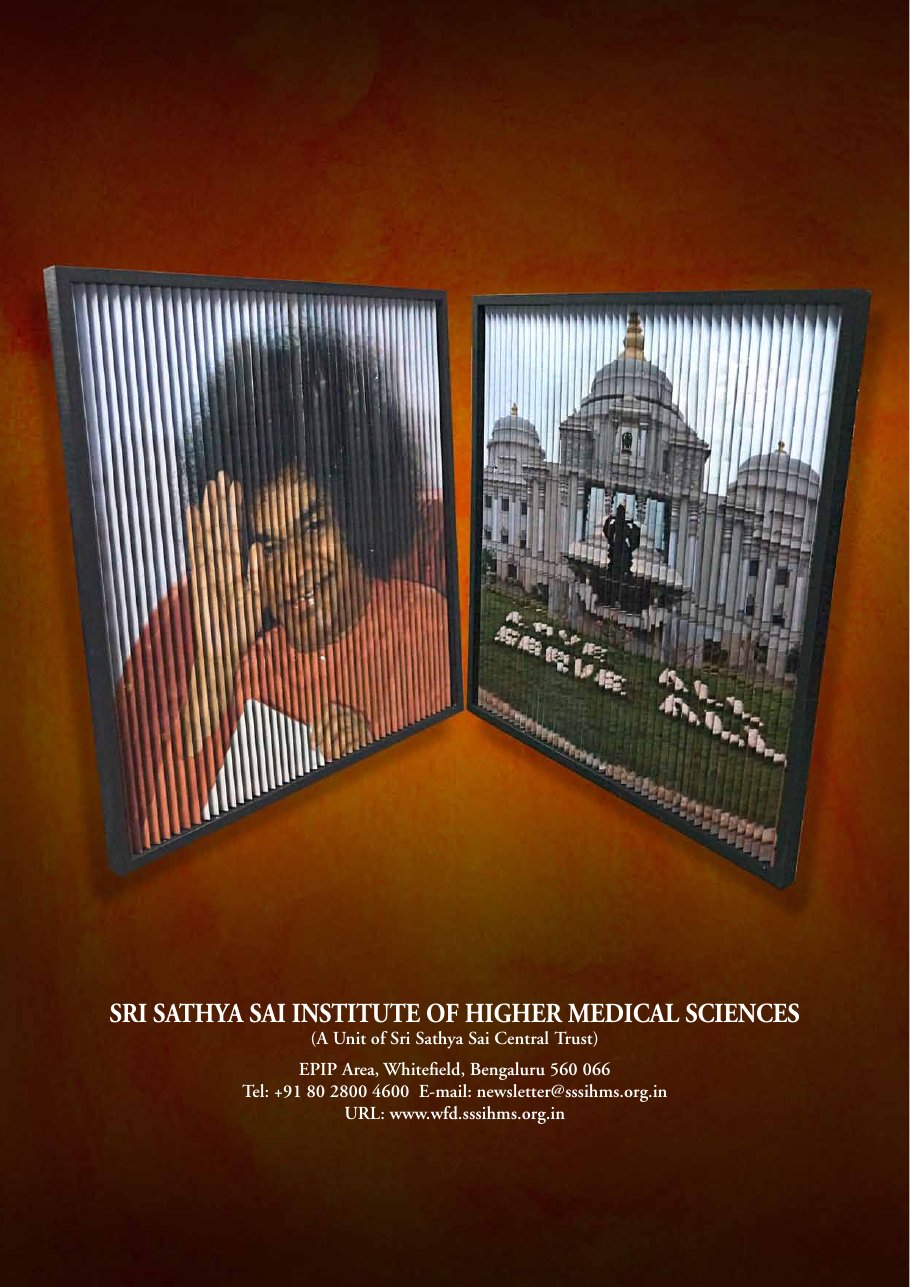
Pictures used on the covers and contents page