The journal of SSSIHMS · January 2022
Manohriday
the annual journal of Sri Sathya Sai Institute of Higher Medical Sciences, Whitefield.
- Issue
- January 2022
- Published by
- SSSIHMS, Whitefield
- In this issue
- 29 sections · 124 pictures
- Print edition
- 44 pages
Manohriday · page 2
Opening pages
The signs of progress and growth are evident in the way new additions have been made to the infrastructure.
We bring you a few heartwarming stories, that highlight the grace Bhagawan showers on the poorest of the poor, through these temples of healing.
In a world, where rampant pollution and insensitivity towards environmental issues are causing a decline in the ability of the planet to sustain itself, we highlight the baby steps the Dear Readers,
The satisfaction we feel after having done our best in serving another is perhaps one of the most fulfilling experience of our lives. As we bring out the current issue of Mano Hriday, on the occasion of the 21st anniversary of Sri Sathya Sai Institute of Higher Medical Sciences, we can’t help expressing our gratitude to Bhagawan Sri Sathya Sai Baba, for having set up these temples of healing, and giving all those associated with it, an opportunity to alleviate suffering in our fellow human beings.
Manohriday · page 2
Editorial
Institute has taken to reduce the amount of waste it generates. Read about it in the focus article on Zero-Waste.
It is our honor to also bring to you an interview with our senior pediatrician, who has been serving the Sri Sathya Sai General Hospital with devotion to Swami for over three decades.
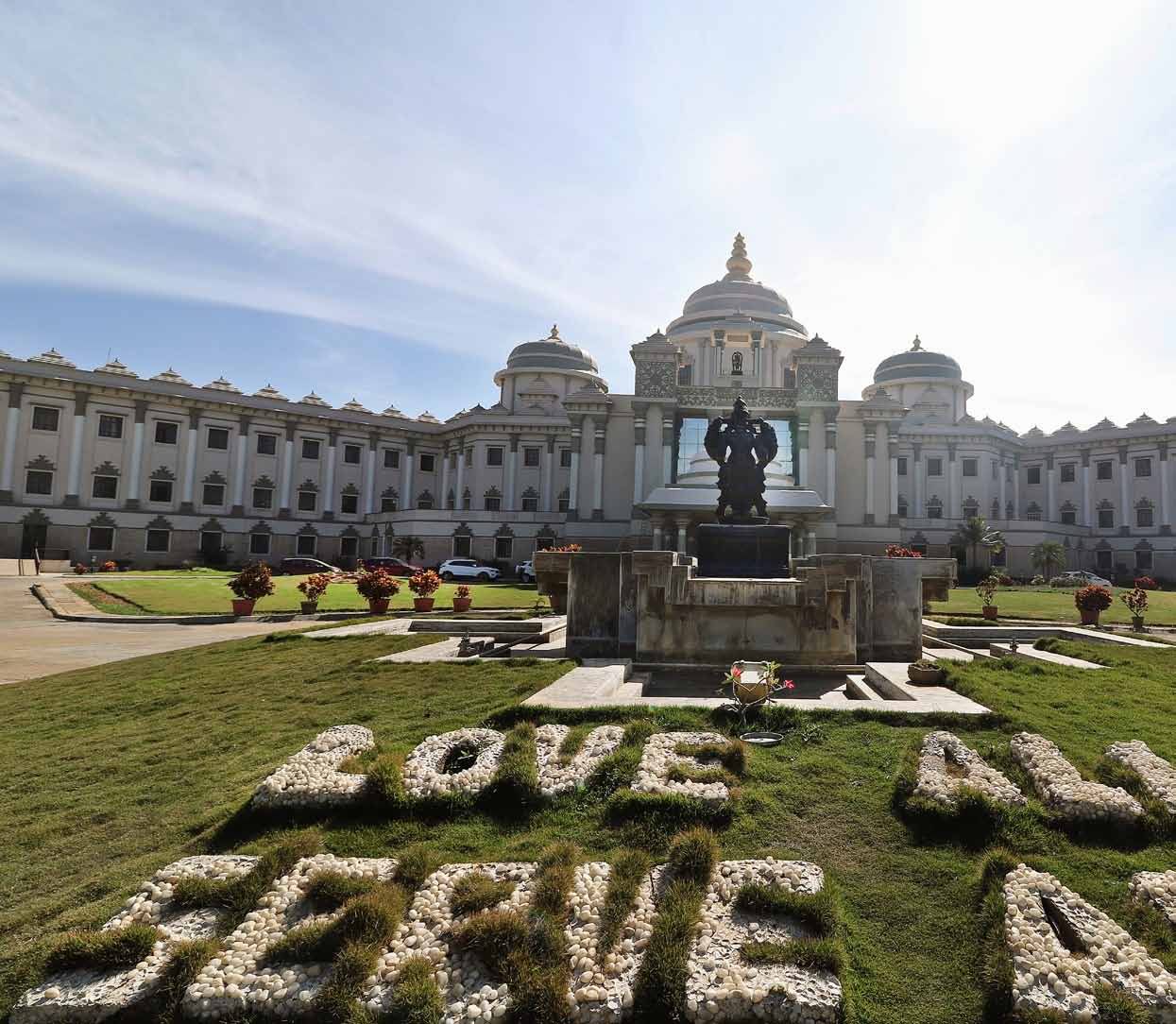
Thank you to all who have been part of the journey of growth and fulfillment at SSSIHMS-Whitefield.
– The Editors With the second wave of the Covid pandemic in 2021, there were many opportunities to serve the regular hospital patients, and those affected by Covid, all the while protecting ourselves from the highly transmissible virus. It was a challenging time for all concerned, and an opportunity for us to re-evaluate our values, dig deeper into faith in Him and continue to serve patients, as best as we could.
As you read through this issue, you will appreciate how the various departments prepared themselves to continue to serve patients during the pandemic.

Report · page 4
Anniversary Celebrations
st
Manohriday · pages 4–5
Excerpts from the Director’s speech delivered on the occasion of the Anniversary Celebrations
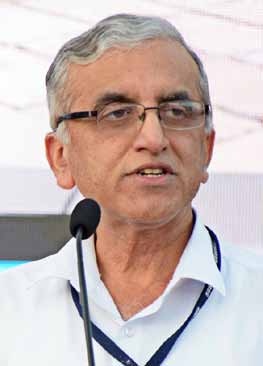
This year marked a particularly difficult period for the normal running of the hospital services. We were called upon to, not only deal with the regular patients pertaining to the various specialties that we run, but also to simultaneously treat patients affected with Covid-19, both as outpatients and inpatients. Given the transmissible nature of the condition, it became necessary to work with precautions, including use of PPE, segregation of patients into different wards and arrangements to quarantine patients, who were tested and planned for elective surgery or procedures.
Further, the compulsions to treat emergencies with as much precaution as possible added to the complexity. Many staff became sick and needed isolation at home or admission to the hospital themselves. For a period of time a full-fledged Covid ICU was run with many very ill patients on ventilators. Special duty staff rosters were created and arrangements made for their functioning in reasonable comfort. The various recommendations made by the Government Health Department from time-to-time were also followed.
All the departments of the hospital rose to meet this challenge with admirable determination and devotion. Whether it be housekeeping, waste management, security, screening and queue management at the gate and OPDs, round-the-clock nursing care or medical and surgical treatment by doctors, administrative arrangements to provide food and nourishment to quarantined patients and staff, all worked together as a team to do their best to tide over the situation successfully.
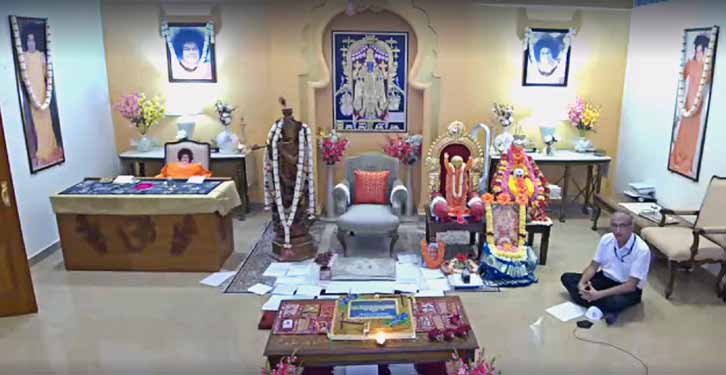
The availability of high quality medical care delivered in a reassuring atmosphere, completely free of cost was a boon to patients given by Bhagawan and delivered through our dedicated staff. The story of how such services were rendered as well as numerous others which describe the specialized care given to patients whose condition did not permit waiting for the pandemic to get over, are described in this issue of Mano Hriday.
The readers can appreciate the unique role played by Bhagawan’s Hospital in these testing times by going through this issue.
I take this opportunity to thank each and every one of our staff for their contributions throughout this challenging year. I also thank the Sri Sathya Sai Central Trust for their unstinted support and understanding, which enabled us to carry out this mission with energy, enthusiasm and gratitude to Bhagawan for His Grace through these challenging times.
st
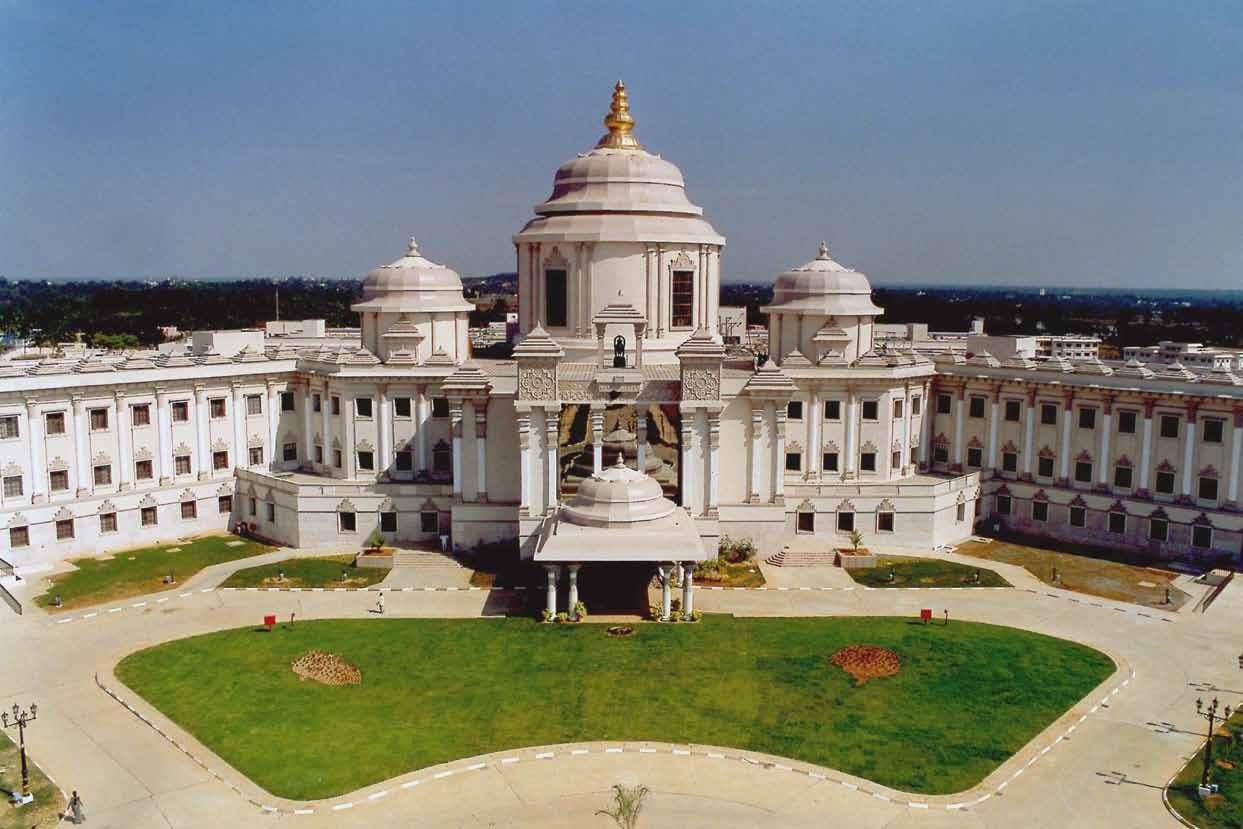
Manohriday · page 6
Report: Counselling Department
In Covid-19 situation of March 2019-Nov 2020, we hoped that everything would be alright but in reality, there was uncertainty. Department of counselling had to be closed down, which caused anxiety. Thanks to our mentors, the quote “The family that prays together stays together” worked for the counselling team. Smt. Gita & Sri Umesh Rao introduced the detailed tele-counselling training program meticulously to the 22 counsellors to address the concerns of the patients, by connecting over the phone.
Tele-counselling is not a one-time activity. Periodic followups helped the patients stand on their own feet and bring about a change in their lives and in the lives of their family. The unique SAI Counselling therapy of BRMC can be taught via tele-counselling to the patients and their families. The positive energy has a ripple effect and rubs off to the rest of the household. Follow-ups to ensure patients are taking their medicines are important. When we hear about the difficulties that they face, learning happens. Eg: Limitations and restrictions of labs to test their PT INR or when they forget to take their discharge summaries, we get to know whether the patients are using the information given to them.
1. Training in Rheumatic Heart Disease (RHD) & Coronary Artery Disease (CAD): Our mentors infused confidence by conducting 30 sessions of 3 hours each on various topics for example using silence and building our listening skills. We used role plays, reviews and a combination of peer-supported learning to enhance the training module, including Body Relaxation & Mind Cleansing (BRMC) therapy to the patient. We could engage with patients as per their convenience and need, including language compatibility between counsellor and patient. We took up explaining the discharge summary for the RHD patients who had left our hospital in 2019 and whose contact numbers were available at the counselling department. Essential blood investigations followed by doctors consultation, diet, regular exercise, pursuit of hobbies, review for follow up to mention a few. The spiritual life through prayers/ relaxation was part of patient education and reducing risks of heart problems. This paved the way for counselling patients who were coming for treatment during the covid, including covid patients. Counselling department opened on 23-Nov-2021 briefly to patients who were discharged and whose caregivers were still in hospital. They had a tremendous sense of unburdening at the shrine to the God of their choice. They were connected to their counsellors to briefly express their feelings, as this would enable future sessions to be more beneficial.
2. BRMC over phone was fine tuned for patients. Guiding patients and asking for feedback about their abdomen movement to ensure that they are not breathing in reverse. Patients were advised to take medication as per doctors’ prescription and meditation were often prescribed to many patients.
3. Activities for Counsellors: The spiritual strength through prayers, veda chanting bhajans and silent mediations sessions over online platforms energized the counsellors and kept them connected. The technical support among the team members for effective communication, creating groups for posting and reporting events and meetings including MOM was streamlined.
4. The Monthly Second Sunday Meet: kept all the counsellors stay connected and bond very well with their group. Team work resulted in meaningful presentations and the presenting team learned a lot about the chosen topic and listening counsellors also learnt from the presentations. Monthly presentation including topics like anger management, nava vidha bhakti, psychological contact, building resilience, acceptance, mind and its mysteries, courage and faith to mention a few. These topics were relevant to counselling and thus gave new insights into the counselling process itself. The SAI (Spirituality Awareness Integration) way of counselling integrated with person-centred approach of counselling made a greater impact on each counsellor.
5. Guest Speakers: On certain Monthly meetings, we had invited a few professionals and medical doctors to address the counsellors.
- Dr Joshy a Neurologist reinforced the Holistic Neurology approach using mirror neurons to bring in the additional dimensions of the mind and the spirit and how it can be addressed to a number of neurological conditions.
- Dr Jwala Narayanan, a neuropsychologist, works with people who undergo neurosurgical procedures and suffer cognitive or emotional impairment. She spoke of rehabilitation and integration to society of such patients.
- Mr. Ankur Jain from INSEAD spoke about Managing Challenges in a social intrapreneurial process. He shared the positive feedback given by the hospital staff about the counselling department.
6. Case Studies, Reviews & Presentations: Weekly interaction improved our discussions and gave us an additional dimension to each counsellors’ case study through which we gained clarity. The presentations were professional and every perspective of each case was analyzed by the team.
7. Selection of Nursing Students: The counsellors interviewed and selected students for Nursing College of SSSIHMS both in 2020 and 2021, keeping in mind the attitude and commitment of the chosen candidate to the profession.
8. A Book on the Genesis of the Counselling Department (2001- 21): This book has addressed a long felt need for documenting the history of the Counselling Department - the unique program conceptualised, nurtured and sustained by our beloved Swami at SSSIHMS, Whitefield. Aptly named ‘Tamaso Maa Jyothir Gamaya’, the book took a lot of dedicated work all under Swami’s guidance and the love the SAI counsellors had for Him. The book was offered at Swami’s Lotus Feet on Guru Purnima day, 2021, the 20th anniversary year of the hospital.
Manohriday · page 7
Upgrades Equipment & Infrastructure
Shelter for Patients
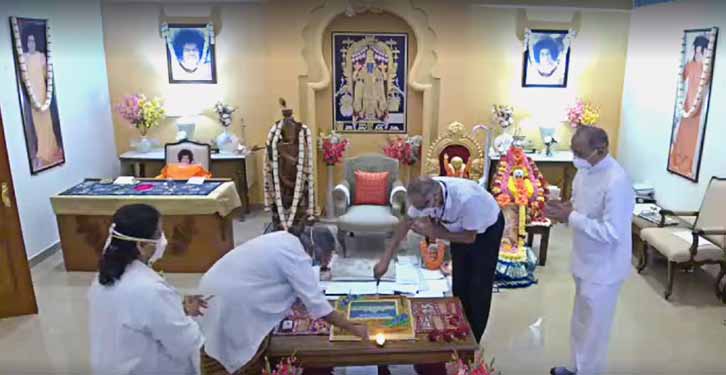
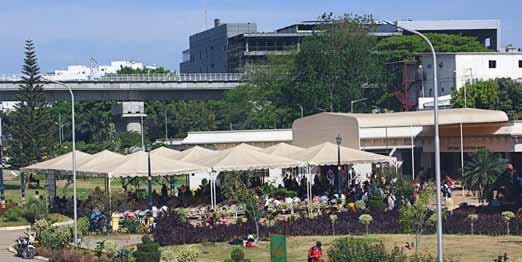
To ensure social distancing and to provide shade, a canopy was erected outside the screening block with support from the 1997 batch of alumni of SSSIHL (Brindavan campus). The seating capacity of the canopy is around 450-500.
Digital ECG Machine
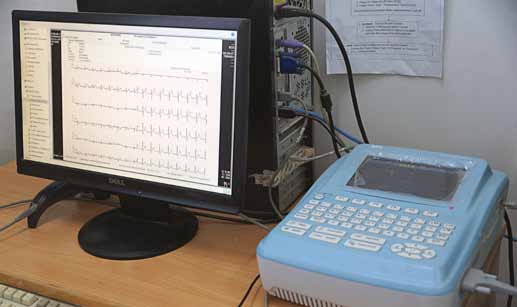
To reduce paper printouts, a digital ECG machine from BPL was for procured for use in the Sri Sathya Sai General Hospital. The ECGs are stored in the PACS system for easy transmission and future reference.
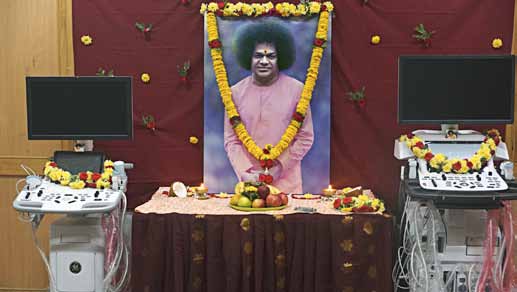
Ladies’ Sevadal Block Renovation
The Ladies’ Sevadal block, which was used as a quarantine block was renovated to provide better living and bathing facilities for the elderly ladies Sevadal, who serve on a permanent basis at SSSIHMS-Whitefield.
Treadmill for Stress Test
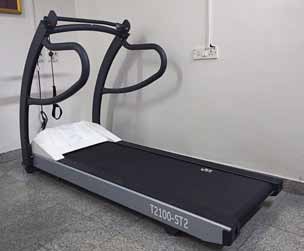
The Cardiology department was equipped with 1 no. GE’s T2100 ST2. This was a replacement for the 20-year old Case 8000 treadmill, which has been in use since 2001. This model is the best available for patient comfort, user satisfaction and ruggedness.
Echo-cardiography Machines
The Cardiology department was also equipped with GE Vivid E95 Ultra Edition which is the latest in ultrasound technology & GE Vivid T8, which is a workhorse ultrasound. With the help of these two equipment, the department plans to expand into fetal echocardiography and vascular ultrasound.
Balloon Drier & Catheter Reprocessing Machine
The Cardiology department received a catheter reprocessing machine, to save manpower and bring in efficiency and reliability in the safe re-use of catheters. They also procured a balloon dryer, which saves manpower in drying the insides of the balloons, as a prerequisite for sterilization.
Ventilators GE -
Carescape R860 Ventilators - 5 nos. Both the cardiac & neuro ICUs received under CSR from United Way Bengaluru, 5 nos. each of GE’s Carescape R860 ventilators and 2 nos. Maquet’s Servo Air ventilators. Apart from these, they also contributed 5 nos. GE B125 patient monitors for use in the Neuro & GH OTs.
Patient Monitors in CTVS Upgraded
The Institute invested in replacing the 20-year old Agilent patient monitors in the CTVS OT & ICU with monitors from Nihon Kohden, Japan. The replacement of monitors in the Neuro OTs and ICUs are scheduled for replacement in the second phase.
Oxygen Generator Procured
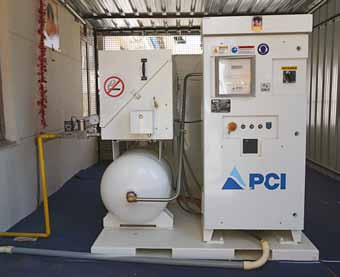
With the support of Prasanthi Trust, USA a DOCS 200 oxygen generating plant, manufactured by PCI Gases India Pvt. Ltd. was procured and installed during 2021. At its peak, this plant is capable of generating 200 lpm of oxygen at the required pressure. This would help the Institute be self-reliant in the generation of oxygen for use in the hospital.
Manohriday · page 8
Patient Care Covid Preparedness During Second Wave
Introduction:
Coronavirus-2 (SARS-CoV-2), termed COVID-19, has aroused the attention of the entire world since March 2020. Covid pneumonia with acute hypoxemic respiratory failure (AHRF) or acute respiratory distress syndrome (ARDS), sepsis, and multi-organ failure did necessitate dire need for oxygen therapy and ventilation in well-equipped critical care units (CCUs/ICUs). During second wave from March-to-June 2021, Covid patients were sicker, demanding skill-intensive facilities such as high dependency units (HDUs) with high flow oxygen/NIV (non-invasive ventilation) and ICUs with ventilation, elaborative monitoring, specific drugs such, as antiviral antibiotics, monoclonal antibodies and critical care nursing to handle sudden increased patient load out of proportion to existing health care facilities.
Preparedness Initiatives:
In line with the nation’s demand, our preparedness was initiated. A Task Force group was formed to formulate an operative plan and procedure to admit patients. Sri Mahadevan, Sr. Manager-Gen. Hospital, was designated as Manager of the Covid Ward. Dr. Ram Kumar, senior consultant, was in charge of the treatment protocols for Covid ward patients. Dr. Kolli S. Chalam was in charge of Covid HDU and ICU. The HR department and Director’s office dealt with the local govt. / BBMP procedures and policies. The Director was the overall incharge of the functioning of the Covid care services.
The nursing college and cardiac ward were identified and renovated with facilities of continuous oxygen availability, positive pressure ventilation (BiPAP and CPAP), endotracheal intubation with new gadgets like video laryngoscopes, fiberoptic bronchoscopes, closed airway suction, tracheostomy sets, nebulizer treatment, bronchoscopy and round the clock chest physiotherapy. Special barricading was provided to ensure Covid & non-Covid patients were kept separate and protected.
Simultaneously, the neuro ICU in the second floor was converted into a 10-bedded Covid ICU, with negative pressure rooms, equipped with 11 ventilators, patient monitors, drug trolleys with all supplies for advanced care. Medical and Central Stores were in constant communication with vendors to supply all the needed equipment, supplies and medicines, both for emergency and elective usage.
Drills:
Thorough briefing of the work flow starting from gate 2 to Covid ward and/or ICU, was given to all staff viz. office executives, paramedics, managers, nurses, ward boys/ housekeeping and doctors with a special emphasis on administrative, technical, anti-infective measures, donning and doffing of PPE and protocolised treatments.
The dept. of anaesthesiology and critical care medicine took a lead role and devised protocols for ventilatory therapy, nebulisation treatments, drug therapies, blood transfusion, plasma therapies, lab testing, IV fluids, and nutrition. All protocols were updated from time to time with available evidence. Patients’ progress charts were printed and made available. A workflow demo was given to all stakeholders involved in the Covid service.
Protocolised Treatment Approach with Periodic Updates:
Medical staff from all clinical departments were grouped into duty rosters covering casualty, Covid ward and ICUs in shift duties, in collaboration with nursing duty shifts. One anesthesia consultant was made responsible to take care of all the patients in Covid ward requiring oxygen therapy in HDU beds. She would liaison with the internal medicine department in fine tuning medications, IV fluids, inhalational therapy with heparin etc. and also monitoring patients’ progress to assess the need for escalation to ICU admission. Additionally, she along with incharge senior manager, was in touch with patients’ relatives to update them with the progress of all admitted patients.
Remaining four anesthesia consultants took Covid ICU duties on rotation basis once in four days. The duty consultant on the morning of her/his duty met the HOD anaesthesiology for briefing and debriefing of the clinical state of all patients in the doctors’ lounge in the first floor with an update of vital signs, ventilatory settings, and lab reports. Duty residents and consultants of other departments would also join the discussion to have the complete update. Comprehensive treatment plan was designed for every patient during that clinical meeting and it would be executed by duty anaesthesia consultant after taking a thorough round of all patients wearing PPE along with other shift doctors and nurses. After the morning hours of work, duty anaesthesiology consultant would remain on call for the entire 24 hrs if any incumbent need arises to pitch in. Such a rigorous duty schedule was in force for the entire period of the second wave. All the departments such as casualty, microbiology, blood bank, radiology, CSSD, biomedical, engineering and waste disposal units worked together as a well-oiled team to deliver the unanticipated and never-done-before work, and it turned out to be a fruitful and gratifying service to the needy, during such times of a global health crisis.
New tests like D-dimer & ferritin were added for effective monitoring of the patients.
Patient Statistics:
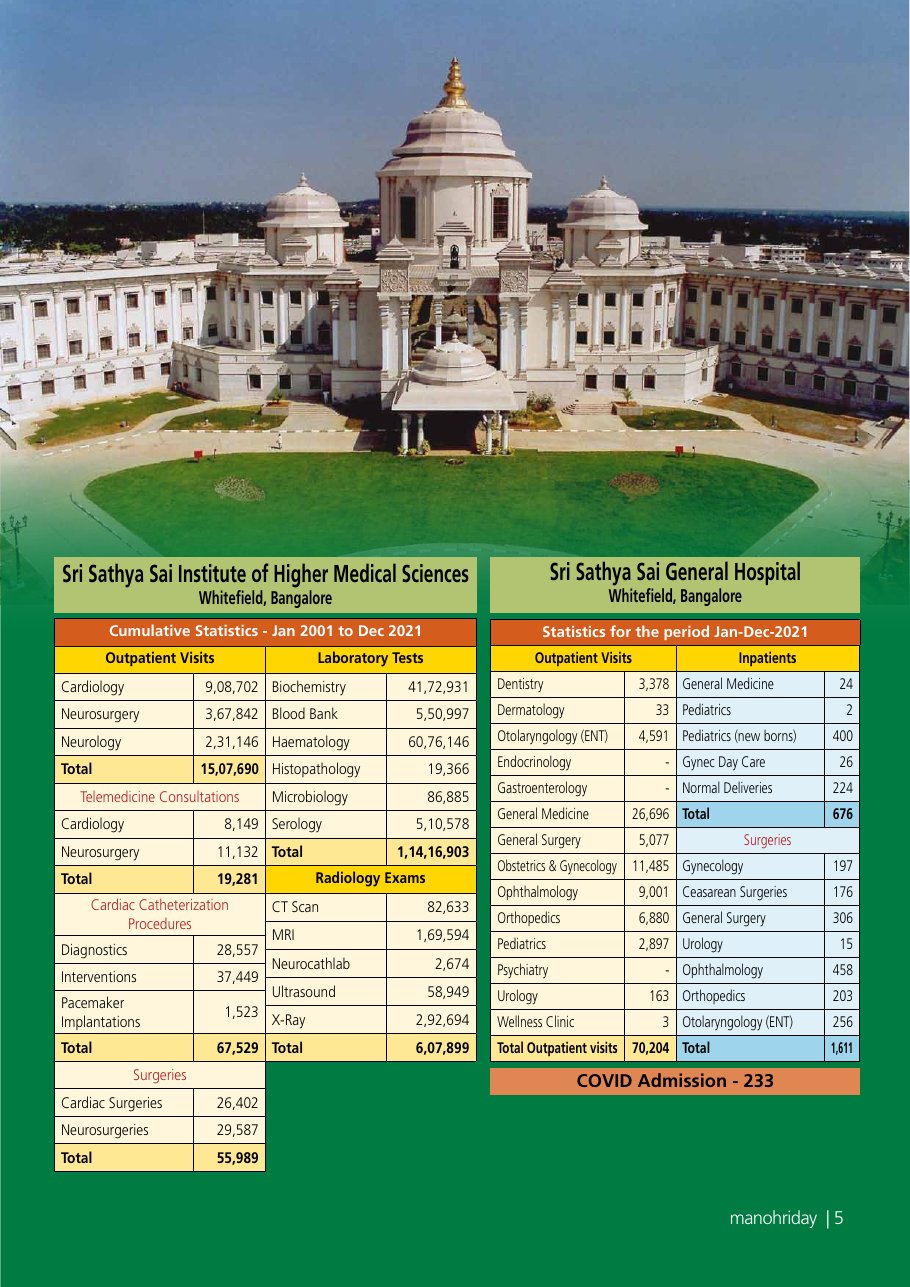
Out of a total of Covid admissions of 233, 205 patients were treated in the Covid ward and 28 patients were treated in the Covid ICU.
The entire attending team felt that the unseen, Divine Hand was behind us supporting, guiding and guarding in every sphere of our initiative to deal with the pandemic with strength and dignity of labour.
Dr. Kolli S. Chalam
Sr. Consultant & Head of Department of Anaesthesiology & Critical Care SSSIHMS-Whitefield
Manohriday · pages 9–10
Testimonials from beneficiaries
Last year when the second wave happened we were really taken aback at the rapidity of events which took place. Though we were in a bubble, few of the students had come back for writing their final exams got affected by Covid. And with that it revealed that almost 25 students and staff were also infected. Now this is a very large number to manage isolation and other essentials for quarantine and monitoring
within the Hostel. Lo and Behold!, our Swami’s Super Speciality Hospital absorbed all of us. As we discovered that just a month back they had set aside an entire wing as Covid
ward and assigned specific staff with all the necessary kits to take care of this need. Even as we reached in the certified ambulances we were guided to go through specific passages
which were sprayed with necessary disinfectants to reach our ward. There we noticed the dedicated team of doctors and nurses wearing the PPE kits from morning to evening, night to day, round clock, monitoring all the patients with regular diet, fruits and medication. Also advising us to do the breathing and proning exercises to boost up our natural immunity. In between there would be serious patients coming
who also would be immediately taken care of. Believe me, I myself used the PPE kit in some circumstance and found it extremely difficult to manage beyond half an hour and here were nurses and doctors doing it round the clock
without a trace of irritation and with so much of love and concern for us to get better. My eternal gratitude to
all of these staff from top most administrators, doctors, nurses, dieticians and to the ward boys who also
served by keeping the place very clean and providing safe drinking water with hot water kettles &
units to do steam inhalation. The list can go on. It was more like a vacation with home care for us rather than
being in an ‘hospital’. My eternal gratitude to Swami who has inspired all these Staff to have dedicated their lives in this service to us and to the humanity at large. Sairam!
M.G. Nanda Gopal, Asst. Librarian (Honorary) Sri Sathya Sai Institute of Higher Learning, Brindavan Campus
Passion to Serve
When Covid stuck us with fast pace, Swami’s hospital rescued us in this phase,
Parents sighed a sense of relief, Enhancing their belief, in our God’s grace,
They healed our bodies and touched our hearts with smiling faces, Soon we recovered and smiles returned to our faces,
Eternally grateful in their race to serve, Proved again that hands that serve,
are holier than lips that pray.
Dr. Malleswar, Sri Sathya Sai Hostel Brindavan I am forever grateful to Swami and His divine instruments for taking me into His hospital and providing treatment that not
even the best hospitals in Bangalore would provide. They would enquire about me on a daily basis making sure
I am comfortable and treatment is going well. Such personal care is very rare.
Anshul Singh, Supply Chain Logistics Engineer, Toyota, USA
Doctors were meticulous in taking precautionary measures considering my chronic diabetic condition prior to the Covid treatment. The nurses were on their toes on attending the patients. They gave constant emotional support and were
friendly. The evenings were very pleasant hearing Lalita Sahasranama and Vishnu Sahasranama
being played in the hospital. I was privileged to receive treatment from this hospital and
am extremely thankful to the nurses and doctors. Sripriya, Homemaker
When in a state of all hope lost for life, I was lucky to be admitted to SSSIHMS-Whitefield. Being at Swami’s Lotus feet, I felt most protected and secure. In an environment of being cleanest and committed doctors and staff, I was brought back to my normalcy without any pain.
With the bhajans and prayers, our depressed minds and hearts were rejuvenated. Faith in Swami’s blessings was the lifeline. Even the food given to us, like the right food with all
essentials showed how much care we have been blessed with.
T.R. Madhavi, Soft Skill Trainer
During the peak of the second wave of COVID, at a time when there was severe anxiety to find any space in any hospital, Bhagawan accepted me in His hospital at Whitefield for COVID like symptoms. At the dead of the night, sisters came rushing to perform the needed tests. Since it was inconclusive the doctors advised a CT scan and it was also performed the next day. The hospital went out of their way to create a totally new ward where they could accommodate patients like me with COVID like symptoms
yet with negative test results. The timely, clinical, precise treatment offered with Love, from the doctors, nurses and the entire hospital team overwhelmed me. Many times I shed tears of gratitude to Bhagawan for such a blessing, without which, I doubt if I would have survived the pandemic. Today, after regaining health, I am able to see that their acts of Love were His touch of grace. My heartfelt
gratitude to the entire team for their care and love. V. Bhaskaran Asst. Professor, Mathematics & Computer Science, SSSIHL Sairam! In the month of May 2021 the whole world was in turmoil with Covid 19. In India reports were coming constantly that no beds were available in any hospital and the fatality rate was going high. Though I took great
precautions I was one of those who tested positive. So I immediately sought help from Bhagawan’s hospital. From the time I went for admission from registration till
I got discharged after a week, the way in which the paramedical staff, doctors and administrators took care of me was amazing. Three fourth of the disease got cured
immediately by the loving concern of these staff. They were risking their own lives and staying in the inconvenient PPE kits almost the entire day where as we never ever felt we were patients by the loving care with which they took care of us. The best part of the stay was the
food from the dietary. I have never enjoyed delicious food like this four times a day in the recent past.
Some times we feel falling sick is a blessing because only then can we come in contact with such noble souls of
Bhagawan who sacrificed their entire life for Him!
K.R. Vedanarayanan, Sanskrit Teacher Sri Sathya Sai Higher Secondary School, Prasanthi Nilayam
...all of us in my family were positive including my children, a child with Autism and a 2.5 years old child and a domestic help who lives with us. My husband and I suffered the most and we were unable to focus on our own well being and
did not understand the severity of the situation. Drs. Shubhra and Pankaj Punetha helped us understand we need treatment and helped us get admitted at SSSIHMS. We were admitted for more than 10 days and doctors and nurses took great care of us. We were on oxygen support
and the nurses were monitoring all the vitals and oxygen levels every few hours. The doctors taught us strategies and exercises to increase oxygen absorption. The food was nutritious and simple. Fruits were also served at regular intervals. Baba bhajans were played which gave us
a sense of peace and calm and kept us hopeful.
We could see that how doctors and nurses were so overworked at that time, and how were they fully covered in
PPE suits, but their spirit of seva was not diminished a bit. We are indebted to the hospital for saving our lives and be available for our children.
Thinking about that time and what would have happened if Baba, the hospital, Dr. Shubhra and Dr .Pankaj
would not have helped us, brings tears to my eyes. I am very very grateful to the hospital and this is the debt we will never be able to repay ever.
Sai Ram
Mini Dwivedi Gopinathan
RDI Consultant & Co-founder, Playstreet Specially Abled Educare Trust I thank you and your institute for the selfless service that you provided me while I was struggling through COVID infection. I was COVID positive on 22nd April and after a few days of home treatment, I was advised hospitalization.
I was admitted to SSSIHMS-Whitefield on 26th Apr. Frankly speaking, I was a bit apprehensive when
I was getting admitted to SSSIHMS because I have never heard of any colleague/friend getting treated there. I must say all these apprehensions were taken away as soon as I got admitted to the hospital.
While my condition was stable for the first 4 days, my oxygen levels started dropping and I had to be put on oxygen support. The hospital staff and doctors were so caring that not only did they nurse me but also provided guidance on Yoga, meditation and breathing exercises. The divine music that was played daily created a different kind of healing pattern. After 3-4 days of oxygen support, I started getting back to normal and in true SSSIHMS culture,
I had the opportunity to even serve some fellow, senior patients on providing them simple things like hot water, etc.
This community feeling that I got was one of the most important reasons that I recovered faster than what I would have.
I was discharged on 7th May. The most interesting experience was the fact that SSSIHMS being a charitable hospital, didn’t charge me a penny (not even insurance
claim). I was told by the coordinator Mr. Mahadevan that I should “PAY IT FORWARD”
in my own way back to the community. This experience is one that will stay with me forever. The great work that all of you are doing for the larger community and for those who are less privileged is nothing
less that miraculous. I am very grateful to have had the opportunity to be with your esteemed institute and I will try
my best to “PAY IT FORWARD” in my own way. Thank you so much.. My family and I are grateful to you for
the care and compassion I received at SSSIHMS.
Arvind Rao, Section Manager Life Cycle Engineering, GE Aviation, Bangalore
I thank all the doctors, nurses, all other staff and administrators for their selfless service,
kind gesture, warm hospitality during my stay at the Hospital. My sincere gratitude for the care taken by them (administered with timely medicines/ nourished food) and
saving my life. I had completely lost hope and was struggling to live. They filled in me the confidence to
recover from this deadly so called COVID-19. I have seen the real God in them. This is my rebirth. I will ever be grateful for all of you. I once again thank all for
their unstinted support during my stay at the Hospital.
All stay Safe and be Healthy
Rajesh, Tours & Travels Operator Contd. on Page 26
Manohriday · pages 11–12
Conversations Dr. Kamakshi Kannan
Mano Hriday (MH): Could you take us back in time to your first day at work in April, 1991?
Dr. Kamakshi Kannan (KK): I recall Swami was in Brindavan and I planned to go for Darshan. On my way, I read a line from the book Naranarayana Gufa, “Many of you consider yourselves My devotees; however, how many of you do you think I consider as My devotees?” Swami put this doubt in my mind, whether I was deserving of His Grace. As I went in for darshan, I silently told myself that if Swami considers me His devotee, He should bless me with padanamaskar.
I was the last to reach the ashram that morning, but ended up being placed right in the first row. Swami came and stood right in front of me, for two whole minutes, during which He fulfilled my desire for padanamaskar and also wiped away the doubt I had. I joined duty that afternoon.
MH: Could you please share a few experiences of your interactions with Swami?
KK: I consider myself extremely grateful to be in a family, where my siblings are serving Him in His organizations. We lost our mother early in our lives, but Swami drew our father to Him and he, in turn, brought us all to Him.
Once when we went for His darshan, along with some staff from the GH, Swami asked me, “Are you Ravi Kumar’s sister? When I responded in the affirmative, He continued, “Oh, then you are Thyagarajan’s daughter. I know the whole family,” reiterating His presence in our lives for over 50 years. Of course, He knows the entire universe.
Once Swami complimented me for being a “Manchi doctor” (good doctor), and once for being a “good girl” and once, “manchi bidda” (good child). Through the decades of working at the General Hospital, I have been fortunate to witness numerous instances of miraculous cures for seemingly incurable diseases. I was also witness to the transformation of many of the visiting doctors, who did not know or experience Swami, wherein they felt His presence, after seeing with their own eyes, hopeless patients walk out of the hospital so cheerfully.
MH: Could you share what drew you to the practice of medicine in the late 60’s of pursuing a medical degree? And how did you specialize in pediatrics and sonology?
KK: My mother was a severe asthmatic and she passed away in her early thirties. Looking back, the suffering she underwent planted the seed of wanting to pursue medicine. My father played an important role in guiding Dr. Kamakshi Kannan is the Consultant Pediatrician at the Sri Sathya Sai General Hospital, Whitefield, Bangalore, where she joined part-time in April, 1991 and became a full-time staff in 1995.
She completed her MBBS from Bangalore Medical College in 1973 and subsequently specialized in Child Health 15 years later. She trained later as a Sonologist and also assisted all surgical specialties in the General Hospital. She completed three decades of service. Hailing from a family of devotees of Bhagawan, she sees His hand in how her whole life has been orchestrated by Bhagawan.
Following are the excerpts from a conversation Mano Hriday had with Dr. Kamakshi Kannan.
me as well. During the ‘60’s, there were no entrance exams and you got into medicine on the basis of your PUC marks. I had done well in PUC and hence got a walkin admission.
I completed my medicine in 1973 and in 1991 my post-graduation. I was not keen on pediatrics but was interested in surgical specialties. However, I applied for Diploma in Child Health (DCH) and not for MD as I believed DCH was what was in my destiny. The day I got my exam results, was the same day I joined Swami’s hospital. In 1991, there was no regular pediatrician in the Sri Sathya Sai General Hospital. I firmly believe it was Swami who arranged for me to be trained to serve here.
My foray into sonology was by chance. My then 8-year old daughter, suddenly developed a squint and ptosis for which I had taken her to a diagnostic centre. While a CT was being performed, I wandered around into the ultrasound room and was observing how the scans were being done. Dr. Visweswaraih, the owner of the facility, allowed me to observe an ultrasound scan. I was fascinated how one could see within the body non-invasively and this led to my enrollment in a 6-month course in sonology. Soon after, I got my first portable ultrasound, which I was using in the General Hospital till we procured our first ultrasound machine in the year 1994.
It is a matter of pride that the first ultrasound machine amongst Swami’s Hospitals was first introduced in the Whitefield General Hospital.
MH: You have had a very unique career path in the Sri Sathya Sai General Hospital, with your being part of the surgical team as well. How did that come about?
KK: As one can imagine, way back in the ‘90’s, the General Hospital was run almost completely by volunteer doctors. Dr. Ram Kumar, Dr. Shantala and I used to handle the OPD and specialist surgeons would come from Bangalore, operate and return. The post-op follow up was the responsibility of Dr. Savitri, who was an obstetrician.
One day, when I did not have any patients, a visiting surgeon needed help in the OT, and I volunteered to help. From then on, it soon became a routine and I started assisting urology, obstetrics, gynecology and general surgeries, apart from doubling up as a general medicine consultant. It was as if to prove that where there is willingness to serve, opportunities show up.
MH: How was working in the General Hospital in the 90’s?
KK: The General Hospital had a large number of patients coming in from neighboring villages and a lot of deliveries were conducted. The facilities were basic and pregnant women used to be brought in a tractor trailer and many of them used to deliver in the trailer itself, thanks to the bumpy roads.
A power generator came up much later, and I know instances where Dr. Savitri conducted deliveries under candlelight. The difficult conditions helped us feel His Grace even more. There was no doubt Swami was working through us. On several instances, I recall Dr. Savitri fervently prayed out loud to Him during difficult deliveries, “Swami, please do something, the mother is suffering a lot,” and the child would be born the next moment!
I had once seen a destitute woman with a large ovarian cyst, needing surgical removal. Dr. P.V. Hegde, a reputed gynecologist, visited the next day, performed the surgery and her recovery was complete. There are innumerable cases, where best of people and methods of treatment came together to treat the poorest of the poor.
In order to not turn away patients, who had nowhere else to go, many cases with bad prognosis were taken up and it was His grace that many turned out to be a success. This played a key role in transforming many surgeons, who were not exposed to Swami, into devotees.
MH: In your estimate, how many children would you have seen in the OPD during this 30-year period? Could you share some of your experiences where Swami might have guided you in providing the right treatment to the children?
KK: During my peak, my daily average was 50 consultations and 20 ultrasound scans per day. On certain days, consultations went up to 75. The average number of deliveries were upto 100 a month. I recall instances, where due to lack of beds, we had to accommodate mothers and newborns on the floor.
There are numerous instances of His Grace when deliveries and other surgeries were not going well, and then unexpectedly took a turn for the better. Looking back at the deliveries I had the opportunity to conduct, I can’t help but be amazed at the numbers and the variety. I consider it purely His grace that we could achieve so much, with the most frugal of resources available to us at the time.
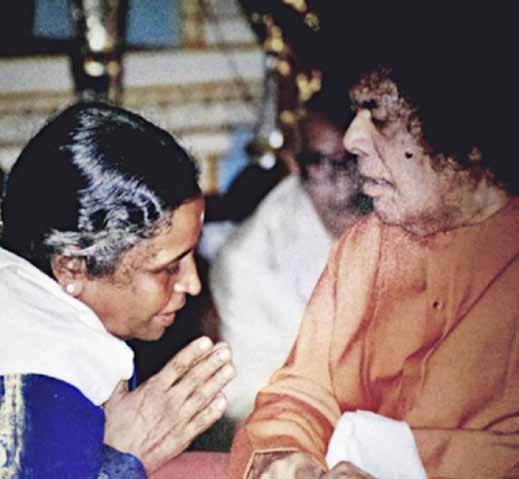
There were instances, where certain anomalies were diagnosed during the mother’s ultrasound, which helped plan the surgery accordingly. However, His grace and guidance was the undercurrent of all that we practiced. There was a certain respect for resources, which was appreciated by Swami. If you see the discharge summaries from the old files, you will notice we managed to cover the entire clinical history in half a page!
MH: Could you please share your experiences working with such doctors / staff / administrators? KK: I cannot help but recall with gratitude the support received from Dr. Bala Subramaniam sir, who was the Director of the General Hospital during the ‘90’s, who converted the Mother and Child Hospital into a Multispecialty Hospital. He was very responsive, enthusiastic and took a lot of initiative.
The GH was a cosy home, where the staff members worked closely together like a family. Like I mentioned before, it was a place where many doctors, who came as professionals, experienced Swami’s Divinity and were transformed into devotees. It was a karma bhoomi for individuals like Dr. Savithri, who literally gave her life for the hospital. She was a great asset to the Hospital.
MH: What is your source of strength and the secret to aging gracefully?
KK: I consider it purely Swami’s grace. I consider I have no other life, other than serving at the hospital. There are people who continue to serve into their late 80’s and early 90’s. Being able to serve gives us the strength to go on. It is our good fortune to have been serving for 30 years.
MH: What advice would you give to budding pediatricians?
KK: I want them to dedicate themselves to the subject and the profession. They should utilize all opportunities available to learn and develop. They should develop empathy, with both the parents and the children. They should take their profession seriously and continue to learn all through their career.
MH: Do you have any thoughts on parenting, which you wish to pass on to parents?
KK: I feel that for a child’s healthy growth and development in all domains without any psychological issues, one parent should devote time to be with the child, at least till they start going to school.
I feel mothers successfully multitask more than fathers and that women are more drawn to taking care of children. In my case, though we lost our mother early, we had a wonderful father, who doubled up as a mother, and of course Swami entered our lives soon after. MH: How would you like to be remembered by children? And by parents?
KK: I would like to be remembered as a friendly grandmother. It thrills me to see children coming naturally to me, without any fear. By parents, I wish to be seen as dependable.
Manohriday · page 13
Eye Patient Story Love at First Sight
Rahul is a cheerful 9-year old boy. His mother Padmavathi is a single parent, working as a servant maid to sustain their family. They live along with Rahul’s 6-year old sister. Within her constraints, she has been doing her best to bring them up with proper education. Rahul is a bright child, good at studies and it was her aspiration to give him education to help him develop his innate potential.
One day, she gave both her children coconut water to drink and the empty nuts. She left it outside the home. Rahul, being adventurous, ventured to extract the coconut flesh from it with a knife and while doing so, the knife edge injured his eye. He lost vision in his eye and further complained of pain.
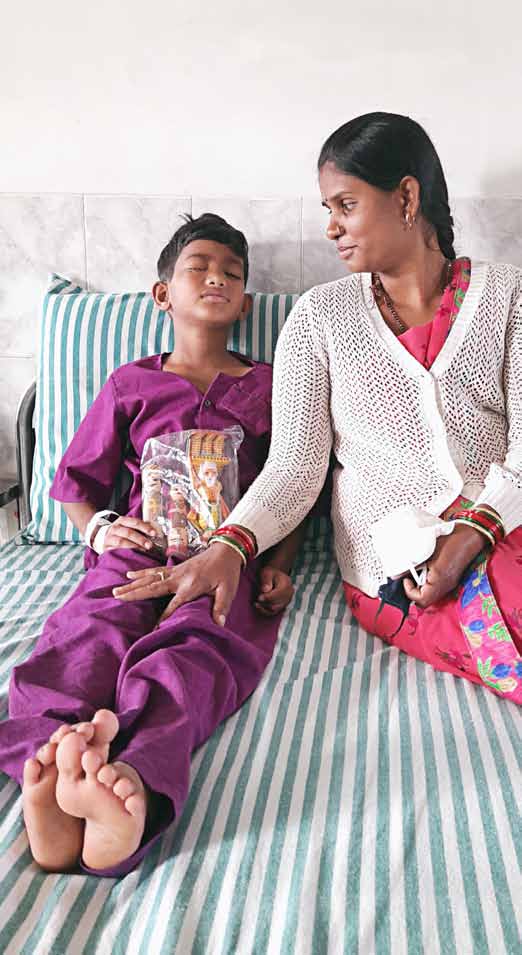
Rahul did not complain of pain as such from the wound, however she soon realized in shock that he could not see. Since she did not have any cash on hand to see an ophthalmologist, Padmavathi delayed taking him to a hospital. It was by pure chance that her neighbour suggested she take Rahul to the Sri Sathya Sai General Hospital. She could not believe her ears when told that she would not need to pay for any of the treatment provided here!
She immediately rushed with Rahul to Whitefield, where a team of ophthalmologists examined the child. Drs Archana and Kavitha Rao, who operated on him recall, Rahul had a severe eye injury, which needed urgent attention. He had an open globe with the contents of the eye partially extruded. Initially the primary repair of the corneal wound was done on the day he came to us. A scan done once the globe was closed revealed bleeding into the eye. 15 days later a second procedure was done to remove the cataractous lens and the vitreous hemorrhage which was bleeding into the eye cavity. During surgery we noticed that the knife tip had just missed the most important structures like the optic disc and the macula. It appeared the grace of God protected Rahul from any permanent loss of vision in the eye. Over the next couple of weeks the retina was found to have a contraction as a delayed response to the severe injury and hence another procedure was done to support the retina with a silicone band and flatten the retina.
The nature of the injury was such that the child would have completely lost vision in the injured eye without immediate treatment. The state of the art facilities in the ophthalmology department helped the doctors to document, operate and rehabilitate the child to a point where Rahul has regained 70% of vision in the eye.
Padmavathi recalls, “Staying and receiving treatment at this hospital was like being at my mother’s home. The doctors and sisters are so loving and caring.”
Manohriday · page 14
Ortho Patient Story Hands joined in gratitude
“I recall the fall I had, after which I was taken to the hospital. I was 10-years old at the time,” recalls Suparna Ghosh, now 32-years old. She remembers how she was falling down often unable to balance herself and the most recent fall was painful. Suspecting a fracture, the doctor put a plaster of paris cast for 3 months. After the cast was removed, not only did the pain subside but the foot seemed to have bent to the left.
While she was struggling with walking with her foot, she soon realized that very gradually but very steadily the pain in her left foot started progressing to her right foot as well. And slowly, from the feet, it started progressing to her knees and later her hips. It was a scary time in her life.
Ashok Ghosh, her father, was a mason and was working in construction sites. Suchitra, her mother, was a housewife. Suparna was ebullient and seeing her suffer in front of their eyes was very painful for her parents. They spared no efforts in taking her from one doctor to another, but no one gave a consistent diagnosis. One of the doctors suspected bone tuberculosis, which was eating up her bone and put her on TB medication for a year, which affected her general well-being and did not help her at all.
Meantime, her knee joints started bending and she was unable to walk straight. She started to settle down into a squatting position and was unable to walk any longer. The local doctors said surgery is a must to correct the joints and the poor parents put together some money and signed up for the surgery. Sadly, the surgery did not help and she was unable to walk from then on. The pain in her joints turned out to be excruciating and she would at times cry all day with the pain.
Expecting better treatment, her parents brought her from their native village to Kolkata. The doctors subjected her knees to traction; they straightened out for a while but reverted to the bent position. It was in Kolkata that, after 3 years after facing the problem for the first time, Suparna was diagnosed with rheumatoid arthritis
- an autoimmune disorder - which causes the joints to deteriorate and degenerate. Her parents were stricken with fear with the prognosis. The doctors recommended surgery and asked them to arrange for funds. While they were able to get financial aid from a government scheme, they still had to arrange some more funds. With a prayer in their heart and with a great deal of difficulty they pooled resources, took out a bank loan and went to the hospital to complete the admission formalities, only to be told the doctor who was to operate on Suparna was no longer available. The junior doctor advised they would not be able to offer her surgery any more there.
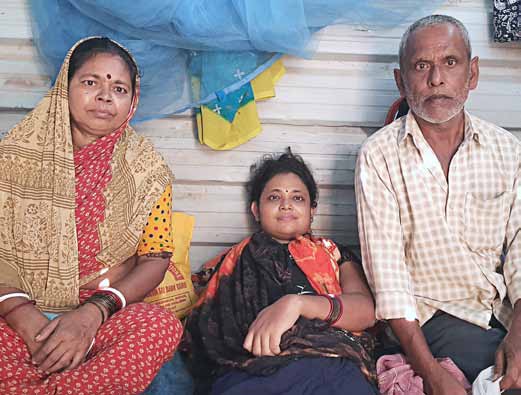
The parents were crestfallen at hearing the news and were returning home by the local train. This is the point where God appeared to have entered into the scene. Suchitra happened to accidentally drop Suparna’s photograph on the ground and a stranger reached out to her. It was a picture, where Suparna’s legs were seen.
The stranger enquired what the problem was and she explained the situation. It was then the stranger told them to go to Sri Sathya Sai Hospital in Bangalore. They were thrilled to hear that the entire treatment was completely free.
The family first visited Bangalore in 2011 and met the doctors in the Sri Sathya Sai General Hospital. Dr. Sundaresh, HOD of the Orthopedics Dept. saw Suparna and confirmed the diagnosis. He explains her condition, when he first saw her, “Hers was a very acute case of rheumatoid arthritis, which had affected most of her major joints, including the ankle, knee, hip and right arm.” It was in 2012 that we started treating her, first with DMARD (disease-modifying anti rheumatic drugs) and after that started operating on her. Between 2012-14, we performed a dozen surgeries on her, including bilateral knee fusion, hip replacements and her right shoulder replacement. Her situation improved from being bed-ridden to standing up and taking a few steps with support.
Her most recent surgery was in 2021, when she underwent a surgery to remove an implant. She is currently in a wheelchair, and cannot place weight on her feet. It remains to be seen whether she can walk in the future. What is noticeable in her face though is the gratitude towards the Hospital, the doctors and all the staff. “During my one year of staying at the hospital, everyone treated me like their family. They would bring food for me and talk to me to cheer me up. I am not concerned about being able to walk, but I am grateful for being alive,” she says.
She is full of hope and energy and she realizes that as she grows older and her parents are themselves beginning to have health issues, her primary concern should be to get employed herself so as to support herself and her parents. “They have spent a major part of their life and savings on me. It is my responsibility to look after them to the best of my ability,” she says.
We pray Bhagawan shower His grace on such patients and their families.
Manohriday · page 15
Cardiac Patient Story Twin showers of blessings
Rashid and Nahid Akhtar were devout Muslims, hailing from Sasaram, Bihar. They got married in 2014 and on 13-Apr-2016 they received the best gift of their lives in the form of two sweet little bundles of joy, whom they named Aleena and Aleeza, literally meaning beauty and happiness.
Both the children were a joy to behold and nurse, but the mother was concerned the children fell sick often and had bouts of breathlessness. Amongst the two, Aleena used to fall sick more often. The concerned parents took them to the local hospital, where the doctors put them through a battery of tests and confirmed their children had a heart murmur and needed surgery. The parents were devastated when they heard the news.
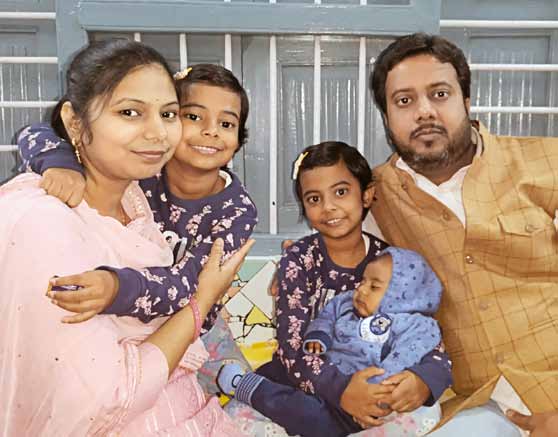
Rashid was an accountant in a private firm, belonged to a middle class family and did not have the means to afford pediatric heart surgery and that too, for both the children. With a prayer in his heart, he conferred with his wife and decided to bring them to SSSIHMS-Whitefield.
Rashid was already aware of SSSIHMS-Whitefield and the free cardiac treatment available, as he had got his father treated there close to twenty years ago in 2003. Without a second thought, they booked their tickets in 2019 to visit the Cardiology department. After being seen by Dr. Prayaag, Consultant Cardiologist, the parents learnt both children had an atrial-septal defect (ASD) viz. hole in their hearts, which needed to be closed. After receiving an assurance they will be treated here, they were told to come back in a year’s time, as they were too young to be operated on and needed to build their body weight and immunity. They were assured the need for surgery was not urgent.
Back home, Nahid showered a lot of extra care on her babies to boost their immunity and body weight. Due to the pandemic they did not visit the hospital in 2020 and made the second trip to SSSIHMS-Whitefield in Mar 2021. After a thorough clinical examination, the doctors opined Aleeza was fit to undergo a ASD closure procedure in the Cathlab. However, it seemed certain her twin sister, Aleena needed to undergo a surgery in the CTVS.
While the cardiac surgeons were studying Aleena’s case, Aleeza underwent the procedure. Dr. Reeta, HoD Cardiology recalls, “The anatomy of Aleeza was suitable for installing the arterio-septal defect closure device in her heart. This was a minimally invasive procedure, avoiding cutting across her sternum and causing a scar, which would remain throughout her life.”
Rashid was very concerned about Aleena having to undergo an invasive surgery instead of a minimally invasive procedure; however the 3D echo clearly showed her anatomy was not suitable for implanting the device. As a woman and a physician, while I understood his concern, there are some things we cannot alter, and the physiology and anatomy of the patient is one of them.
Though we had done the Echo more than once, which confirmed an ASD device would not fit her, we gave in to his constant griping and did another Echo, which seemed to indicate the device could be a narrow fit. We wanted to give Aleena an equal opportunity as Aleeza and proceeded to plan the ASD device closure.
What happened later was nothing short of a miracle. It was purely the strength of Rashid’s prayer and Swami’s grace that the device seated perfectly in Aleena’s heart, avoiding the need for surgery and a life-long scar on her chest.
Rashid and Nahid were joyous beyond words. “Humare liye, Dr. Reeta ek farishta hein…(For us, Dr. Reeta is an angel).” She encouraged us to do namaz, while she did her best for the children. She gave our children a rebirth; all the doctors in the department were so compassionate and did their very best for Aleena and Aleeza. Not a day goes by that we do not say a prayer to Allah to bless these doctors and their families for the service they are rendering so selflessly. “Ye sab Sai Ram ki kripa hein…,” (This is all due to the grace of Sai) utter Rashid and Nihad in unison with tears of gratitude coursing down their cheeks.
In Nov 2021, the same year that both the twins got a rebirth, Nihad gave birth to a healthy baby boy, whom they named Ahzam.
Dr. Reeta adds, “I was grateful how it all worked out. Bhagawan was so gracious and kind with this case. I recall Rashid leaving the hospital beaming with joy. It was very fulfilling to see both the babies in the OPD, during the review checkup after three months after having undergone the procedure. They are both doing very well.”
Manohriday · page 16
Cardiac Patient Story Where there is a will, there is a way
The following story is a testament to the premise that willingness to do creates the ability to do. Let the words of Eswar, son of Yeripalli Bangari, who underwent a unique procedure at SSSIHMS-Whitefield narrate the experience.
Bangari hails from Andhra Pradesh, but his parents migrated to Odisha over fifty years ago, and fishing is their livelihood. It is not a well paying job, but with no other skills, Bangari continued to eke out his livelihood and feed his family as a fisherman, buffeted by the vagaries of nature.
Ten years ago, at age 50, Bangari felt uneasy in his chest and a visit to the doctor and a number of tests later, he was informed that the blood vessels feeding the heart had three blocks and that he needed to undergo a bypass surgery. It was his good fortune that he got operated free of cost in a private hospital through a government scheme. Soon after, he resumed his work. Meantime, his son joined him in the line of business and went on to form a small business dealing in fish.
During the pandemic, Bangari developed further heart complications. His son admitted him to the local hospital and they diagnosed that he needed a pacemaker. For the two weeks he was admitted, they paid close to Rs.2 lakh, which was a drain on their meager income. They were told the cost of the procedure would be Rs.5-7 lakh, which was way beyond their means. He sought two months’ time to arrange for the funds, but was unable to.
Through his friends, he was referred to SSSIHMS-Whitefield, where they could avail free treatment. When he first heard this, he could not believe his ears that in this day and age, there is a hospital offering such expensive treatment totally free of cost.
He immediately rushed his father to SSSIHMS-Whitefield. They reached SSSIHMS during the pandemic, when hospital admissions were very difficult. Eswar considered it purely God’s grace that he got admission and an implantable cardioverter-defibrillator (ICD) was installed in him, to control the irregular heart-beats.
Post procedure, when all seemed like “All’s well that ends well”, Eswar noticed his father suddenly lost use of his hands and his speech became slurred. Bangari suffered a neuro stroke, in the CCU, while recovering from the procedure. Hear the sequence of events from Dr. Reeta, HoD-Cardiology.
We were relieved Bangari’s heart rhythms were under control with the ICD device implantation and he was due to be discharged soon. It was a Sunday morning, when I received a call from the CCU alerting me Bangari had a stroke. Since we did not have a neuro-interventionist on call, I called up Dr. Parthasarathi, HoD-Neurology, who immediately came to the Radiology, where Bangari underwent a CT scan to show the extent of brain damage due to the stroke. He needed an emergency procedure to remove the blood clot, which could be life-threatening.
A few minutes later, Bangari was wheeled into the Cathlab and under the guidance of Dr. Parthsarathi, we gave him a bolus of tenecteplase, a thrombolysing drug to dissolve blood clots, put in the guide wire and ballooned it. From our standpoint, the procedure was successful and the next day, Bangari was walking about and eating on his own. It was unbelievable that he had such a good recovery from the stroke, which can paralyze people for life. We could all sense Swami’s grace on Bangari.
It has been eighteen months since Bangari has been discharged and is back home in Odisha. When contacted over phone at the time of publishing this article, Eswar confirmed that his father is doing well.
Narrating his experience at the hospital, Eswar recalls, “My father was treated like a VIP and we were touched by the ownership and responsibility the staff took to ensure he received every care he needed during his stay. I would not have received such care elsewhere, even if I had the means to pay for it.”
Manohriday · page 17
CTVS Patient Story GUCH: Grace & Unguentum in the face of Constant Hardship
“Accept It. Change It. Or Leave It. I did them all to reach where I am” says Shaik Saleem, who has carved a niche for himself in what he does viz. audit financial statements as a professional accountant. The journey of this 26-year-old gentleman has been everything but kind.
Saleem dolefully describes his childhood as of those dreadful evenings, when his father - a daily wage carpenter would come home in an inebriated state. Saleem, his mother and younger sister were subjected to regular physical abuse by their father. Their humble savings were nabbed for “other” activities of the houseman. Inability to pay for school on time would often land Saleem dismissed from school, resulting in frequent opportunities for his father to drag him to work and expose him to indentured child labor from a very tender age. The saw mill was ground for everything from cleaning sawdust to chopping wood for little or no extra income. While this exercise turned out to be futile over time, it ensured one thing- the little boy was garnering adequate hands-on experience, that was beckoning him. Every time Saleem tried escaping from work, an even galling night awaited him at home.
The saw dust and prosaic regimen at the factory triggered something that 6 out of 10 children miss being diagnosed
- a congenital heart defect.
Middle and high school were extremes for Saleem. The malaise and breathlessness were worsening day by day. These symptoms seemed insignificant compared to the other odds life threw at him. Saleem did his best at school and continued to excel through his coursework, even topping his school in the secondary school exams – something he felt his family would be proud of. However, the instructions at home were to join the mill as a badagi (carpenter) the next day, as he was considered to have completed his education.
That night, Saleem borrowed 600 rupees from a benefactor and took the first train to Mumbai. While fables describe aspirants wanting to be actors taking the train to Mumbai, here was a teenager taking it to escape from his misery. Saleem scrambled through the streets of the new city looking for a job. He found his luck at the residence of a chartered accountant as a domestic help. As fate would have it, Saleem shortly demonstrated his skill and ease at numbers at a chance opportunity that landed him at the owner’s office. Shortly thereafter, Saleem’s father succumbed to coronary artery disease and liver cirrhosis. Saleem, as the sole breadwinner, decided to continue his studies. He completed his schooling as a night scholar, and enrolled in a graduation program, sustaining himself through his income, part of which he sent home.
By now, Saleem’s symptoms got worse. A consultation in Mumbai revealed he had a heart defect from birth known as aortic coarctation, a condition in which the blood vessel primarily responsible with supply to the body from the heart, is arrested during development leading to a narrow segment. This condition causes excessive backpressure on the heart due to a narrow orifice as well as decreased blood supply to the body. He was advised to undergo a “bypass operation”. For Saleem and his family, it seemed to be that he was to meet the same fate as his father who passed before a bypass.
Given the huge fiscal trammel this would impose on Saleem, he was guided to undergo the procedure at Swami’s hospital in Parthi. Due to the full-fledged Covid hospital there and suspension of all other surgeries, he was referred to Whitefield hospital.
At SSSIHMS, Saleem was diagnosed with Juxtaductal Coarctation of the Aorta. He was evaluated with care as per protocols in place for cases of GUCH – Grown Up Congenital Heart disease. Saleem and his family were counseled in the integrated program at our hospital. It was upon experiencing the calm, courteous and altruistic staff that Saleem consented to let go of his fears and anxiety and consent to the surgery.
The complexity with Saleem’s case was the anatomy. If Saleem had been operated on as a child, the surgery would have been different, as his blood vessel would have been more amenable for a re-augmentation repair. Now that Saleem had grown in size as an adult, a more radical surgery was called for.
He underwent the Wukasch-Cooley procedure led by Dr. Hiremath. This is rarely performed across a handful of centers across the globe. Saleem’s abdomen was opened along with the chest and the narrowing was successfully bypassed with a prosthetic tube-graft from the origin of the aorta and connected just above the branch of the aorta at the level of the abdominal vessels. This operation will last for a lifetime and will alleviate Saleem’s symptoms, whilst ensuring the important organs in his body no longer suffer the consequences of lack of blood supply.
Saleem’s grit, determination and tenacity to resume his responsibilities as a dependable son and brother got him back on his feet in 3 days. He defied all concerns over his recovery from such a major procedure and was inspiring other patients in the ward.
Back home, Saleem is preparing to take up the exams leading to becoming a chartered accountant, one of the toughest career options for a Finance professional. Saleem has already cleared the first two stages in the first attempt, despite suffering from the condition he was born with. He is presently hale and hearty.
His story demonstrates how tenacity, and courage are just few of the qualities this young man continues to exude with more brilliance now, akin to the satisfaction, and calm we see in the millions of lives transformed by His grace and divine unguentum.
Aditya N. Doddamane, Vivek Bagaria & C.S Hiremath Department of Cardiothoracic & Vascular Surgery
Manohriday · page 18
Negative Emotions Can Kill a cardiologist’s perspective
“Give sorrow words; the grief that does not speak knits up the o-er wrought heart and bids it break,” said William Shakespeare, way back in the 16th century. People with depression, and those socially isolated, with high anxiety or stress at work, are more prone to heart attack. We often hear of people having a heart attack a day or two after their retirement from work or after the death of a close relative or a family member.
In the month following the World Trade Centre (WTC), bombing on Sep-11, 2001, the frequency of ICD shocks spiked 2.3 fold in heart patients, within 100 miles radius of the WTC. In the same time frame, a thousand miles away, University of Florida researchers found a nearly three-fold increase in the implantable cardioverter defibrillator (ICD) shocks of a similar profile of patients. A study of risk factors for the first heart attack in 27,000 subjects in 52 countries of the world, including India and China, found stress to be one of the nine risk factors, along with cholesterol, diabetes, high blood pressure, smoking, lack of fruits and vegetables in the diet, obesity and lack of daily exercise.
Looking at the risk for cardiovascular outcome in those women who reported depression at baseline in the ‘Women’s health initiative study’, they had a 60 percent increase in risk for cardiovascular death. A study of 817 patients with depression who underwent heart bypass surgery (CABG) between 1989 to 2001 at Duke University, USA showed that patients with moderate to severe depression before surgery, persisting up to 6 months after surgery, had a higher rate of death than those without depression.
A Rotterdam cardiology hospital registry sub-study revealed patients with Type D personality predicted death or heart attack after coronary angioplasty, even when the latest drug-eluting stents were implanted. Type D patients experienced increased negative emotions and found not to express the same in social interactions.
In 2016, after the meta-analysis of myocardial infarction (MI) and coronary events from 19 cohort studies with 3,23,709 participants and 8,447 events, it was reported that depression was associated with a significantly increased risk of death from MI and coronary events. A study on 19 patients in the New England Journal of Medicine, February 2005, by Johns’ Hopkins University School of Medicine, reported that patients showed potentially lethal consequences of emotional stress on the heart (referred to as Takotsubo cardiomyopathy). Heart pumping of these patients were 15-30 % (LVEF) on presentations to the hospital. On outpatient follow up on median of 21 days after presentation the heart pumping improved to more than 55 percent. These patients were thoroughly investigated during hospitalization and required treatment with the most modern therapy available. They were all found to have no blockage of the coronary arteries. They had supra physiological levels of the stress chemical, catecholamine. This was earlier reported as “broken-heart syndrome” in various journals and newspapers across the world.
SADHART – CHF trial showed treatment of depression improved mood and depression but did not reduce cardiac outcomes in heart failure (HF) patients. Medicine named Sertraline was used for depression. MOOD – Heart Failure trial also showed treatment of depression in HF patients did not reduce mortality or hospitalization. What is the reason for no improvement in the outcome in some patients, despite medical treatment of HF? Are we really treating the underlying cause? Social isolation and depression can exist for many years prior to heart attack and continue to have derogatory effects, despite our modern day medicine.
Listening to music may have a beneficial effect on anxiety in persons with anxiety and CHD, especially those with an MI. DEFIB – WOMEN study showed more symptoms of anxiety and depression in women with ICD, than ICD in men.
Even though treatment of depression and anxiety has not been shown to improve cardiovascular outcome in cardiac patients, it is still necessary to recognize and manage these problems, if they are severe or persistent, to promote patient wellness and quality of life, as well as to improve patients’ ability to adhere to treatments and lifestyle recommendations.
A healthy lifestyle, especially physical activity, tailored to patients’ functional capabilities, should always be recommended to decrease depression and improve wellbeing. (Braunwald’s Heart Disease).
A healthy lifestyle, especially physical activity, tailored to patients’ functional capabilities, should always be recommended to decrease depression and improve wellbeing. (Braunwald’s Heart Disease).
As Baba has constantly reiterated, “Manasa Bhajare Gurucharanam” meaning, meditating in thy mind on the Feet of the Guru is the ultimate antidote for negative thoughts & emotions.
Dr. B. Barooah, Senior Consultant Cardiologist Sri Sathya Sai Institute of Higher Medical Sciences
Manohriday · page 19
Heartfelt a cardiologist’s perspective
When we stepped into the hallowed portals of this wonderful Temple of Healing, more than a decade ago, individually, we never imagined that we would be stepping into an experience, and a truly life-changing one at that! An experience through which we learnt more than to just mend ailing hearts, an experience where we saw cure transcend into healing, and healing into transformation, an experience that taught us, and continues to teach us, the true meaning and purpose of Life itself.
Cardiology as a science deals with treating ailing human hearts. Unfortunately, it has been largely relegated to only this in the profession. This Temple of Healing, based on Bhagwan Baba’s principles, taught us to look beyond the treatment of the disease, address the root cause and thus attempt to eliminate the ailment, within, to mollify the manifestation, without.
As we saw more and cardiology residents join the course year after year, we realise that the course not just educated them well in the subject, but also groomed them into ethical physicians, carrying on to spread our dear Swami’s message to the larger world, when they pass out as cardiac specialists and start their practice in their respective hometowns. Isn’t this exactly what Swami envisioned and expounded when He said, “My Life is My Message”!? Not only did we see the patients getting transformed, but even doctors who trained here feel the change. It was almost as if just being here was a stepping stone to prepare them for the larger good of humanity itself. The profoundness of this was mitigated by the quagmire of daily cardiology duties, patient care, cath lab calls etc.
However, when a profession starts transcending into a calling, hours of work and tiresomeness of night duties do not matter. It becomes a source of enchantment and perpetual joy. We then realise that our only competition was ourselves, that we were only the audience on this stage and eventually the Judge was also just ourselves, with His guiding hand, driving our chariot and our decisions, both for ourselves and our patients.
We all ‘flew in’ from very diverse backgrounds but ended up finding the same ‘nest’ to rest in. As we worked in sync to understand each other’s perspective and eventually achieve our ‘medical’ goals, we came together as members of a smaller ‘departmental’ and larger ‘institutional’ family, where we remain bound by the threads of the Sathya Sai fabric, striving to achieve the larger goal of understanding ourselves and our true potential. It has been indeed the biggest SWOT analysis of our lives, with the T standing for Transformation!
Thank you, dear Swami, for allowing our patients to be patient with us! For it is these suffering souls that are our living, walking and talking tomes of medical knowledge, souls that remind us at every moment of our life that the bond between a patient and a doctor is a covenant of faith not a business contract, that teach us that we get a chance towards service and redemption because they allow us to. As we amalgamated
into one unit treating patients, we came across many fascinating and incredible patient experiences over the past two decades. Like the devotee wanted to make that Haj trip, but ended up experiencing Him in Bangalore itself. Like the heart patient who was comforted the night before his bypass surgery by a physical visit by Swami in 2015! Like the post-cardiac arrest patient who walked back home to his granddaughter’s birthday party, after a successful emergency angioplasty. Technology has nothing to do with human emotions that such incidents are deeply steeped in!
Our work here turned out to be simply understanding those emotions and we are immensely grateful that with each patient who we treated in our department, we became a part of those emotions and kept away from the verbosity and complexity of medical treatment that formed the smaller dimension. Thank you Swami, for teaching us that medicine is about people and their emotions, rather than disease!
It is about simple, yet heart-felt stories and incidents that touched our being, and the smiles from tender little ones that touched our soul. It is about the pure joy experienced when a pregnant patient admitted in heart failure walked back home for her delivery, and the ecstasy we felt when we explained how a hole in the heart was closed with a two-millimetre prick in the thigh and the sheer disbelief of a bedridden stroke patient walking back home, when his brain clot was broken! Such joy cannot be completely expressed in words, even if we try here - it is just heartfelt!
Dr. Prayaag Kini, Senior Consultant Cardiologist Sri Sathya Sai Institute of Higher Medical Sciences
Manohriday · page 20
CTVS Patient Story Sentient Beings
Among all creatures living on this heaven called Earth, human beings are the most sentient of all beings. The ability to feel, interact and modify the world around us is an amazing gift. On the contrary, the loss of such an ability from any part of ourselves is the worst predicament imaginable.
Not being able to use a limb or worse, not being able to feel a limb leads to inconsolable sorrow. We share the account of Surappa aged 74 years. He came to us with extreme pain in both his legs, inability to sleep and walk long distances. Investigation into this revealed greatly decreased blood supply to both his legs.
We call it arterial blockage or atherosclerosis. Where there is blood flow, there is life. Surappa’s legs were dying due to the blocks. The excruciating pain was the pain of dying nerves. To add to this morbidity, Surappa developed atherosclerosis in other arteries of his body as well. Blood vessels supplying his heart and brain had blockages, requiring evaluation and treatment.
For his age, Surappa was not sedentary. This meant more sorrow due to the loss of use of his legs. The only way to restore function to his legs was through re-establishment of blood flow to his legs.
Surgical bypass of the blockages was the way forward. This is not without its risks. He needed surgery of both legs. Risks of surgery involved blockage of the bypass graft, reperfusion related compartment syndrome culminating in limb loss and amputation.
Our surgical team headed by Dr. Hiremath avoided this by performing surgery on one leg at a time, spacing the surgeries 4 months apart. There was re-perfusion related limb swelling after the first surgery. This is a dreaded complication usually expected after blood flow is restored to chronically ischemic tissue. Fortunately for Surappa this resolved with conservative care. He could for the first time in many years feel and use his legs.
Recovery was far from a walk in the park. The outcome was that Surappa could walk and sleep to his heart’s content. We as surgeons are constantly aiming for outcomes closest to natural state. We are nothing more than mere instruments in Bhagwan’s hands. He is the real healer. He is the one who makes us sentient beings. Surappa’s legs have regained sentience ever since.
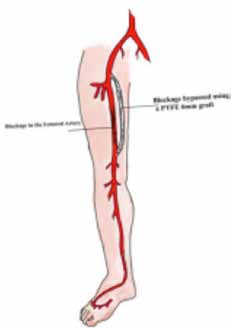
Aum Sri Sai Ram. Sujith N.S., Vivek Bagaria, Chittaranjan S.J. & C.S Hiremath Department of Cardiothoracic & Vascular Surgery Fig. 1.: Diagram representing surgery
done on Mr. Surappa. Femoro popliteal bypass surgery was carried out on both legs.
Manohriday · page 21
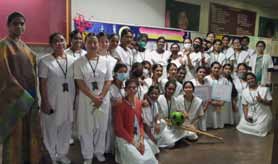
Nursing College News
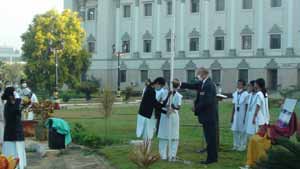
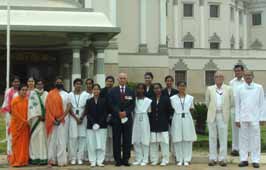
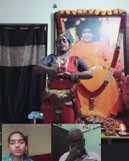
Republic Day
26-Jan-2021 Guest of Honour: Lt. Gen. Y.K. Mehta, PVSM, AVSM
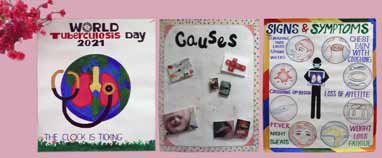
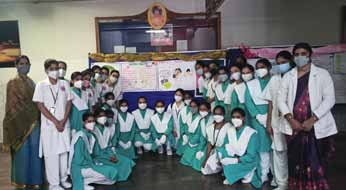
Tuberculosis Day
24-Mar-21 Theme: The Clock is Ticking, Mime: TB-Social Stigma, its Prevention & Management
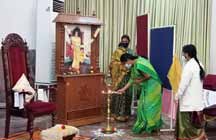
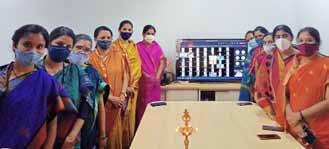
Lamp Lighting Ceremony for
13th batch of students
5-Jun-2021
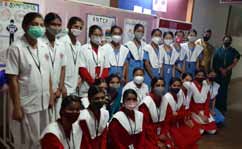
10th In-service Education Programme (Webinar)
26-Jun-2021 Theme: COVID-19: Long term health problems & its management strategies
Puppet Show Theme: “Personal Hygiene - The Mantra to be Healthy”
Sri Sathya Sai Education in Human Values Programme
11-Jul-2021
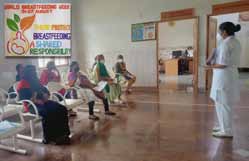
World Breast Feeding Week
1-7 August 2021 Theme:“Protect Breast Feeding: A shared Responsibility”
Independence Day
15-Aug-2021
World Mental Health Day
10-Oct-21 Theme: “Mental health in an unequal world”
Mime on theme “Mental illness - Risk factors, it’s Prevention & Management”
School Health Programme
16-Oct-2021 Theme: “Good Touch & Bad Touch”
World Osteoporosis Day
20-Oct-2021 Theme: “Love Your Bones, Protect Your Future”
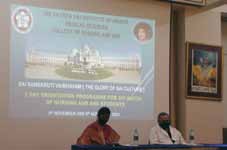
Sai Samskruthi Vaibhavam
8-9 Nov, 2021 Orientation Program for
th
& 14th batches of the College of Nursing & Allied Health Sciences
Farewell Program
20-Nov-2021 for B.Sc. Nursing students -IX, X batch and AHS students - XI, X batches
Bhoomi Pooja: College of Nursing
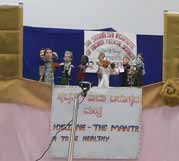
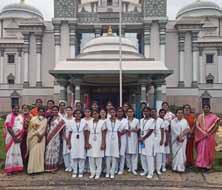
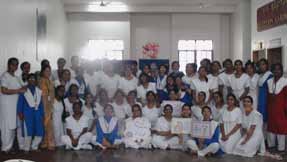
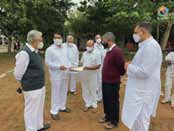
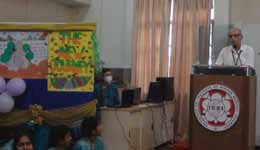
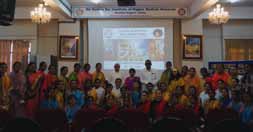
In the presence of the Trustees of Sri Sathya Sai Central Trust, the bhoomi pooja of a dedicated building for the Nursing College was performed on 13-Dec-21. The construction is due to be completed by early 2023.
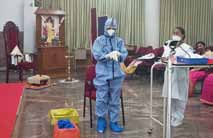
Gita Jayanthi Celebration
14-Dec-2021
Manohriday · pages 22–23
CTVS Initiative Sai leading the way in data sciences
In 2010, Eric Schmidt, CEO of Google noted, “There were 5 exabytes of information created between the dawn of civilization through 2003, but that much information is now created every 2 days, and the pace is increasing”. One exabyte is about 1 billion gigabytes.
Your smartphone will accrue about 60 gigabytes of data on an annual basis through the numerous functions it serves through applications that you utilize. This reflects the sheer growing volume of data produced globally. However, what use is all this data? This expanse of information is collated, organized, analyzed and inferred in optimization, and improving your user-experience.
The science of Big Data has changed analysis and evidence-oriented decision-making across most spheres of life, including governance, defence, education, healthcare and manufacturing. It has equipped man with facts and figures and continues to transgress the world into a datadrive sphere.
The impact on the healthcare scene has been tremendous and positive hitherto. Collection of patient data has enabled and made hospital visits easy and hassle-free for patients, to begin with. For the hospital, it has made information available at fingertips and has expedited evidence-based medicine from screen to reality. Record keeping is no longer akin to routine clerical paperwork and the hassles that accompany it. The synergy between the internet and data storage has ironed out most issues and brought about positive changes in academics, research and translational initiatives.
However, the ground reality in low and middle-income countries is largely different. Most patient records continue to remain in paper. Priorities, training, enterprise, value and belief contribute to the lack of progress in these nations. However, Sri Sathya Sai Institutes of Higher Medical Sciences, realized the immense potential data carries with it, over a decade ago and has pioneered the way patient and healthcare data are stored.
Around 2008-09, all patient records in files were digitized and stored in the Hospital Information Management Systems. A dedicated team of motivated individuals from the HMIS toiled day and night to get this through. Today, sitting at any computer in the hospital, the details of patients are easily available at the click of a button! It has also relieved patients of the worry of organizing and carrying a bundle of papers. All that they take home after successful recovery is the “WS” number and a new outlook to life!
With a recording system in place, the next frontier was patient follow-up. Follow-up data of patients plays a very important role in the continued-progress and contemporary-practise of medicine. With medicine rapidly evolving over time, treatment modalities often change, levying differentials in their outcome over patient demographics. In essence, no two patients (identical twins included) behave the exact same way to a medicine and there will be differences among their metabolic equations. This is broadly true for patients undergoing surgery. The same operation done for two individuals with the same problem at the same age can have varying outcomes. Hence, to audit the impact of the surgery on patients, it becomes imperative to monitor the progress, health and status of patients from time-to-time. This form of feed-back to treatment modalities forms the edifice for the tectonic plates on which evidence-based medicine is built upon.
However, patient follow-up across specialties in India has a dismal rate and is largely possible with the initiative of the treating physician. This is a result of an ethical virtue that is necessary but unfortunately not compelling! We need to realize that when 80% of population is seeking access to primary healthcare, matters concerning follow-up or audit often take the backseat as luxuries. Unfortunately, they are not luxuries, but the mere tenets of scientific practice of state-of-the-art medicine.
Follow-up rates in India are poor because a repeat hospital visit is almost always a lance in the fiscal crunch for patients, with prevailing psychological apprehension and long waiting hours among other realistic reasons. Physicians can overcome this divide by showing meaning in this cause and inspiring others to pursue this; however they face very many challenges, with long working hours, fatigue, priority in clearing the waiting list amidst others.
Developed nations have brought a solution to this issue with the inception of “data centers” and “data managers” to deal with patient data, follow-up and appraisals from time to time. In leading institutes globally, there are full-time employees and divisions striving to achieve this cause. However, additional costs, investments and the real need preclude institutions in the developing world from seeking such avenues, when day-to-day budgetary operations hinge on a shoestring.
In 2019, the Department of Cardiothoracic & Vascular Surgery under the able leadership of institute Director, Dr. Shekhar Rao and Head of Department, Dr. C.S. Hiremath envisioned to make this a reality. The task was entrusted to Aditya Doddamane (Research Associate-CTVS) and G.V.R. Subba Rao (Sr. Manager-HMIS). The goal was to develop a proforma to trace patients, follow-up their status, define parameters for time-based review and find a long-term solution.
With past experience in designing and managing databases in Swami’s Institutes and other internationally renowned centers of excellence, the duo got down to establishing a follow-up database with open-source software. Within a record time of three months, a pristine database was established encompassing over 23,000 patients operated in SSSIHMS-Whitefield since inception. The database was segregated into patients with aorto coronary artery disease, congenital heart disease, valvular heart disease and thoracic/peripheral-vascular disease.
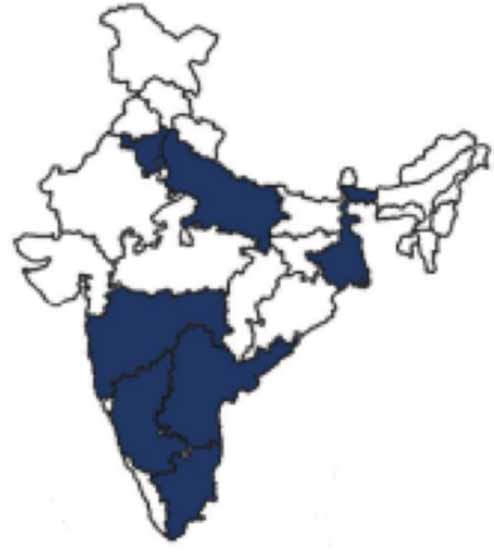
As of November 2021, over 17,000 patients have been followed-up over the phone with over 14,000 patients on regular follow-up. Assessing outcomes in cardiovascular surgery is possible with routine serial-echocardiography. The details and interpretation of functional class is not possible over the phone, hence the team had to resort to a form of frugal innovation – something that was user-friendly for patients, easy to access and in real-time.
The solution was WhatsApp. The social-networking application is the most-popular and downloaded application used by over 490 million citizens of the country. Thus, category specific WhatsApp domains were created, and patients were added from time-to-time. The issue with invalid landline phone numbers, changing STD codes and change of addresses would no longer be logistical issues to know how Swami’s patients are doing.
Patients could now share their progress reports from a center near them with our team and their follow-up would be complete for the said duration. The patient followed-up for the longest duration is of a case operated for a cyanotic congenital heart defect 18 years ago!
With this model being constantly improvised for efficiency and optimal usage, the urge to solve this problem across the nation was palpable in the team. Every hospital in the country performing cardiovascular surgery, from the large corporate houses to prominent government institutes do not have systematic follow-up and orderly records of their patients.
With an existing example that was working well and taking-shape, the Indian Association of Cardiovascular-Thoracic Surgeons, the pre-eminent respected fraternity of heart specialists from across South Asia endeavored to replicate this idea from SSSIHMS, that began as a pilot project.
Several individuals pitched in their expertise and subject-matter knowledge towards a national cause. Drs. Jai S. Raman and Pankaj Saxena (Professors of CT Surgery, Australia) who have regularly visited the institute for Sai-seva put their heads together to develop the working model. Dr. Venkat Vangaveti (Alumnus of SSSIHL now at James Cook University, Australia) joined the team to render, which resulted in developing a pragmatic database program. Members of the CTVS Department at SSSIHMS Whitefield, including Drs. N. Harshavardhan and Sujith N.S, both Junior Consultants at the time, Dr. Bharath Siddharth Ch., Honorary Visiting Consultant and all residents contributed to developing the working model.
Fig. 1.: Map depicting area of India covered by the National Database program – A Sai-inspired endeavor. This program covers approximately 40% of India afflicted by cardiovascular disease.
On February 27th, 2021 the Database – a child of Swami’s institutes was launched and dedicated to the entire nation by Dr. Harsh Vardhan M.S, DNB, Honorable Union Minister for Science and Technology. Today, the National Database has some of the leading institutes of the nation taking part and over 2000 patients have already been enrolled for a lifetime of follow-up.
This effort will help us understand the progression, epidemiology, patterns and etiology of heart and lung disease in the years to come. It will provide us with evidence and details of markers to identify trends and figures, for disease treatment, prevention and policymaking at the national-scene. India is no longer void of follow-up or the mechanism to trace its patients – yet another feather in India’s Aatmanirbhar endeavor. Tracing its genesis from Swami’s Institute of Healthcare and Education makes India only the 4th Nation in the world to have its own Cardiovascular Surgical Database.
As with any remarkable innovation, this national initiative should strive to retain quality, consistency with regular reality-checks and measure of parameters for continued improvement. Only time will unravel its true mileage and impact towards sustainable healthcare for all.
Sairam.
By Aditya N. Doddamane, G.V.R. Subba Rao, C.S Hiremath, Shekhar Rao Department of Cardiothoracic & Vascular Surgery Department of Hospital Management Information Systems
Manohriday · pages 24–25
CTVS Initiative Education in changing times
Covid has made radical changes. It has shifted the dynamics of society, economics and of course healthcare. Healthcare suddenly became the priority, while most nations including the so-called developed ones too were brought to their knees and could not stand straight for weeks without bailouts.
Covid has shattered the middle-class both health and fiscal-wise. One chair at the dinner table after another has gotten empty, in thousands of households. One of the unnoticed effects of Covid was, and continues to be education. Education, be it primary or higher, continues to be afflicted. No civilization can progress with ignorance, and the same holds good with medicine too.
In the Covid era, the medical community has learnt just as much as the rest of the world. However, with all cardiac surgical units across the country shut, all residency programs were halted sine die. Most surgery is learnt in the operating room under a mentor. Cardiac surgery is not difficult to do, but is difficult to get to do, thanks to the indefinite steps to graduate.
All surgeons develop an itch and a bad one. It lasts throughout their lifetime, and seldom disappears. In Cardiac surgery, the itch gets worse when laid-off. Writing, plumbing, carpentry, gardening or cooking combine thought and action, which are helpful, but nothing can come close to holding a beating heart in your hand and restoring it to life. That’s what gives this profession a perennial source of satisfaction, purpose and innovation. Cardiac surgeons put in time, effort and dedication getting good at this one thing that nothing else seems to matter getting good at.
During the lockdown, lots of hands were itching across the country. There was a felt need to engage them in something constructive and interactive. During an informal chat, the authors of this article discussed with Dr. Krishna Iyer, a senior pediatric cardiovascular surgeon, the possibility of virtual tête-à-tête with cardiac surgeons across the country.
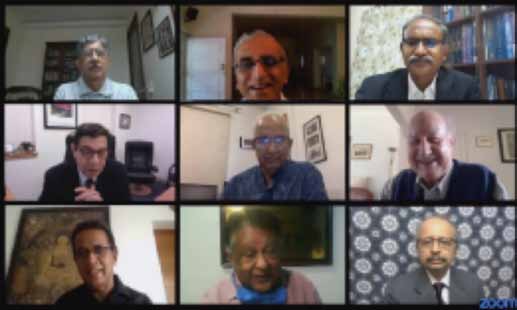
How were we to do it? We had never done it before. But Swami geared us up for it. For many years, CTVS and Cardiology conducted grand-rounds and teaching sessions via virtual conference between the two SSSIHMS. Each of these sessions was a fountain of knowledge, combining the best wisdom of faculty, enthusiasm of trainees and a true sense of purpose to learn. With these qualifications, we decided to take the plunge.
Plans were made to start the session that very evening. We had to decide on giving it a name. It was felt between the three of us that if we were to do something meaningful, then it had to be one of quality. It had to draw inspiration from the very best, the masters in the field, and hence we called it the Masterclass.
The first lecture was delivered over Zoom by Dr. Iyer, a devout servant of Bhagwan on “Surgical Management of Transposition of Great Arteries” on April 4, 2020. The lecture drew over 700 participants and was a resounding success. We did not expect such a turnout and positive response. We admit there was palpable anxiety at the backend as we were using a mobile hotspot connection to stream the program to all attendees!
However, the prodding from the community encouraged us to continue this onerous task. We charted a schedule selecting the best surgeons and specialists nationally and internationally. While we were focusing on domestic participation, we did not expect to see the audience growing from abroad. Surgeons were inviting their colleagues and in turn, attendees from India began inviting their international acquaintances and colleagues. In essence, this turned into a wavelet of information and meaningful education being disseminated globally.
Within the first 10 lectures, the viewership per session crossed 1200 members. Unguarded, these approaches took us by surprise, for which we had to make additional e-space to accommodate more attendees. Just like cardiac surgery, these teaching sessions would go on for hours together. Though the mind gets fatigued and attention dwindles, we didn’t observe the same in our viewership numbers. At a point, it became tedious for the moderator (Dr. Hiremath) to fit all questions from the audience into the same session.
In the first month, we had participation from 55 countries, including low/middle income countries. The list included surgical teams from a spectrum of countries. There were intensivists and surgeons attending from those countries, which could no longer afford to perform surgery.
Fig. 1.: Snapshop of a Masterclass by Dr. P.J. del Nido, Chief of Paediatric Cardiac Surgery at Harvard University,
USA. Inset: (Row 1): Dr. K.S. Iyer, Dr. Shekhar Rao, Dr. C.S. Hiremath; (Row 2): Dr. del Nido, Dr. A.Sampath Kumar, Dr. Robert H. Anderson, (Row 3): Dr. V.V. Bashi,
Dr. K.M. Cherian, Dr. Prasanna Simha.
Soon, we started incorporating topics and matters that mattered to us, such as navigating the road through Covid-times, intensive care, and mental health. It was challenging to cater to a diverse audience with an overarching topic. We managed to strike a balance with the right speakers, who were pioneers and knew just how to strike the right tone.
There was another problem. The variety of topics and impatience of the crowd soon became apparent. In addition, cardiac surgery being widely super-specialised into adult surgery, congenital/ pediatric surgery, aorta vascular surgery, thoracic surgery, minimal-access surgery and transplant/ mechanical circulatory support made the task at hand more arduous. It was decided, we would slot these talks into a particular time, say adults in the morning, pediatric in the afternoon and thoracic for the evening.
With an increasing viewer-base, the days began getting busier. With responsibilities in the hospital and clinical work taking priority, sleep and family time took the budget-cuts! In essence, it never felt we were spending time away from family. There was this larger family with whom we started our day and ended with a quick dinner in between sessions. The Masterclass ran as many as 4-5 sessions per day, each lasting about 3.5 hours on average.
Topics included fundamentals, such that students (residents), nurses, perfusionists, technicians and other healthcare personnel had equitable content to take back home and to their practise when this universal furlough ended. We marked partnerships with several leading research groups and universities from across the globe.
“Bootcamps” on cardiovascular morphology and development were organized with Professor Robert H. Anderson, a pioneer and doyen in this area of expertise who has spent his entire educating and making surgeons “wiser” in an unknown realm. Didactic series on Lung, Heart-Lung and Heart Transplant were organized with the Universities of Texas (Southwestern) and Minnesota.
Another advanced workshop on scientific writing and content presentation was designed with Dr. Sujith N.S (Jr. Consultant, CTVS) joining the team. Editors-in-Chief, present and
past, of reputed international journals bringing over 150 years of collective experience made this phrontistery in reality.
With the increasing workload, we partnered with Dr. Ali Z. Khan, Professor of Thoracic Surgery, St. Bartholomew’s Hospital, London to take the thoracic workload off our chests. He was kind to collaborate, partner and steer this with quality in content.
The Masterclass continued into 2021 and inspired many notable societies and specialties to replicate this model and customize it. It is open source for everyone to learn and benefit from. The recorded segments have been made available for the entire fraternity of cardiothoracic surgery to benefit from, anywhere, anytime or any device.
From what turned out to be a project for our local community, this has gone beyond expectations and metamorphosed to become a global standard of respect, collaboration and resource. We have received feedback that several centers across the globe without access to human-resource and strength have managed to salvage and save lives of little tots to elders with this unique network that was established.
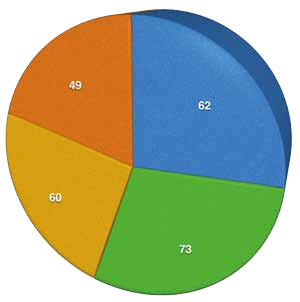
Fig. 2.: Breakup of the 2020 Masterclasses over 244 sessions
It was and remains a domain expanding constantly for the beneficiaries to take forward in the direction that benefits patient and communities at no cost for learning.
244 sessions, over 90,000 hours of viewer-time, nearly 1.2 lakh viewerships are not mere numbers or the impact, but an investment to ensure life in a remote setting is not lost to ignorance, or lack of resources. To be willing to take initiative and pursue it amidst inertia initiated a magnificent journey of a thousand miles. Here are a few testimonials from the participants.
“The Masterclasses are a true reflection of what we have to learn from the world’s oldest heritage of knowledge” – Pedro J. del Nido, Professor & Chair – Congenital Heart Surgery, Children’s Hospital, Boston, USA
“You have done what the American society hasn’t succeeded at” – Dr. Marc R. Moon, Professor & Chair – Heart Surgery, Washington University in St. Louis, USA
The joy of learning has no description! Unbeknownst, it is the omnipresent smile on Swami’s face that brings about the will to do such acts!
Jai Sairam. By Aditya N. Doddamane, Sujith N.S.,
C.S. Hiremath & Shekhar Rao Department of Cardiothoracic & Vascular Surgery
CONGENITAL
THORACIC
ADULT
ACADEMIA
(BOOTCAMP, EDITOR’S CHOICE, RESIDENCy, COVID-19)
Outreach · page 26
Sai Rehab Program
In 2004, the Sai Rehabilitation Program (SRP) was envisioned, where follow-up care of heart patients from SSSIHMS Whitefield and Prasanthigram started. The target audience of this program were those who received prosthetic valves, where regular monitoring of the anticoagulant medication is required.
The Sri Sathya Sai Seva Organisation carries out the coordination between the patient and a volunteer doctor, who monitors the patient parameters periodically. Every district in the state has a SRP coordinator, who ensures the patient-doctor interactions happen periodically. Through the state SRP coordinators, regular feedback is received by the SRP coordinators in each hospital, regarding the health of the patients. They also conduct regular district-wise patient gatherings, where patients come together for sharing educational content and participate in Sai bhajans. The program was launched in Karnataka to begin with and over the years expanded to serve in six states viz. Karnataka, Kerala, Tamil Nadu, Orissa, Andhra Pradesh and West Bengal. During 2021, this program was extended to benefit patients of Bihar, Jharkhand, Madhya Pradesh and Maharashtra i.e. a total of 10 states.
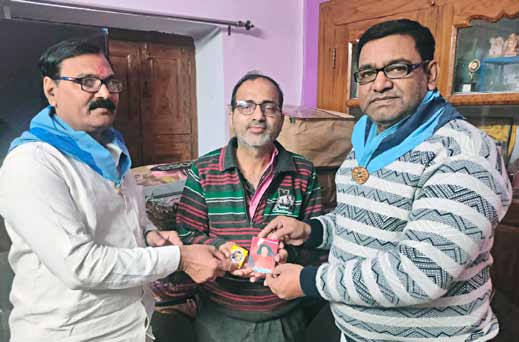
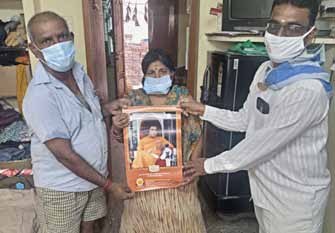
Gratitude to Bhagavan
Is my doom, after all, Shade of His Hand outstretched caressingly?
- Francis Thompson
It was the month of May 2021. The second wave of Covid had struck and as we tested the residents of the hostel, to our concern we found that the bubble had been punctured and most of us were testing positive. Even as we prayed to Swami, Swami’s grace came to us in the form of help from the Sri Sathya Sai Institute of Higher Medical Sciences. We were shifted immediately to the Covid ward in the hospital. Even as we entered the premises it seemed a different world. The next couple of weeks we were looked after with utmost care and love. We could not have ever enjoyed the stay in any hospital with the caring of being on our Mother’s lap. But this was exactly how we felt being in Swami’s super speciality hospital. The nurses and the doctors on duty attended to us with utmost care. Even being in the PPE kits all day long and hardly able to see through the visor, they showed no irritation or frustration. In fact they were so worried about our pain at every prick that needed to be administered, that they did not care about their discomfort. Instead of being worried about Covid, our minds focused on the blessing that Swami has provided to the world in the form of this hospital. We were being given a first hand peep into the wonders of this different world where ailments are converted to ashirvadam or blessing. Having experienced the selfless love of these devotees of the Lord in the roles as doctors, nurses, ayahs and the other health personal our lives can never be the same again. I examined my own approaches and attitudes towards life and decided to lead a more productive life committed to the service of mankind. The stay in the hospital was a blessing in disguise - as the virus called Covid was being removed from our physical beings, the more dangerous attitudes like being self-centred were also being weeded out.
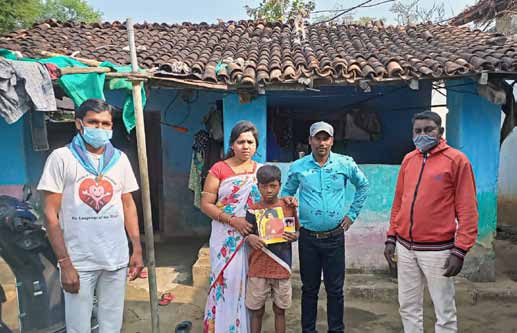
We were discharged from the hospital charged with inspiration to serve mankind with greater zeal and be worthy of this lease of life He had extended.
Dr. T. Ravi Kumar
Warden, Sri Sathya Sai Boys Hostel, Brindavanam
... contd. from Page 10
Manohriday · pages 27–28
Shaolin Chambers Making of a Cardiac Surgeon
post-doctoral residency program lasting another 3-years. There are 280 positions available through 80 institutes across India. This program is usually offered as M.Ch/ DNB in Thoracic and Cardiovascular Surgery. The flipside of this program is that there are few takers and high attrition rates. Why so?
A doctor is about 26-27 year old at this stage. He/she is not financially independent yet. In addition, cardiothoracic surgery is a specialty that requires round-the-clock availability. It can never feature on the list of 9-5 jobs for the simple reason that most procedures stretch beyond those hours! The learning-curve in this specialty is reasonably longer in contrast to other surgical practices.
Noting these encumbrances, a newer training paradigm was introduced. The Doctorate program of the National Board of Examinations (DrNB) is administered as a 6-year program post-MBBS, dedicated to training in thoracic and cardiovascular surgery, with emphasis on competence and capability building over a longer span of time towards the ultimate objective of training a competent cardiovascular surgeon. SSSIHMS has been offering this program since 2010.
As a cat can be skinned in several ways, these training formats are only modalities to produce the ultimate result and will change over time with requirement, result and re-alignment. Every year, the resident is bestowed with graded responsibilities before, during and after surgery. The resident goes through the fifth, sixth and seventh chambers at this stage.
There are presently 2000-odd cardiothoracic surgeons across India. The median age at completing a residency program in cardiothoracic surgery is 31 years. Pediatric Cardiovascular Surgical training has been largely surgeon-motivated or institution centric, until recently, when societies and associations have taken up curating such a program. The goal of pediatric heart surgery programs is to provide constructive, dedicated and structured training to individuals espousing an interest in a career aimed at palliating children and adults with congenital heart disease. As of the time of writing this article only 5 institutions in India were offering 9 positions in advanced congenital fellowship. Our institute holds the distinct position of being able to administer basic cardiothoracic and advanced training in various high-end specialties of cardiovascular surgery.
It is time to utilize techniques learnt thus far and refine movements. Varying between 18-24 months’ duration, a fellowship is not a license-oriented requirement to practise congenital heart surgery, but a gateway to be able to perform this task with adequate experience, mentoring and alignment as sequelae of formal training.
Finding mentors in congenital heart surgery is a tough ask. Fortunately, our country has been blessed with altruistic and dedicated individuals committed to this cause. Following the extended training in this area, the trainee is expected to train in one, or a few centers abroad to acquaint themselves with lateral patterns of care. But the path does not end there. This 3:36 AM, Sunday. You’re awoken by a familiar rhythm. It’s not stopping. Your ears picked it up and your mind is in splits. No, it’s not a dream; it’s not the alarm either. It is your mobile. Your phone is ringing and it’s from the hospital.
You dress up and orient yourself as you undertake the brief drive from the residential quarters. It’s cold and the roads are pitch-dark, yet the first floor of the hospital is well-lit, providing a sense of warmth you seek. Outside the OT complex, you see two unfamiliar faces; the expression in their eyes is familiar.
Soon, you are peering into the heart of a child, attempting to modify nature’s design. How do you get to doing this? This is the behind-the-scenes making of a pediatric cardiothoracic surgeon.
India has 138 crore hearts beating in euphony, each beating 100,000 times a day. 2.5 crore babies are born in India annually i.e. roughly 70,000 babies a day. Out of these, around 700 children are born daily with a malformed heart.
The genesis of a pediatric heart surgeon’s career can happen anywhere. It is a byproduct of inspiration and motivation and could be through word-of-mouth, media, the internet, experience, interactions. It is a mixed bag!
The journey to becoming a doctor starts in high school. The process to enter medical school is arduous and demanding. Three subjects over three hours, in the form of an entrance examination,will seal the fate of the journey. Success is relative, because qualifying in the exam will only make one eligible to be admitted into one of the 553 medical colleges in India. The 285 government and 268 private medical schools in the country can only admit 83,000 students, out of 13 lakh applicants.
With merit and luck in pocket, the aspirant awaits being admitted to one of the medical schools around the nation. Inspiration to treat patients takes a hit the very first day when the naïve student is introduced to his first teacher in medicine
- the cadaver! Over the course of four-odd years, the student-doctor has to master 20 subjects. Failure, agitation, anxiety, doubt and fear are elements in the day of a doctor-in-themaking. Internship following medical school is aimed at fusing knowledge acquired over this period with practical application. Much is learnt in these first two chambers.
The dream of becoming a pediatric cardiac surgeon, is perhaps lost or awaiting realization amidst other priorities of becoming a primary physician-surgeon.
The third and fourth chambers have multiple bottle-necks. Until 2010, MBBS doctors had to undergo 3 years of postgraduate training in general surgery residency program. It was aimed to equip them to diagnose acute illnesses that could be ameliorated with surgery. There are 550 odd-institutes across India offering a PG degree in general surgery with 4100 positions available.
Following this, those with steam left within could chase their dream of becoming a heart-surgeon by enrolling into a They have to be grounded and willing to accept mistakes, whilst working as a member of the team. No theatrics in the 35th chamber. Period.
The trainee ages just as others, perhaps faster. However, patience and understanding within one-self are important requisites to reach this goal. The path to mastering congenital heart surgery is every bit rewarding.
We cannot think of a greater gift in life to help store the gift of life in a tiny tot. To be able to look inside the chambers of the heart, help reorient complex connections in every malformed heart such that the circulation and anatomy are in a ballad is perhaps the most complex of procedures there exist in surgical literature.
Walking the dream to reality may be nerve-wracking and onerous; however, the alembicated process is nowhere close to the suffering caused by congenital heart disease. Sacrifice on personal and professional fronts by the surgeon helps acquire the unique privilege to change scenarios that are otherwise compelling sacrifices from millions of families. The patient is the master in the 36th chamber. But the journey never ends.
The sense-of-purpose and transformation in identity brought about by this invigorating and unrelenting specialty is a joy to live and derive inspiration to serve society! Yet, the sweat, tears and will come from within. They serve as elements that determine the mileage and tenacity of the “San Te” to progress through every step along the way. Consistency, compassion and confidence are the pillars of this Shaolin Chamber.
Sairam.
By Anupama Rao, Aditya N. Doddamane, Saipriya Natarajan, C.S. Hiremath & Shekhar Rao
Department of Cardiothoracic & Vascular Surgery is when the aspirant is a full-fledged pediatric cardiovascular surgeon after 12-15 years of training in surgery. The median age among Indian pediatric cardiac surgeons is 36 years. The eighteen-year old has aged twice in the process of progressing to the top-chamber!
Congenital heart surgery is universally acknowledged as an area of expertise that is both difficult to do and difficult to get to do. Performing heart surgery on children is not scaling down of the adult recipe, but a scale-up in most areas. Training and mentorship in congenital heart surgery is today a catch-22 situation for every mentor and surgeon. Allowing a mature trainee to perform under supervision remains an enigma as it always has been.
Trainees of cardiovascular surgery, prior to fellowship, train predominantly in adult units and are wet-behind-the-ears when it comes to managing children, which exposes a majority to few fundamentals of caring for children with heart disease. The subject content of diseases here, critical-care, perfusion and organ-protection, handling dedicated instruments, decision making and protocols are started from scratch. These are some quantitative areas of focus. Qualitative zones such as communication, thought-process, reaction to scenarios and soft skills are acquired from mentors verbatim with observation and time spent in company.
Sharing operative time and taking the initiative to teach pediatric cardiac surgery is a major undertaking. There is virtually no step during an operation on a child that can be outsourced, because the stakes are high. Operating on a child is equivalent to putting the knife on three individuals – the child and the parents.
What makes the congenital heart surgeon skilled? Understanding the pathophysiology, developing a surgical plan for lifetime endurance, taking up the onus of the outcome and being prepared are a few of their attributes.
Manohriday · page 29
Neuro Patient Story Faith Leads to Healing
Manjunatha grew up in the outskirts of Bengaluru in a family of five, his parents, two older sisters and himself. His family owns a piece of land in which they harvest ragi. Having completed his 10th standard, he chose carpentry as his profession at the age of twenty. He married Netravathi and has two daughters aged 7 and 4 years. Manjunatha is a confident young man, with his own team of carpenters.
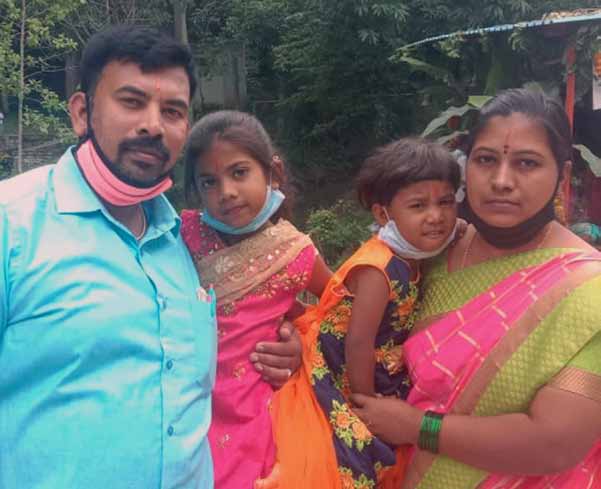
He lived a healthy life with his family until one day life took a sudden turn. He had eaten some ice-cream cake on his daughter’s birthday after which he developed fever, headaches, vomiting and double-vision. He consulted a local doctor who was treating him, but his condition did not improve. The family took him to three hospitals spending a considerable amount of money, which they could ill afford. It was God’s grace that they were directed to our hospital. Meanwhile, the headaches became unbearable.
When he first came to Swami’s hospital, he said it was different from the other hospitals he had gone to. The love, concern, support and encouragement of the doctors and nurses in the hospital stood out.
An MRI revealed Manjunatha had multiple abscesses in the brain, which needed to be operated upon and drained. He was initially very fearful when he heard that his skull would need to be drilled into, but the kind words and genuine concern from the neuro surgeons who operated on him, calmed him. The surgeons explained to him the details of the surgery. The complexity of his condition required that he be operated upon six times over a period of three months.
The counseling dept. taught him the Body Relaxation and Mind Cleansing (BRMC) therapy, which helped him reduce his anxiety during the course of treatment and remain in a positive frame of mind. He has been practicing BRMC regularly.
He felt his faith level diminishing twice while he was facing this crisis of repeated surgeries while he was at Swami’s hospital. After his fifth surgery, he was not in his senses and was talking gibberish, which his wife has video graphed to show the doctors. In spite of this, he still had the courage to go in for the sixth surgery and showed his trust in God and our doctors.
He underwent a lot of difficulties, his children were with the older sister, they would weep and also pray out of concern and fear, they sensed that the father was not well. Their faith in God Siddeshwara, their family deity, has been strong. Help came in the form of his family.
His in-laws morally supported him. Other expenses were met by his older sister, school teachers who were kind enough to give books and school uniforms for his daughters and even said that he could pay the fees when they are comfortable enough to do so. Netravathi conveyed her wish to offer annadaanam in Swami’s hospital.
Within a span of three months, having had six surgeries, he was discharged from SSSIHMS. He still needs to get his strength back; his hand still shakes. The family is making ends meet and coming to terms with his illness. The children were petrified seeing him with his head shaved. The need to have a second income has forced Netravathi to take up a job working long hours at the Channapatna Toy making Factory. His mother helps with the housework and is supportive. Manjunatha had borrowed money and pawned the family jewels, which rankled him. The family managed up until now with the amount from the Chit fund that Manjunatha had invested in, which showed his foresight, commitment and responsibility towards his young family.
His faith in God has increased. His family has been his strength and he did not feel the need to isolate himself. Manjunatha’s routine now is visiting his farm, spending time with his younger daughter who comes home early from school and mentally he is now prepared to take contracts to start his carpentry work. His friends too are a part of his support system. He recollects having partial headaches when he had to meet deadlines which made him tense. He blames his father for going around crying about his illness because of which Manjunatha feels he is not getting contracts now. Counselling helped him. He has learnt to take life easy now and surrender to God.
Manjunatha has included the BRMC therapy in his daily schedule and does it with his family. He finds that it reduces the tension and keeps his mind free and relaxed. He is convinced that it is important to calm his mind in order to accept the treatment given by the doctors. Contributed by SAI Counsellor Saroo Annaiah
Manohriday · page 30
Neuro Patient Story Divinity heals...
Mayna Bhui from Bankura was admitted on 6 Aug 21 and she underwent a neurosurgery to remove the tumour from her brain. Post-surgery, the patient was discharged on 5 Sep 2021.
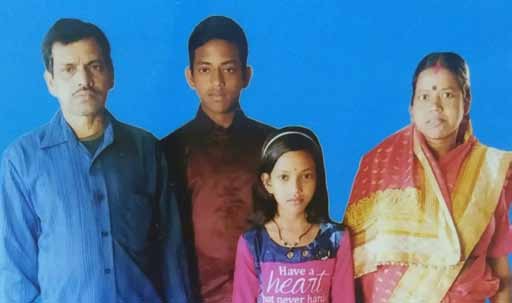
Mayna’s illness started two years ago. Until then she was a normal housewife, mother of a son in his teens and a younger daughter. Her husband and his brothers looked after the family land which was their livelihood. Her symptoms started with swelling in the legs, later worsening when she was unable to walk and then lost her speech. She had severe headaches and could hardly eat. Naturally, the family was devastated not to speak of the state of her own mind and her inability to express herself. They showed her to various doctors locally and then on the advice of a local doctor, they got a brain scan done in Bankura. The scan reports revealed a brain tumour, which needed surgery. They went to Kolkata but were advised to get the surgery done elsewhere. Through God’s grace, they learnt of Swami’s hospital in Whitefield and finally landed here after a delay due to the Covid situation. The entire family comes from a deep spiritual background, their faith and prayers to their God was their sole source of solace during this very trying time of seeking medical help.
Post-surgery, Mayna’s condition improved very much. She was able to walk and her speech was restored. Previously she could hardly eat, now, she was able to eat well. They are so grateful to Swami and the doctors and staff of SSSIHMS.
Who is Mayna as a person - the person behind the illness, her daily routine, her nature, her hobbies, strengths and what gave meaning to her life? Mayna was very happy to receive the call from a counsellor in Swami’s hospital. What was touching was her enquiring about my welfare! She said she was doing fine and spoke very lovingly, her response was spontaneous and she sounded very cheerful. Finding the counsellor very empathetic and with whom she bonded, Mayna started speaking about her family of which she was very proud. Her family consists of her husband, who also worked in a factory making grills, her 16 year old son Tanmay was a 11th grade Arts student and 11 year old daughter Tanushree was studying in 6th standard. She took great pride in saying that her son studied Bengali, Philosophy, Geography, Sanskrit and Agronomy. He had passed his 10th Board exams, in spite of the difficult conditions at home with his mother suddenly taking ill. Her in-laws had passed away. On her husband’s side, they were five brothers all living close by, virtually as a joint family, close-knit, very helpful and supportive. And very loving to one another. She had her parents and two brothers. Shib Shankar who had come as her attender in the hospital was her cousin brother and a great source of strength, care and support for her family.
After returning home when she was discharged from our hospital she has yet to resume her normal work at home. However, Mayna is happy to help as much as possible. Her day starts at 7 am by helping in the kitchen cutting vegetables while her 11-year-old daughter Tanushree cooks the meal for the family. Mayna is very well looked after by her family.
Her hobbies include watching Bengali TV serials, listening to Hari Kirtans and spending time with family and co-sisters.
Tracing her spiritual dimension which is the main source of strength for the family, she says, she has faith and prays to their Kula Devata Sanyasi Baba (Thakur) and Lord Dharmaraj. She said they have a Mandir at home and Pran Pratishtha of the Murthy of Sanyasi Baba is installed in the temple, that is nearby their home. Every year on Sankranthi, a special pooja is performed by the priest. Daily puja is performed by her daughter Tanushree after a bath in the morning. She cleans, decorates the idol with flowers, lights the lamp and offers Dhoop Aarti. The same is followed in the evening hours. Mayna is very proud of her bright children.
BRMC was taught to Mayna, her son Tanmay and her daughter Tanushree. As she was at her co-sisters’ place (next door), her co-sister Shanthi and other members also learnt the BRMC. They connected well and felt very relaxed. They said, they would all practice. It was such a touching experience, how well she bonded with her co-sisters and at the same time, she is blessed with good support from her parents and cousin. It was a unique experience connecting with this simple, happy and contented family.
The environment in Mayna’s entire family was such that, they all felt so safe and were at peace and had full faith in Swami’s hospital and treatment. Mayna and all her family members were very grateful to Swami and Swami’s Hospital for giving Mayna a new lease of life and bringing hope and joy to the whole family.
Jai Sairam.
Contributed by SAI Counsellor Sharda Gopinath
Manohriday · pages 31–33
Feature: SSSIHMS starts its Journey towards Zero Waste
Dictionaries define Waste (of a material, substance, or byproduct) as what is eliminated or discarded as no longer useful or required after the completion of a process. Waste generated by individuals, communities and organizations has gained attention, mostly because of the unsatisfactory ways, by which waste is disposed. Modern life-styles demand the proliferation of convenience stores, and instant deliveries, which have all been exacerbated by the Covid pandemic, during which usage of single-use plastic has gone up exponentially, along with the use of disposable masks and PPEs made from petroleum-based materials.
Littering on roads is begrudgingly accepted as a necessary evil, and the onus seems to rest with the government machinery, to ensure our taxes are put to work and waste is dealt with appropriately. Given that India, with a population of 140 crore, generates 0.1 million tons of waste daily, it is no easy task for the government to manage solid wastes. Due to lack of proper segregation, landfills are accepted as the way to deal with stuff, with scant respect to the repercussions to the people living nearby and also the long-term impact on the environment.
While waste is a global problem, and local governments are grappling with the problem through legislation, and enforcement, there is a lot which can be achieved by individuals, communities and organizations, by following certain timeless principles, which are an integral part of the teachings of Bhagawan Sri Sathya Sai Baba. As an individual, Baba stood as an epitome of living with less and treading lightly on the planet, with deep reverence for Mother Earth, which bestows on us the resources that we need to live life comfortably. He has been the role model in not only preaching but also practicing a ceiling on desires. Anecdotes abound where He has demonstrated to devotees through personal example, the need to reduce excessive consumption of food, water, electricity and other resources.
It is against this backdrop that this feature article highlights the steps SSSIHMS-Whitefield has taken towards reducing the waste it creates in the process of providing high-quality care, totally free of cost to the patients.
Running a super-speciality hospital involves procurement of high-cost resources and entails generating of various types of wastes, be they biomedical, food, electronic, packaging (cardboard & paper), hazardous (batteries, used oils) and so on. While biomedical waste and other hazardous wastes are managed as per mandatory norms laid down by the Karnataka State Pollution Control Board (KSPCB), efforts were made to learn how to create wealth out of waste through segregation at source and not merely fulfill the norms laid down by the government.
Nature is more progressive than man and to protect nature, man has to make use of it within limits. When man tampers with nature recklessly, it reacts adversely and trouble arises.
In order to protect nature, man has to place a ceiling on desires.
- Bhagawan Sri Sathya Sai Baba
As part of this initiative, an MOU was signed with Recykal (www.recykal.in) and starting Jan 2021, SSSIHMS-Whitefield started handing over the dry, recyclable waste generated by the Hospital. Over a period of 12 months, Recykal has collected over 11 tons of waste from the hospital. Apart from Recykal, the Institute has also tied up with other authorized waste handling agencies, to ensure that waste is disposed of responsibly.
Other initiatives are listed below:
- As part of the World Environment Day, awareness programs were conducted to educate children on campus about the need for waste segregation.
- A presentation was made by Mr. Vasuki Iyengar, Founder of Soil & Health about composting and sustainable living.
- As part of the Sri Sathya Sai National Leadership Program for Self Transformation, the Karnataka South Mahila participants set up a dry leaf composter on campus.
- A plog run was conducted from SSSIHMS-Whitefield to SSSIHMS-Prasanthigram to highlight the need for sustainable living, and living life aligned with certain higher principles.
- A dry-waste recycling centre has been set up in the Central Stores where residents can drop-off their recyclables.
The ultimate goal of SSSIHMS-Whitefield is to be a “Zero Waste” organization, where the amount of waste going to a landfill is practically zero. While this may be a utopian scenario, there is a whole lot of work, which could be done to create awareness and take steps to reduce the adverse impact we have on the environment. In due course, this would have a ripple effect on other Institutions run by the Sri Sathya Sai Central Trust including the schools, colleges, hostels, townships and residential communities run by the Sri Sathya Sai Central Trust.
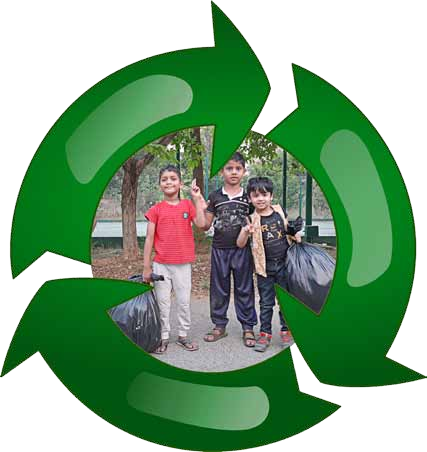
With this theme in mind, we bring you two conversations with subject matter experts in the area of waste management.
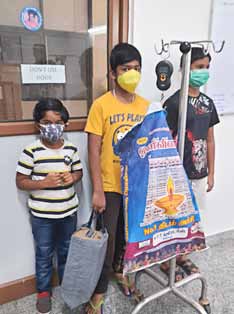
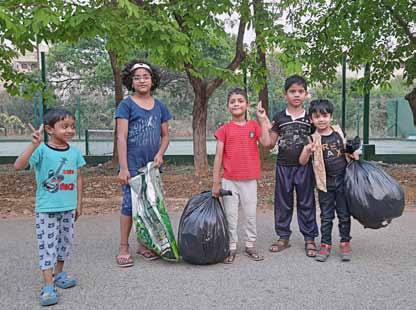
Green eco-warriors children of staff of SSSIHMS-Whitefield Leaf composter Dry waste collection centre Art created by nursing students & Bal Vikas children using waste As an offering on Bhagawan’s 96th birthday, and to highlight the importance of waste management & sustainable living, Satish Chandra, Sr. Manager-Central Stores and Jay Moodley, a Baba devotee from South Africa and accomplished ultramarathoner, undertook a 155-km run from SSSIHMS-Whitefield to SSSIHMS-Prasanthigram. They started at 9 am on 10-Dec-21 at Bangalore by plogging (picking up trash while running)
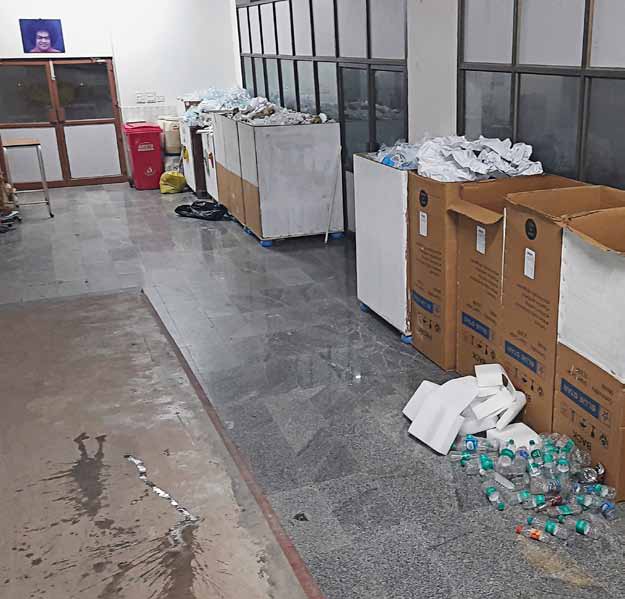
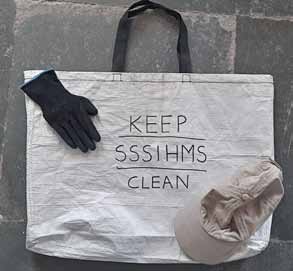
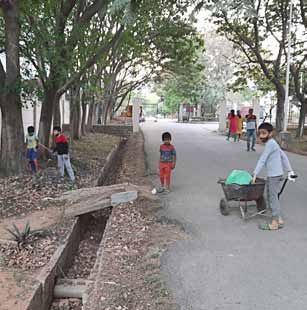
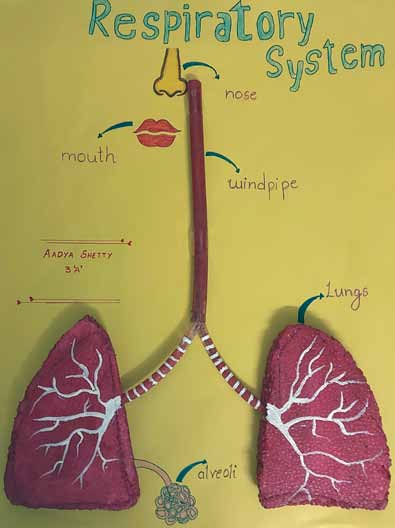
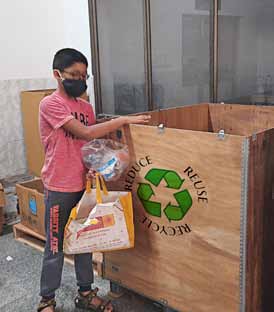
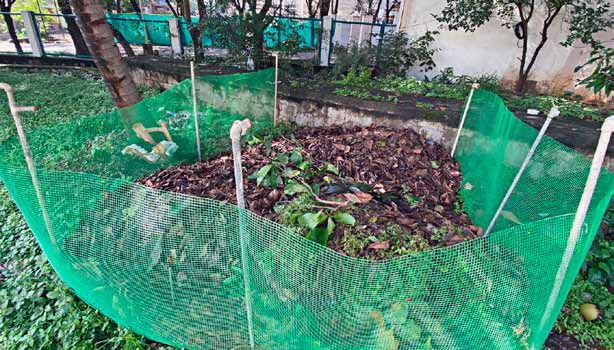
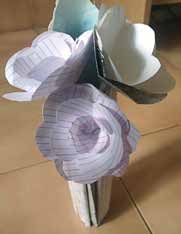
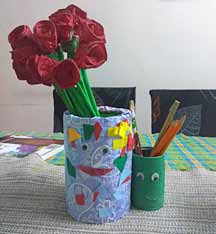
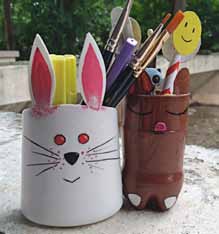
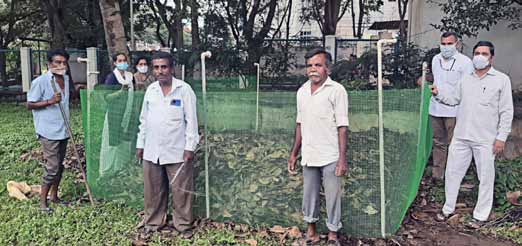
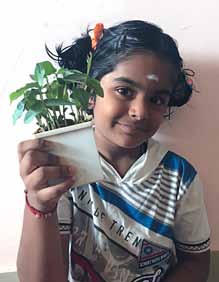
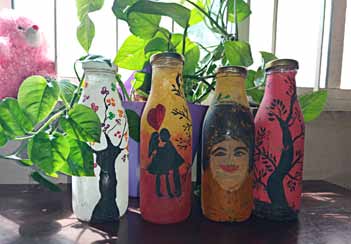
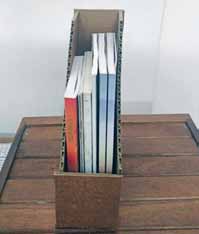
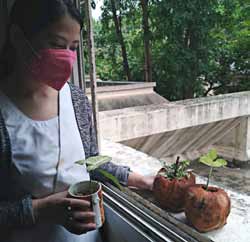
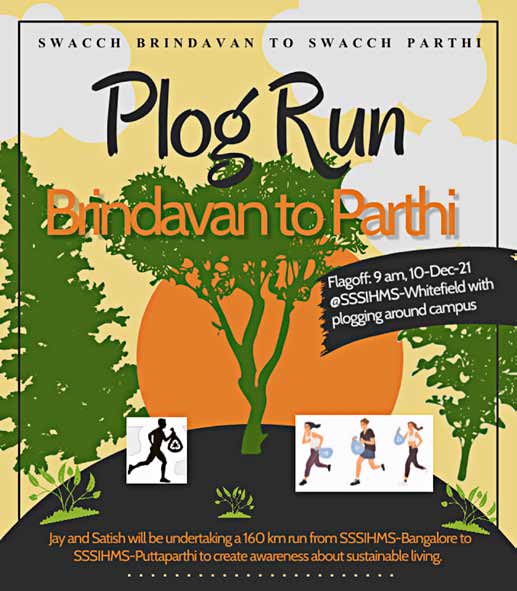
around campus. They were flagged off by Dr. C.S. Hiremath, HoD, CTVS & Sri P. Mohan Das, Sr. Personnel Officer.
After running continuously for 27 hours, they reached Parthi on 11-Dec-21 at 12 noon. They were received at SSSIHMS-Prasanthigram by enthusiastic staff of the hospital, who ran the last hundred meters with them and concluded the run in the mandir.
Sri Sathya Sai Media Centre covered the latter part of the run and snippets of video coverage and an interview with Satish are available on YouTube at https://youtu.be/p--movdqGN0
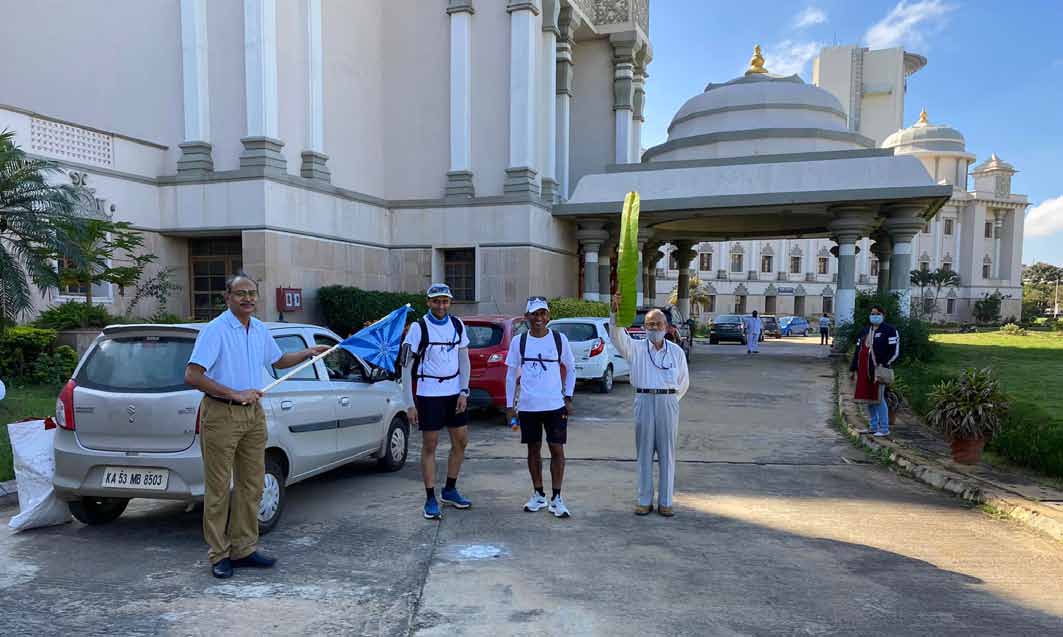
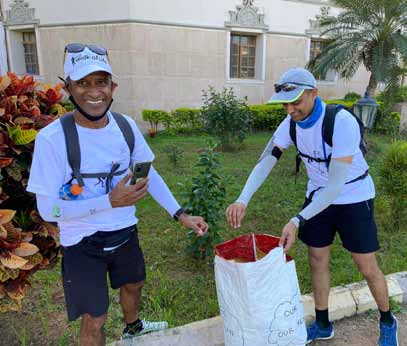
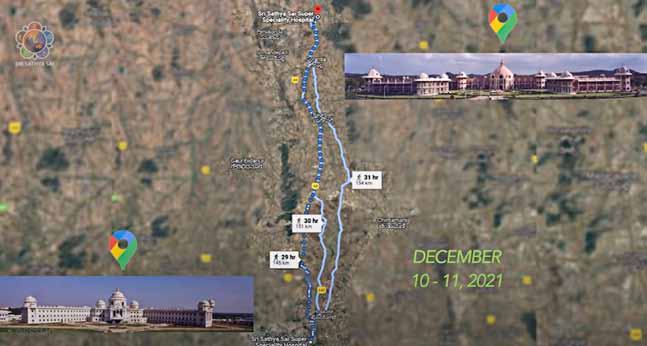
Manohriday · pages 34–35
Trashversation Shri Afsar Ahmed
Mano Hriday (MH): Greetings, Shri Ahmed. Thank
you for making time to share your views with us. For the benefit of our readers, could you please share your background?
Afsar Ahmed (AA): Thank you. My background is in social work. I did MSW (Masters in Social Work) and soon after, I started my professional journey working with street children and ragpickers. My aim was to do something in the social work and environmental space. I joined ITC thereafter, where I had an opportunity to establish end-to-end waste management services and was responsible for setting up the Wellbeing out of Waste (WOW) project, where I established 120 waste collection centers across India for source segregation to recycling. We started recycling 10,000 tons every month through this program. I then chose to move to Recykal, which had a larger impact and where I could serve multiple organizations and stakeholders with my experience and knowledge. At Recykal, we are currently handling 50,000 metric tons every month.
MH: Recykal has helped SSSIHMS-Whitefield recycle over 11 tons of primarily packaging waste over the past calendar year. Could you briefly share the process of recycling after collection of the waste?
AA: We have three channels viz. C2C, B2B and B2C. We have a marketplace application, where using technology we facilitate individuals and companies to sell their recyclable waste to a proper recycler. We create awareness and value for the material and connect recyclers to the waste generators.
MH: Can you share your views on why recycling is taking on a critical role in the present day?
AA: Today, the major challenge in the recycling industry is source segregation. As a country we are not doing even 30% source segregation, whereas in developed countries they are upto 70% source segregation. In our domestic purchases, we may have up to 30-40% packaging waste, which is thrown along with the household waste. Households generally segregate only newspapers and few plastics and dispose of the rest of the recyclable waste without segregation. This ends up in a landfill or water bodies.
On the other hand, as virgin materials are expensive, recycled raw materials are preferred by industries. However, due to lack of adequate quantities of Shri Afsar Ahmed is Director-Operations, Recykal, based out of Bangalore. Recykal is a digital technology company providing a cloud-based solution for waste
management and the recycling industry. Coming with years of experience in waste management, Sri Ahmed is presently responsible for handling up to 50,000 metric tons of waste every month.
segregated waste, we are having to import waste to be able to run the recycling plants. Contrast this with developed countries, where source segregation is practiced and there is adequate raw material for the recycling industry.
Government is taking good steps like the Swachh Bharat Mission, Solid Waste Management Rules in 2016 and EPR Law. The irony is that while we generate millions of tons of waste, we are forced to import waste, due to lack of proper segregation. Through segregation of waste and using Recykal as a platform, SSSIHMS-Whitefield is contributing greatly to the Swachh Bharat Mission. The challenge is source segregation and to take this up we have to educate children, households, communities, hospitals, corporates and all industries.
MH: As a culture, while we give much importance to personal cleanliness and cleanliness of our homes, why do you think it is not extended to our communities?
AA: Very good point. Only in India there are homes, which are cleaned 2-3 times a day, but where there is a lot of dirt outside. The attitude is that my house is clean and I do not mind about the house in front or the roads outside. This is due to the lack of responsibility we have towards the community. We are not thinking about society. People chew pan and spit anywhere, but not in their own homes. My surroundings should be clean, but they aren’t concerned about their own community. The attitude should be that my society should be clean, my roads should be clean and so on.
People feel it is the government’s responsibility to clean roads and handle the waste, but if we practice taking responsibility, the same resources could be used by the government for better facilities.
It is my earnest request to the Sri Sathya Sai organizations and Baba devotees, to practice source segregation and maintain cleanliness of their own communities and be role models for other institutions. This needs a lot of education and awareness but it is very important. Source segregation should be developed as a habit and change the mindsets of people.
We could suggest small incinerators for burning sanitary waste and also could put you in touch with companies, who are into sustainable menstruation through reusable sanitary pads or cups.
MH: What support could we expect from Recykal in this connection?
AA: We would be happy to help SSSIHMS in carrying out a waste audit, recommend bin placement and conduct programs to create awareness for staff and also train housekeeping in source segregation.
MH: What do you think are the misconceptions people have about waste recycling, that you wish to help clear up?
AA: People tend to think that waste recycling is a burden or a chore, but I believe that once people are aware that waste is not a waste but a resource, it will become easy to alter the mindsets people have regarding waste.
MH: Being in recycling, what advice would you give to organizations wanting to go Zero Waste? And on a different note, to residential communities and individuals?
AA: In waste recycling, it is the top-down approach, which works; the top management be it the Director in a hospital or CEO in a corporate or the RWA in a residential community, they should be committed to the cause and drive the initiative for it to be successful. The top management support should be ably supported by the individuals or the departments, who need to own the responsibility for source segregation. Ultimately, going zero waste benefits the planet on which we live. Once people connect the dots, behavior change will follow.

MH: Do you think Recykal could create a platform for like-minded organizations / communities to connect and share best practices?
AA: That is a good thought. Since we have a strong technological background, we could work towards setting up a platform, where organizations or communities could interact / share / collaborate in the recycling doman. We could also periodically conduct seminars and workshops to take forward this thought.
MH: What would you see as the next steps in the journey of SSSIHMS towards Zero Waste?
AA: I believe going Zero Waste is not a rocket science and especially in hospitals, it is very easy to practice going zero waste as you already have the bins set up to handle the hazardous, biomedical waste. Firstly, you should start with source segregation. Next, you need to place proper dustbins for various types of waste across the hospital with proper stickers and provide training to the staff to follow the proper process for waste segregation. For patients, you could have them sign a declaration saying they will practice the rules of waste segregation followed by the hospital. This will not happen overnight but from a baseline of 30%, if we are able to improve it to 60% it is quite an achievement. Also, at the hospital gate, you could institute a practice of depositing a token sum of money and affixing a sticker on any plastic water bottles being brought in. This would ensure there is no littering inside the hospital and create some ownership of their waste. Additionally, you could allocate some area for carrying out composting.

Abhishek Deshpande Chief Customer Officer Yo u r O rga n i zat i o n is environmentally responsible



Are you?
Exchange your Apparels, Old electronics & other Recyclables via U Z E D app and get exciting new products

ELIMINATED
SAVED

1 4 3 Trees
11178 Litres of Oil
261057 Liters of water
27873 kWh Energy
10504 KGs of air pollutants 3258 Cubic Feet of landfill

IMPACT
CERTIFICATE
This is to certify that
Sri Sathya Sai Institute of Higher Medical Sciences
has contributed to clean environment by responsibly discarding recyclables via Recykal platform.


Manohriday · pages 36–37
Trashversation Shri Omendra Srivastava
Mano Hriday (MH): Sir, could you please share how you came to Swami?
Omendra Srivastava (OS): Beggars can’t be choosers! Only Swami, our Master, can choose whom to connect with and when to connect! My father was serving in the Indian Air Force and was posted at Gorakhpur in 1980, when we were introduced to his dear childhood friend Shri VK Singh (uncle), who was the Chief Engineer with Fertilizer Corporation of India (FCI) at Gorakhpur. He was a staunch devotee of Baba and we were attracted towards uncle’s talks on Baba and his actions truly reflected Baba’s teachings. He infused unconditional love in all of us for Baba. He gave us Baba’s biography “Satyam Shivam Sundaram”. After going through Baba’s life and miracles my faith, love and affection in Baba solidified and with time took a concrete shape. Since then, I have encountered Baba’s presence and blessings, and have no words to express my gratitude and my love for Baba.
To help my lips keep chanting Baba’s name, I used to call my mother “Saima”, my dad “Saiba”. Both my daughters are named “Sai”. Even in my office my colleagues and friends, everyone, whenever they greet or depart, they say “Sai Ram” instead of “Good morning/ evening/ namasthe/ Hi” and truly speaking it all happened automatically, without my ever insisting on them to do so! Baba is now my life and sole desire.
MH: Could you please share your background in waste management? What drew you to this field?
OS: It’s completely by accident. It won’t be an exaggeration, if I say Baba guided me to take up waste management as my career. I started my career as a healthcare marketing professional in 1995-96, but because of a road accident, landed a job in a hospital as a purchase manager, and got exposed to the challenges hospitals encountered in the scientific disposal of healthcare waste. With the help of local NGOs, and the principle of ‘Learn-Do-Teach’ from foreign healthcare professionals, we implemented those at our facility and helped others replicate the same at their end. We started documenting those small steps and those led to bigger projects and our learning also grew simultaneously.
My very first innovation was an electrically operated tabletop needle destroyer to avoid needle prick injuries. Later, Shri Omendra Srivastava is the CEO of Waste Management Corporation, New Delhi.
A Certified Lead Auditor ISO: 14001 (Environment) and Government Advisor for Waste Management, Sanitation, Environment & Pollution Control with over 21 years of experience in Urban, Rural Sanitation and Environment Protection. He has successfully executed and commissioned several waste management, sanitation, environment and urban
infrastructure projects at Central, State & Local level. He has had the honor of serving as Technical lead (Environment, Waste & Sanitation) with Swachh Bharat Mission, Ministry of Housing & Urban Affairs. Apart from being an expert in the field of waste management, Shri Srivastava is a long-time devotee of Bhagawan. We were fortunate to have him on the
team taking forward the initiative of SSSIHMS-Whitefield of going Zero-Waste.
we developed a plastic shredding machine, followed by an autoclave for medical wastes other than body parts.
When your good efforts start getting recognised and appreciated not only at the local and State levels but at the Central level, your actions become aggressive and work becomes passion. Since 1998, I have talked only about waste, dreamed and acted only on waste, and now this waste has become my life’s bread and butter. I am proud to add that it has become my identity too.
I am extremely thankful to the Ministries of Housing & Urban Affairs and Drinking Water and Sanitation, where I contributed to the best of my ability in implementing solid waste management practices during Jan 2015 to Dec 2020, as part of the Swachh Bharat Mission, conceived by our Hon’ble Prime Minister Shri. Narendra Modi ji, who recognized the need for scientific waste management.
Thanks to this initiative, we can clearly witness transformation of waste management practices in India from worse to satisfactory. We have yet to do a lot of work on the ground to enhance the level from satisfactory to best, which I am sure we can accomplish in the next five years with the help of public participation.
MH: It seems solid waste management is seen as a problem, which the Government or municipality has to fix. How would you respond?
OS: Time has come that we need to change our attitude, approach and action. Till we remain dependent on government machinery, we cannot realize our dreams & desires in a time-bound manner. It is similar in the area of waste management too. Waste is “WASTE” till you keep it in a mixed manner. If you split it, fragment it, segregate it, then you will get the letters W, A, S, T, E, which now you have the option to use to the best of your choice & need.
As a citizen, we must ask ourselves, are we responsible? Do we realize that our “waste” or “trash” can be “cash” for others? One needs to learn the art of waste segregation at source. With guidance and motivation, we have witnessed many colonies go Zero Waste, not only becoming garbage free, but also being able to generate revenue to meet their other expenses and help enhance their social image, security and overall sanitation status.
MH: How would you describe the steps to go Zero Waste?
OS: What we need to do in order to achieve this is to first prepare your society’s sanitation goal plan. Involve the residents, choose one team leader from every lane/ward/block, have a monthly review, prepare a waste management matrix representing performance improvement with a set time line, involve the local corporator & local body officials, share your plan, seek cooperation, involve small Swachhata competitions within your lanes/ by lane/ block.
Motivation is key to success. Recognise best waste management practitioner, Cleanest Lane/ block/ garden/ ward etc. Create an escrow account with the help of residents and outside contributions for this purpose. Implement monthly user fee for providing compliant waste management services. Provide some grant support to residents to set up their own wet waste & dry waste management center, seek my help or pitch in a local agency involved in such practices to help and guide the community.
Involve both print & e-media, undertake plogging, “nukkad natak” and witness the success after six months. Your small efforts will lead to a big “Swachh’’ Transformation, without government intervention. And success is like a magnet, which will attract all defunct government machineries towards you, to help them gain some reputation through you. They will then in return start providing you desired machineries, support and grants too, in order to retain their reputation.
MH: Could you please share, from your perspective, what is the role of effective solid-waste management in the hospital industry?
OS: Hospital is a place considered as an “Infection Zone” though best efforts are made in order to keep the area sanitized and hygienic. Yet, it is difficult to keep a complete check over the spread of nosocomial infection. A common man must understand and consider that every waste coming out of the hospital premise as infectious waste and should act accordingly.
As a hospital administrator, we must act responsibly. We have to have fair knowledge of, and act in accordance with Biomedical Waste Management Rules, 2016. I would advise that we categorise the entire premises as “Green Zone” (low risk); “Orange Zone” (moderate risk) & “Red Zone” (high risk) and accordingly provide waste management tools and operational protocols in place. For a healthcare establishment, compliance with SWM Rules, 2016 is mandatory.
It is essential that we plan all our waste management practices in a manner that is doable, replicable and sustainable. Budget management is equally important. Like I said before, “Trash is Cash” if you segregate it at source and apply the principle of 5R practices.
MH: As you are aware, SSSIHMS-Whitefield has
taken some baby steps towards going Zero-Waste. Could you share what would be the mile-stones in this journey, before we reach the destination?
OS: Swami says, ”Why fear, when I am here”. Your institute is already a blessed one as your management has already moved many steps ahead towards sustainable waste management and time is not far when your Institute will be a model for others. Though your every step is helping the facility to reach the destination, yet if you reach sooner, it is even more welcoming. To do so, I suggest following:
a) Set a Campus Sanitation Plan (CSP) with a timeline
b) Open an Escrow Account to put all funds received for this purpose from residents/ outsiders.
c) Constitute a Sanitation Committee to have a monthly review on the CSP.
d) Start undertaking weekend Plogging activities within the campus, involving residents and children. Plogging should not be just limited to waste picking activities, it must also have sessions to discuss opportunities in waste management. Success can be witnessed soon, if the mission becomes “Jan-andolan”.
e) Ensure door to door waste collection services. You may pitch to some local NGO or even volunteer with my team for this purpose.
f) Wet waste management should be practiced within the campus, as your campus is a gated community and as per SWM Rules, 2016 your campus falls under the category of Bulk Waste Generator. All your waste can be converted into wealth, if planned appropriately.
MH: How do you see the future of solid-waste management in the next 5 years and in the next 20 years?
OS: The future of waste management in the coming 5-10 years will be the same as that happened with the IT sector post 1990. There will be a fight for quality and cost-effective deliverables. Every citizen will demand for clean, hygiene surrounding and sound waste management practices.
MH: Could you share your views of how we could implement some of Swami’s teachings in reducing the impact of our actions on the environment?
OS: In the context of waste management, “Help Ever, Hurt Never” now means, do not hurt the environment; instead, help others to understand this to keep it clean. We have to become responsible and treat our surroundings as our “aangan” (patio/courtyard) or a mandir.
In His own life, Baba never generated any waste. We should emulate His life, learn the 5R principle of Refuse, Reduce, Reuse, Repurpose, Recycle and also the Learn, Do, Teach principle to extend the benefits to the community. We have the ability to change, so no harm in changing for a better tomorrow.
Every Swami devotee understands the importance of cleanliness; if they contribute a bit, I believe we will achieve Swami’s blessings in return.
Academics · pages 38–41
Publications - Conferences
RESEARCH ACTIVITIES Anaesthesia:
- Current (High fidelity) monitoring and innovative predictive algorithms to reduce Length of ICU stay, morbidly, mortality rates in the cardiac surgical intensive care unit”. Chalam Kolli, Pankaj Punetha, Anitha Diwaker, Anuradha Kamath
- A prospective randomized comparative study of pharmacoeconomics , safety and efficacy of General Anaesthesia with desflurane utilizing low fresh gas flow (0.75 lit/min0 versus medium fresh gas flow ( 2 lit/min) in neurosurgical patients undergoing elective craniotomy for tumour resection. Vrushali Choudhary, Chalam Kolli,
- Multi modal monitoring of depth of anesthesia to evaluate anaesthetic consumption and incidence of post operative delirium in patients undergoing cardiac surgery under cardiopulmonary bypassa prospective randomised comparative study,2020. Anitha Diwakar, Chalam Kolli.
Cardiology:
Dr Banajit Barooah/Dr. Darshan Manohar B Patil, Efficacy and Safety of Low-Dose Colchicine in coronary artery disease patients in Indian Population.
Dr Prayaag Kini/ Dr Reeta Varyani, Digoxin in patients with rheumatic heart disease - a randomized placebo controlled trial.
Dr Reeta Varyani/ Dr Prayaag Kini, A prospective, multicenter, single arm, open label study to evaluate safety and performance of Promesa TM DES–Sirolimus Eluting Self- Expandable Nitinol Peripheral Stent System for treating superficial femoral artery (SFA) and iliac artery lesions.
Dr Reeta Varyani/ Dr Prayaag Kini, External Evaluation of Anna Resting ECG Analysis System.
Neurosurgery:
- Conquer Chiari is the largest NGO funder of international research related to Chiari malformation, a neurosurgical problem in which the brain tissue herniates into the spinal canal. The society has established the world’s first multi-disciplinary, independent Chiari focused research facility, the Conquer Chiari Research Center at the University of Akron, USA. Since 2019, the Neurosurgery department at SSSIHMS has been in collaboration with Dr. Francis Loth, Executive Director of Conquer Chiari, and with Dr. Sumit Thakar as Principal Investigator, recently published the following paper in World Neurosurgery: ‘Are Two-Dimensional Morphometric Measures Reflective of Disease Severity in Adult Chiari I Malformation?’
- Contribution to COVID research: The Neurosurgery department, SSSIHMS was invited to be a collaborator in various multi-centric, international
COVID-related outcome studies conducted by the COVIDSurg- GlobalSurg Collaborative. As part of the GlobalSurg Collaborative, the department has contributed to the following landmark studies in COVID research:
1. SARS-CoV-2 infection and venous thromboembolism after surgery: an international prospective cohort study.
2. Effects of pre-operative isolation on postoperative pulmonary complications after elective surgery: an international prospective cohort study.
3. SARS-CoV-2 vaccination modeling for safe surgery to save lives: data from an international prospective cohort study.
4. Timing of surgery following SARS-CoV-2 infection: an international prospective cohort study.
Dr. Sumit Thakar, Senior Consultant, Neurosurgery was the principal investigator for the following collaborative study: Psychological impact of the second wave of the COVID-19 pandemic on non-frontline healthcare workers: results of a cross-sectional study in a tertiary care hospital in India.
CONFERENCES / WORKSHOPS ORGANIzED AT SSSIHMS-WFD Anaesthesia:
During the calendar year of 2021 Basic Life Support training ( BLS) full course for the 44 newly joined nurses and technicians, 56 renewal courses for existing staff were given.
Cumulative as on 31st December2021, total of 800 members are trained and received BLS certificates from American Heart Association
CTVS
1. IACTS SCORE 2021 – Bootcamp for residents conducted annually at SSSIHMS.
2. 67th Annual Conference of the Indian Association of Cardiovascular-Thoracic Surgeons (IACTS)
EXTERNAL CONFERENCE / WORKSHOP-PAPER / POSTER / LECTURE PRESENTATION Anaesthesia:
Dr. Anitha Diwakar, paper presentations on
- “Postoperative type B aortic dissection after Bentall:
th
International & 15th National TEE Workshop, IACTA TEE, Webinar 2021, “Golden Fate 2021“.
- “Stuck prosthetic AV leaflet after AVR with post root enlargement“ 6th International & 15th National TEE Workshop, IACTA TEE, Webinar 2021, “Golden Fate 2021“.
Dr. Anuradha, paper presentation on topic “COR TRIATRIATUM SINISTER … where TEE revealed the sinister hidden culprits”, held at conference “Golden Fate 2021“,
th
International & 15th National TEE Workshop, IACTA TEE, Webinar 2021.
Cardiology:
Dr. Reeta Varyani was Judge & Chairperson during PCSI 2021, EchoIndia 2021 and faculty at EP Summit 2021.
Dr. Prayaag Kini was Faculty & Presenter during PCSI 2021, EchoIndia 2021 and faculty at EP Summit 2021.
Dr. Sfurti Jadhav, Dr.Shambhavi Raju, Dr.Darshan, Ms. Akshata Hosur presented multiple papers at ECHOINDIA 2021, PCSI 2021.
CTVS:
1. Workshop on Perturbations & Accidents on CPB and Heart Transplantation in IACTSCON 2021 by Dr. C.S. Hiremath 2. Aortic Root Enlargement. HFAI 2021. January 2021 by
Dr. C.S Hiremath 3. Protocols for conducting CT Surgery in COVID-19 era.
IACTS Technocollege CME (Virtual Event). SCTIMST Trivandrum. July 2021 by Dr. C.S Hiremath 4. Right Atrium. The eleventh Cardiac Morphology
Course. Chennai (Virtual Event). August 2021 by Dr. C.S Hiremath
5. Tips and Tricks in Mitral Valve Replacement. IACTS Cardiac CME & Midterm GBM. Chennai (Virtual Event). August 2021 by Dr. C.S Hiremath 6. Philanthropy in CT Surgery. Inauguration of Smiling
Heart Foundation. Bengaluru. October 2021 by Dr. C.S Hiremath 7. Bentall’s Operation, Vascular Surgery. 2nd Meeting of
YOUNG-CATS Forum. Chennai. November 2021 by Dr. C.S Hiremath 8. SAVR and TAVR: Just jostling around? Hybrid Heart
Summit. Ahmedabad. December 2021 by Dr. C.S Hiremath
Paper Presentations (IACTSCON 2021)
1. Aortic Root Enlargement: Short term outcomes from a decade’s worth of experience (by Dr. Sujith N.S)
2. Ruptured aneurysms of the aortic sinuses of Valsalva (by Dr. N. Harshavardhan) 3. Our experience with Right Atrial Appendage Aneurysms-challenges with diagnosis & management (Dr. Manpreet Kaur)
4. Long-term outcomes of patients with cyanotic congenital heart diseases in Low-Middle Income Countries (by Mr. Aditya Doddamane) in AAPCHS, ISMS 2021.
Poster Presentations (IACTSCON 2021)
5. Aortic Root Enlargement with concomitant CABG: Leaving no turn unstoned (by Dr. Sujith N.S) 6. Concomitant bilateral carotid, Innominate, Subclavian & Coronary Artery Disease (by Dr. N. Harshavardhan)
7. Double Trouble: A rare association of Pentalogy of Fallot with concomitant hypertrophic cardiomyopathy and anomalous malignant origin of RCA (by Dr. Manpreet Kaur) 8. Revision of calcified conduit & VSD patch dehiscence following the Rastelli Operation (by Dr. Sujith N.S.).
CTVS:
Dr. C.S. Hiremath was chair / co-chair at
1. C.S. Sadasivan, P.K. Sen, K.N. Dastur, M.P. Mehta and G.S. Karai memorial orations conducted in IACTSCON-2021.
2. Case discussions in Cyanotic, Acyanotic, Valve and Redo Cardiac Surgeries in IACTS SCORE 2021.
3. IACTS Masterclass on “Techniques of Sternotomy”.
4. IACTS Masterclass on “Blood Conservation in Cardiovascular Surgery”.
Neurosurgery:
- Dr. Saritha Aryan, Senior Consultant and HOD, Neurosurgery was invited faculty at the Trans-Nasal Endoscopic and Extended Approaches Live and Cadaveric workshop conducted at the Advanced Learning Center, MS Ramaiah Medical College, Bangalore on 9th and 10th October, 2021.
- Dr. Niranjana Rajagopal, Consultant, Neurosurgery was a speaker at an online CME on neural tube defects conducted by the OBG Club, Palakkad in October 2021.
- Dr. Niranjana Rajagopal, Consultant, Neurosurgery presented the following paper at the Asian Congress of Neurological Surgeons (ACNS) Young Neurosurgeons’ session of its Autumn Web seminar in November 2021: Cervical Flexor-Extensor Muscle Disparity in Monomyelic Amyotrophy (Hirayama Disease): Evidence from a Comprehensive Morphometric Evaluation of Subaxial Paraspinal Musculature.
- Dr. Pavan Vasoya, Senior Resident, Neurosurgery was selected to present his DNB dissertation in a special Spine Symposium at the Annual conference of the Neurological Society of India in December, 2021. His study was entitled: ‘Is cage really necessary for interbody fusion for low grade lumbar spondylolisthesis? Evidence from a prospective randomized controlled trial using multidimensional outcome measures.’
Radiology:
At Radiological Society of North America (RSNA) 107th Scientific Assembly and Annual Meeting, Nov 28 - Dec 2, 2021, McCormick Place, Chicago, IL.
1. 2021, Dr. Surbhi Singh, Dr. Dimpi Sinha, Dr. Usha Rani, Dr. Dhruva S., Dr. Sanjaya V. - All that enhances is not dead- pattern based approach to cardiomyopathies-Educational exhibit-RSNA 2021.
2. 2021, Dr. Surbhi Singh, Dr. Sunitha P., Dr. Dimpi Sinha, Dr. Usha Rani, Dr. Dhruva S., Dr Sanjaya V. -Potholes on the pathways- imaging features of middle cerebellar peduncles-Educational exhibit-RSNA 2021.
IACI 11th Annual Virtual Conference, held on Oct 23rd-24th, 2021, Mumbai, India 1. 2021, Dr. Dimpi Sinha, Dr. Kartik V. Dattani, Dr. Sneha
Sirigireddy, Dr. Surbhi Singh, Dr. Usha Rani, Dr. Sanjaya Viswamitra - Can Global circumferential strain value by CMR feature tracking method predict occurrence of ventriculra arrhythmias in HCM?-Oral paper-2nd prize winner-11 th IACI annual virtual conference, Mumbai. 2. 2021, Dr. Surbhi, Dr. Usha rani, Dr. Karthik D., Dr.
Sneha S., Dr. Dimpi Sinha, Dr. Srikant Sola, Dr. Sanjaya V. - Imaging of Ebsteins anamoly - what the surgeon wants to know-Poster, IACI 2021.
3. 2021,Dr.Surbhi S.,Dr. Usha rani, Dr. Karthik D, Dr.Sneha S., Dr.Dimpi Sinha, Dr.Srikant Sola, Dr.Sanjaya V.-Late gadolinium enhancement- the old and faithful tool for identification of NICM -Poster, IACI 2021.
4. 2021, Dr. Sneha S., Dr. Kartik Dattani, Dr. Usha Rani, Dr. Surbhi Singh, Dr. Dimpi Sinha, Dr. Sanjaya Viswamitra, Dr. Srikanth Sola - Tetralogy of fallot and its post operative imaging -Poster, IACI 2021. 5. 2021, Dr. Sneha S., Dr. Kartik Dattani, Dr. Surbhi
Singh, Dr. Usha Rani, Dr. Dimpi Sinha, Dr. Sanjaya Viswamitra, Dr. Srikanth Sola - Artefacts in coronary CT angiogram and how to avoid them - Poster, IACI 2021.
6. 2021, Karthik V. Dattani, Sneha S. Reddy, Surbhi Singh, Usha Rani, Dimpi Sinha, Srikanth Sola, Sanjaya Viswamitra.- Fibrosis, or Muscle? Using Circumferential Strain & Native T1 Mapping to Determine the Difference in Cardiac MRI without the Use of Gadolinium in Dilated Cardiomyopathy. Poster, IACI 2021.
7. 2021, Karthik V. Dattani, Sneha S. Reddy, Surbhi Singh, Usha Rani, Dimpi Sinha, Srikanth Sola, Sanjaya Viswamitra. - Coronary Artery Calcium Score: A Gatekeeper? Evaluating the Impact of High Coronary Artery Calcium Score in the Accuracy of Coronary CT Angiography by its Comparison with Coronary Angiogram. Poster, IACI 2021.
8. 2021, Dr. Usha Rani, Dr. Surbhi Singh, Dr. Sneha, Dr. Karthik, Dr. Dimpi, Dr. Sanjaya Viswamitra - Aortic root anatomy and various pathologies Poster, IACI 2021.
9. 2021, Dr. Usha Rani, Dr. Sneha, Dr. Surbhi, Dr. Karthik, Dr. Dimpi, Dr. Sanjaya Viswamitra-Bands, cords and membranes of heart. Poster, IACI 2021.
PUBLICATIONS Anaesthesia:
Dr. Kolli S. Chalam, wrote a book chapter in 1000 MCQs in Intensive Care Medicine published by ISCCM (Indian society of Critical Care Medicine) 2021.
CTVS:
1. Hiremath C.S., Yadava O.P., Meharwal Z.S. et al. IACTS Guidelines: Practice of cardiovascular and thoracic surgery in the COVID-19 era. Indian J. Cardiovasc Thorac Surg. 2020; 36(5): 1-13.
2. Hiremath C.S., Jain A.R., Garg A. et al. Clinical outcomes and hemodynamic performance of DafodilTM aortic and mitral pericardial bioprosthesis: 1-year results from Daffodil-1 first-in-human trial. J. Cardiothorac Surg. 2020; 15(1): 140.
3. Doddamane A.N., Hiremath C.S. Once Upon a Heartbeat: Diary of a Heart Surgeon by A. Sampath Kumar, 2020. Cardiol Young. 2021; 31(9): 1502-3.
Neurosurgery:
1. Outcomes after Cervical Duraplasty for Monomelic Amyotrophy (Hirayama Disease): Results of a Case-Control Study of 60 Patients. J. Neurosci Rural Pract. 2021 Sep 22;12(4):642-651.
2. Clinical and Laboratory Markers of Brain Abscess in Tetralogy of Fallot (‘BA-TOF’ Score): Results of a Case-Control Study and Implications for Community Surveillance. J. Neurosci Rural Pract. 2021 Apr;12(2):302-307.
3. Outcome of Surgery for Congenital Craniovertebral Junction Anomalies with Atlantoaxial Dislocation/ Basilar Invagination: A Retrospective Study of 94 patients. World Neurosurg. 2021 Feb;146:e313-e322.
4. Are Two-Dimensional Morphometric Measures Reflective of Disease Severity in Adult Chiari I Malformation? World Neurosurg. 2021 Oct 25:S1878-8750(21)01638-7.
5. Surgical Outcome of Encephaloduroarteriomyosynangiosis for Moyamoya Disease. Neurol India. 2021 Sep-Oct;69(5):1259-1264.
6. Contemporary Management of Distal Anterior Cerebral Artery Aneurysms: A Dual-Trained Neurosurgeon’s Perspective. J. Neurosci Rural Pract. 2021 Sep 28;12(4):711-717.
7. Multimodal Imaging and Visual Evoked Potentials Reveal Key Structural and Functional Features That Distinguish Symptomatic From Presymptomatic Huntington’s Disease Brain. Neurology India. 2021 Sep 1;69(5):1247.
8. Contemporary management of scalp cirsoid aneurysm: A dual-trained neurosurgeon’s perspective. Clin Neurol Neurosurg. 2021 Feb;201:106437.
9. Timing of surgery following SARS-CoV-2 infection: an international prospective cohort study. Anaesthesia. 2021 Jun;76(6):748-758.
10. An unusual case of a conus hanging by a thread. Journal of Pediatric Neurosciences. 2021 Apr 1;16(2):163.
11. SARS-CoV-2 infection and venous thromboembolism after surgery: an international prospective cohort study. Anaesthesia. 2022 Jan;77(1):28-39.
12. Effects of pre-operative isolation on postoperative pulmonary complications after elective surgery: an international prospective cohort study. Anaesthesia. 2021 Nov;76(11):1454-1464.
13. Psychological impact of the second wave of the COVID-19 pandemic on non-frontline healthcare workers: results of a cross-sectional study in a tertiary care hospital in India. International Journal of Community Medicine and Public Health, [S.l.], v.8, n.6, p. 2829-2838, 2021.
14. SARS-CoV-2 vaccination modelling for safe surgery to save lives: data from an international prospective cohort study. Br. J. Surg. 2021 Sep 27;108(9):1056-1063.
15. CNS Paraganglioma – 15 year experience in a tertiary care hospital with review of literature. Clinical Neuropathology
Radiology:
Sinha D., Dasegowda G., Gayatri Y. et al. Sino Nasal Organizing Hematoma Masquerading as Sino-Nasal Neoplasm. Indian J Otolaryngol Head Neck Surg (2021). https://doi.org/10.1007/s12070-021-02982-2
HONORS, ACHIEVEMENTS & AWARDS:
Allied Health Sciences:
The students of final year B.Sc. (Medical Lab Technology) secured the 3rd prize in a district-level skit competition held by the District AIDS Prevention & Control Unit, Bengaluru District to generate awareness amongst the youth about blood donation & AIDS.
Dr. Kolli S. Chalam was
- invited by NBE as senior faculty and subject expert in Anaesthesiology at NBE sponsored OSCE workshop in Delhi in Feb 2021, https://natboard.edu.in/gallery/osce. html
- External Examiner for Fellowships of Rajiv Gandhi University of Health Science (RGUHS) in Cardiac Anesthesia held at Narayana Hrudayala and Jayadeva Institute of Cardiovascular Sciences and Research.
- peer reviewer of Indian Journal Anesthesiology (IJA), and Journal of Anaesthesiology Clinical Pharmacology
Dr. Vrushali Choudhary served as coordinator for the NBE sponsored FAT EXAM: work based fat assessment test for external candidates in Aug 2021
Dr. Geetanjali Tulapurkar served as faculty for for the NBE sponsored FAT EXAM: work based fat assessment test for external candidates in Aug 2021
Cardiology:
Dr. Reeta Varyani awarded Best Case Award for the topic “Dark side of the moon- A series of challenging CRTs with LSVC” during EP Summit 2021.
Dr. Prayaag Kini awarded
- Dr. D.P Basu Memorial Award during CSI 2021 for his topic “In search of a Risk Prediction Model for VT/VF occurrence in HCM/HOCM- The SOLACE Risk Score”.
- Best original abstract for the topic The PRISM Score ( Post-Primary PCI ) RIsk Stratification for 1- year Mortality model) - first Indian score looking beyond CADILLAC and other risk models at SOLACI CACI 2021, BUENOS AIRES,ARGENTINA - VIRTUAL MEET.
- Best Case Award for Three arrhythmias in the same patient: Concomitant Left lateral pathway ablation , Fascicular VT ablation and papillary muscle VT ablation
in a patient – all through the same transseptal access!! At MMM EP Summit 2021.
- Best Case Award for RVOT stenting in dire straits in extremely sick postoperative tetralogy of Fallot at NIC MID TERM VIRTUAL MEET.
Was faculty at and presented multiple papers at various conferences during the year.
Dr. Sfurti Jadhav won 3rd prize in All India Quiz for DM/ DNB students at TNEPIC 2021.
Ophthalmology:
Best paper awarded in neuro Ophthalmology section with the title: Ganglion cell layer analysis in compressive optic neuropathy. (A study done on 105 eyes of 53 patients using Optical coherence tomography machine to analyze the ganglion cell layer).
Neurosurgery:
Dr. Niranjana Rajagopal, Consultant, Neurosurgery won the second place in the ‘Young Neurosurgeon Award’ category at the International Neurosurgery Update (INSU) in July 2021.
Dr. Sumit Thakar, Senior Consultant, Neurosurgery, has achieved a milestone of being in the 98th percentile of over 30 lakh researchers currently being tracked by Publons. In 2021, he reviewed 20 articles for over 10 peer-reviewed journals. He has now become an ad-hoc reviewer for a total of 34 national and international peer- reviewed journals. He has been an invited Rater for the McMaster Online Rating of Evidence (MORE) System affiliated to the Health Information Research Unit of McMaster University, Canada since five years. In 2021, he has rated 18 articles across various international journals.
CTVS:
1. Dr. C.S. Hiremath was invited as Chief Guest to inaugurate “Smiling Heart Foundation” a philanthropic endeavor undertaken by Dr. Nagarajan Muthialu & team from Great Ormond Street for Children, London to conduct free-cardiac surgeries for children in India.
2. Dr. Utkarsh S. Sanghavi (Final-year CTVS resident) won the First Prize in Residents’ Quiz conducted in IACTS SCORE 2021.
3. Dr. C.S. Hiremath & Aditya Doddamane have been invited as section-editors to a special issue on Changing Trends & Frontiers in Cardiovascular Education by the Indian Journal of Thoracic & Cardiovascular Surgery.
4. Mr. Aditya N. Doddamane (Research Associate-CTVS) was inducted into the following societies on merit and recognition of research conducted in outcomes analysis and long-term analysis of patients suffering from congenital heart diseases., I. World Society for Pediatric & Congenital Heart
Surgery (WSPCHS) II. Asian Association for Pediatric & Congenital Heart
Surgery (AAPCHS) III. Indian Society for Medical Statistics (ISMS)
Manohriday · pages 42–43
Festivals & Campus Activities
Glimpses from the festivals celebrated and Balvikas events conducted by SSSIHMS Whitefield Samithi during the calender year 2021
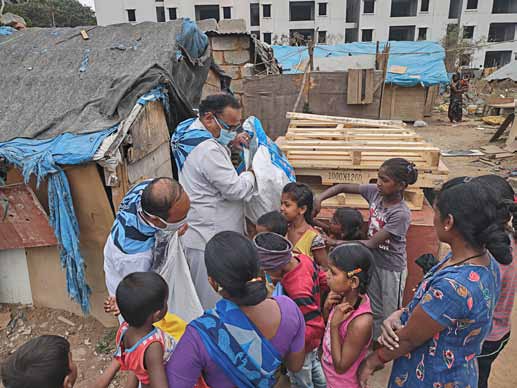
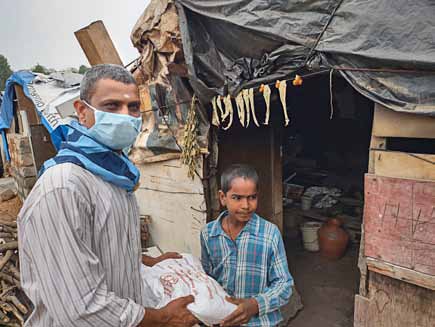
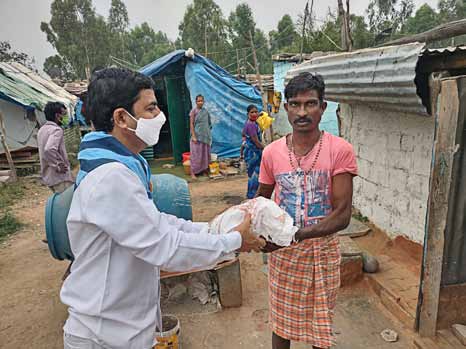
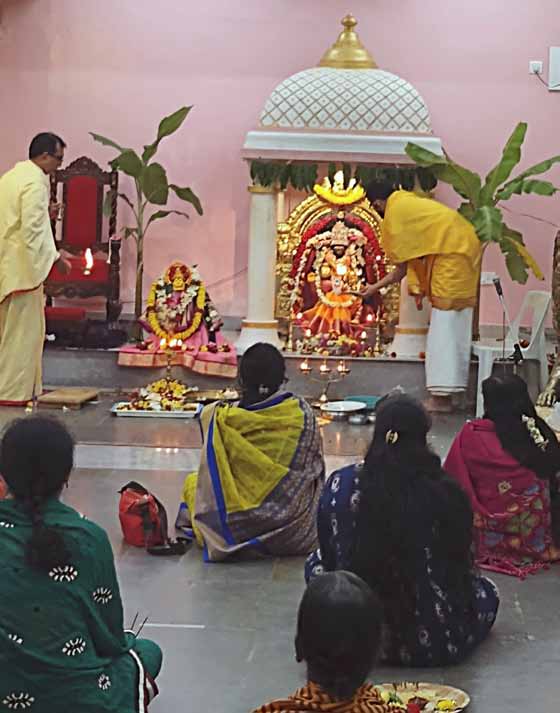
Varalakshmi Vratam
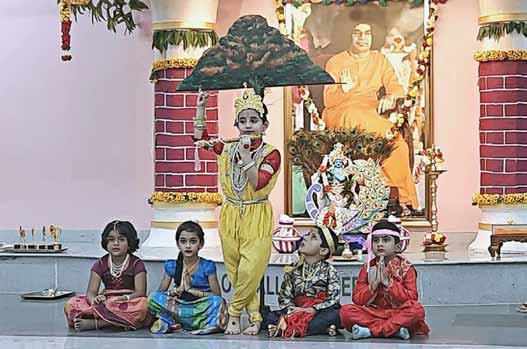
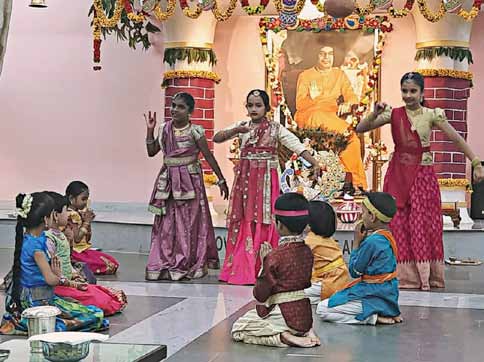
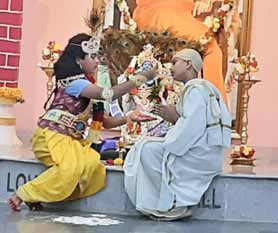
Krishna Janmashtami
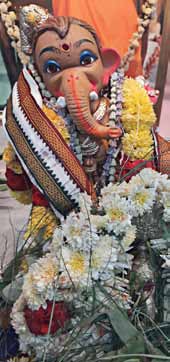
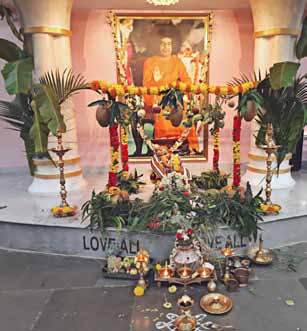
Ganesha Chaturthi

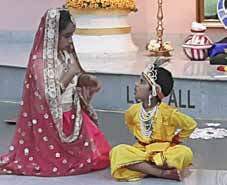
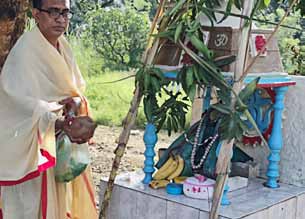

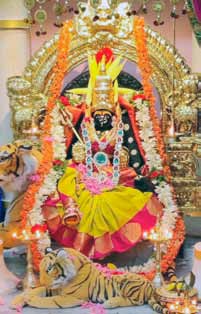
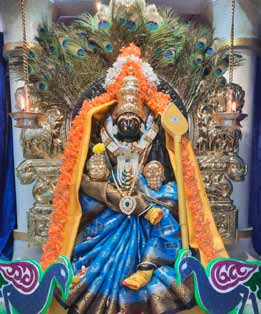
Dusshera Navaratri
Deepotsavam
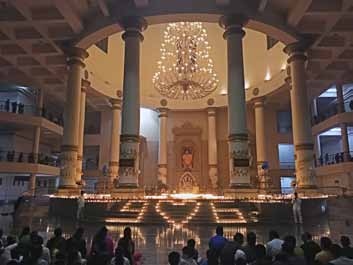
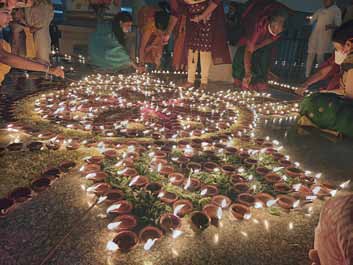
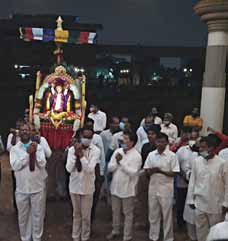
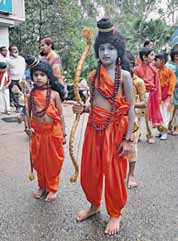
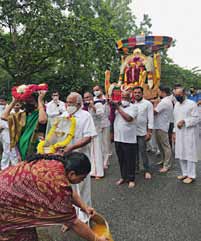
Akhanda Prema Jyothi and Pallaki Utsavam
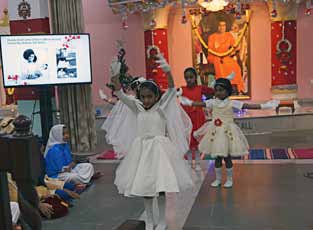
Christmas
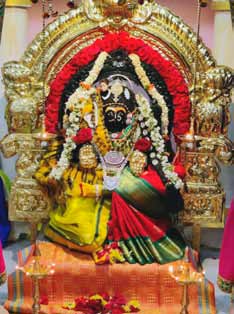
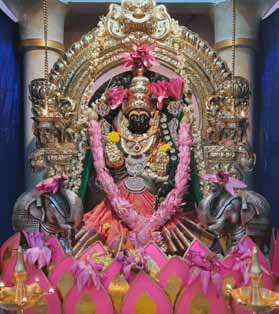
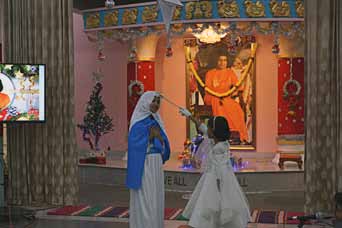
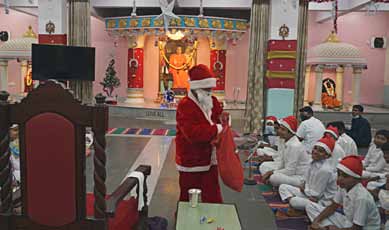
Covers · pages 1 and 44
Cover pictures
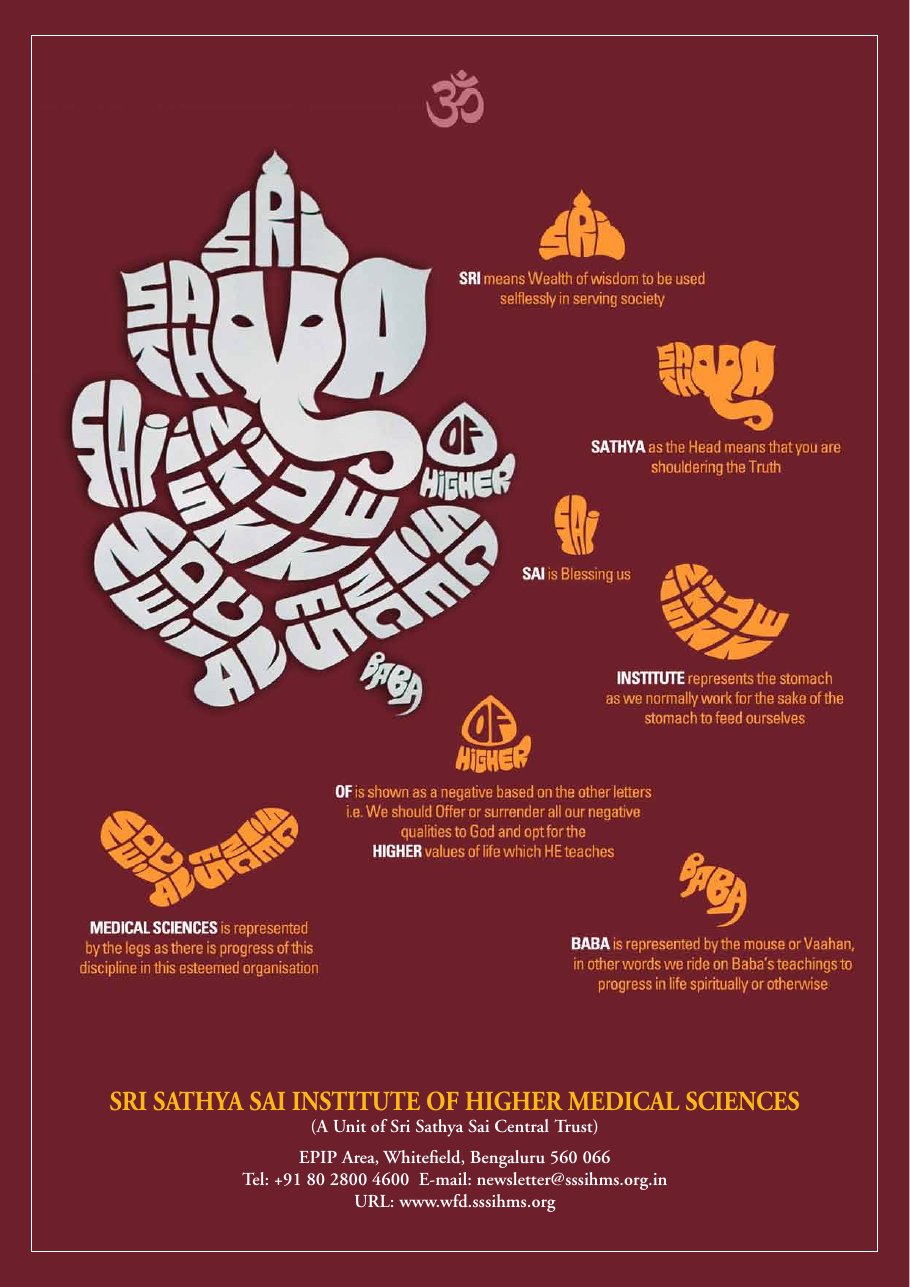
Pictures used on the covers and contents page